Photography as a Craft
Walter Giebel’s Photographic Studio in Lorsch
Between Everyday Life and Memory: How a small-town photographic studio documented life in the 1960s.
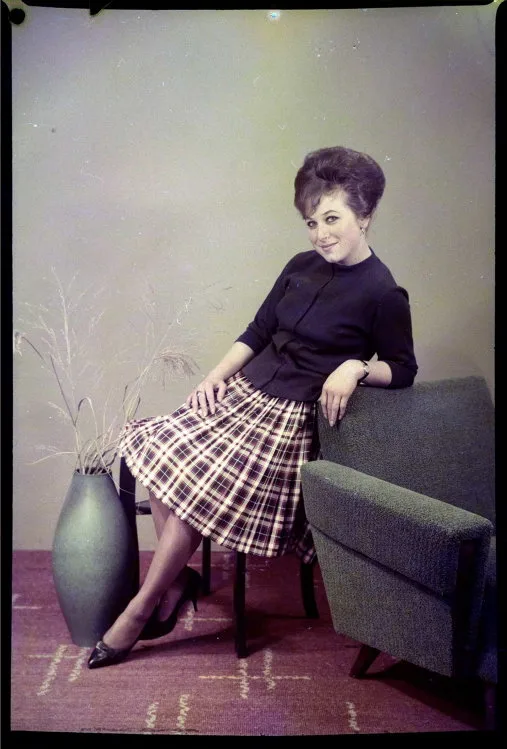
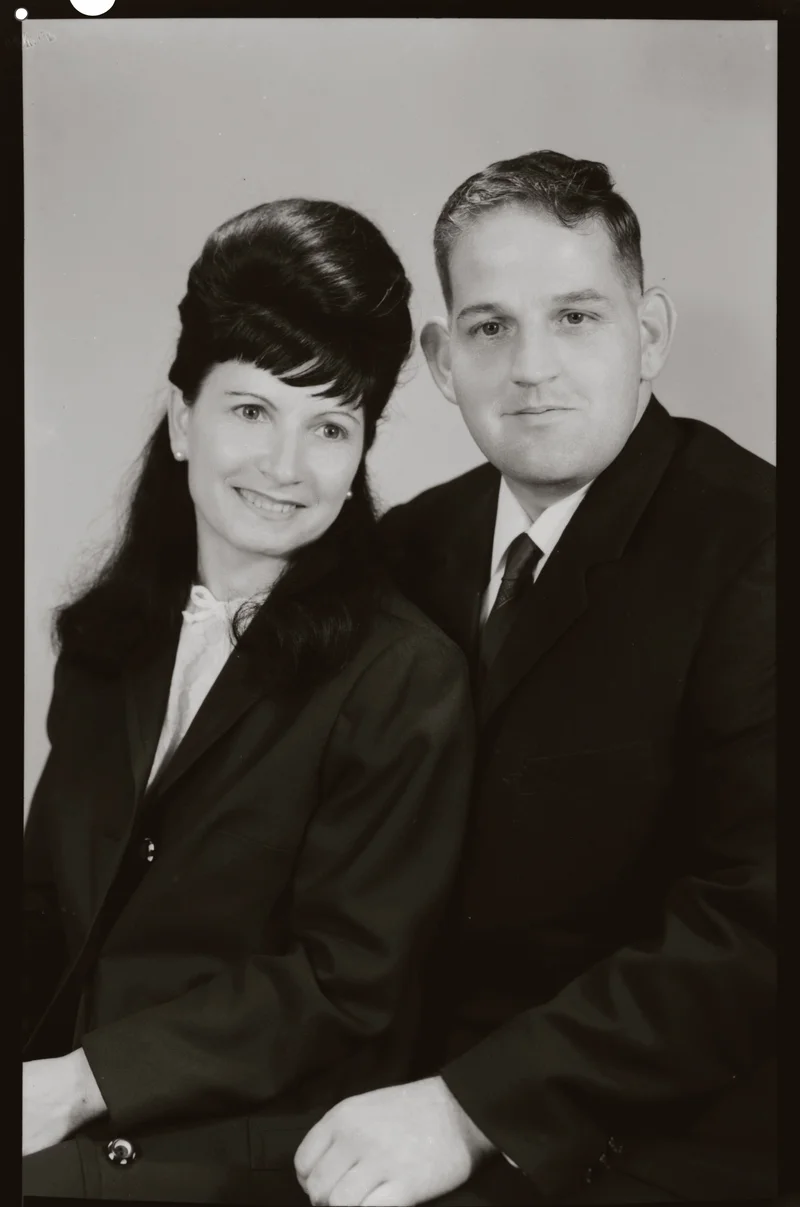
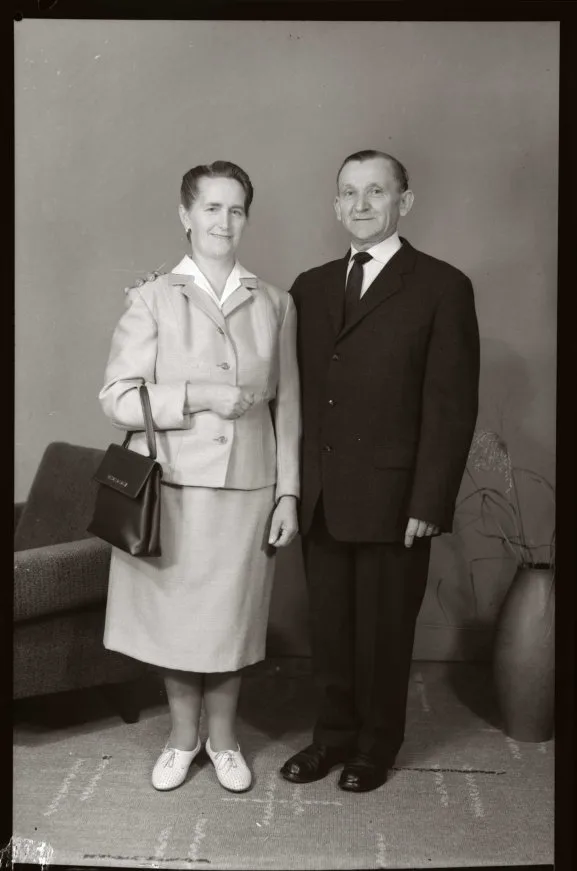
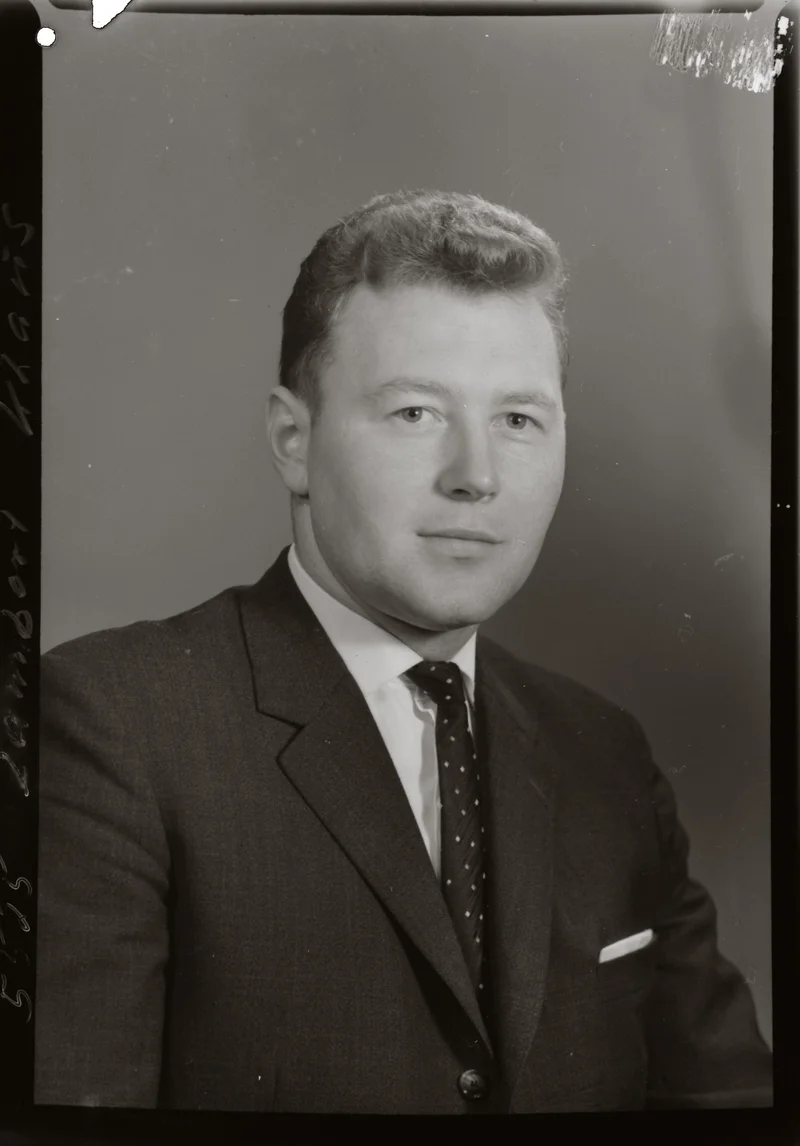
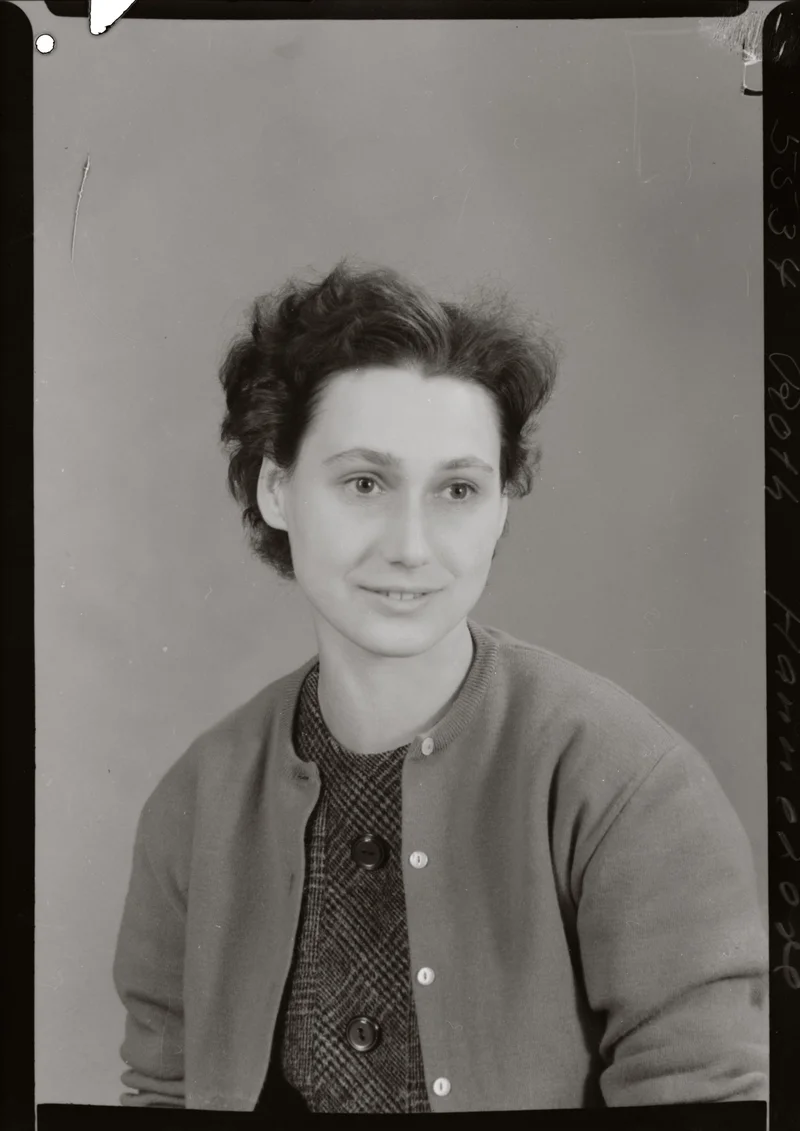
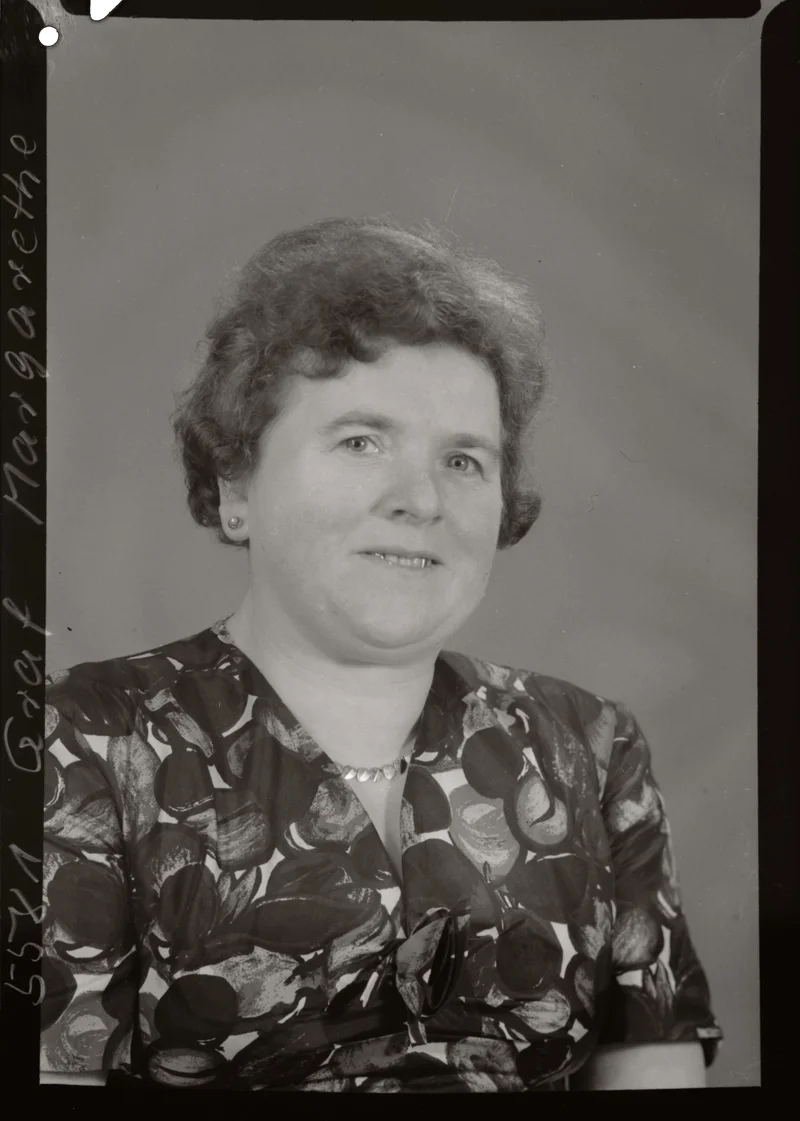
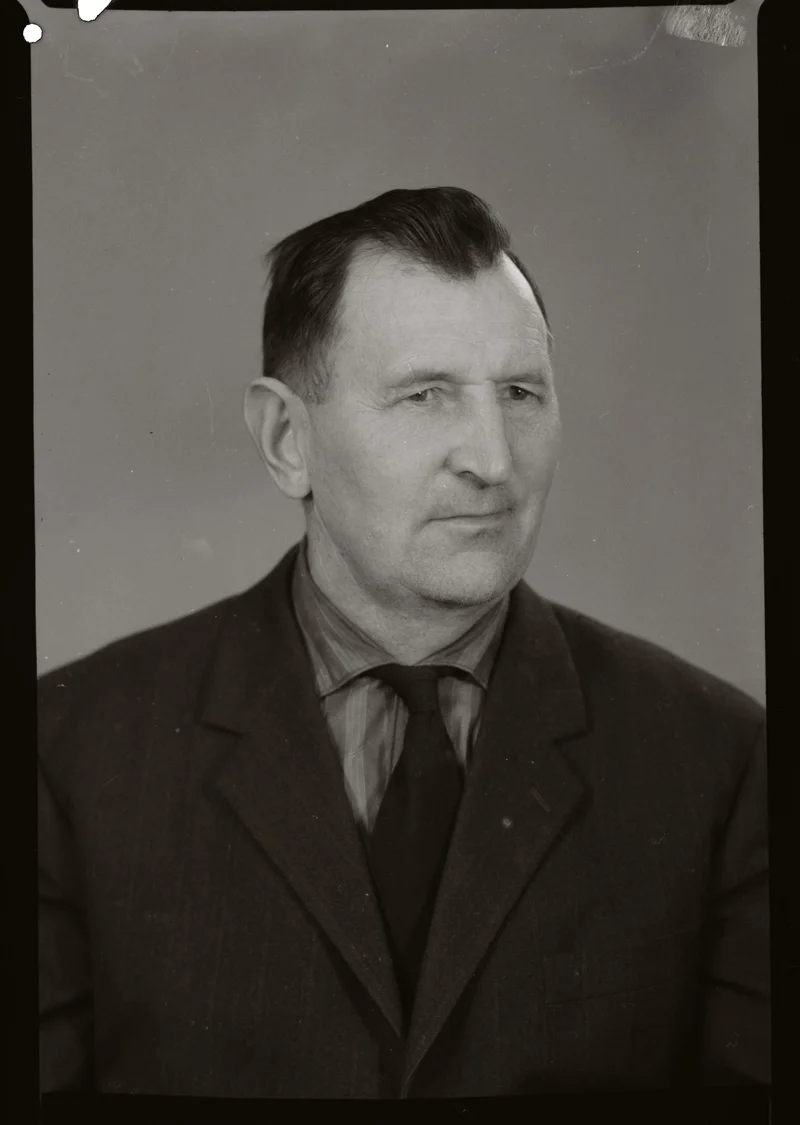
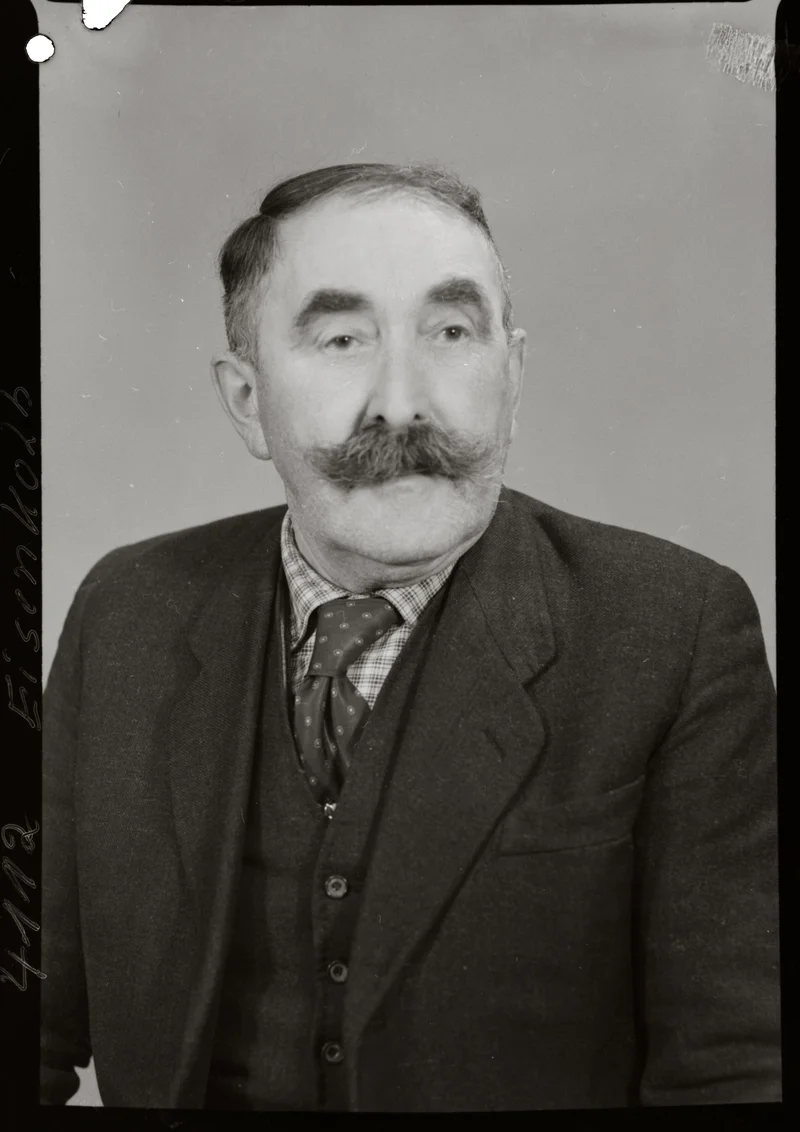
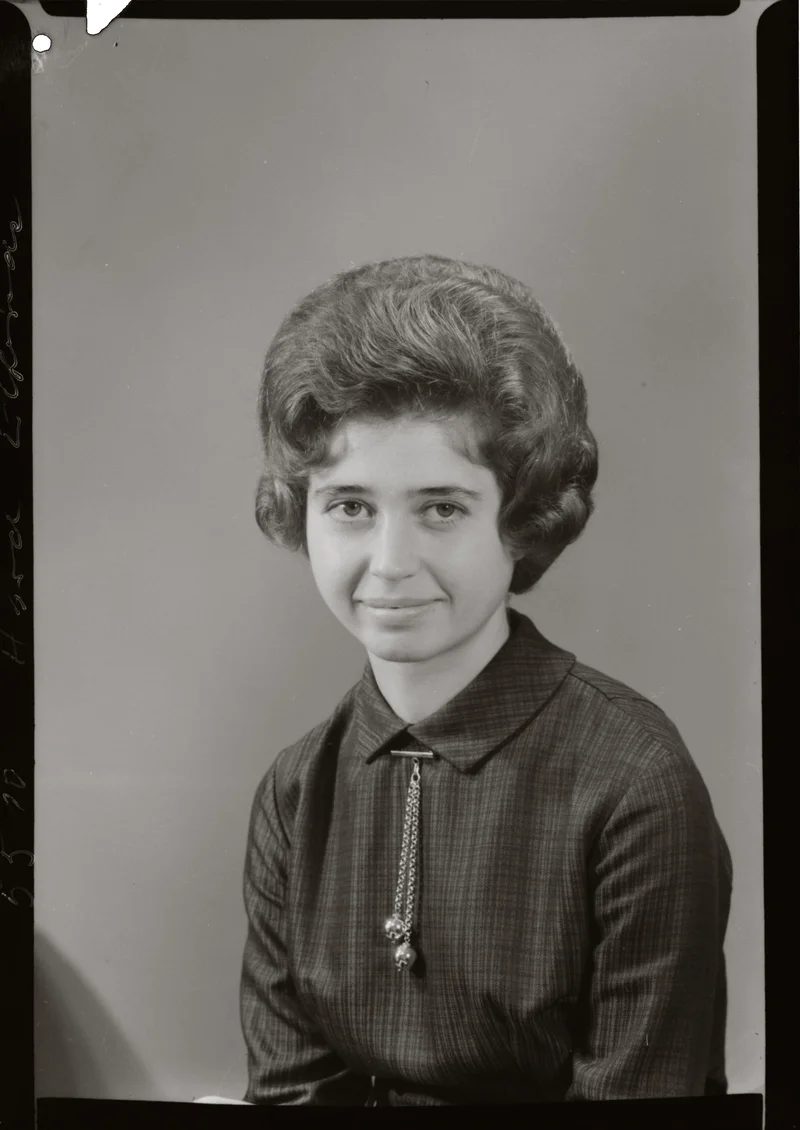
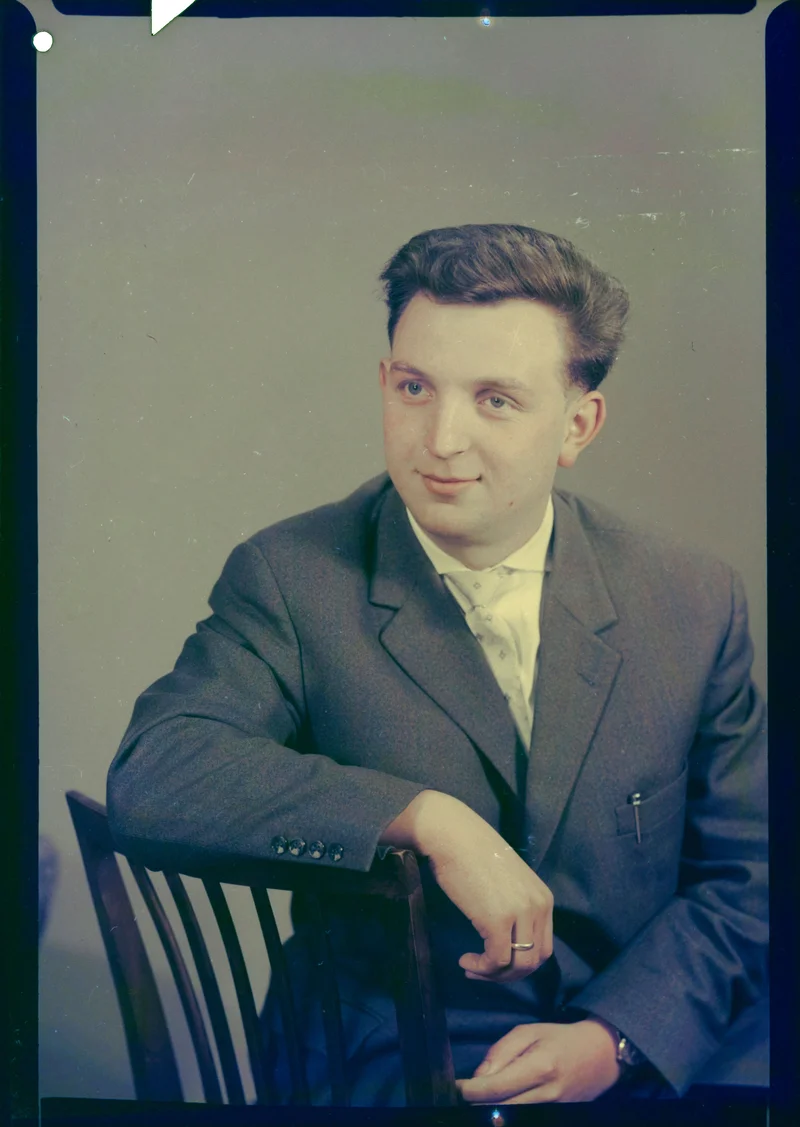
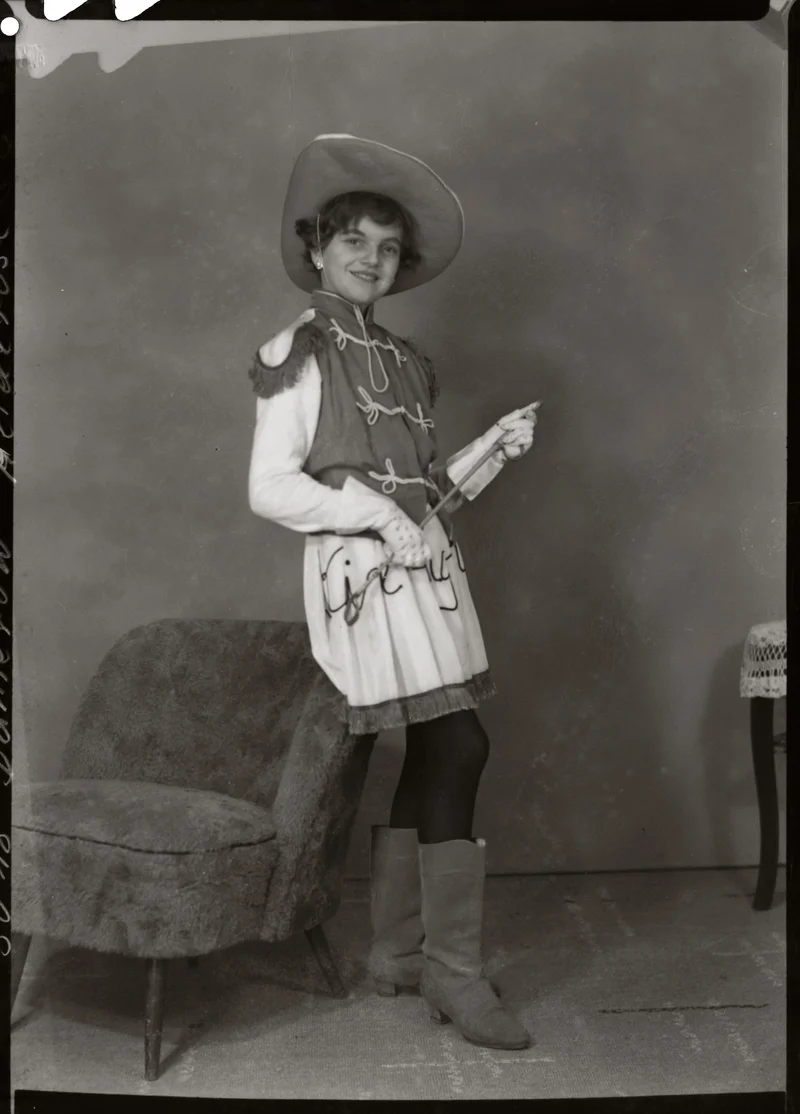
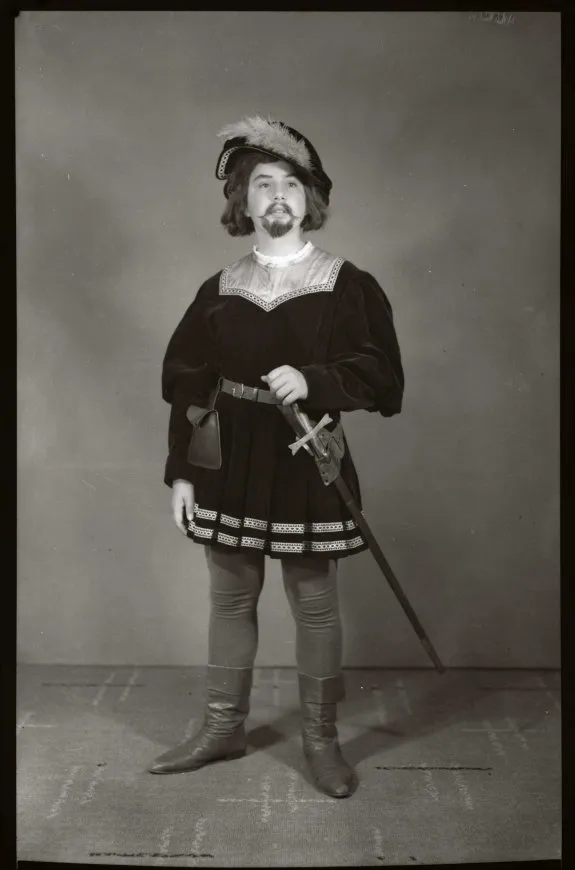
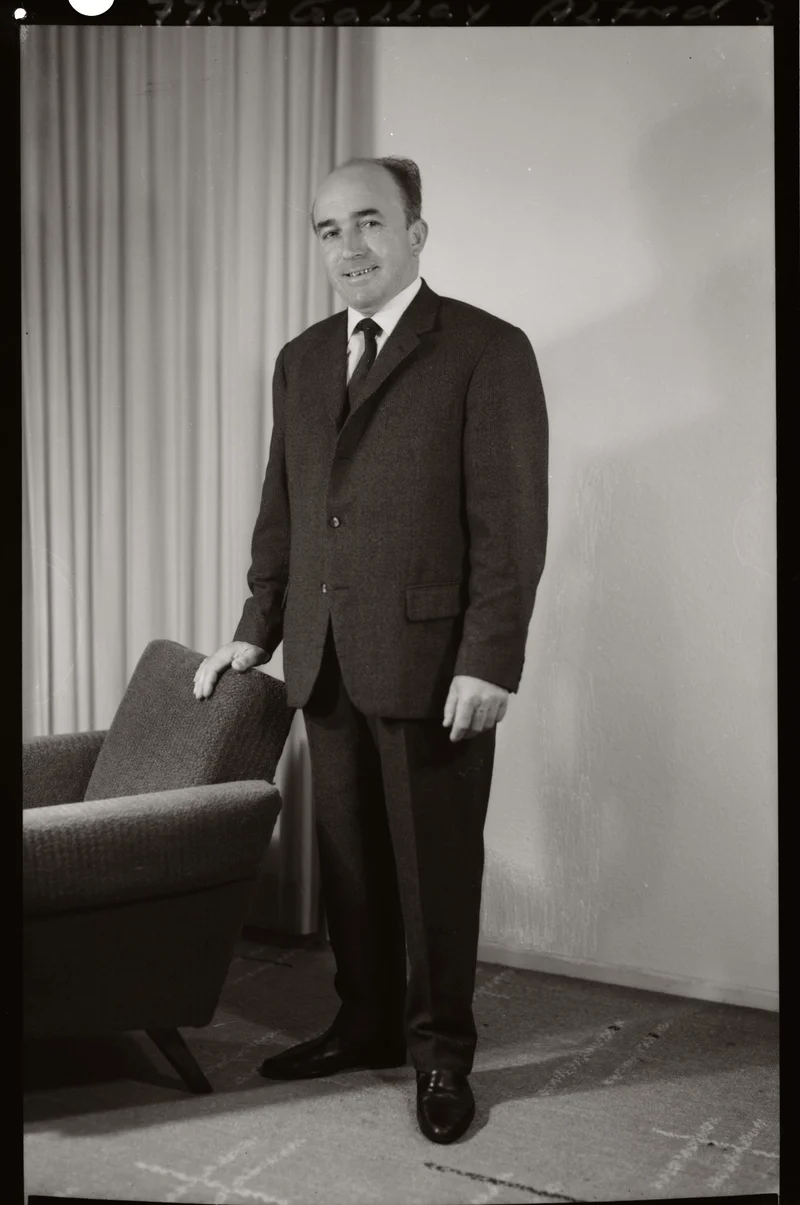
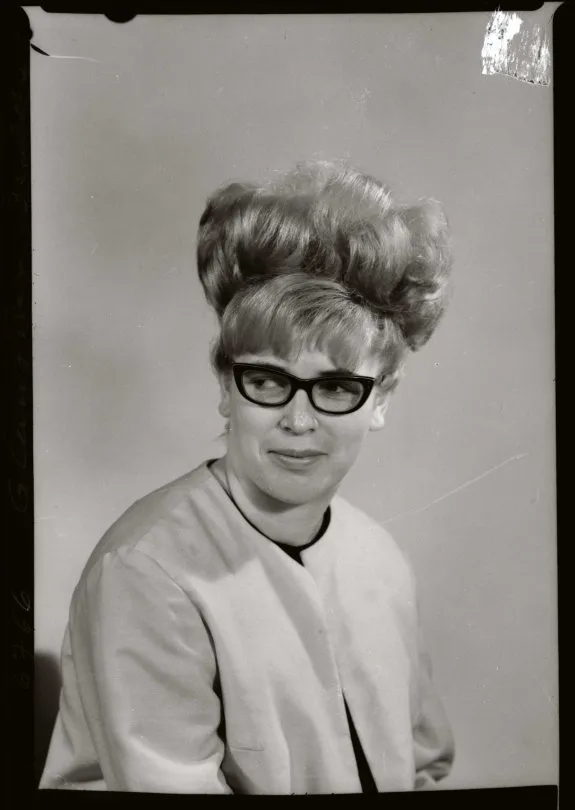
In the 1960s, many residents of Lorsch in Hesse had themselves photographed in a small studio, for special occasions or simply to preserve a memory.
The photographs from Walter Giebel’s studio record more than faces and poses. They show how everyday commercial photography can preserve a revealing fragment of German social history, containing cultural information that only becomes apparent with the passage of time.
The Studio as a Mirror of Society
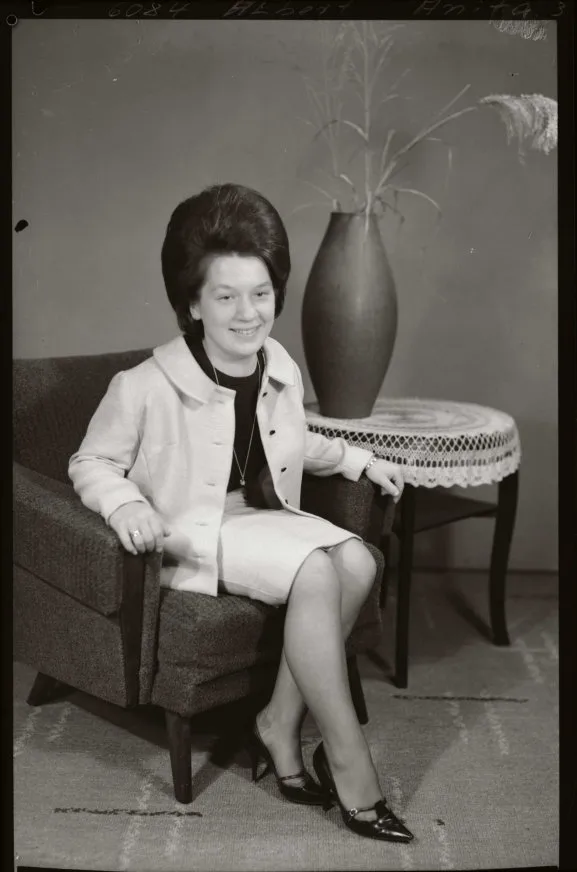
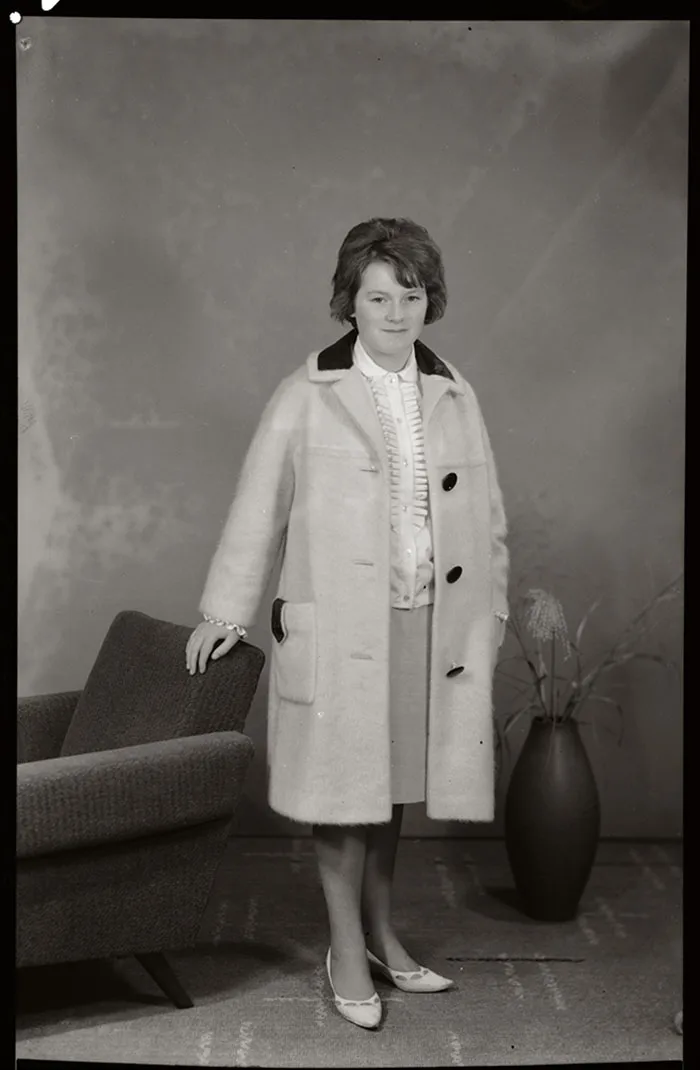
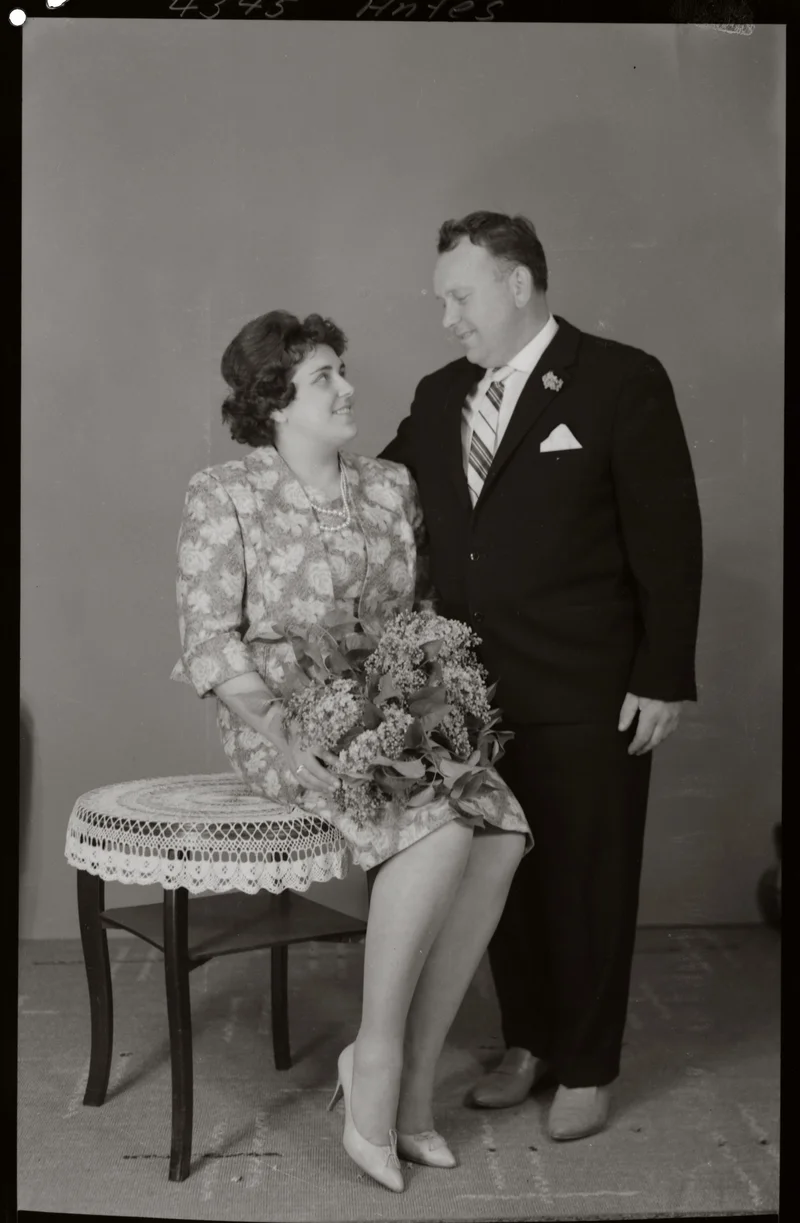
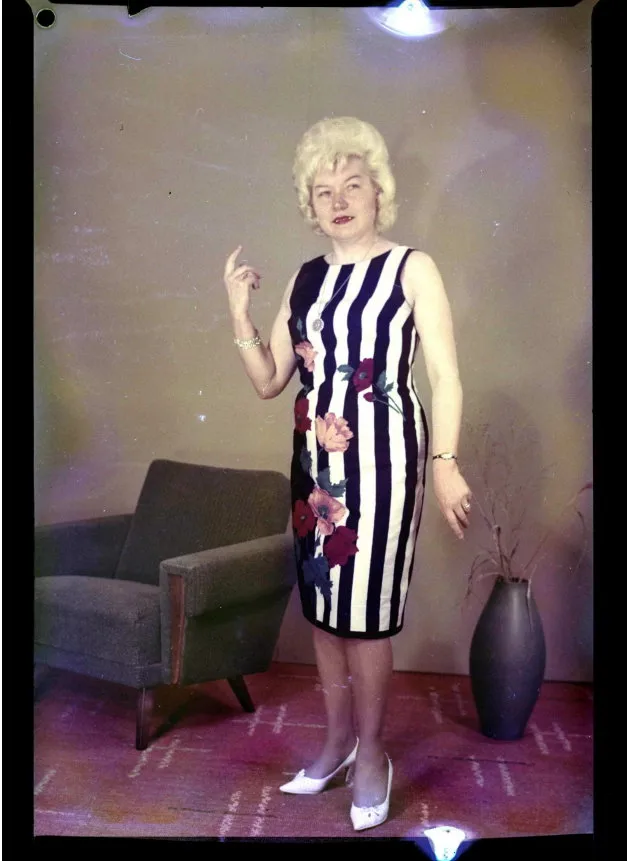
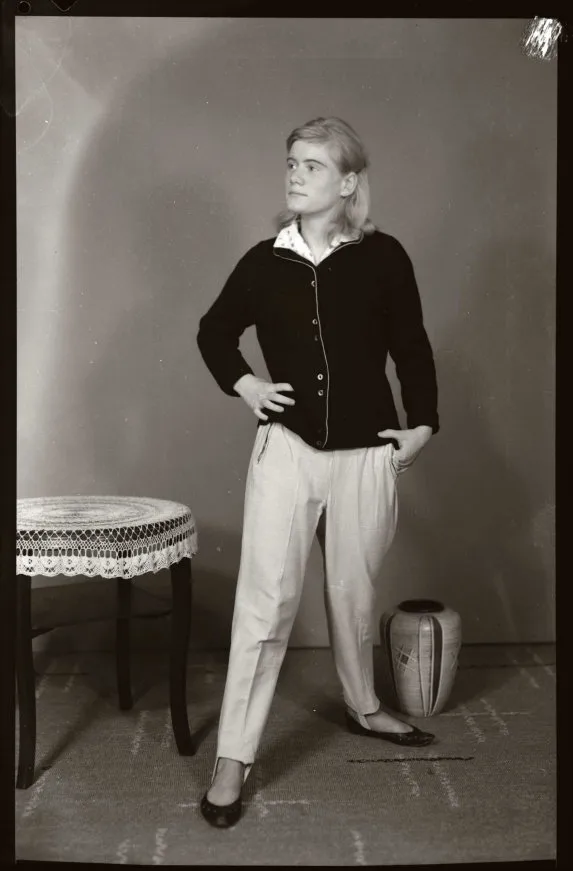
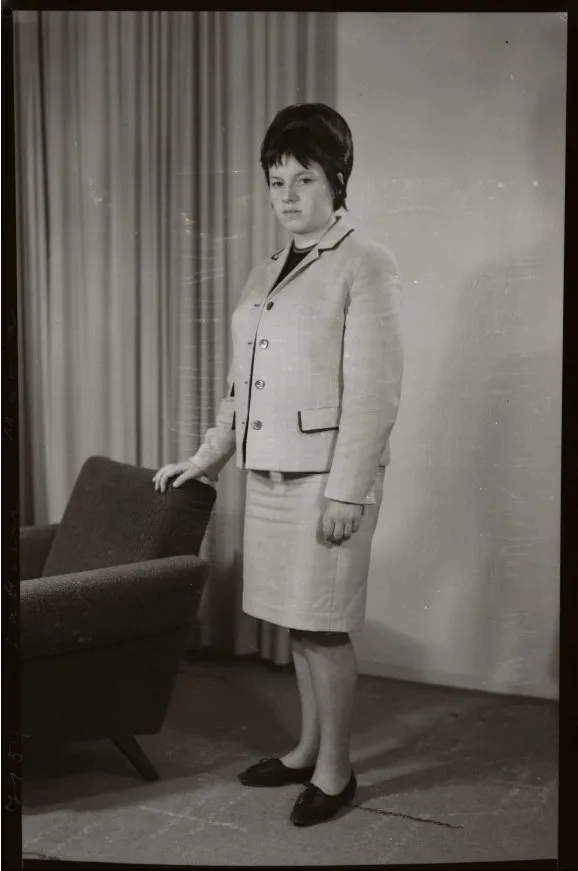
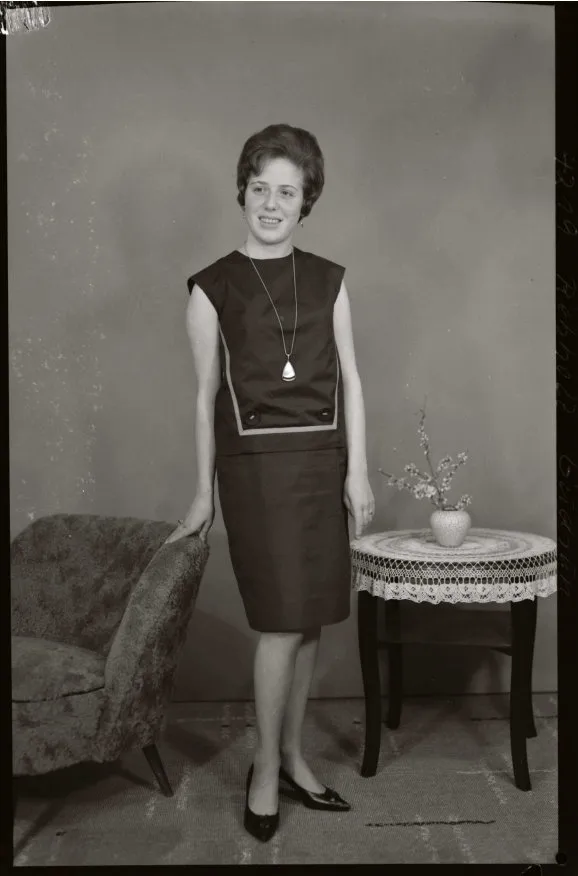
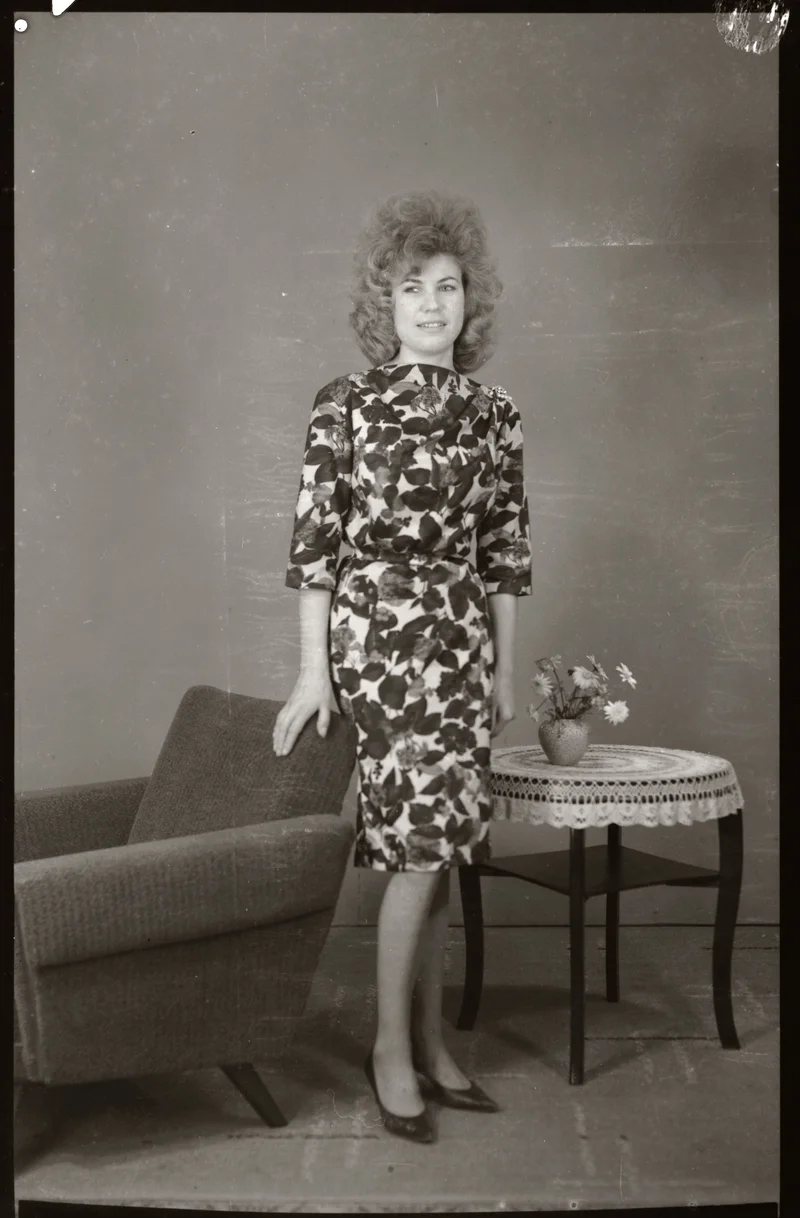
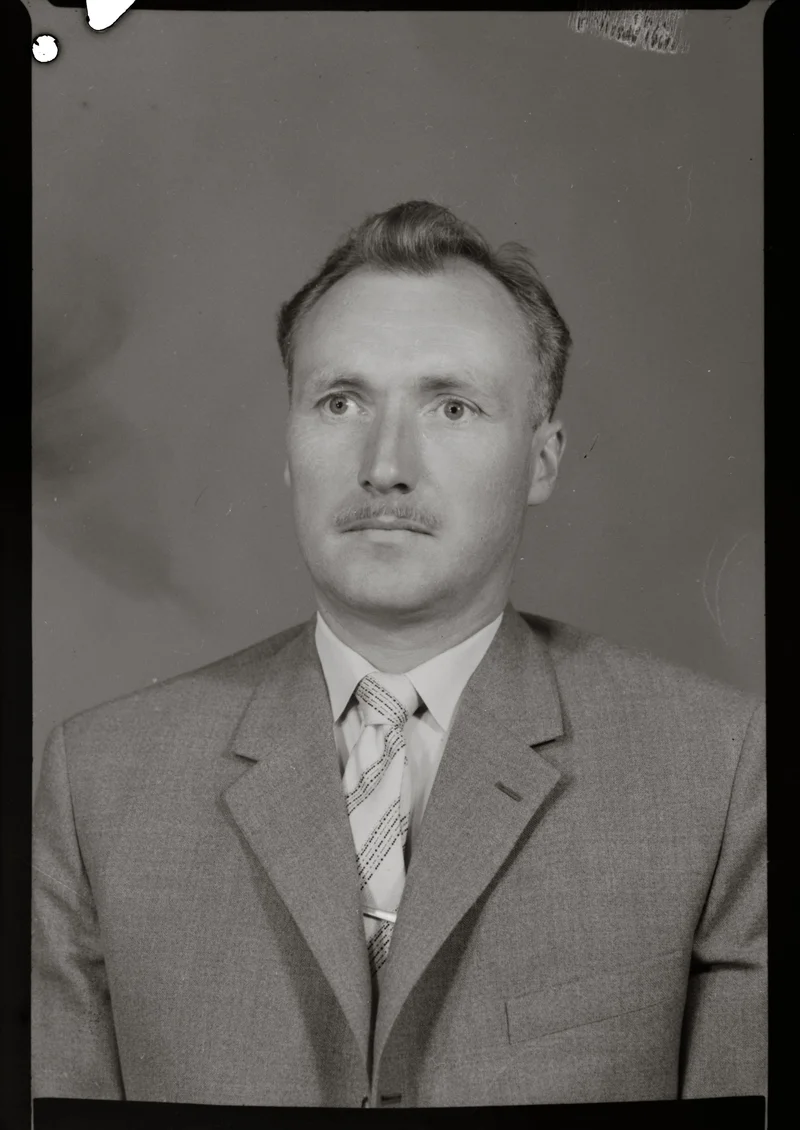
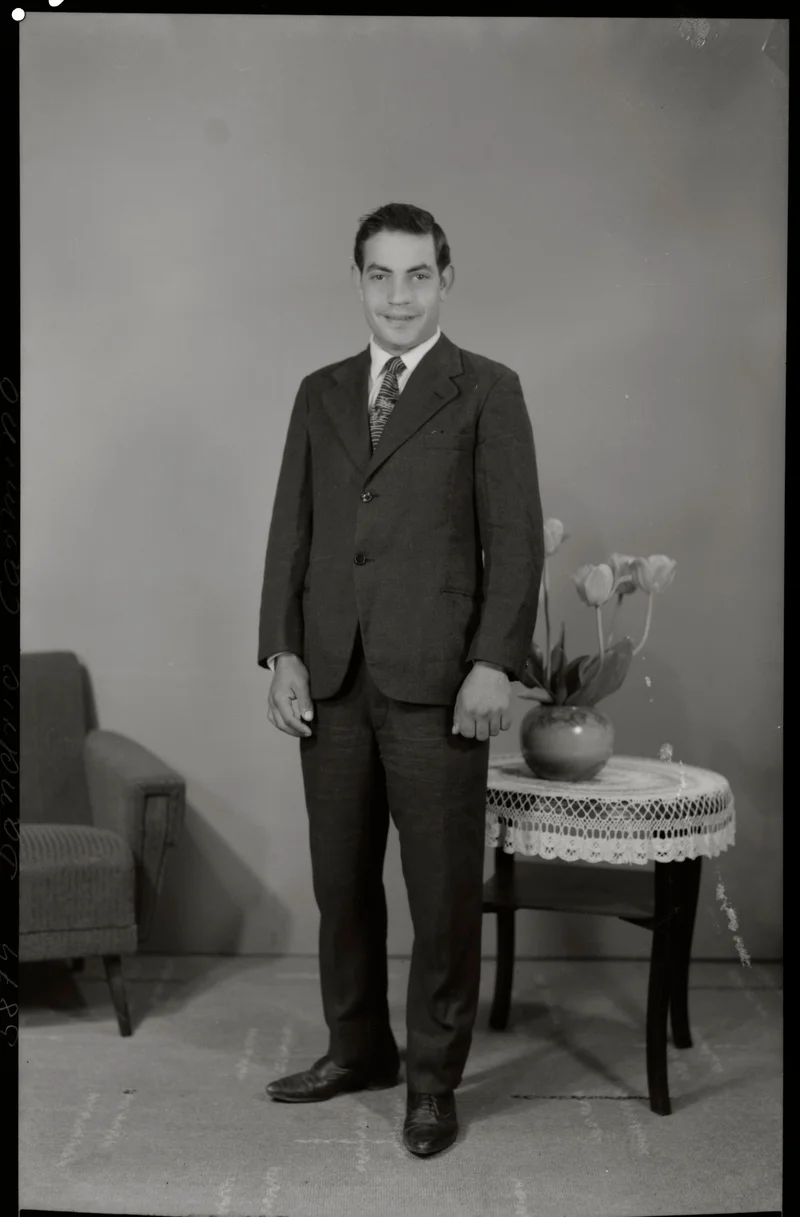
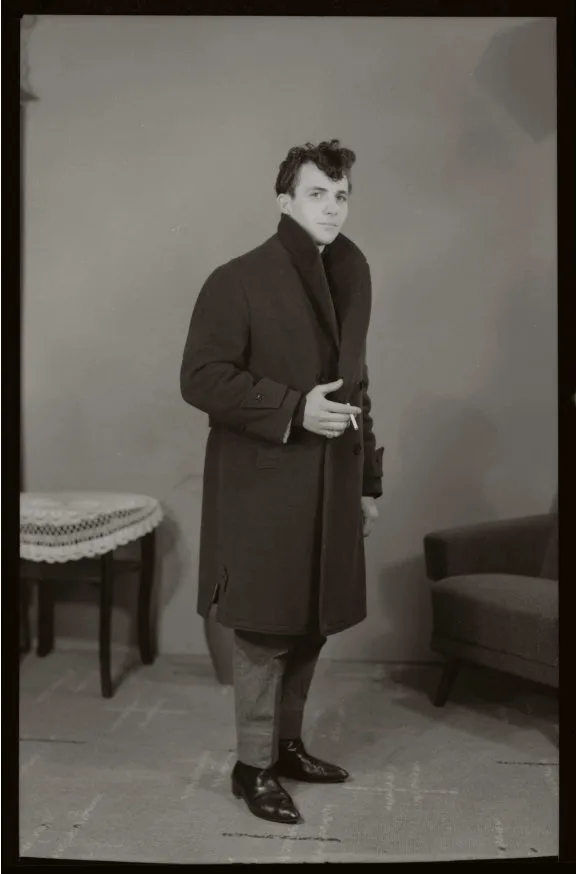
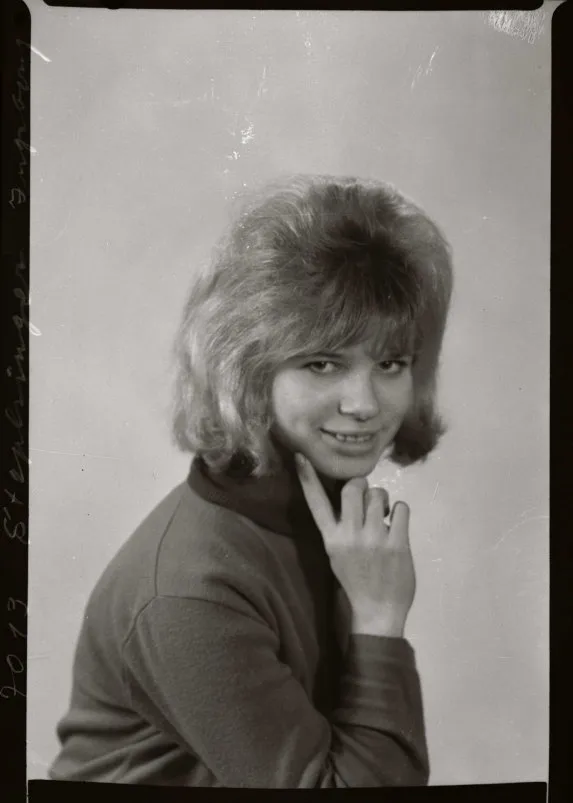
At Walter Giebel’s studio, people posed against a neutral background or a pleated curtain, either for a close-up or a full-length portrait. The finished photographs were framed, placed in albums or used for passports and driving licences.
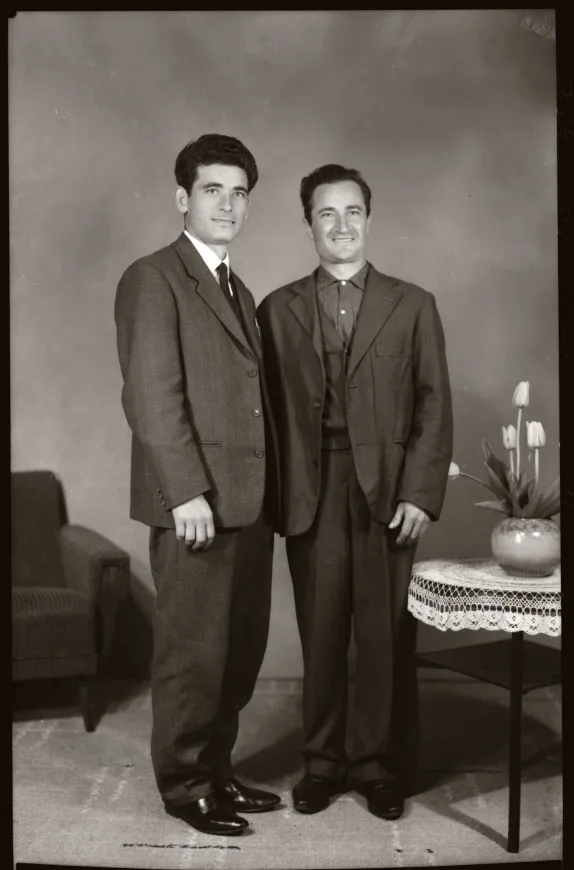
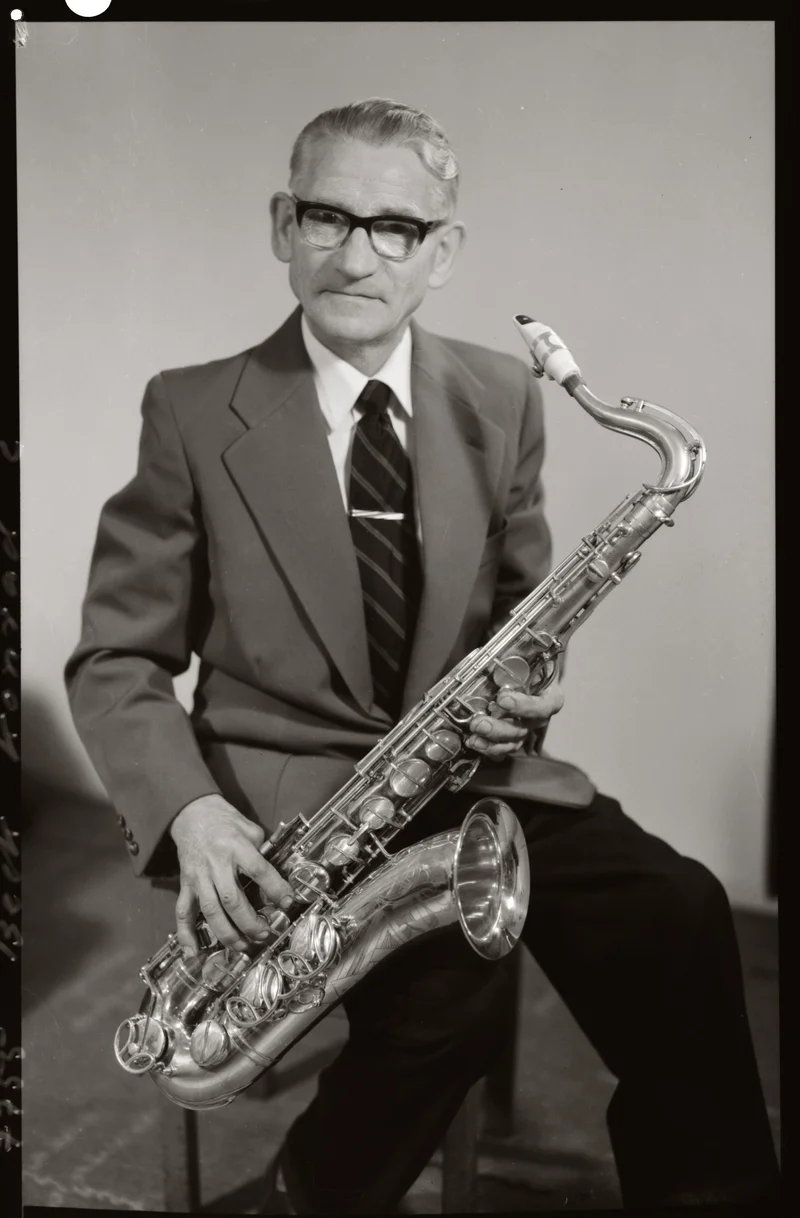
The occasions were varied: the first day at school, First Communion, confirmation and weddings. Couples, babies, families, people in uniform, carnival costumes or with musical instruments appeared before the camera. Props included fashionable carpeting, crocheted tablecloths, flower vases, armchairs and a side table.
Fashion, Expression and Migration
The photographs record not only fashion and physical appearance, but also how people wished to present themselves during the economic expansion of the post-war years.
Some negative envelopes bear Italian or Spanish names. These were probably members of the first generation of migrant workers, then described as ‘guest workers’, photographed in their best suits, perhaps to send greetings to family members back home.
Walter Giebel — A Master Photographer with a History
Walter Giebel was born on 9 January 1898 in Bad Kudowa in Silesia. After his parents died, his brother Arthur Giebel, who already operated several photographic shops, took him in. Walter learned the craft from him and moved to Lorsch after the Second World War, establishing the Foto-Giebel studio at Rheinstraße 15.
He ran the studio until his death on 14 October 1978. His daughter then continued the business for a time. (Information supplied by Mr Thomas Kahle, a relative of the photographer.)
Craft, Technology and Archive
In the studio, Giebel used a large-format camera with 6.5 × 9 cm and 10 × 15 cm sheet film. Only on special occasions, such as funerals, did he work outside the studio, using medium-format or 35 mm cameras.
He developed the black-and-white films himself on the premises. Colour photographs, which were uncommon, went to external laboratories. Usually only one negative was made per commission; weddings were the exception, with sequences of different poses.
The negatives were meticulously filed in cut-down mailing envelopes labelled with the customer’s name and order number. The quantity and size of the requested prints were also recorded.
From the Archive to the Flea Market — and Back
After the studio closed, the negatives were apparently discarded and later surfaced at the flea market by Berlin’s Ostbahnhof. The photographer and collector Reinhard Krause discovered them there.
He found 35 boxes of consecutively numbered negatives, beginning with number 4000 and ending with 7999. Individual dates allow the period of production to be narrowed to 1962–1967. Almost the entire output of those years survives, with only a few numbers missing.
Digital Preservation for the Future
Overall, the material is in very good condition. Some negatives, however, showed damage from unsuitable storage sleeves. They were therefore rehoused in acid-free archival materials, preserving the information on the envelopes and boxes.
Only a few developed prints survive, mostly passport photographs, together with a series of wedding pictures. These show what the studio’s finished products looked like.
Around 1,300 negatives have been digitised as a representative sample. High-resolution scans and positive versions now preserve an impressive record of family remembrance and photographic craftsmanship.