Preserving photo heritage
HistoricBits
Discover historical photographs
HistoricBits Data preview
HistoricBits
View.
Preserve.
Make visible.
HistoricBits is dedicated to historic photographs that have survived in private albums, collections and estates. The project searches for, preserves, describes and publishes images that might otherwise be lost or forgotten.
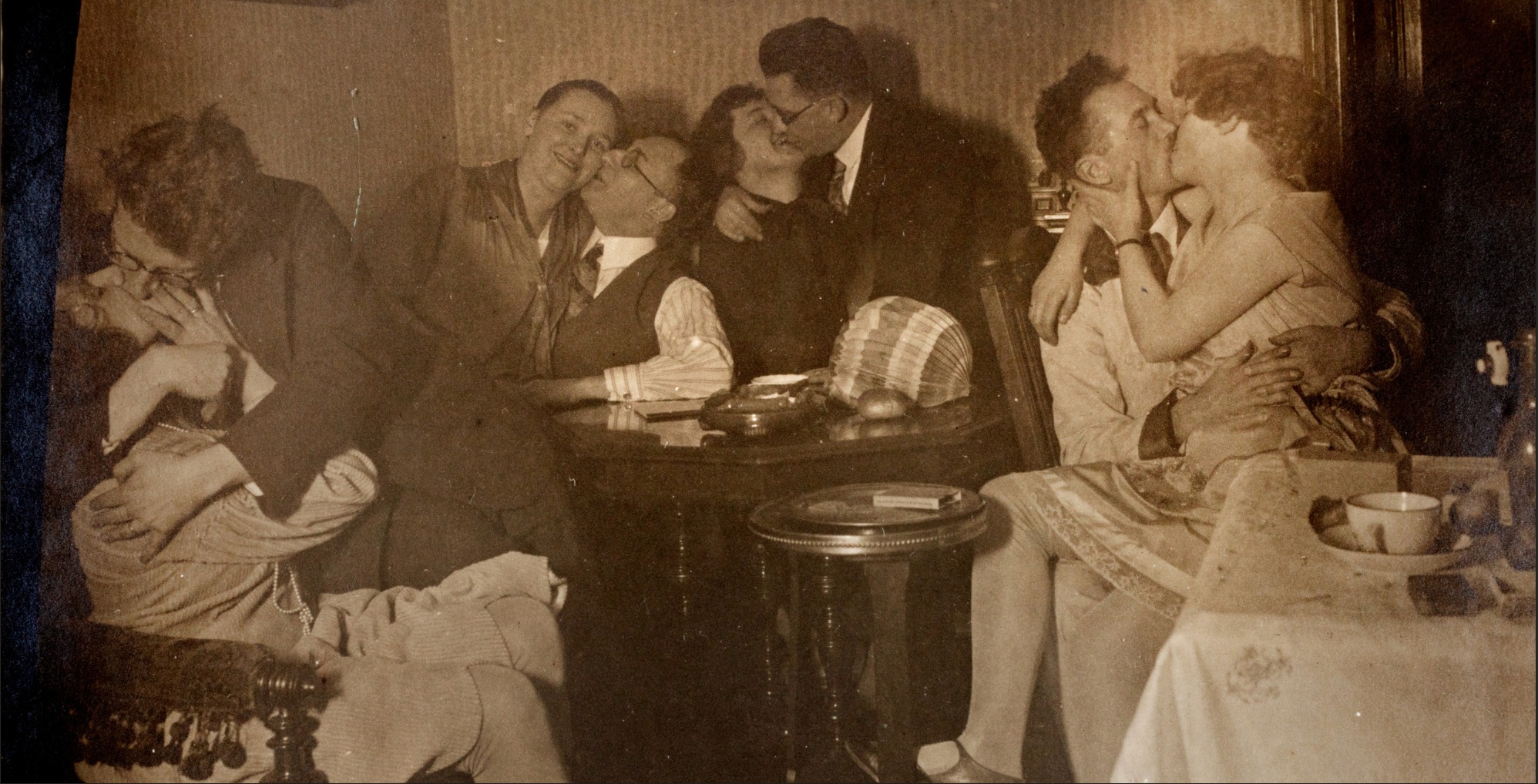
HistoricBits is a growing digital collection of historic photographs. It focuses on images that are often overlooked: commercial photography, amateur photographs, local press images, studio photography, automatic photographs, small-format street and instant portraits, and other forms of everyday photographic practice.
Many of these photographs were not made as art, and not with the intention of documenting history — and yet today they do exactly that.
They were made to preserve memories, to offer services, or to run a business with photography. It is precisely this directness that makes them important sources today.
HistoricBits
Collections
Images and stories
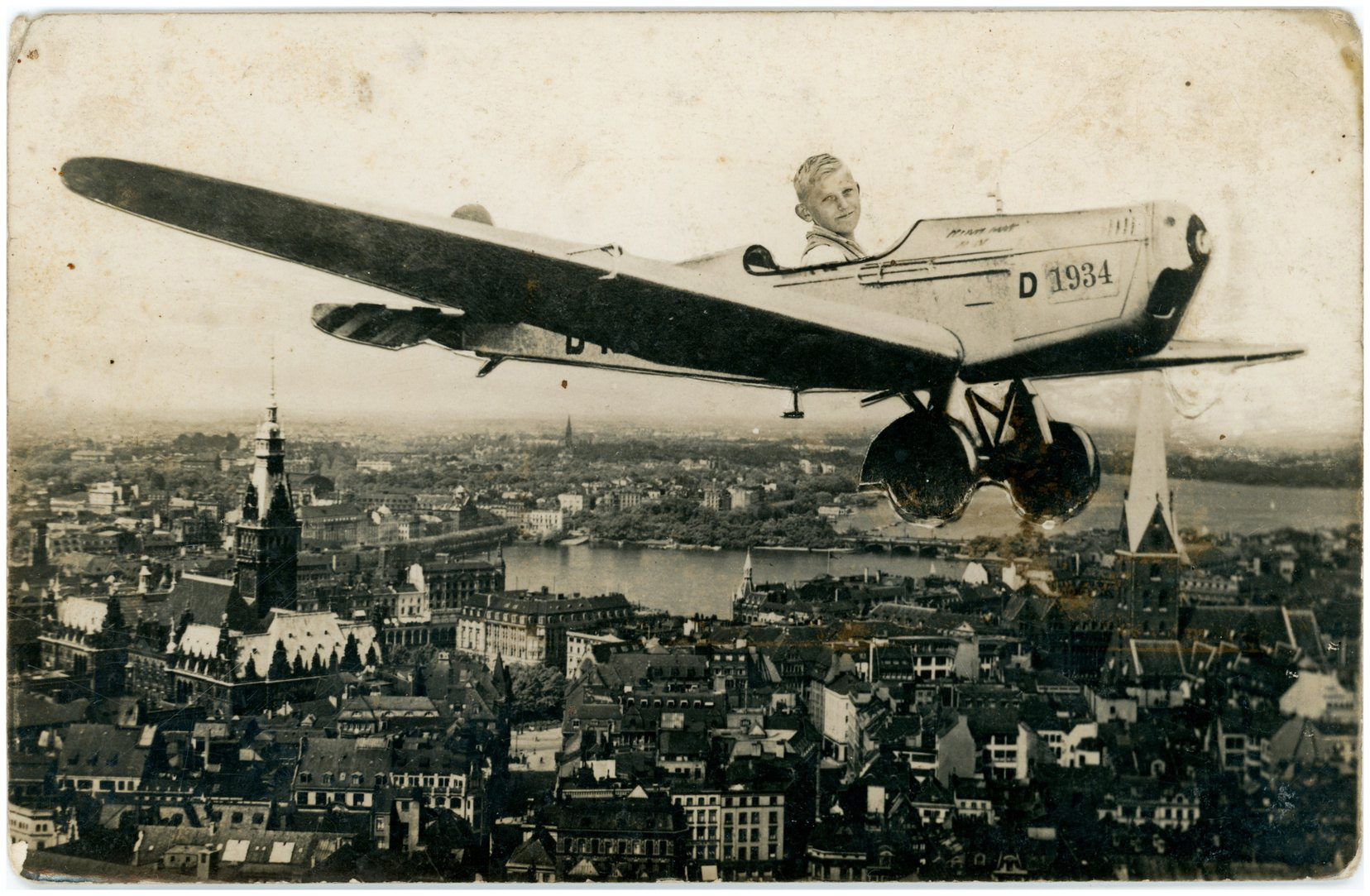
Historical photomontages
The dream
of flight
How travelling photographers used ingenuity and photomontage to create the illusion of an adventure.
Open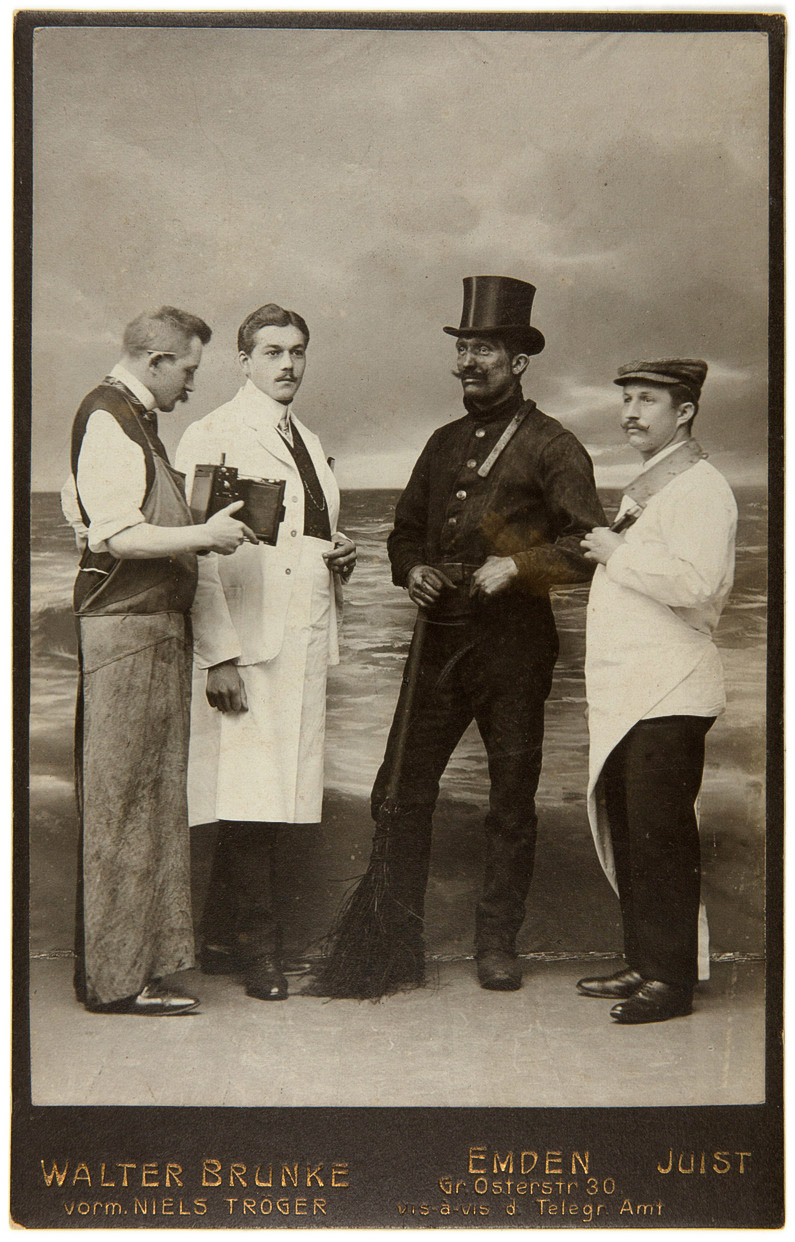
Trades in the studio
Four occupations
by the sea
Photographer, waiter, chimney sweep and butcher in front of a painted seaside backdrop. A carefully staged occupational scene – but why was it made?
Open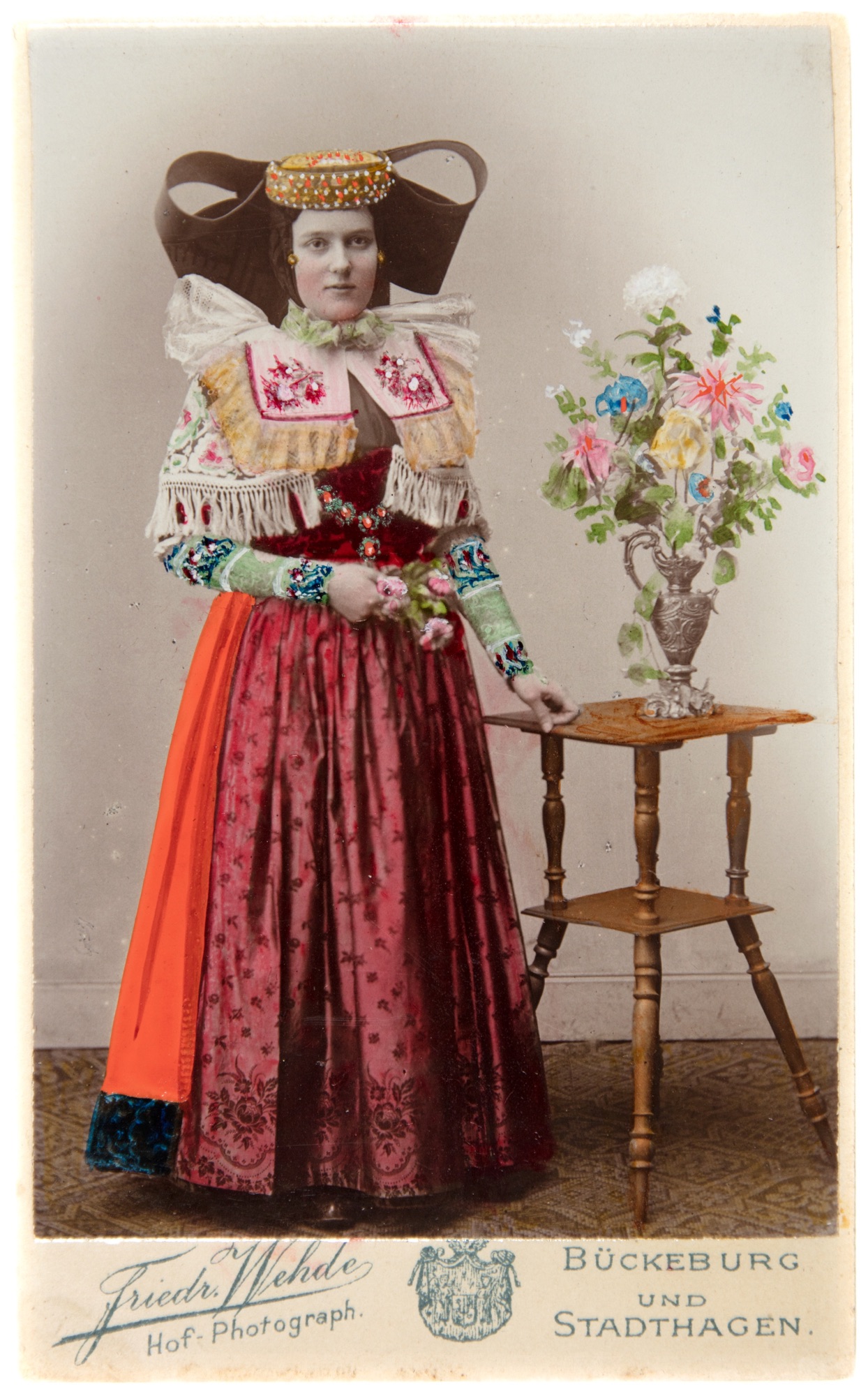
Traditional dress in photography
The Business
of Traditional Dress
Portraits, staging and regional identity in the photography of Schaumburg.
OpenCommercial portrait photography
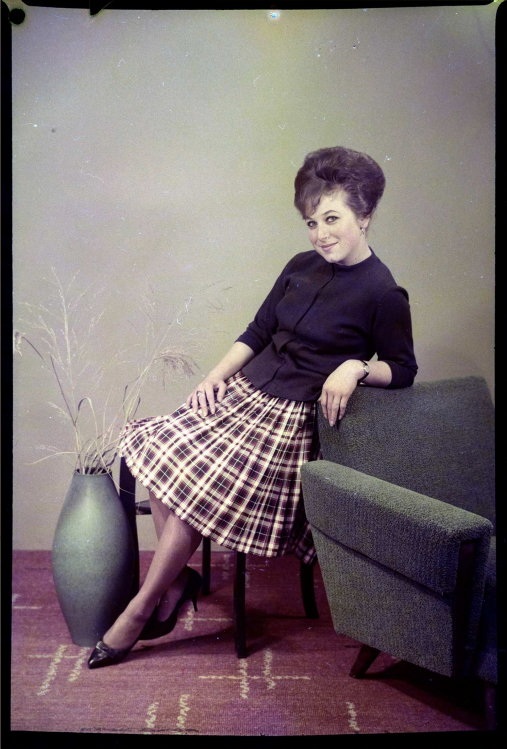
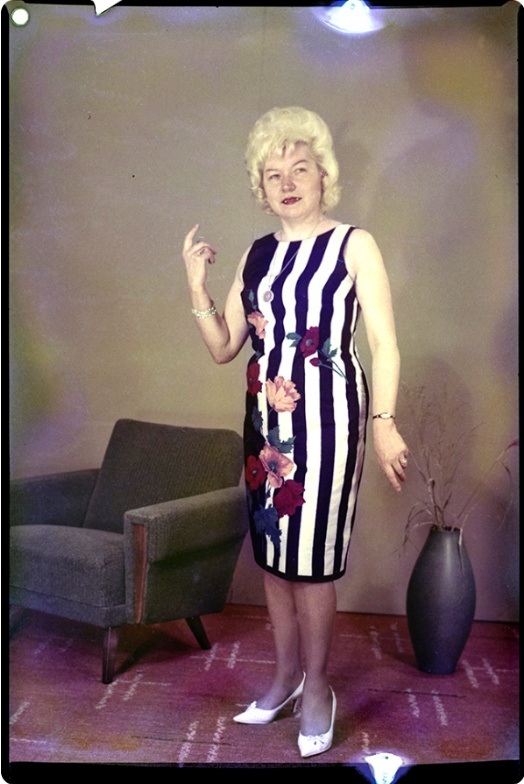
Foto-Giebel
Lorsch in the 1960s
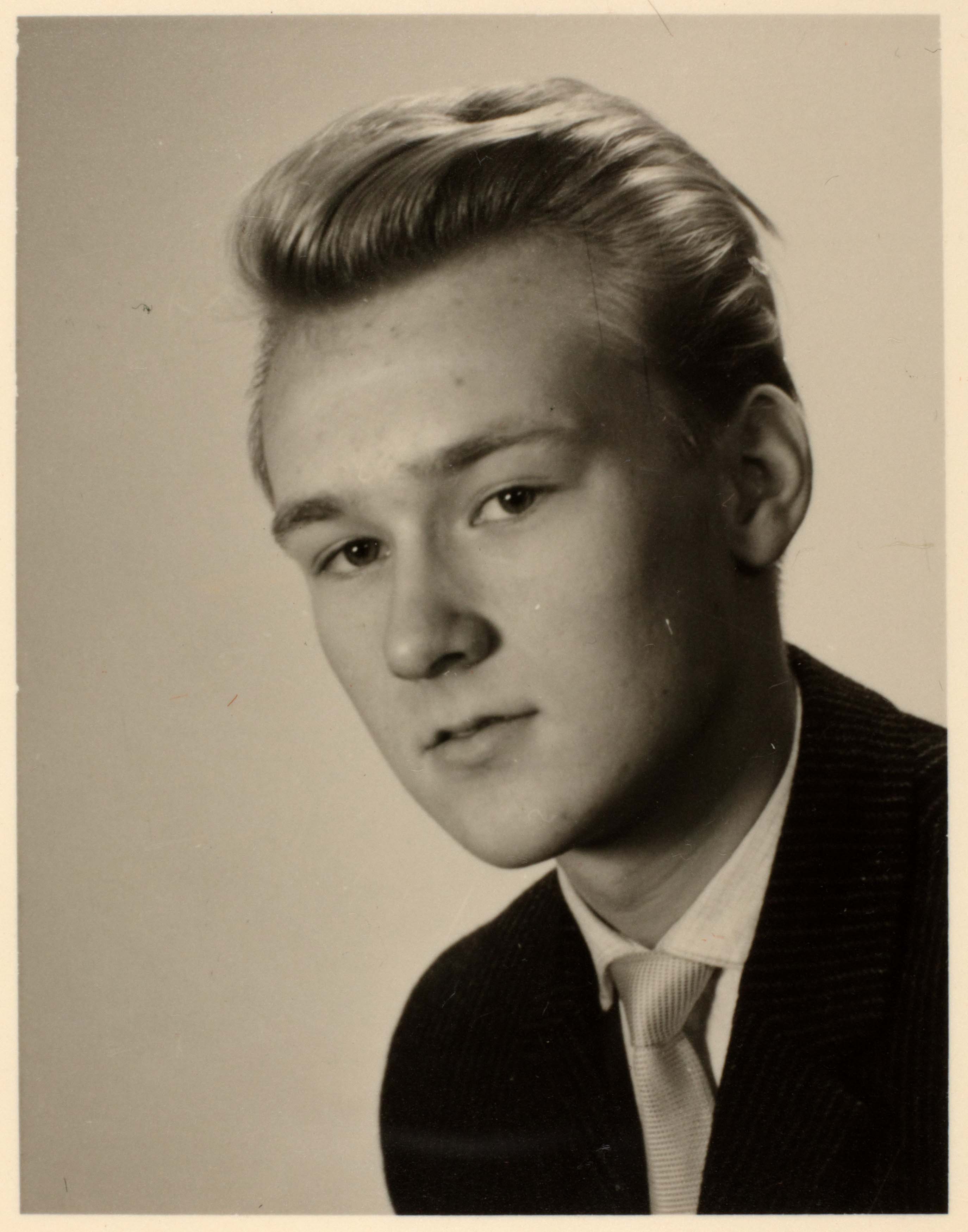
Mathilde Ross
Hamburg in the 1960s
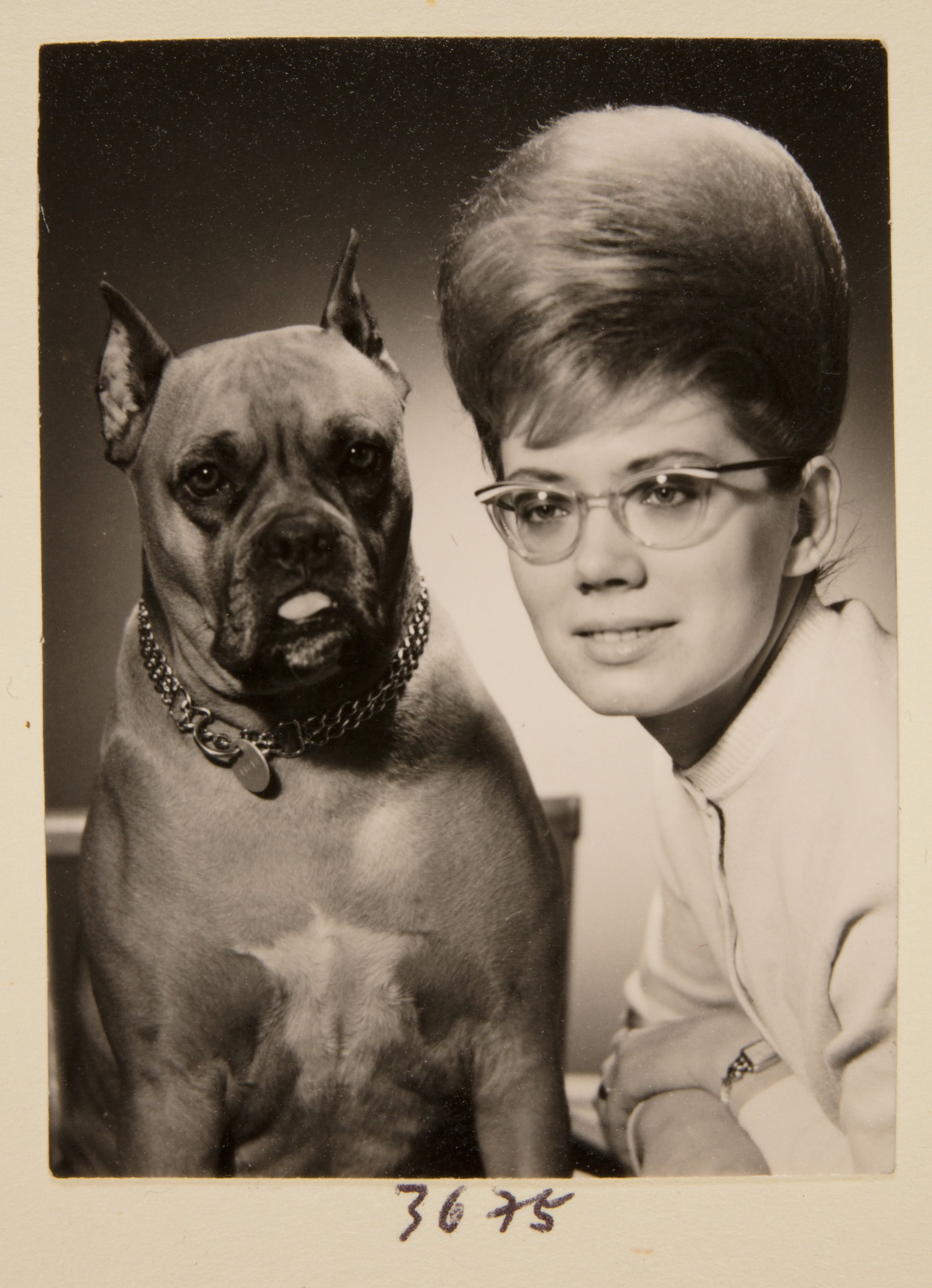
Foto Klinke
Berlin in the 1960s
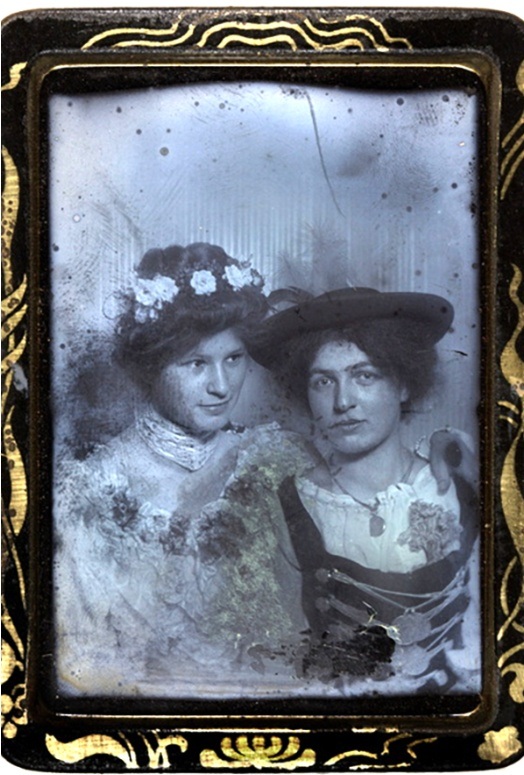
Bosco Photo booth
A magic moment
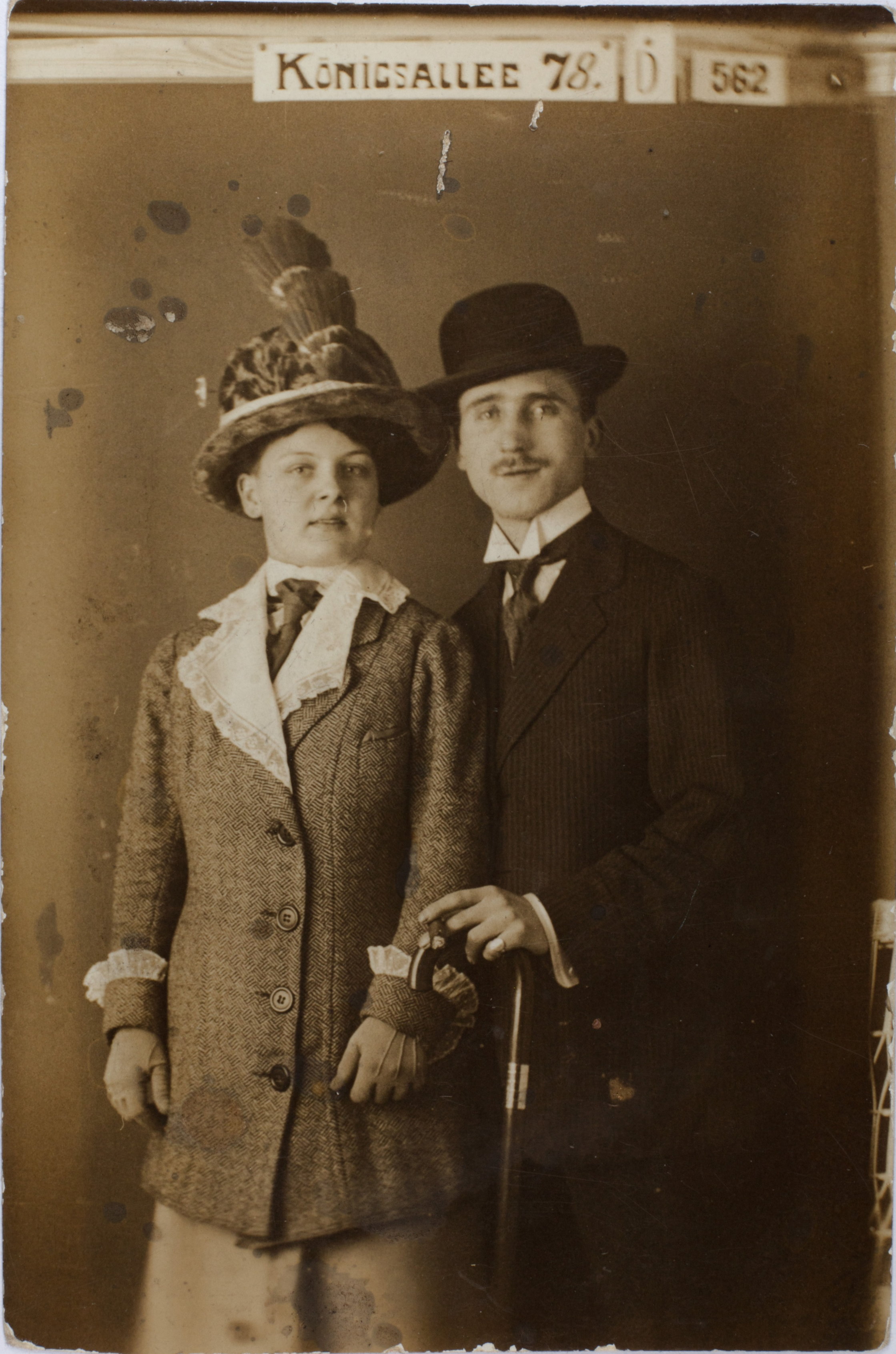
Miniature portraits
in the “American-Automatic” style
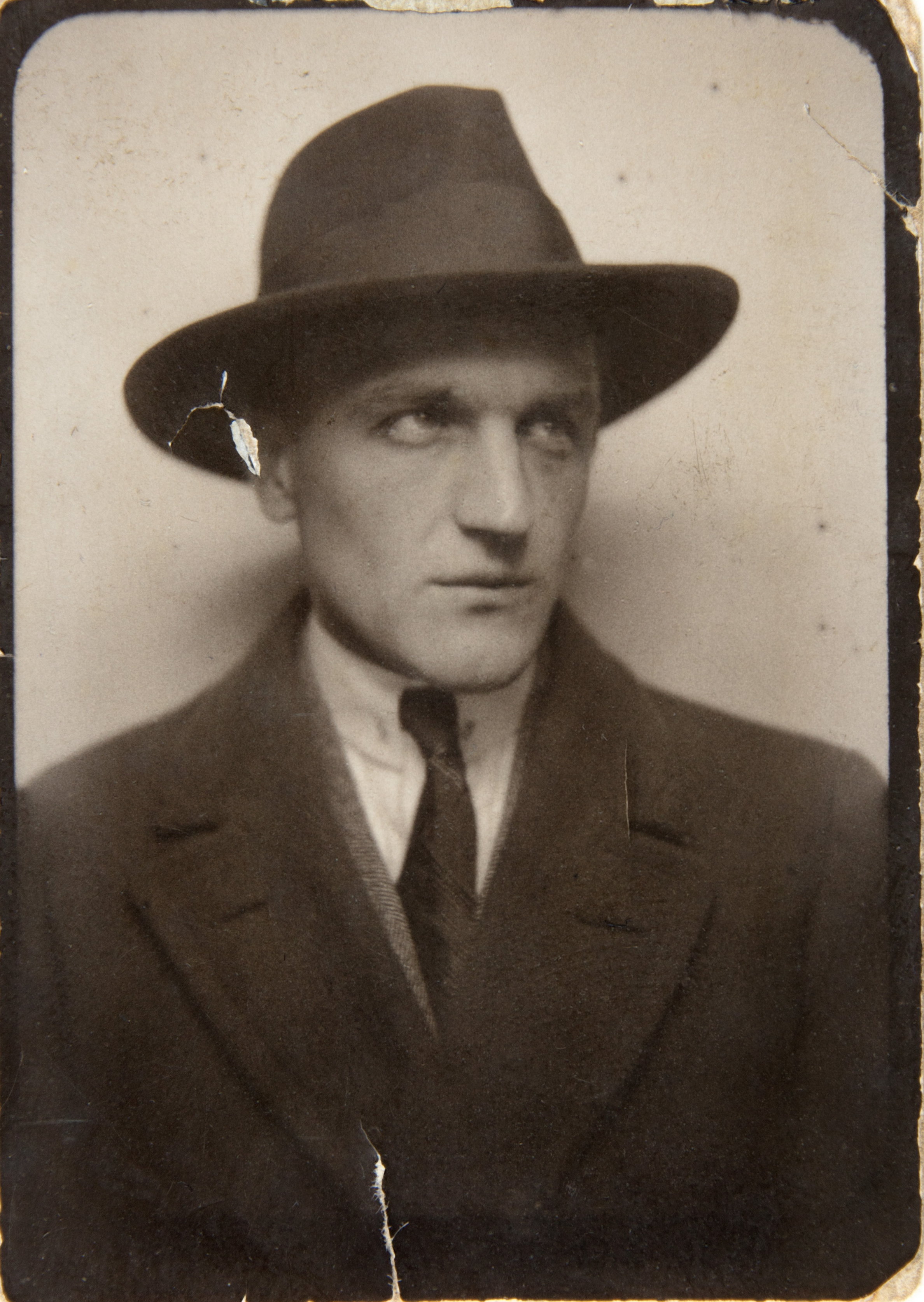
Photomaton
1920s–1940s
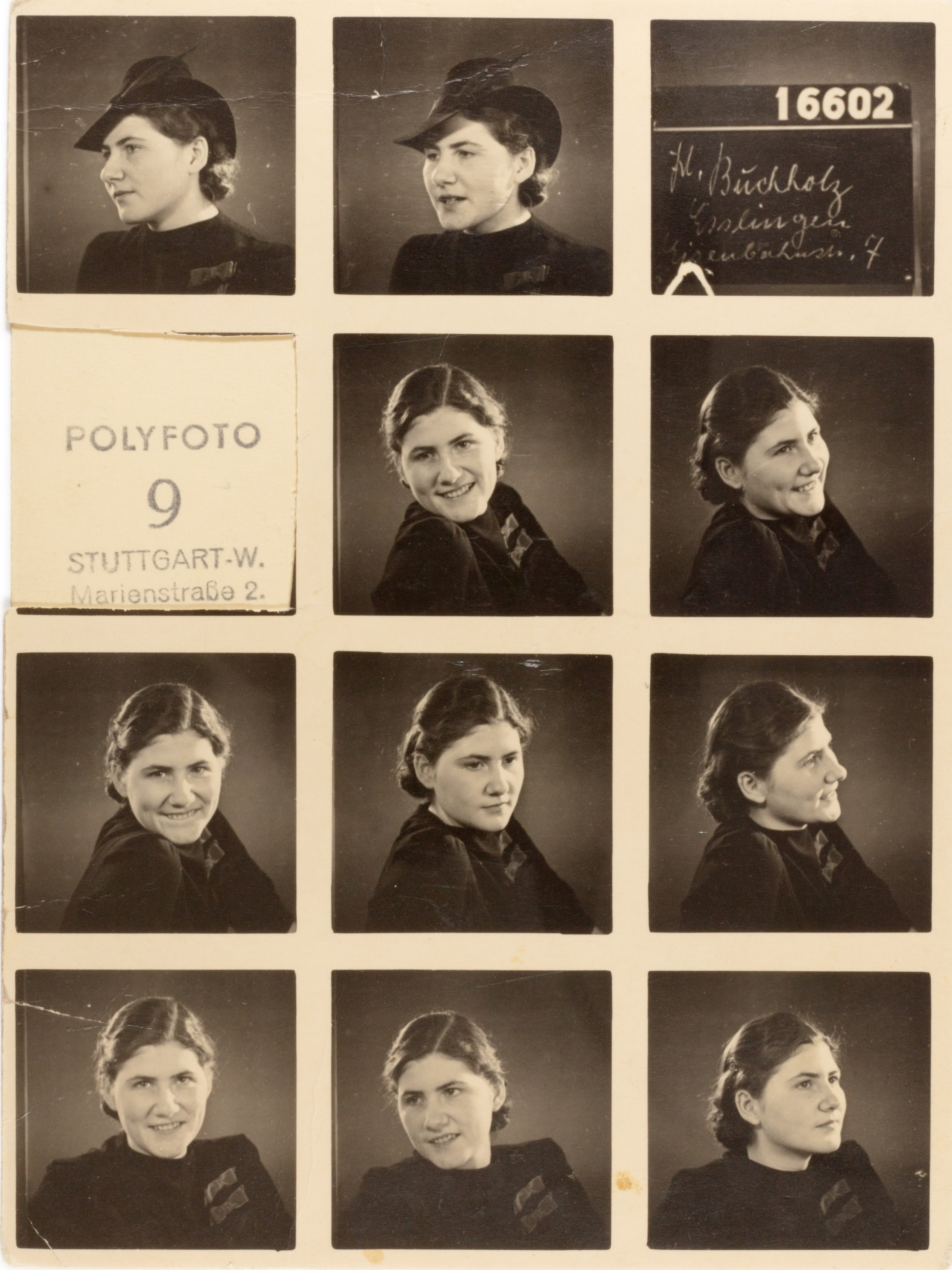
Polyfoto
Portraits in series
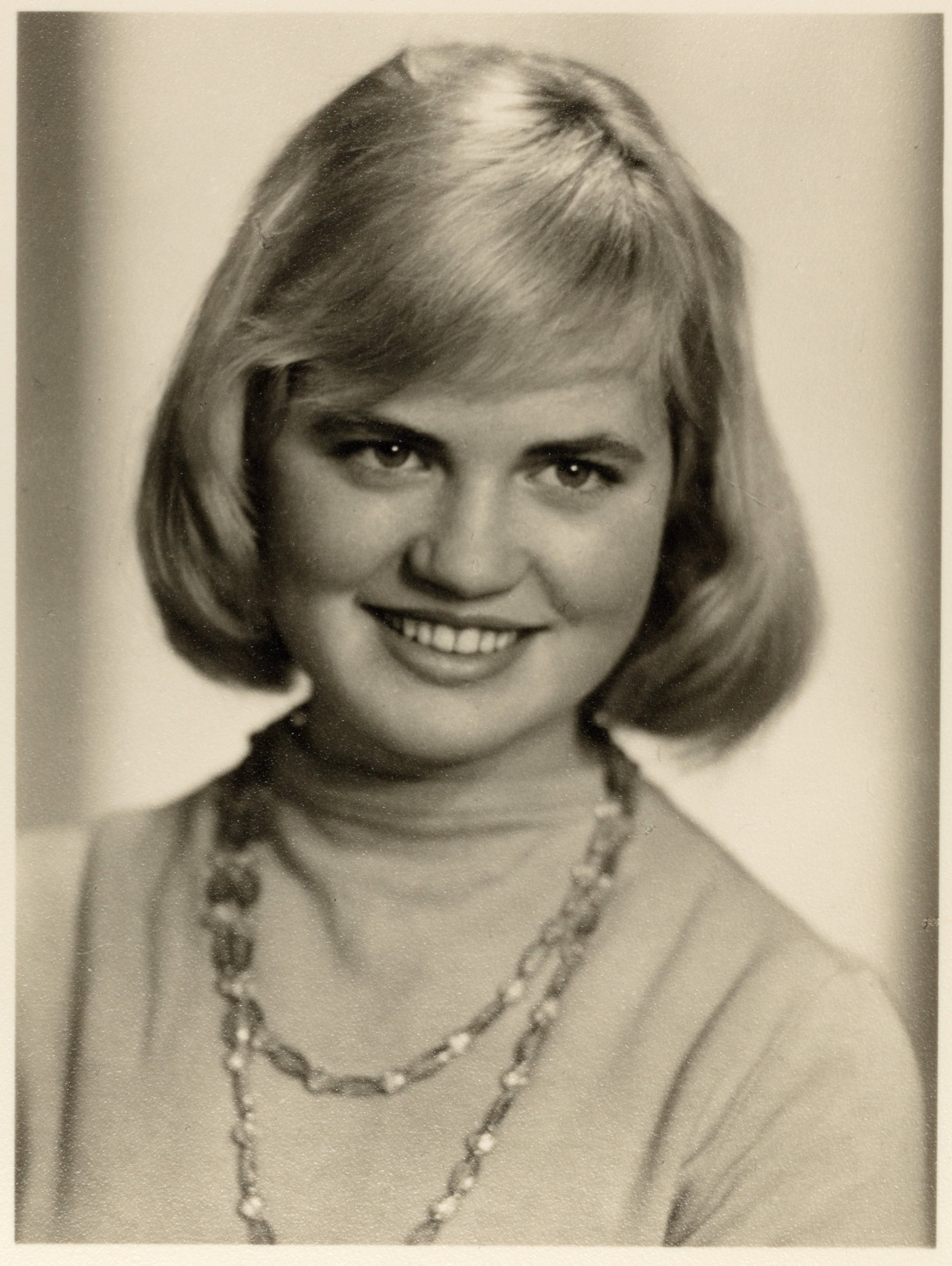
Foto-Hartmann
Hannover 1962/63
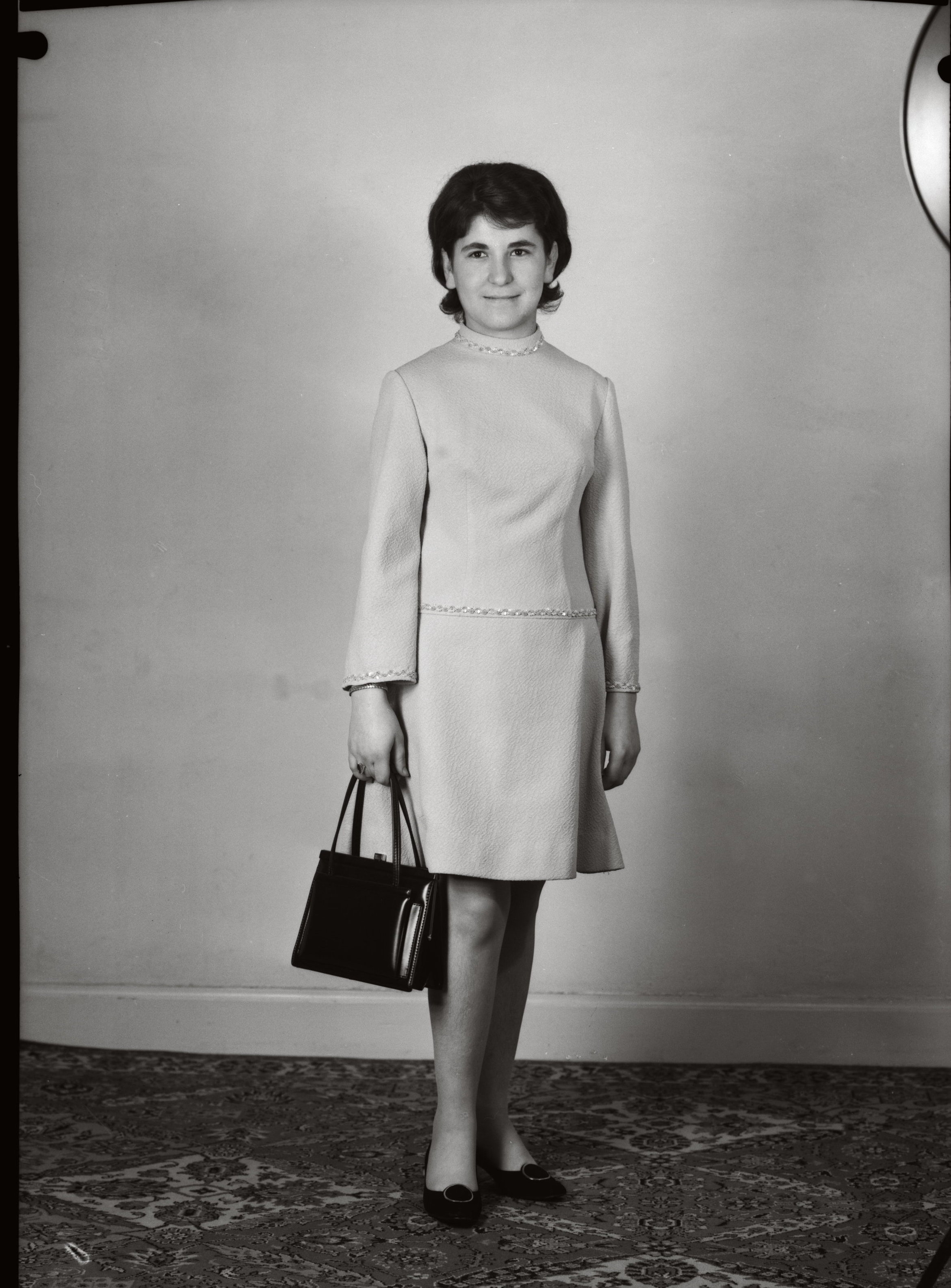
Unknown photo studio
1960s
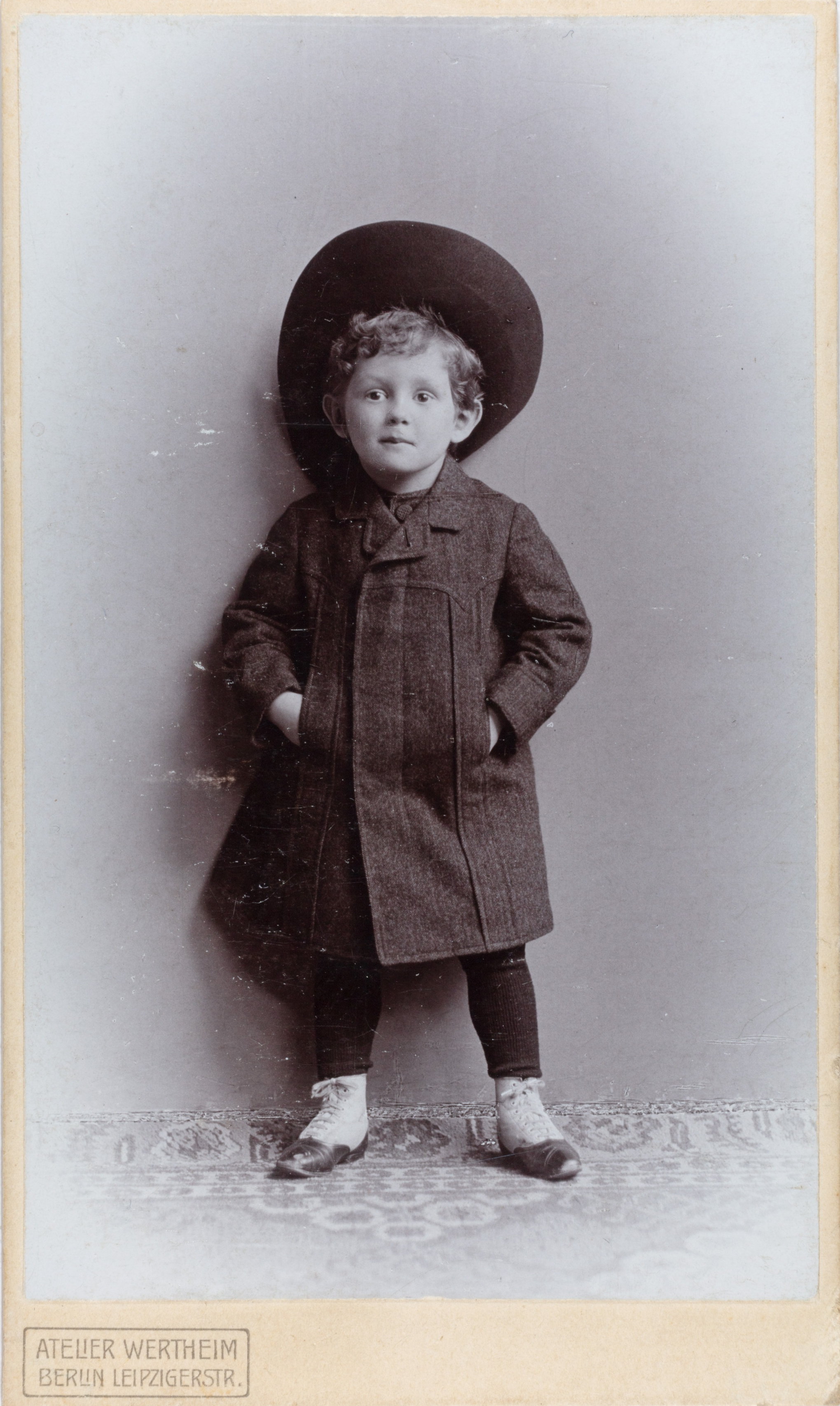
Department-store portraits
Jandorf, Tietz and Wertheim 1898–1933
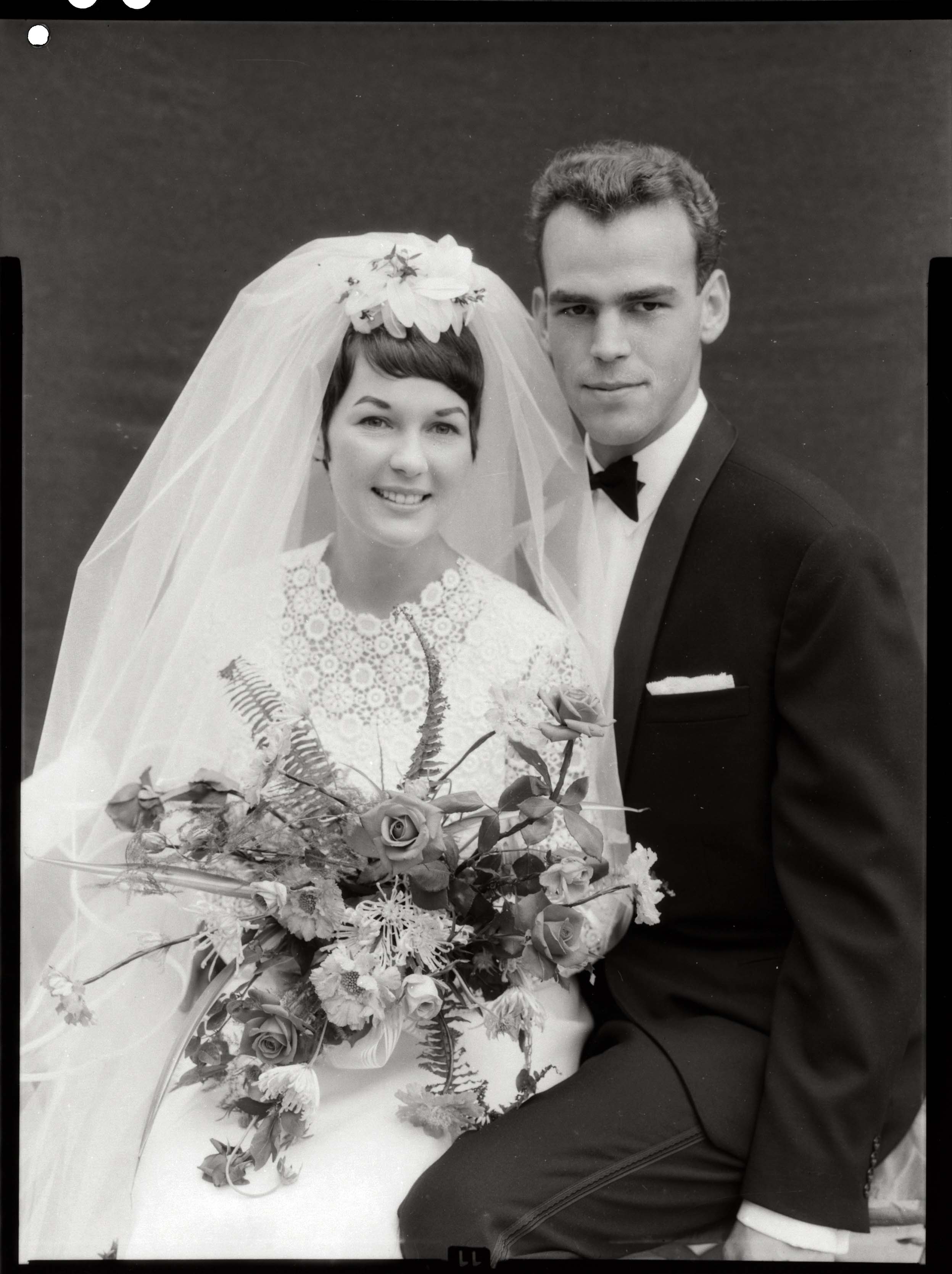
Rudolf Ehlers
Wedding photography from Braunschweig
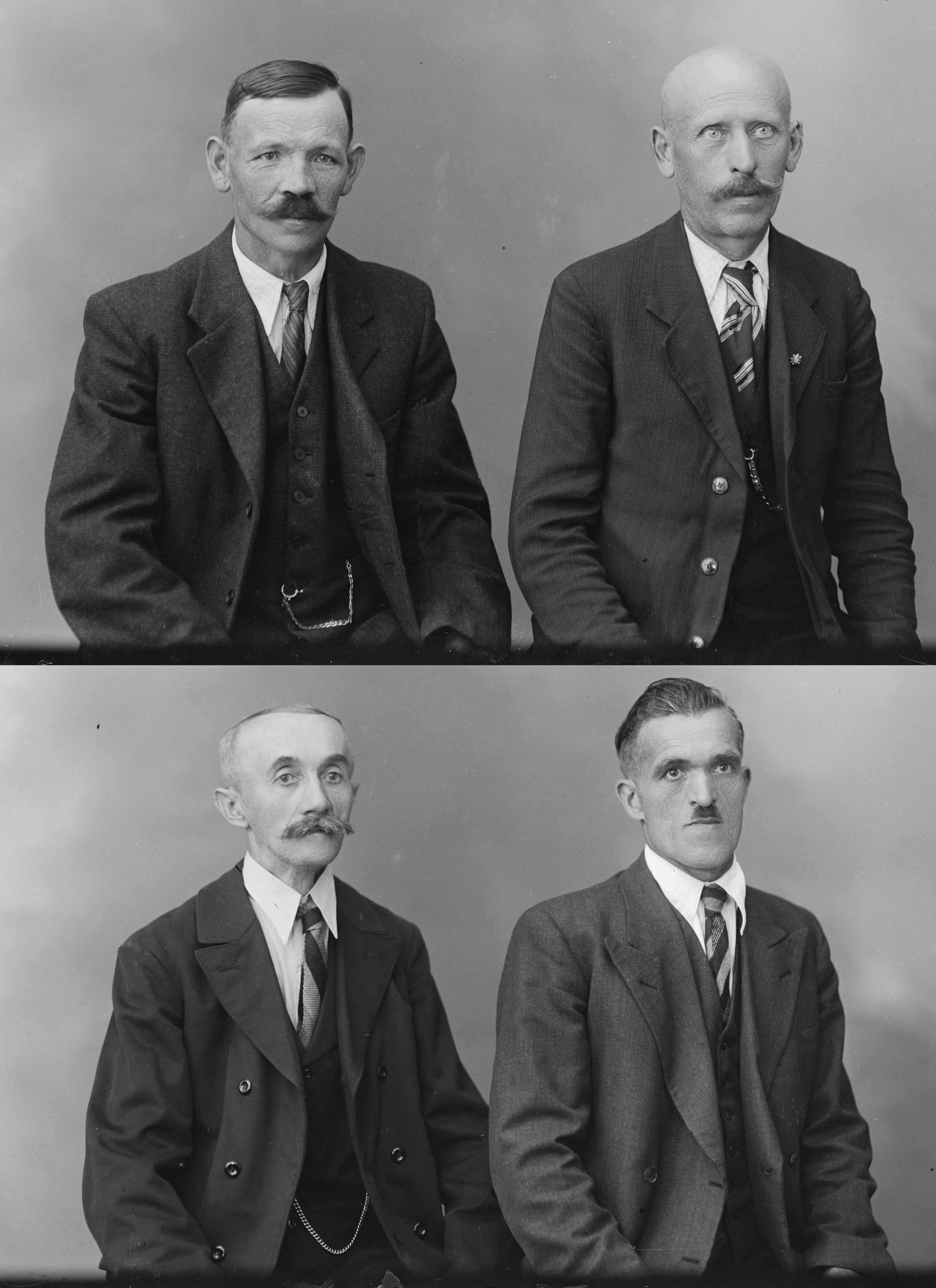
Unknown photo studio
1930s
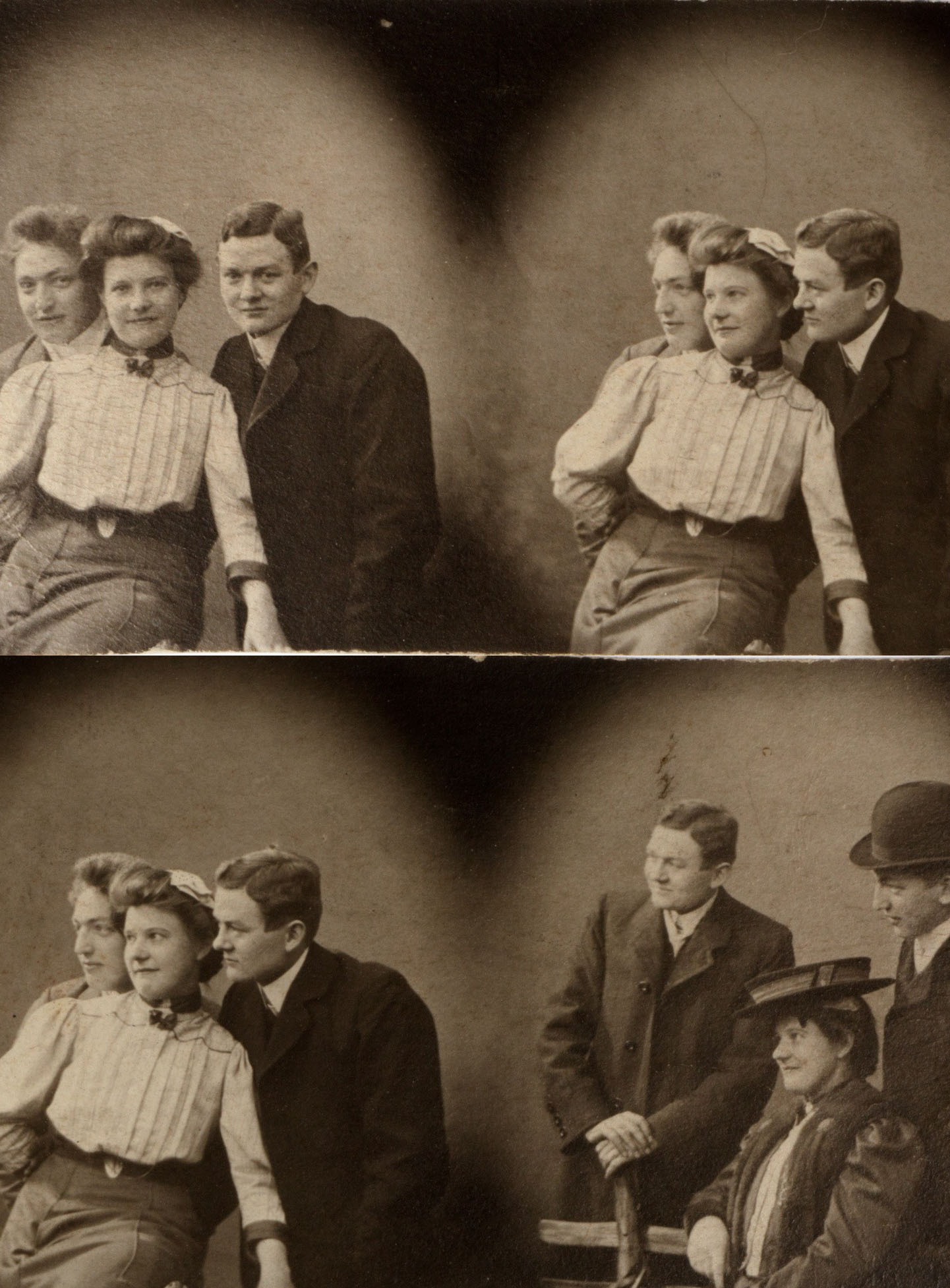
Sequences
Portrait and image sequences · c. 1900 and 1932
Fast photography
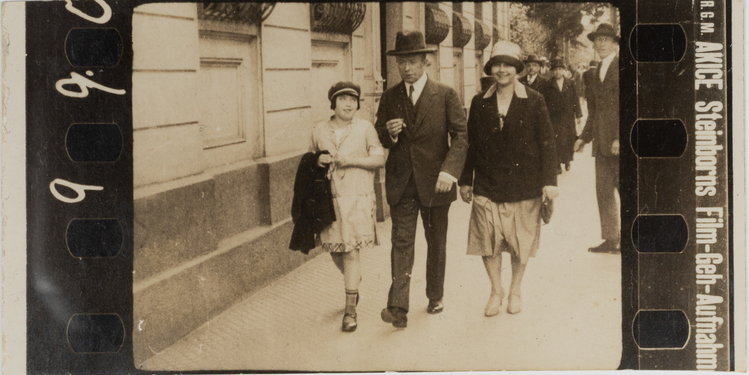
Walking-film photographs
Commercial street photography of the 1920s.
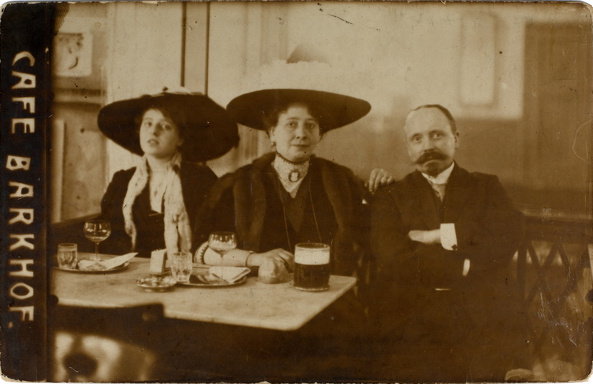
In cafés and taverns
Fast photography in cafés and taverns.
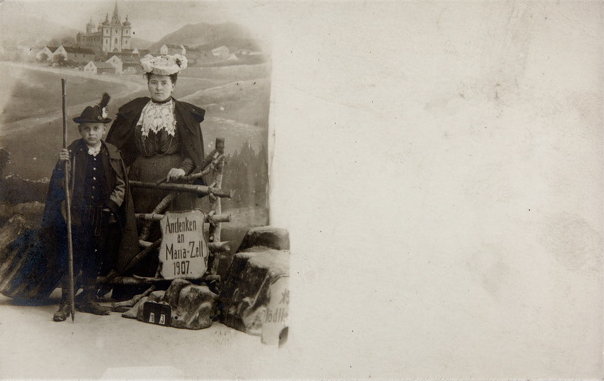
Mariazell
Pilgrimage and souvenir photography.
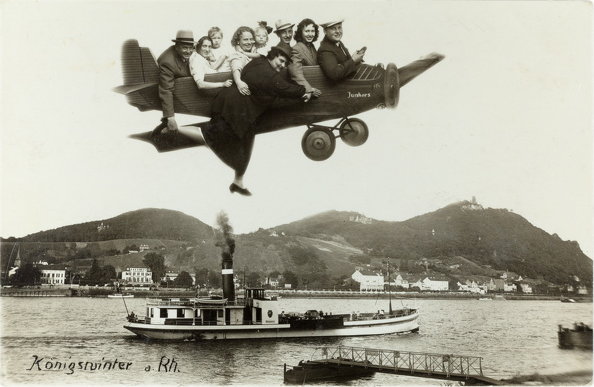
Drachenfels
Tourist photography on the Rhine.
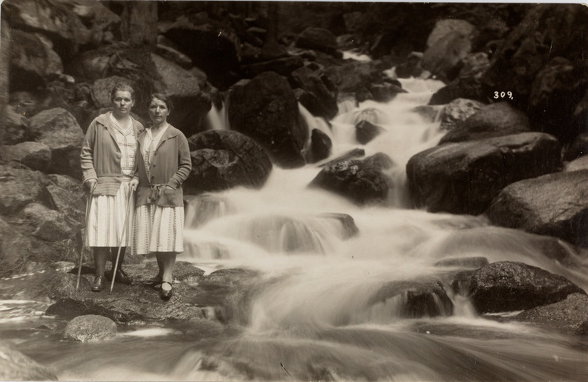
Excursions
Souvenir photographs from excursion destinations.
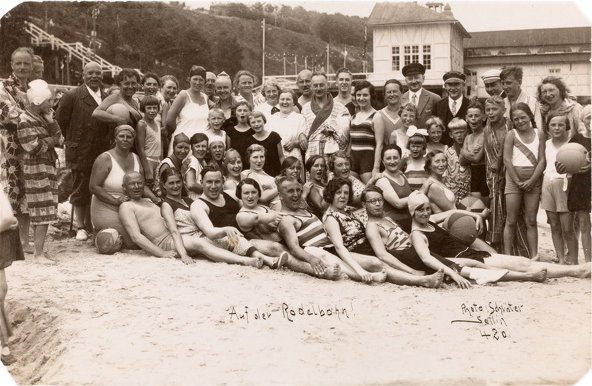
Beach photographs
Fast photography at the beach.
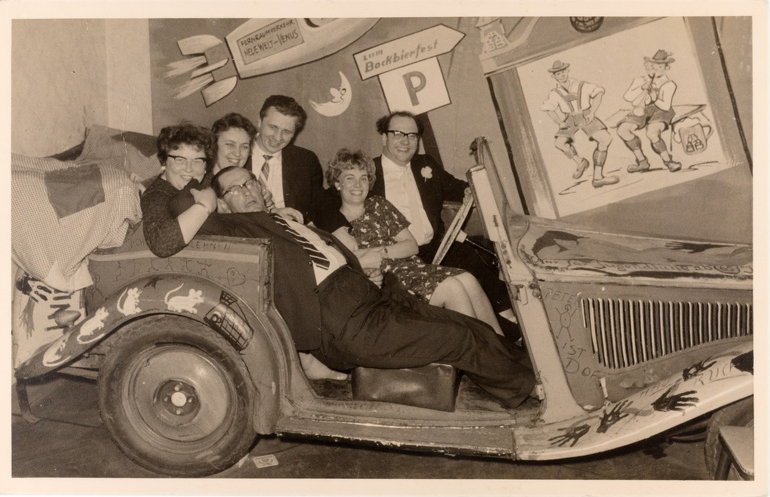
Posing with the automobile
Car backdrops and social photographs.
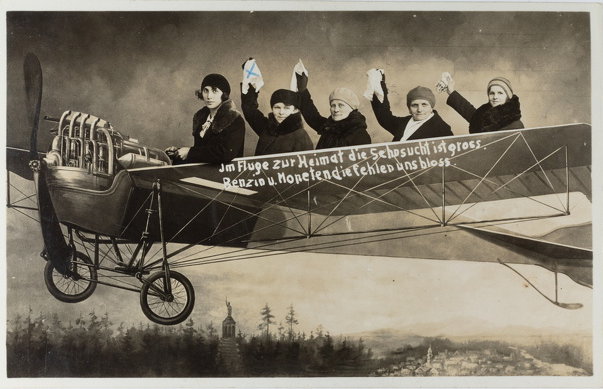
Comic pictures / photomontages
Staged quick photographs and montages.
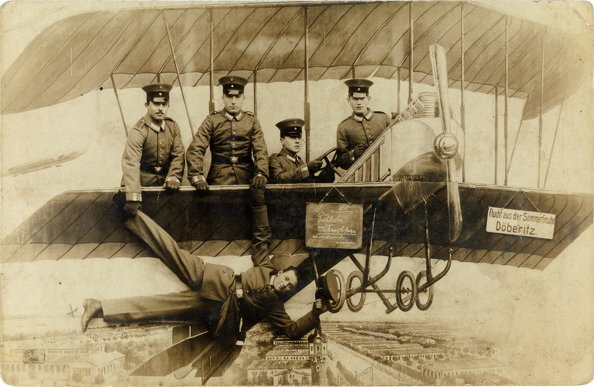
Comic pictures for soldiers
Humorous and staged soldiers’ photographs.
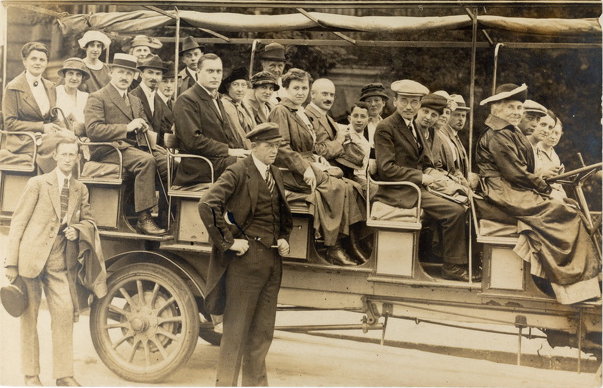
City tours and boat trips
Tourists before city tours and harbour trips.
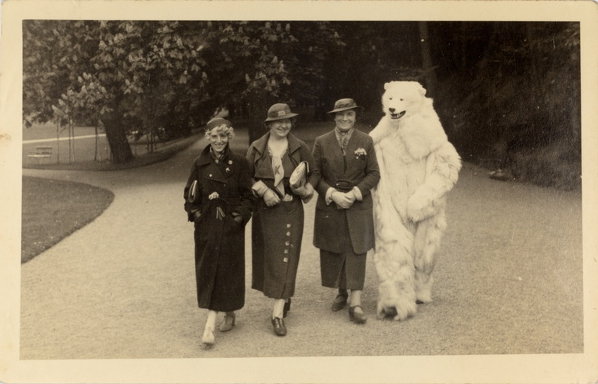
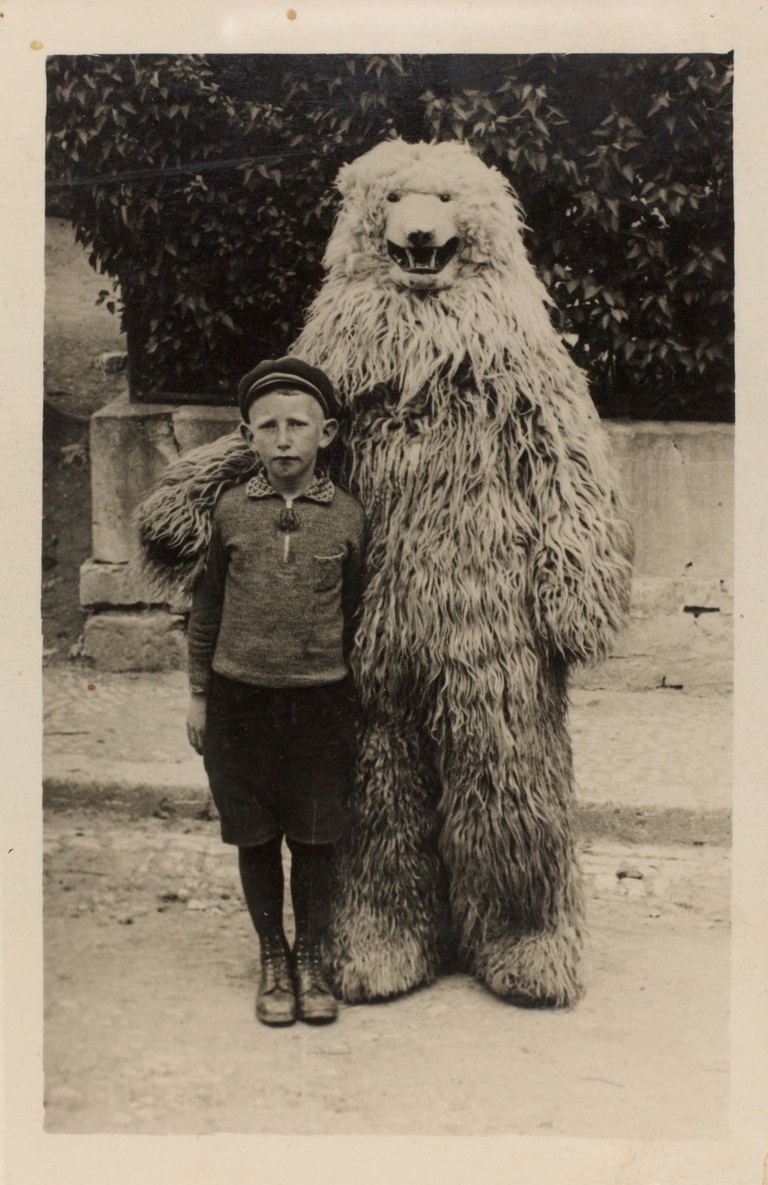
With a polar bear
Beach and walking photography with a costumed figure.
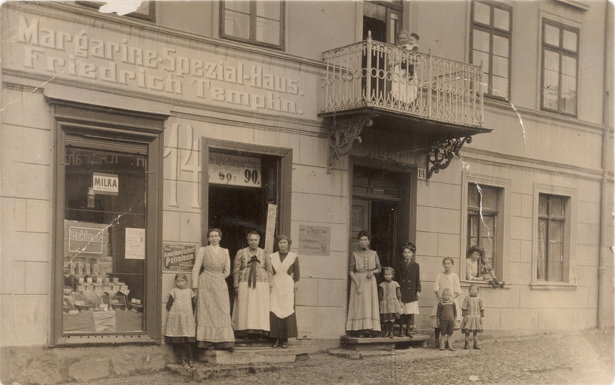
Itinerant photographers
Houses, shops and streets.
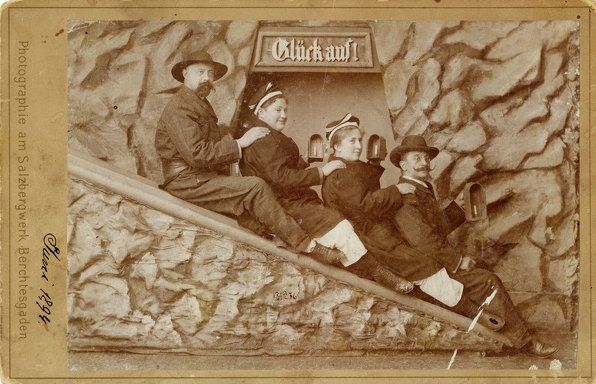
Berchtesgaden salt mine
Tourist memory photography.
Amateur photography
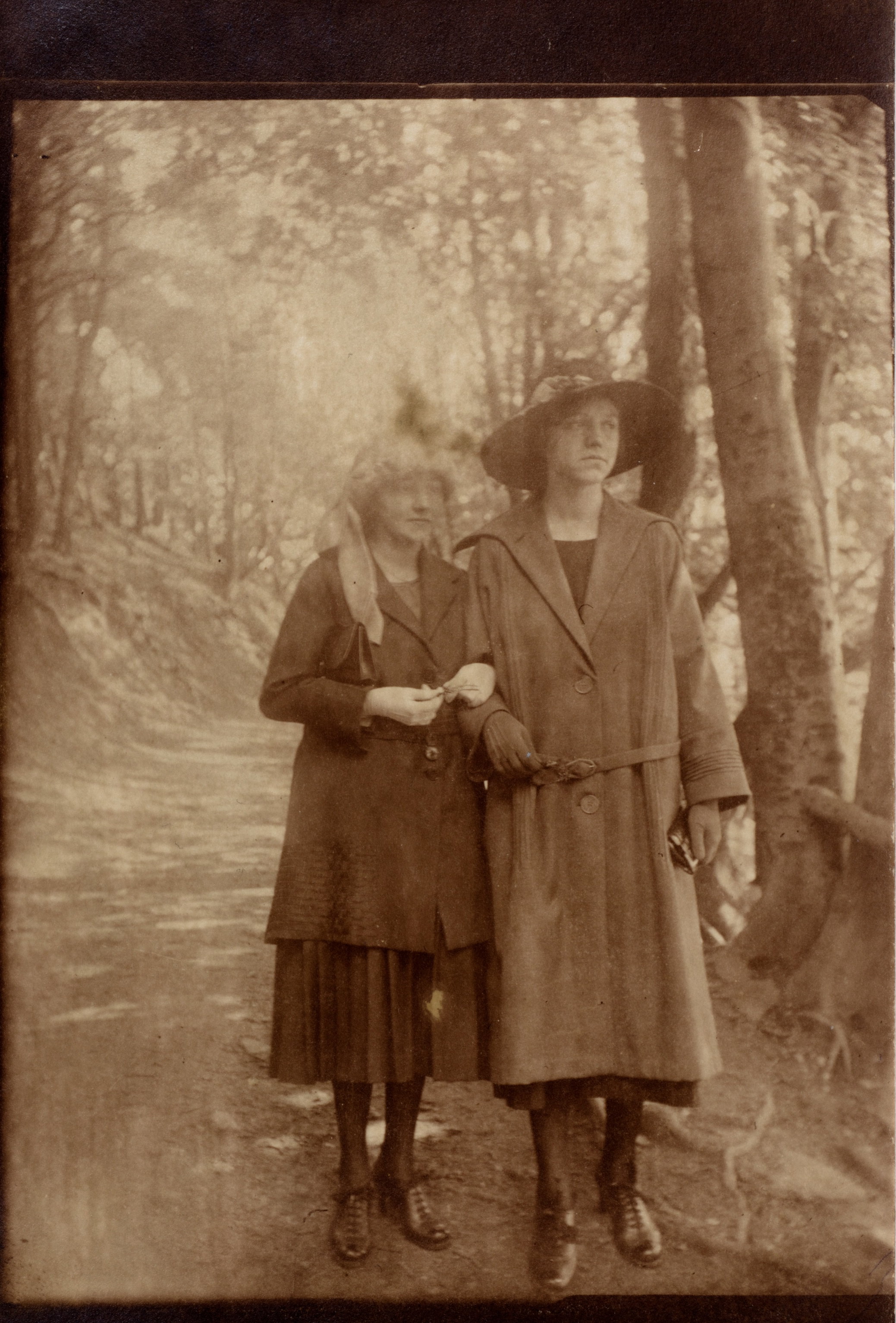
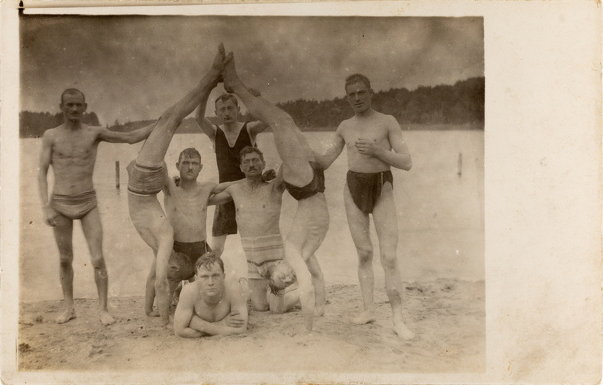
Postcard format
Amateurs and itinerant photographers.
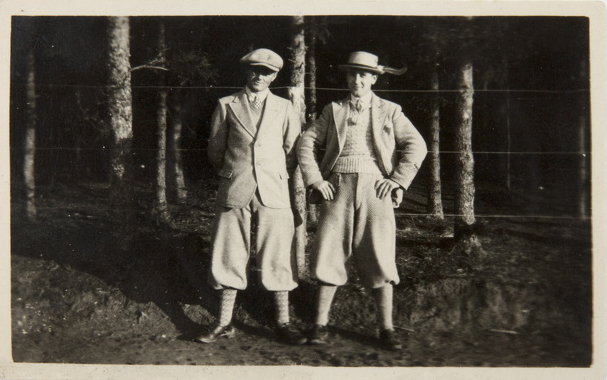
At home and on the road
Private images of everyday life.
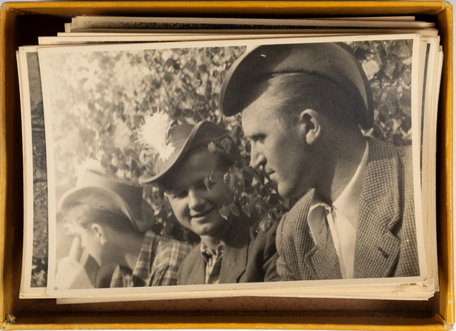
Ascension Day 1954
Excursion and leisure culture.
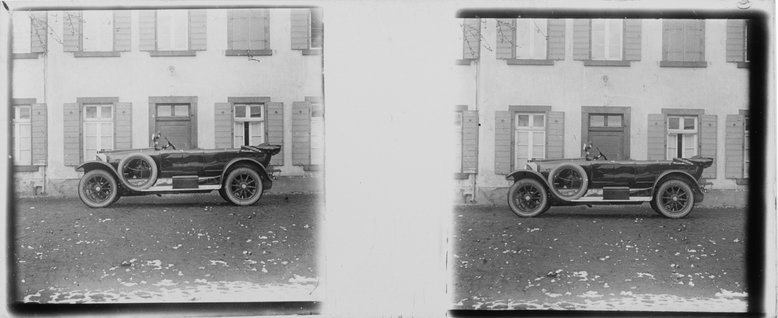
Stereo photographs
Three-dimensional amateur photography.
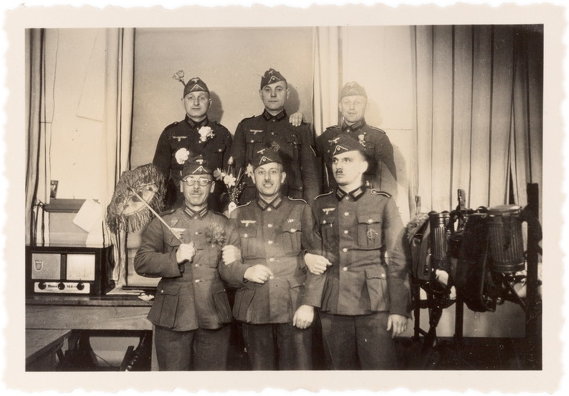
Soldiers in the Second World War
Private wartime photography.
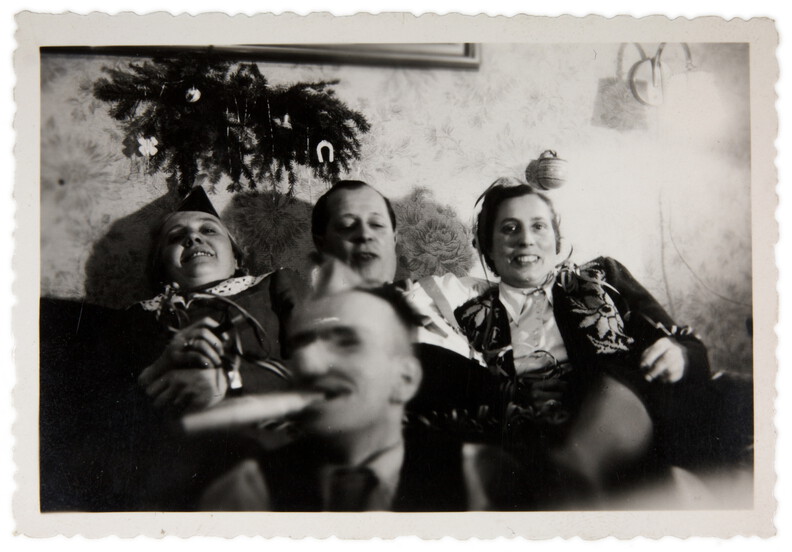
Party
Private celebrations and social gatherings.
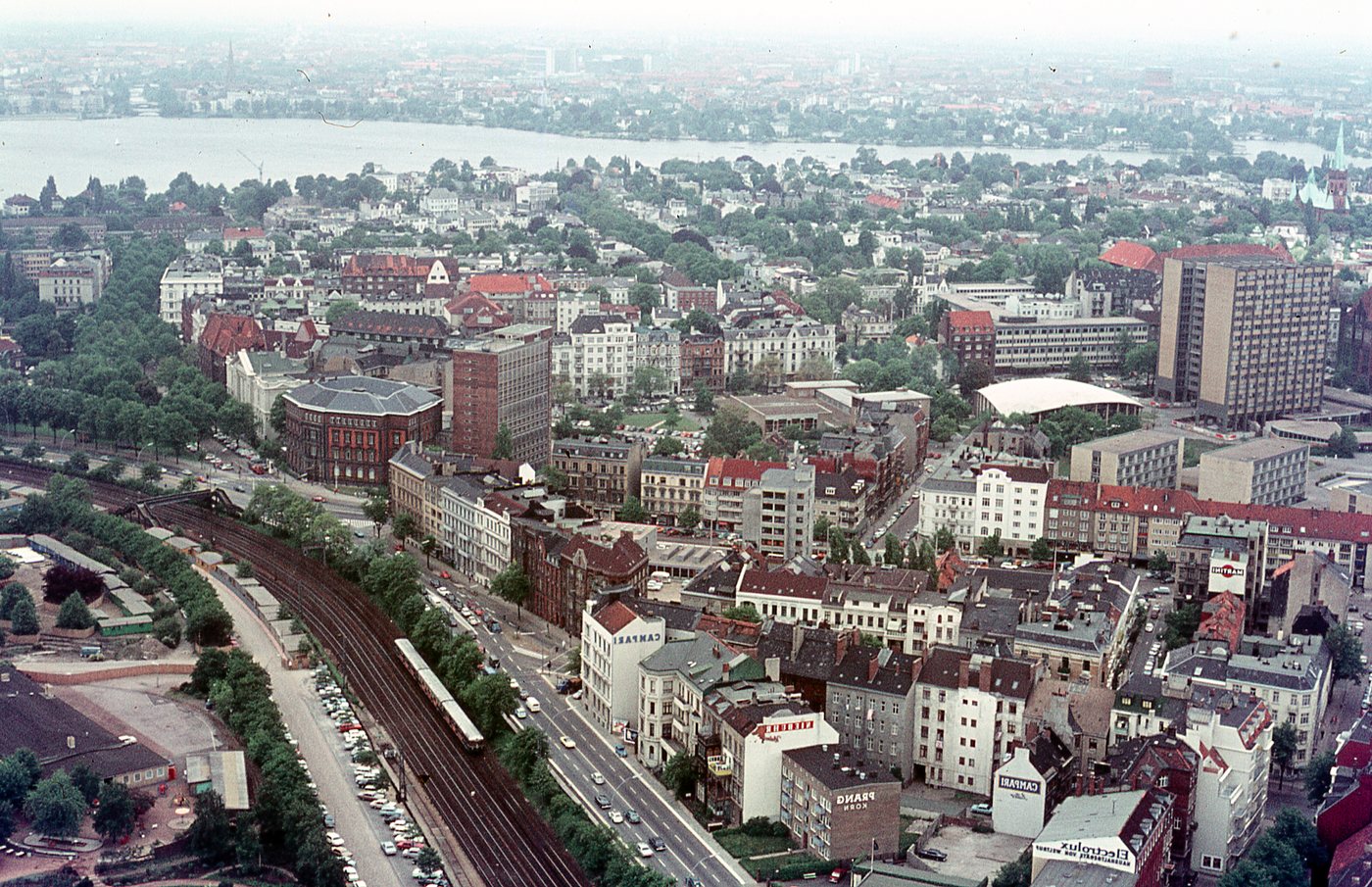
The Outside View
Chilean travel photographs in Germany.
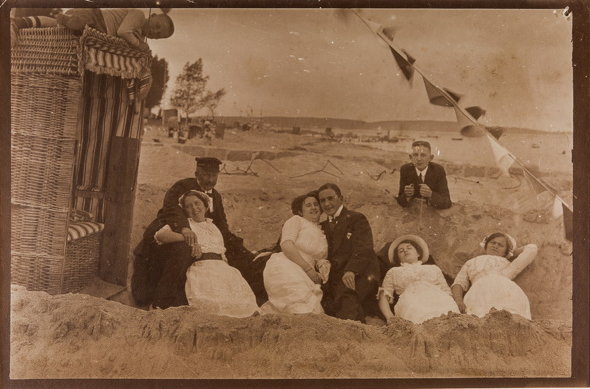
Wilhelm Senger
Amateur photographer in Hamburg.
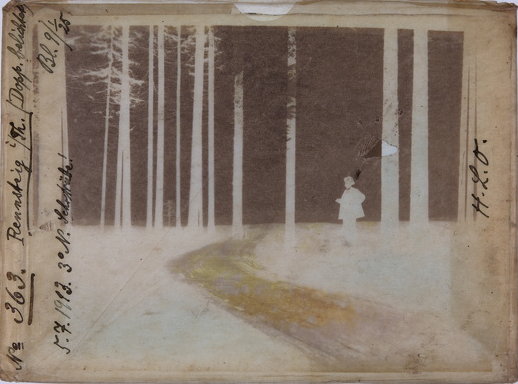
Glass plates
Unknown amateur photographer.
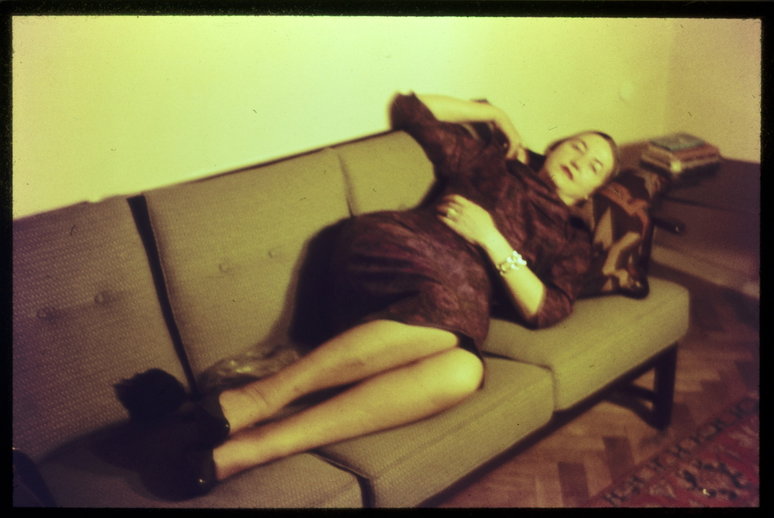
Colour slides from Essen
1950s.
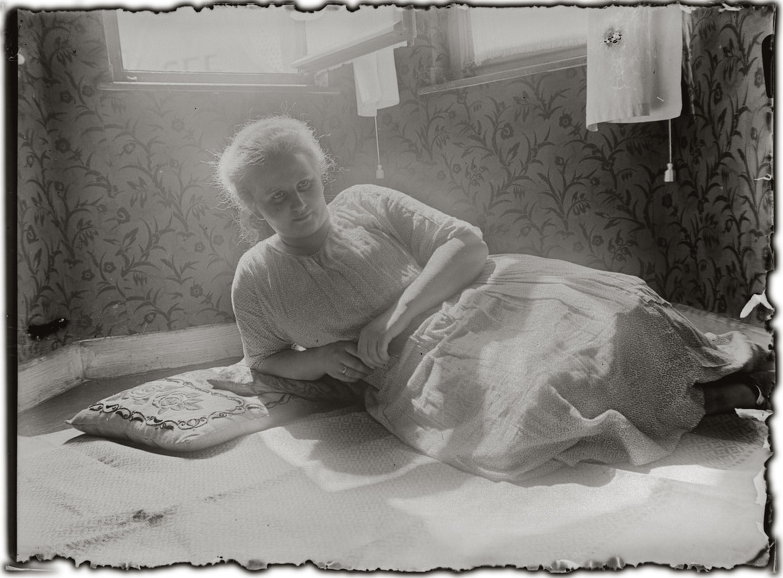
Family photographs
Ca. 1910–1930s.
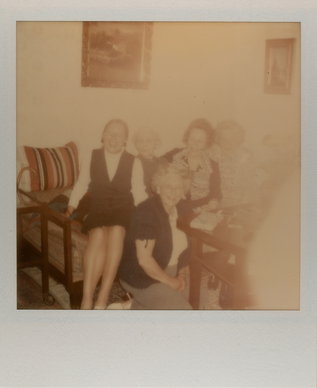
Polaroid
Instant photographs.
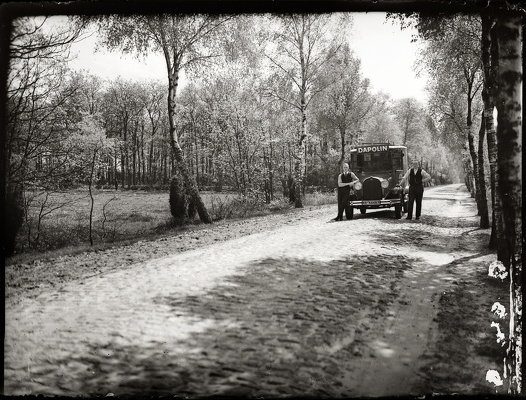
Unknown photographer
Probably Hamburg.
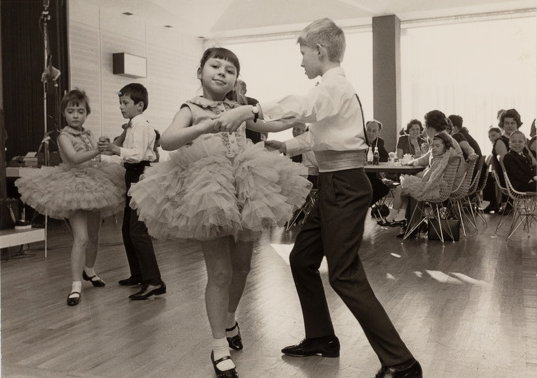
Youth dance competitions in Berlin
1960s.
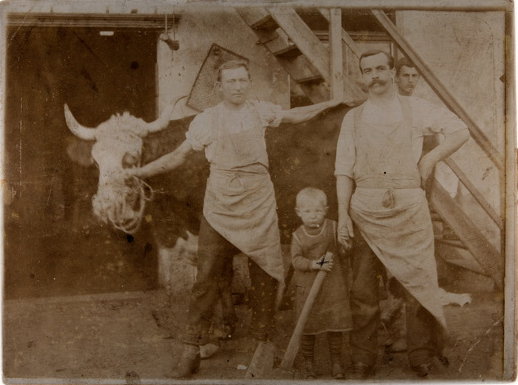
Slaughter feast
Rural everyday life.
Carte de Visite and cabinet format
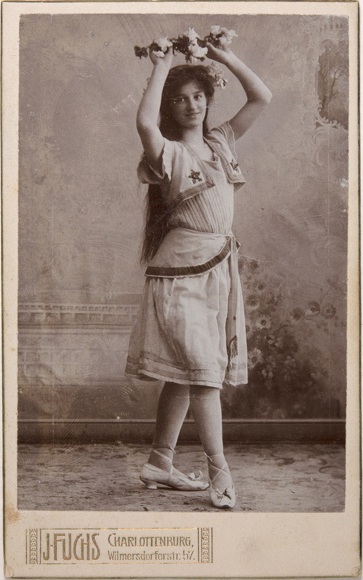
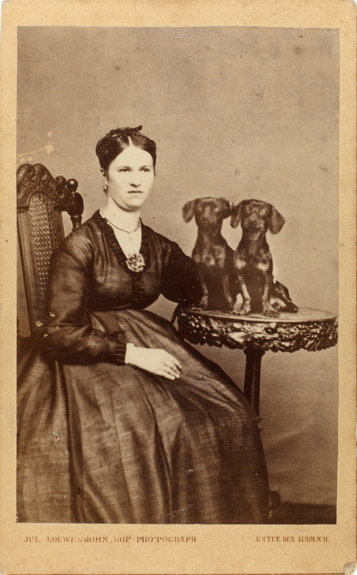
Carte de Visite and cabinet format
19th-century studio portraits.
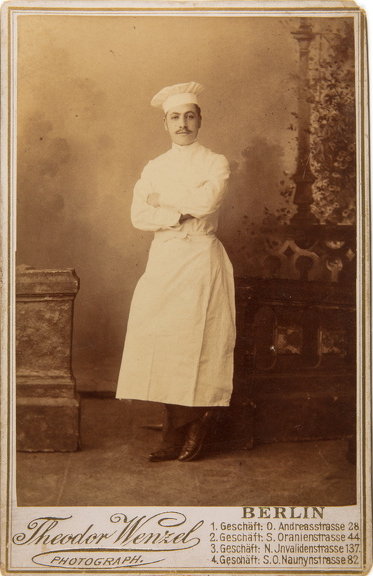
Occupations
Occupational portraits and status images.
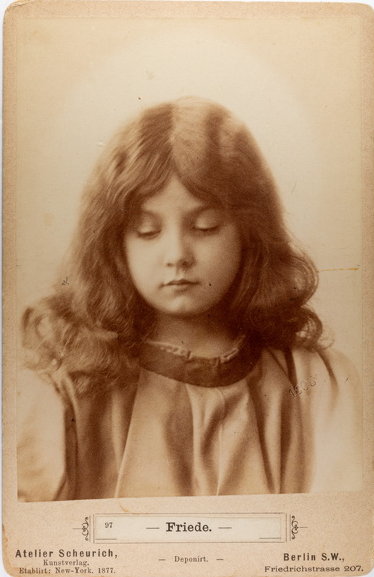
Genre photographs
Staged scenes and symbolic images.

Traditional costumes
Regional clothing in studio portraits.
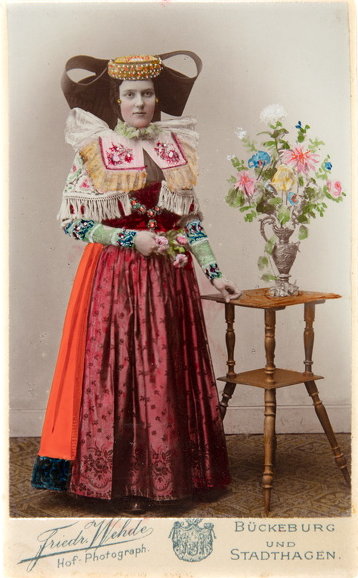
Bückeburg traditional dress
Studio photography and regional costume · c. 1880–1910
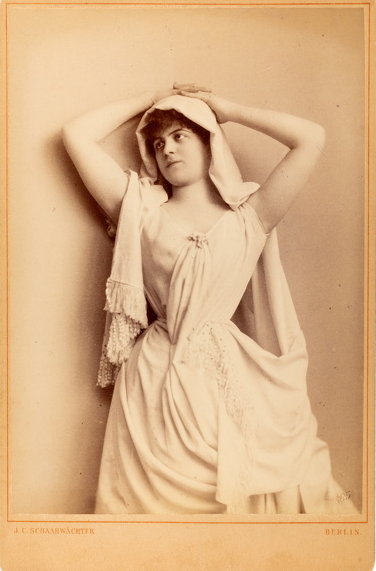
In costume – actors
Stage, role and photographic staging.
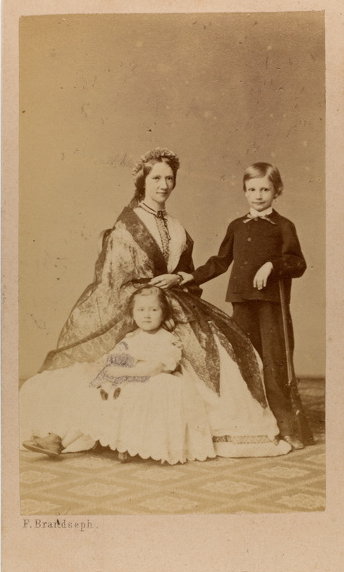
Brandseph Stuttgart
Studio photography from Stuttgart.
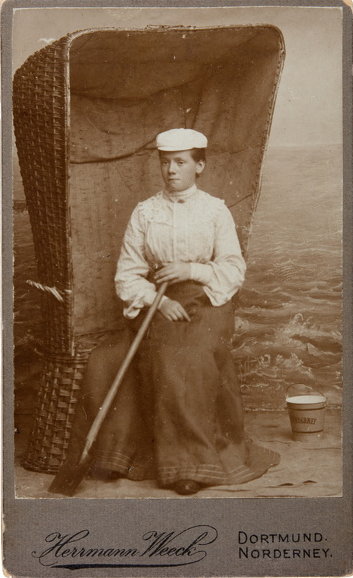
At the beach
Seaside resort, holiday and studio backdrop.
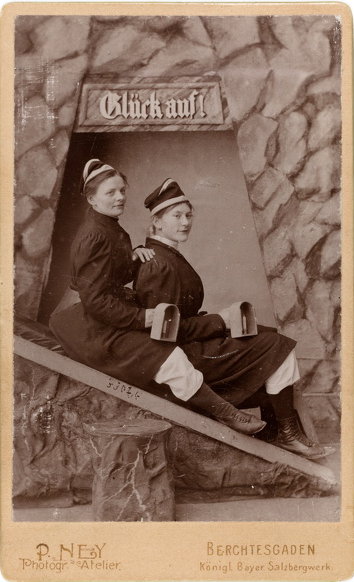
Berchtesgaden salt mine
Tourist memory photography.
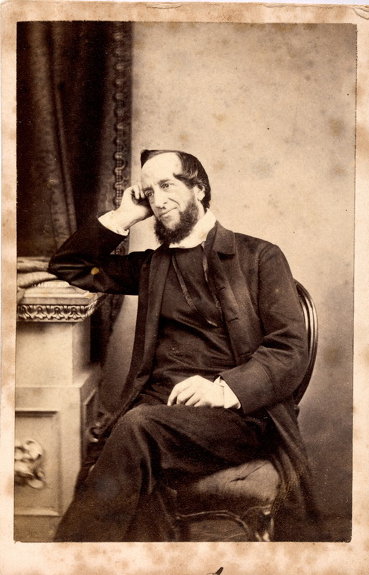
Victorian
British cabinet and studio portraits.
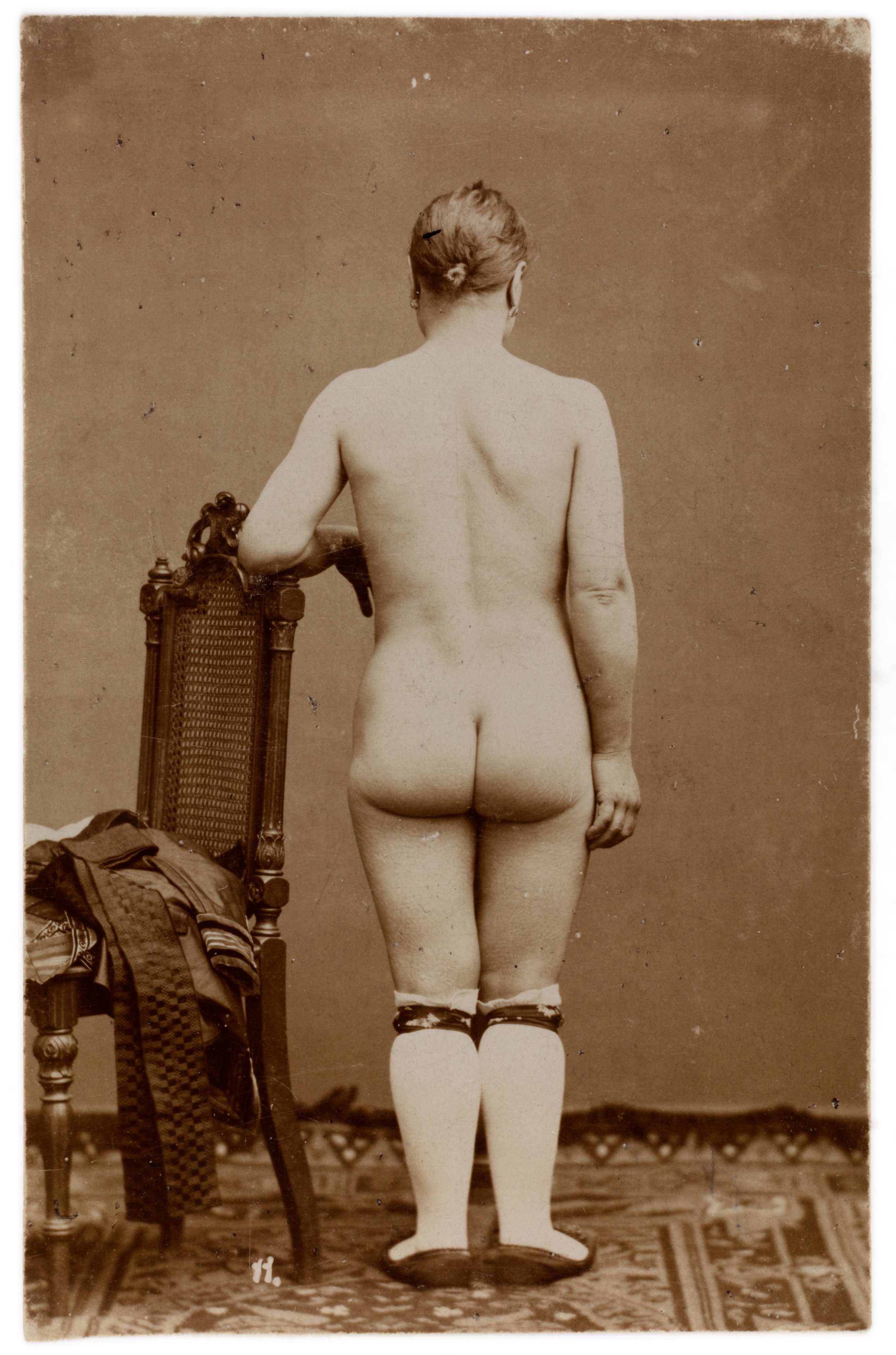
Undressing scene of a woman from Altenburg
ethnographic study · c. 1875–1885
Documents of analogue photography
HistoricBits is a growing digital collection of historic photographs. It focuses on images that are often overlooked: commercial photography, amateur photographs, local press images, studio photography, photo-booth pictures, fast photography and other forms of vernacular photography.
The significance of seemingly banal photographs
Many of these photographs were not made as art and were not intended to document history — and yet today they do.
They were made to preserve memories, offer services or run a photographic business. It is precisely this directness that makes them important sources today.
They show everyday life, work, leisure, clothing, places, social relationships and forms of self-representation that are often missing from official records.
At first glance, such images can seem banal. But their value often emerges only in the context of larger collections. Then apparently ordinary photographs become historical documents. They reveal how people lived, what towns and villages looked like, how society changed and what traces everyday life left behind.
HistoricBits is therefore a practical attempt not only to collect photographic estates and endangered image collections, but to bring them back into use. Many photographs disappear not because they are worthless, but because no one knows anymore what they mean, where they belong or what should happen to them. They lie in cellars, attics, editorial archives, house clearances and flea markets, or eventually appear on eBay. Often they are still there, but their context is already at risk.
The project follows three simple steps: view, preserve, make visible.
Viewing means recognizing stories in photographs that may at first seem unremarkable. What forms of images are there? Who made them? What context do they come from? What do they tell us about a period, a place, a business model or a social situation?
Preserving means protecting endangered collections from disappearing. It is not only about keeping individual images. Negatives, contact sheets, envelopes, captions, old ordering systems and all information that preserves the context of a collection are also important. Sometimes the first step does not require a perfect archive solution, but photographic first aid: throw nothing away, tear nothing apart, gain time.
Making visible means making rescued images accessible, findable and usable again.
A photograph in a box may be physically saved, but it remains silent. Only when images can be described, published, questioned and used by others does living photographic heritage emerge.
HistoricBits is an open field of work for this. The website combines a digital collection, database, project texts and thematic image groups.
It follows the idea of open photo archives: collections should not only be preserved, but made visible, connected and usable — for urban history, family history, research, exhibitions, publications or simply for people who discover new questions in old images.
Not every photograph needs to be saved. But many images disappear before anyone has even been able to recognize their value.
HistoricBits wants to help ensure that such photographs are seen earlier, preserved better and brought back into context.