Negative retouching - image editing with a brush and a sensitive touch
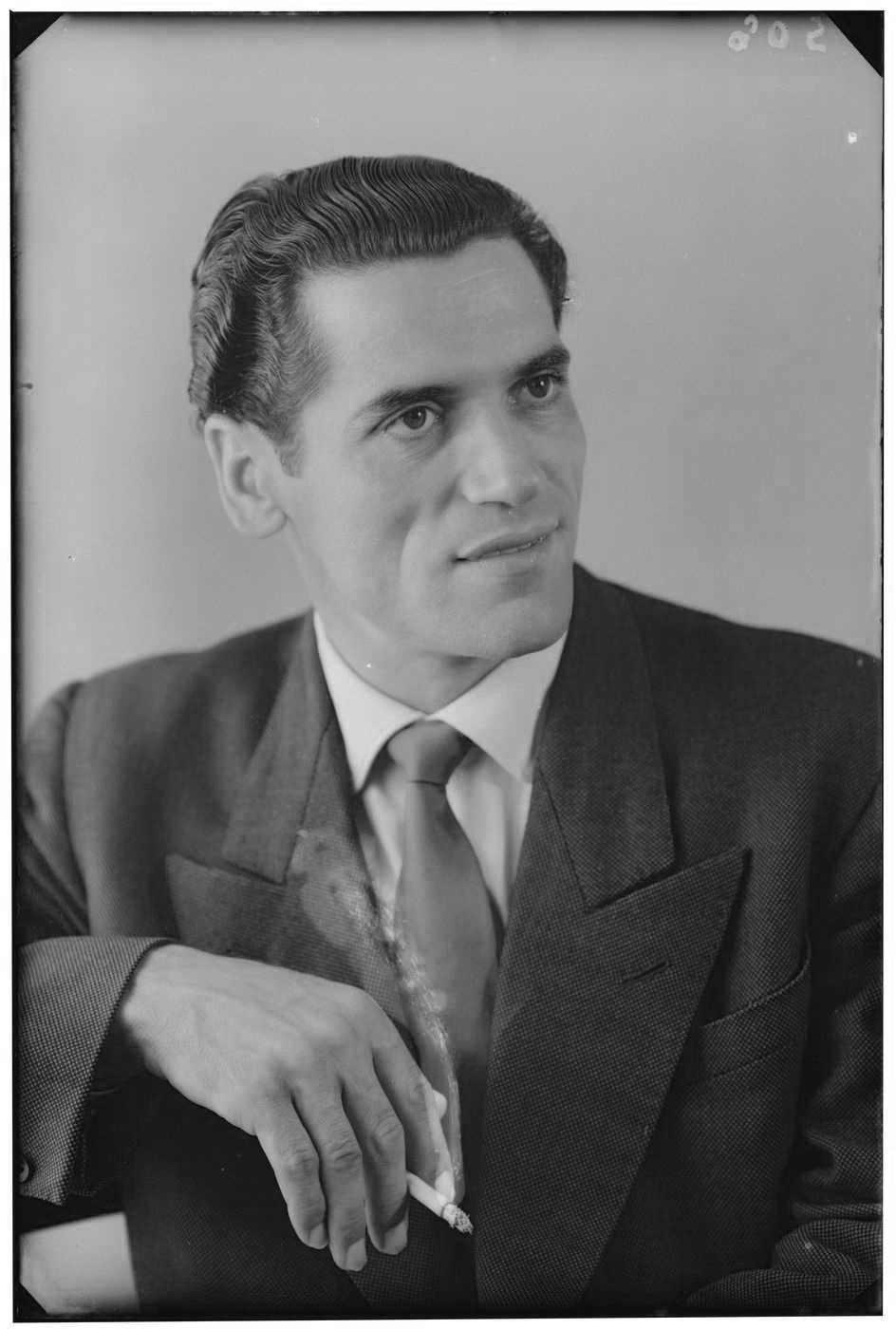
A photograph with a burning cigarette was long a popular portrait motif. It could be read as a status symbol and corresponded to a mostly masculine ideal of ease, sophistication and self-confidence. For that reason, this motif was also often requested in portrait studios. As this picture shows, the man appears elegantly and deliberately staged: in a suit, with tie, carefully arranged hair and a casually held cigarette in his hand. The bright trace above the cigarette heightens the impression of smoke, embers and urbane self-presentation.
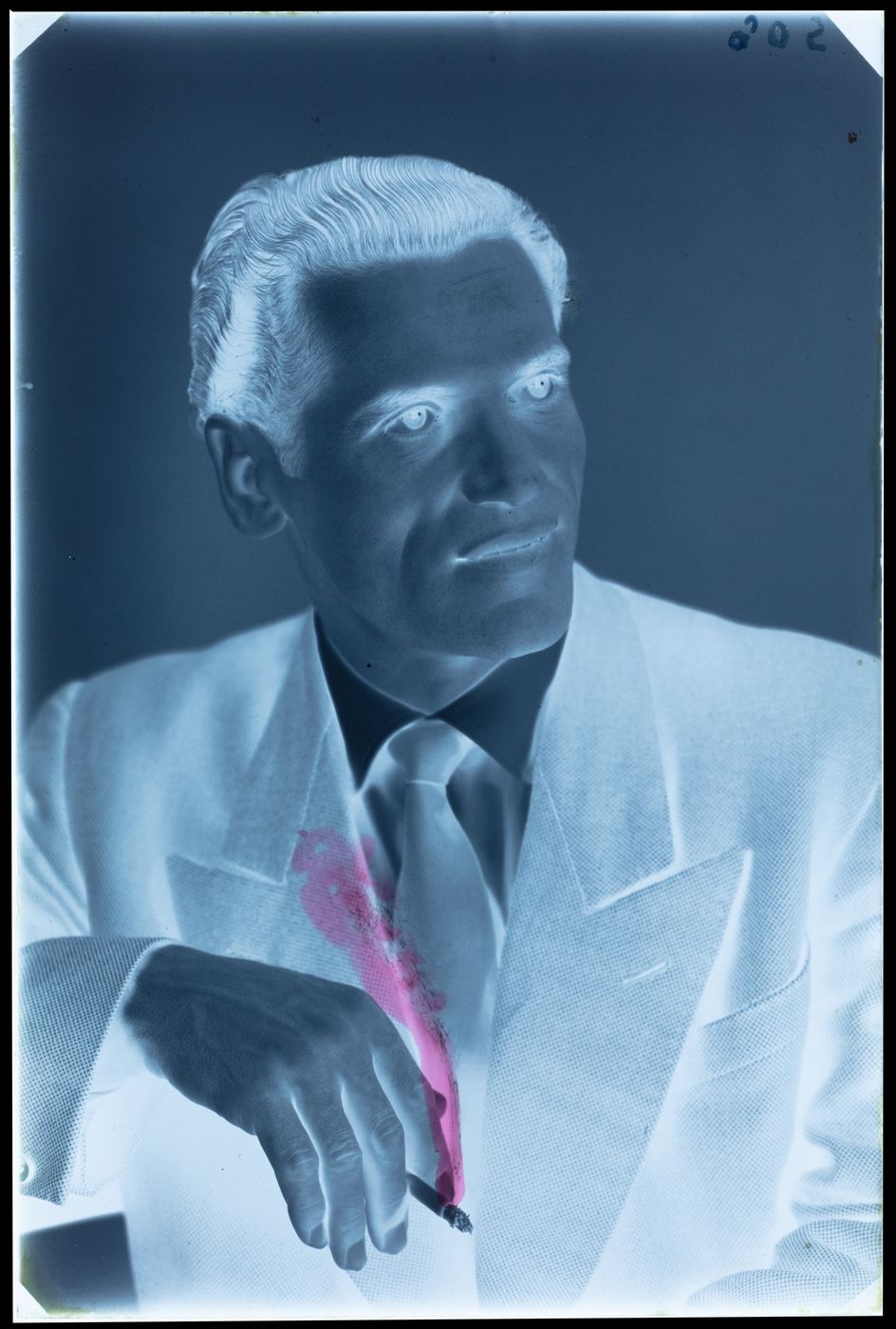
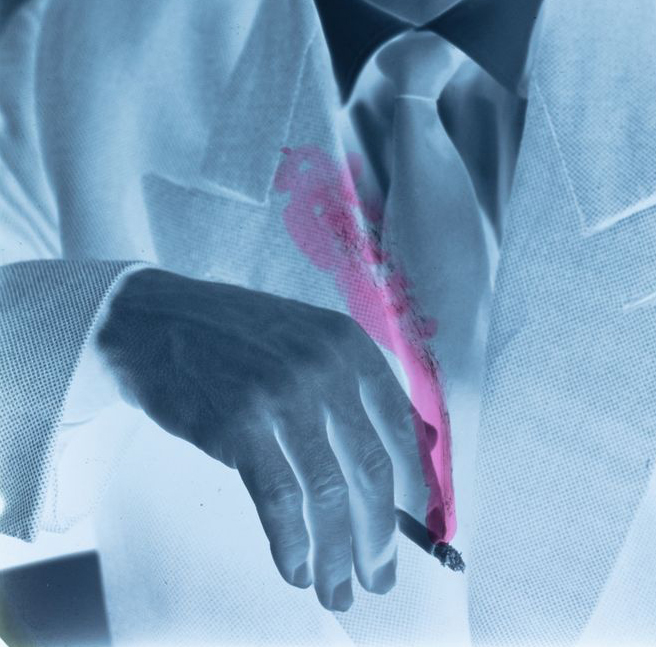
Technically, however, this was not entirely simple. Cigarette smoke, embers or a small open flame were difficult to capture convincingly with the photographic means of the time. Only a look at the glass plate negative shows that this is a handmade trick. In the area of the cigarette and the smoke, a conspicuous red glaze or masking paint can be seen.
The Red Paint - A Tool Long Before Photoshop
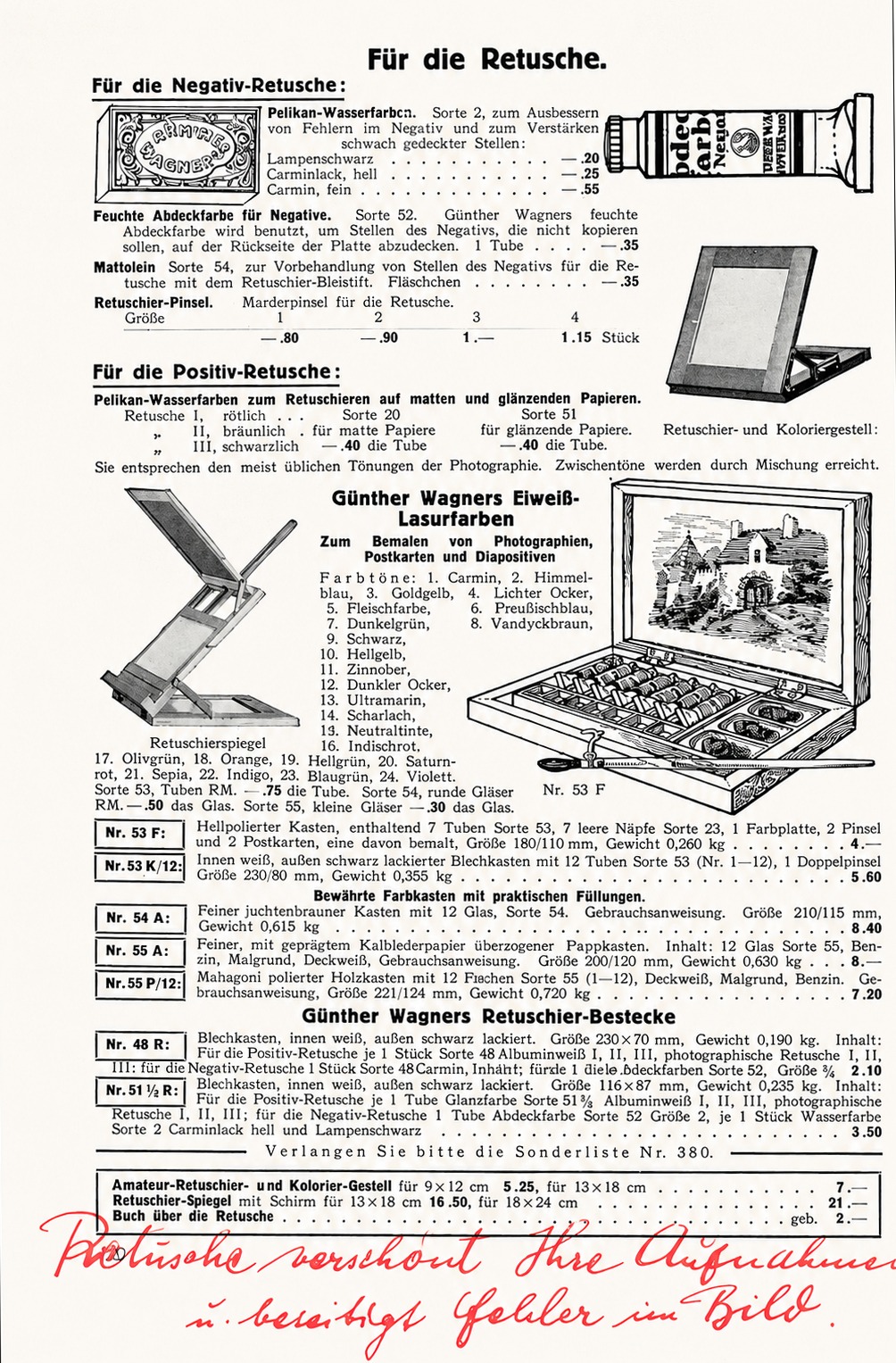
Such interventions were neither exceptional nor a modern invention. As early as the 19th century, photographic manuals described in detail how negatives were worked on with pencil, lacquer, glazes, brushes and knives. The reverse side of a glass negative was an important working surface. There, areas could be covered, weakened or scraped clear again. By the 1920s at the latest, such materials were standard darkroom supplies: catalogues offered "wet masking paint for negatives" for covering areas on the back of the plate that were not meant to appear during printing.
The red colour had a technical purpose. Many photographic papers and reproduction materials barely reacted to red light. That is why red safelight could be used in the darkroom - and why red masking paints were especially suitable for controlling particular areas during printing. What appears on the negative as a crude red trace did not appear red in the finished positive, but as a bright effect.
In this way, the glow of a cigarette, smoke or a small flame could be strengthened after the fact, or made visible at all. At first glance, the finished portrait looks like a successful photograph of a spontaneous moment. But the glass plate negative reveals the construction behind this effect: analogue image editing, long before Photoshop.