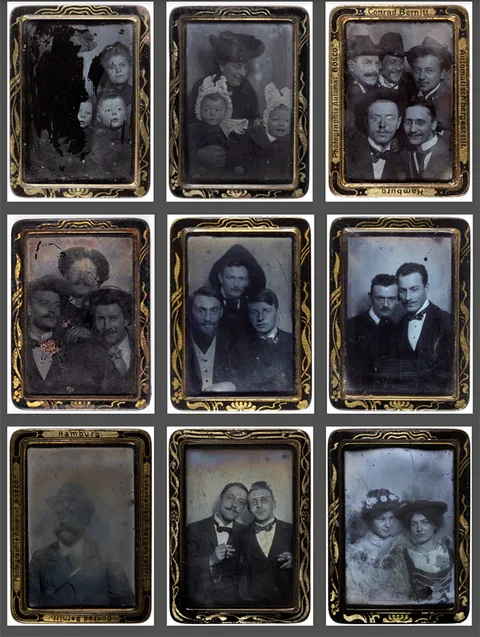
The Bosco Photographic Machine
A Magical Moment
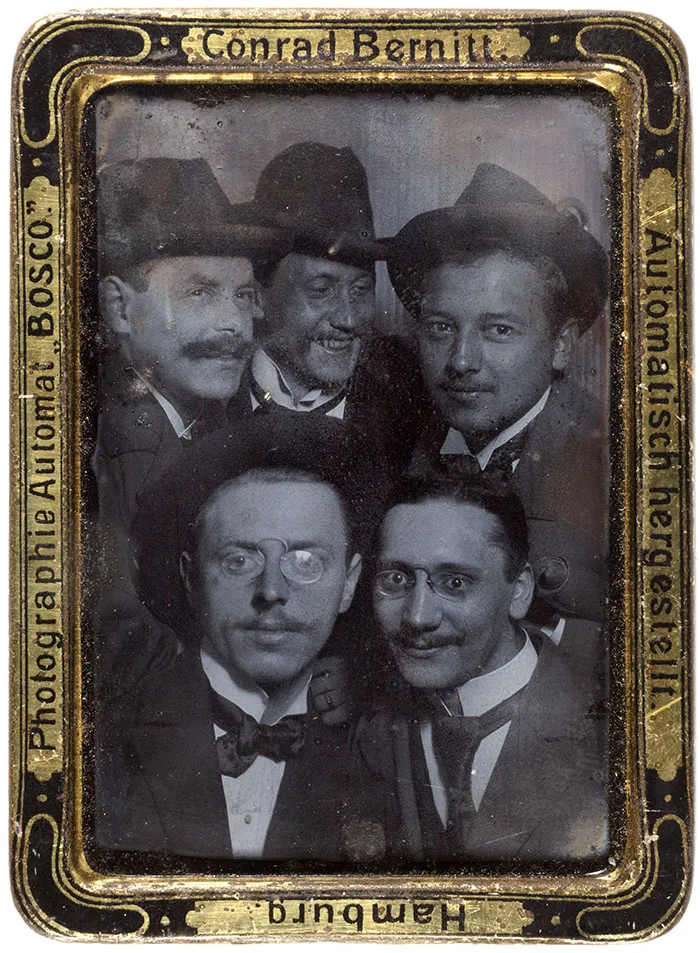
Conrad Bernitt’s ‘apparatus for automatically taking and finishing photographs’ enabled a broad public to photograph themselves for the first time, without a photographer or a studio. The photograph was produced and dispensed fully automatically in just three minutes.
The machine was called the ‘Bosco machine’ after the celebrated contemporary magician Bartolomeo Bosco, probably because the resulting photographs seemed like a conjuring trick. Bosco himself, however, had no connection with the machine.
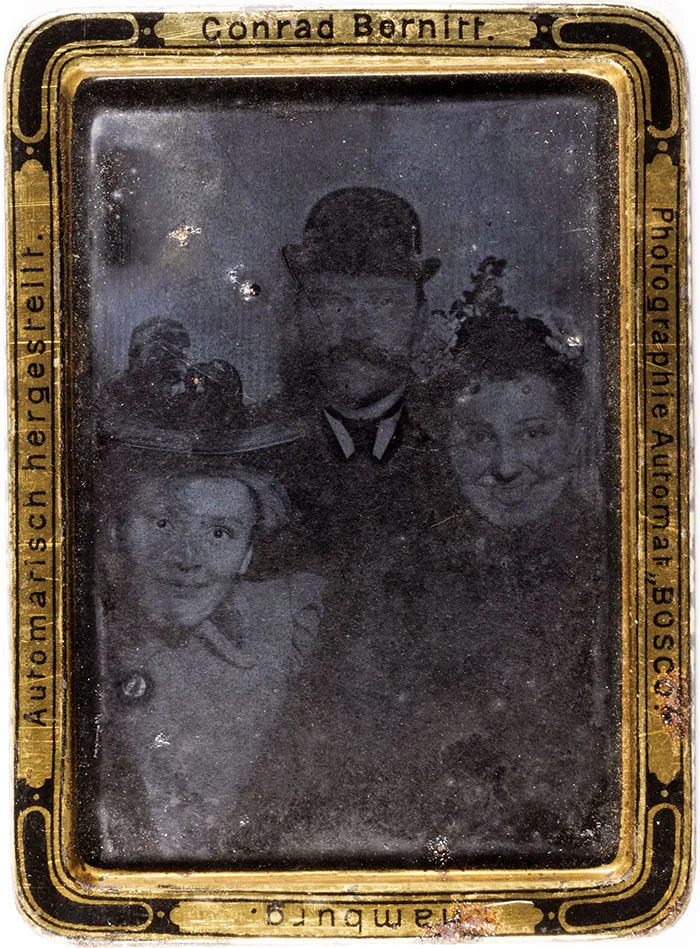
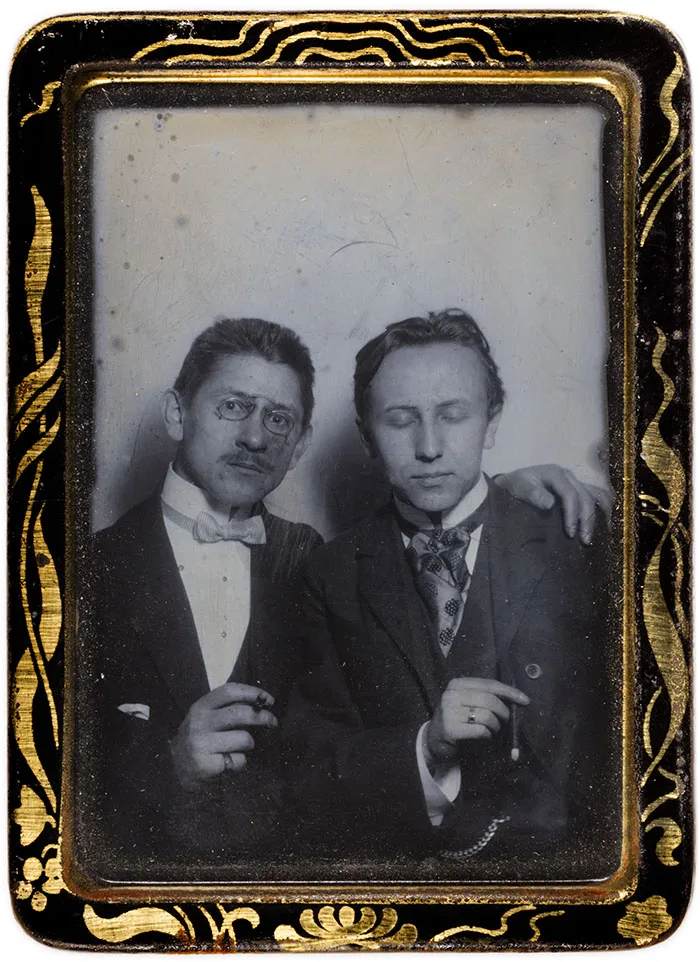
The ‘Bosco machine’ was much more than a technical curiosity: it was a forerunner of modern photo booths. Its use was often associated with special events, fairs and places of entertainment, producing spontaneous, relaxed individual or group photographs with friends and family. Cheerful groups of men are particularly common.
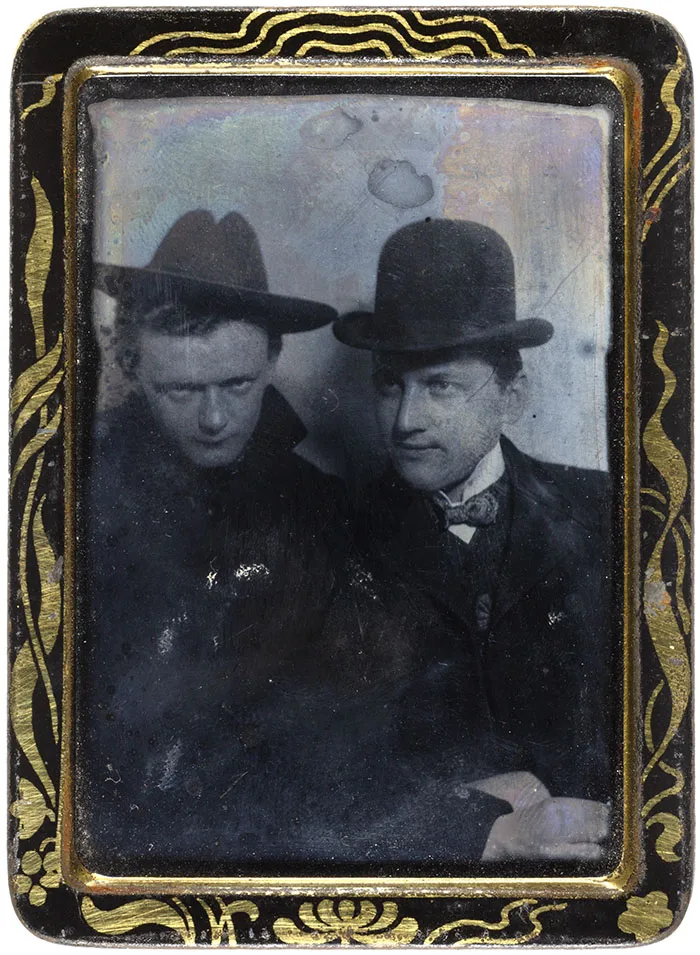
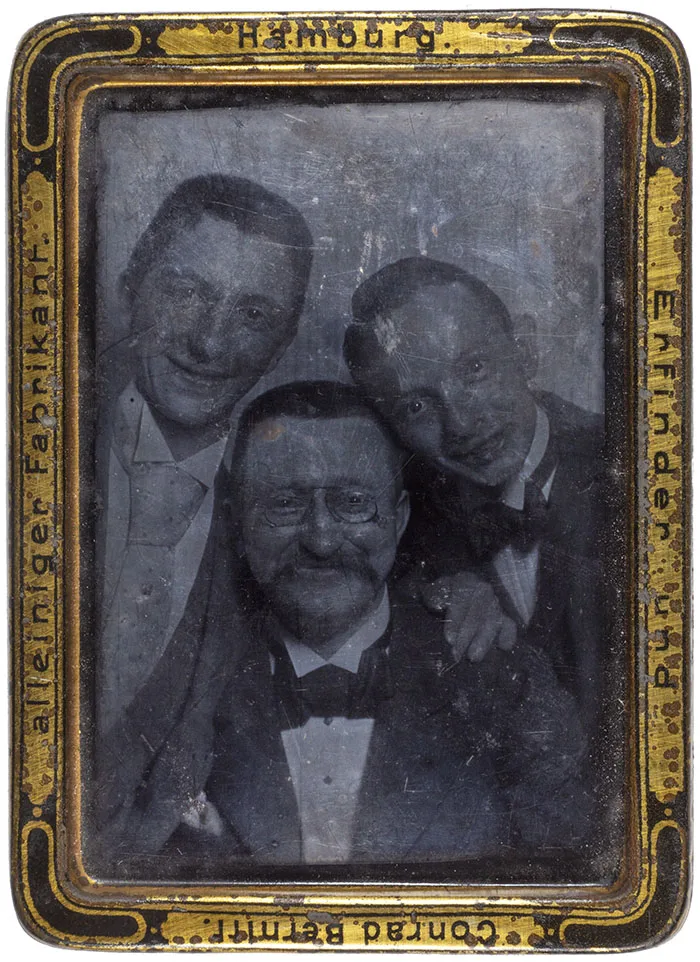
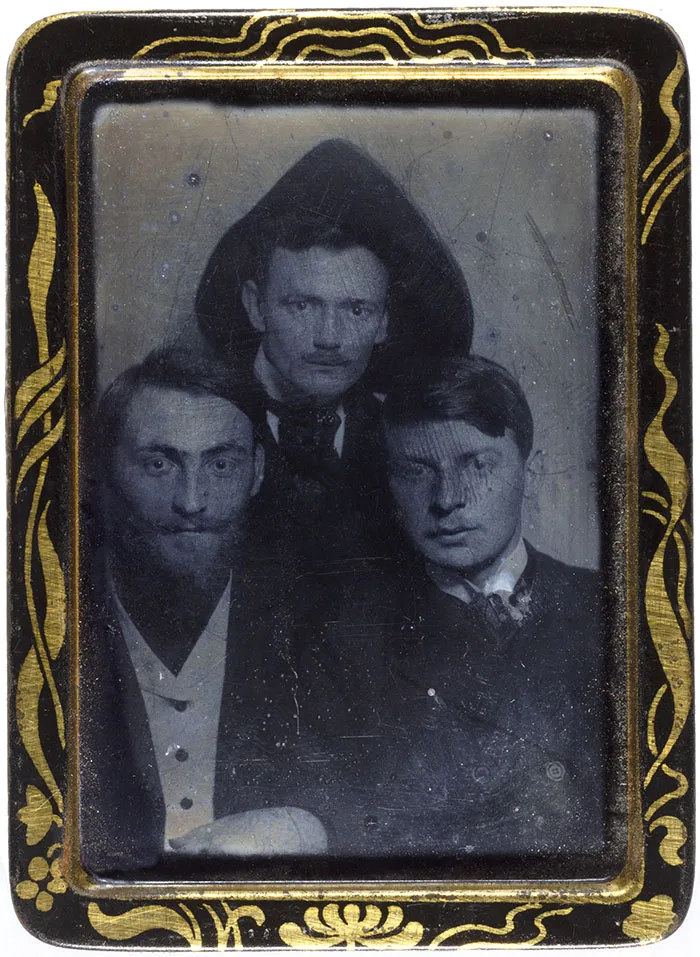
At a time when photographs were still uncommon and expensive, the machine gave a broad section of the population quick, inexpensive access to a portrait without photographic staff. The experience of holding a picture almost immediately was a sensation and part of its entertainment value.
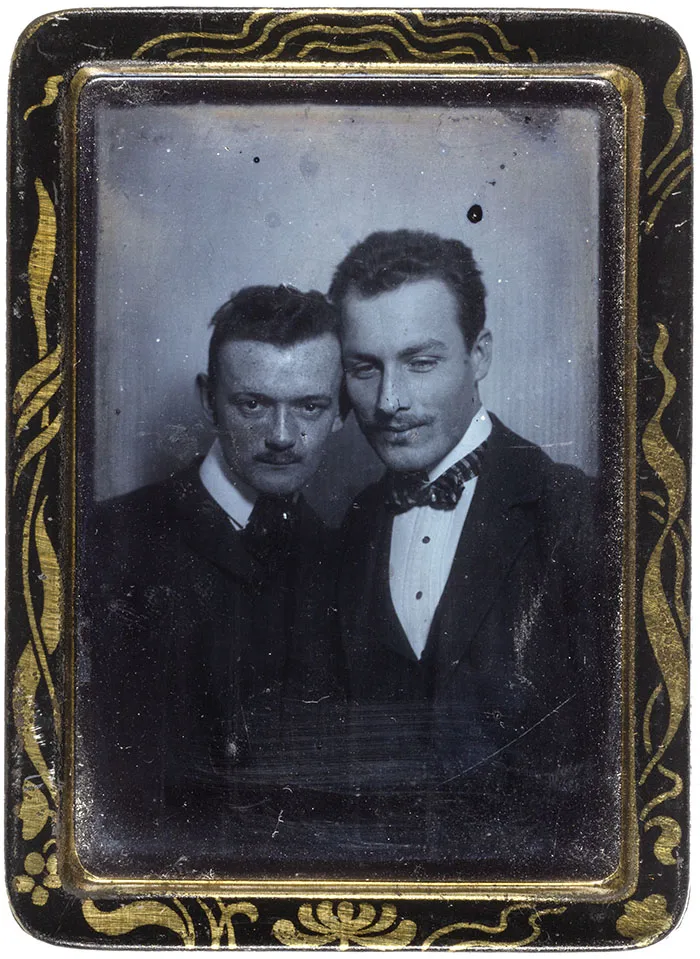
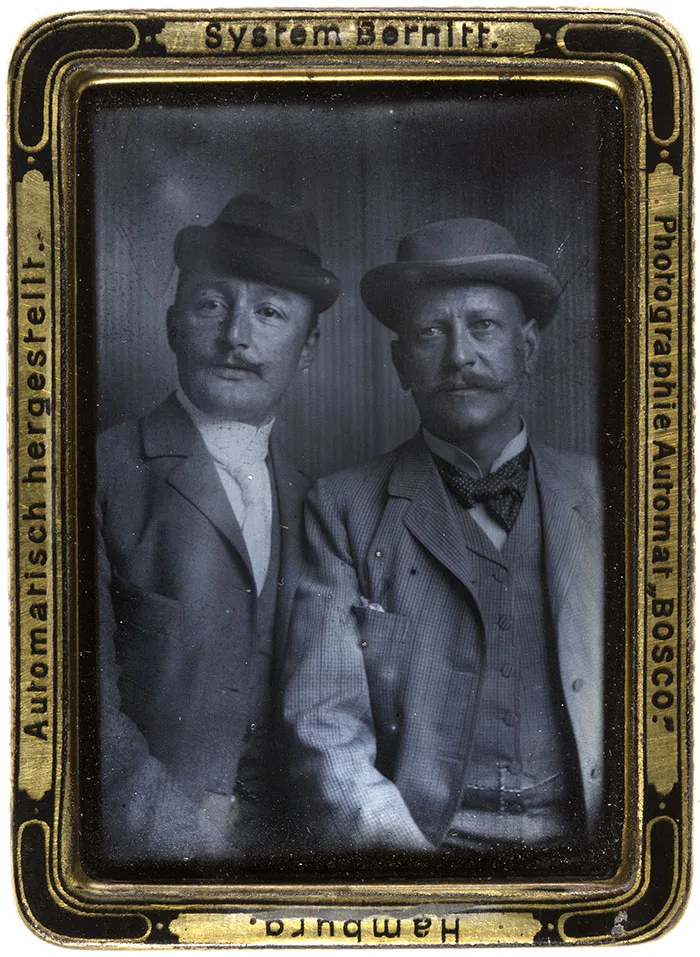
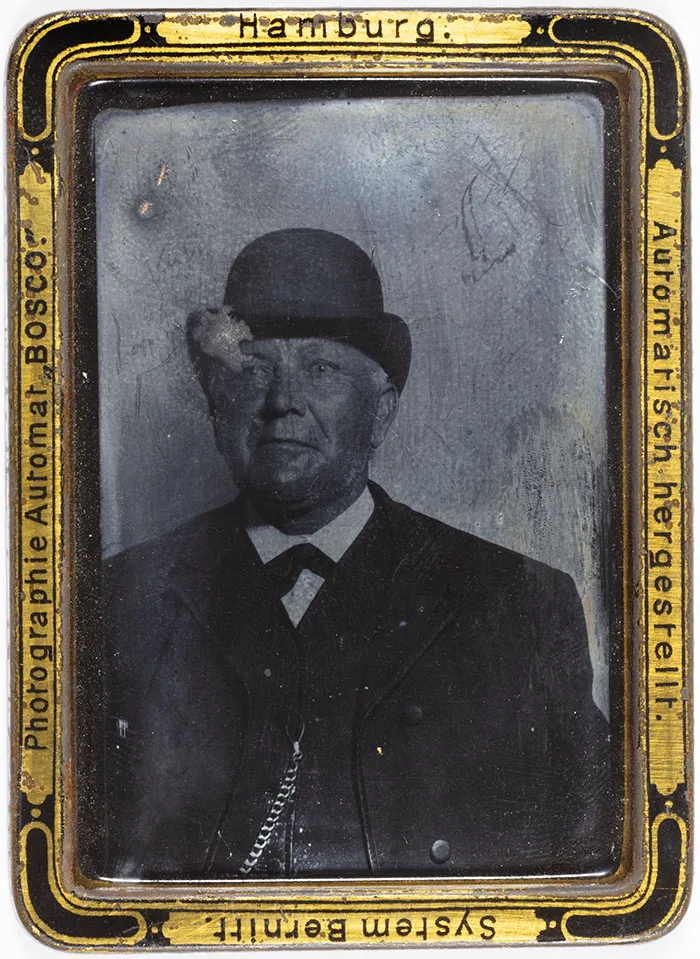
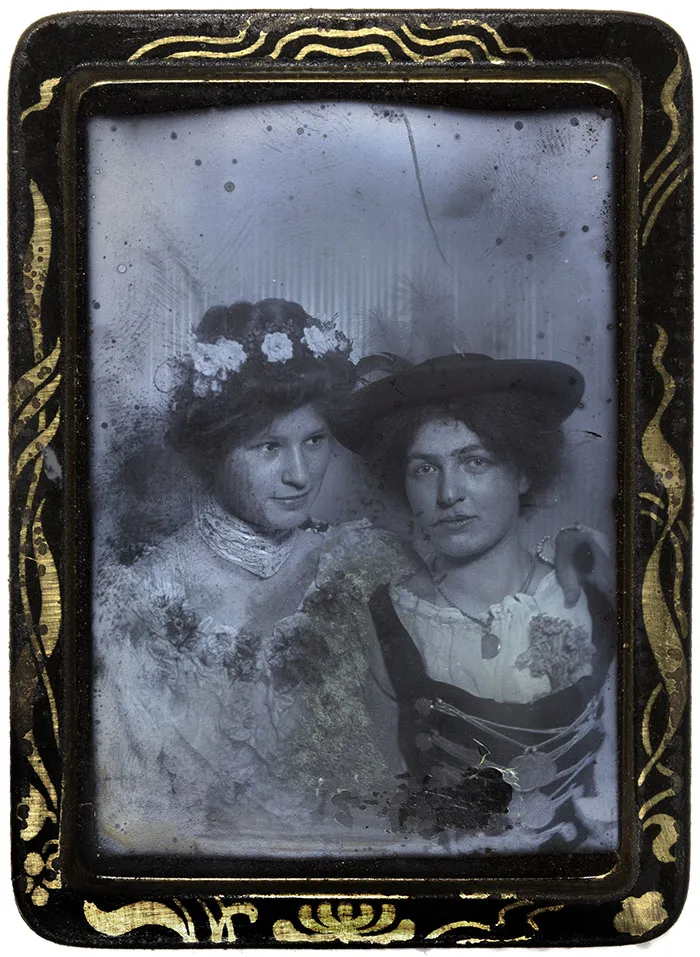
The resulting photographs record direct, spontaneous self-presentation in a new visual language, often looking surprisingly modern compared with the rather stiff studio portraits in which photographers carefully arranged their customers. This was an important step towards the democratisation of photography.
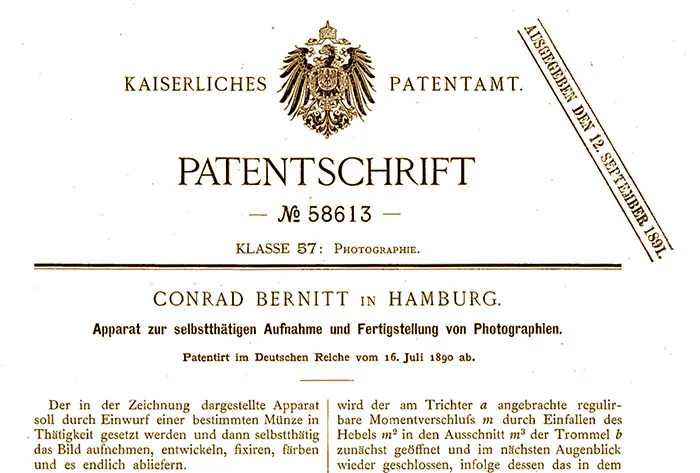
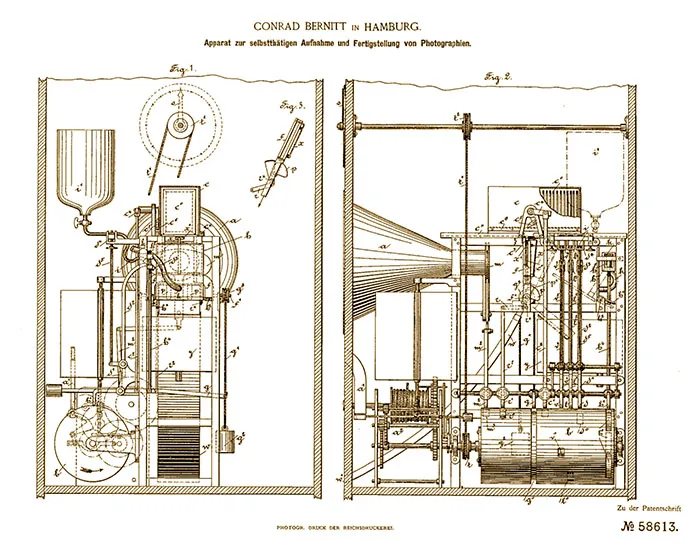
This automatic apparatus, patented by Conrad Bernitt of Hamburg on 16 July 1890, was operated, as the patent describes, by inserting a coin, usually a 50-pfennig piece. The sitter stood before the camera opening and set the mechanism in motion by inserting the coin. Three or four minutes later, the picture could be collected from a small compartment.
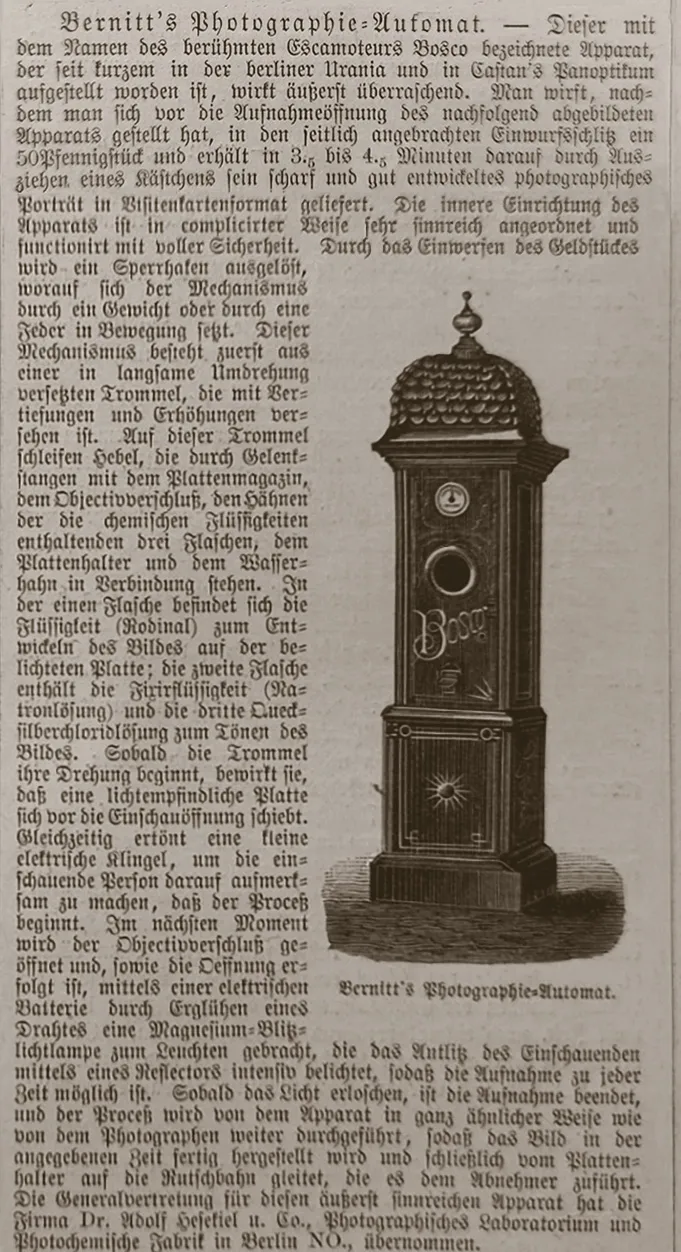
The „Berliner Illustrirte Zeitung" explained its operation in an article of 12 May 1894:
„ …The apparatus’s internal equipment is ingeniously arranged in a complex manner and operates with complete reliability. Inserting the coin releases a catch, whereupon a weight or spring sets the mechanism in motion. This mechanism consists initially of a slowly revolving drum furnished with recesses and raised areas. Levers running over this drum connect through rods to the plate magazine, lens shutter, taps on three bottles containing chemical liquids, plate holder and water tap. The first bottle contains the liquid, Rodinal, used to develop the image on the exposed plate; the second contains the fixing liquid, a soda solution; and the third contains mercuric chloride solution for toning the image.
As soon as the drum starts revolving, a sensitised plate moves in front of the viewing aperture. A small electric bell sounds simultaneously, alerting the sitter that the process is beginning. A moment later, the lens shutter opens. At that instant an electric battery heats a wire, igniting a magnesium flash lamp whose light illuminates the sitter’s face intensely through a reflector, making exposure possible at any time.
Once the light has gone out, the exposure is complete. The apparatus continues the process much as a photographer would, producing the finished picture within the stated time. It finally slides from the plate holder down a chute to the customer.’
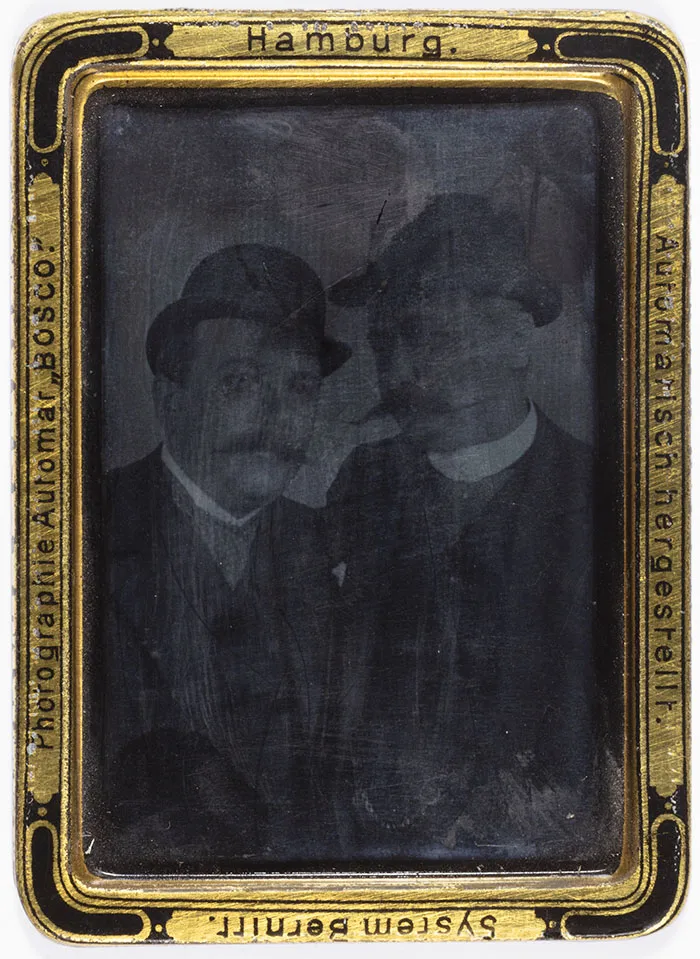
The photographic process was a tintype: the image was exposed directly onto a lacquered iron plate coated with a light-sensitive layer, then chemically developed, fixed and washed. The method was already widespread and ideally suited to making photographs quickly and inexpensively.
A central feature is the curved metal plate. Coated with light-sensitive emulsion, its particular shape serves two purposes: it acts as a shallow tray, directing the chemical liquids, while also creating an attractive border around the front of the finished picture.
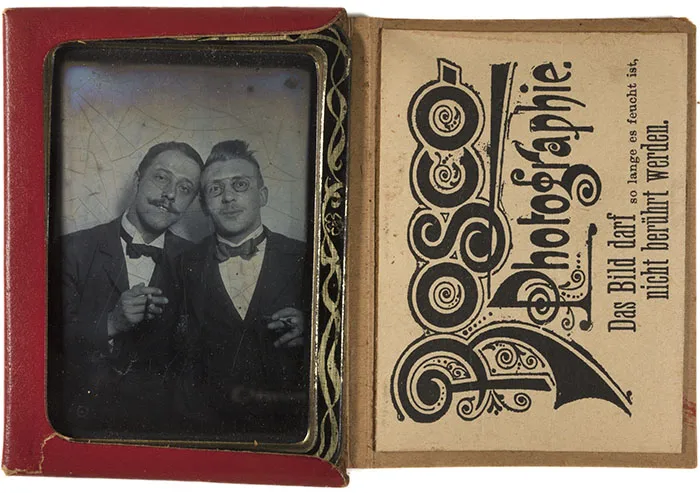
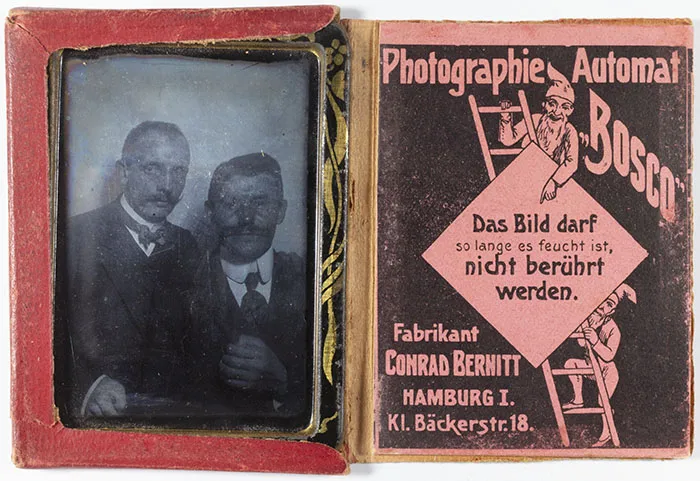
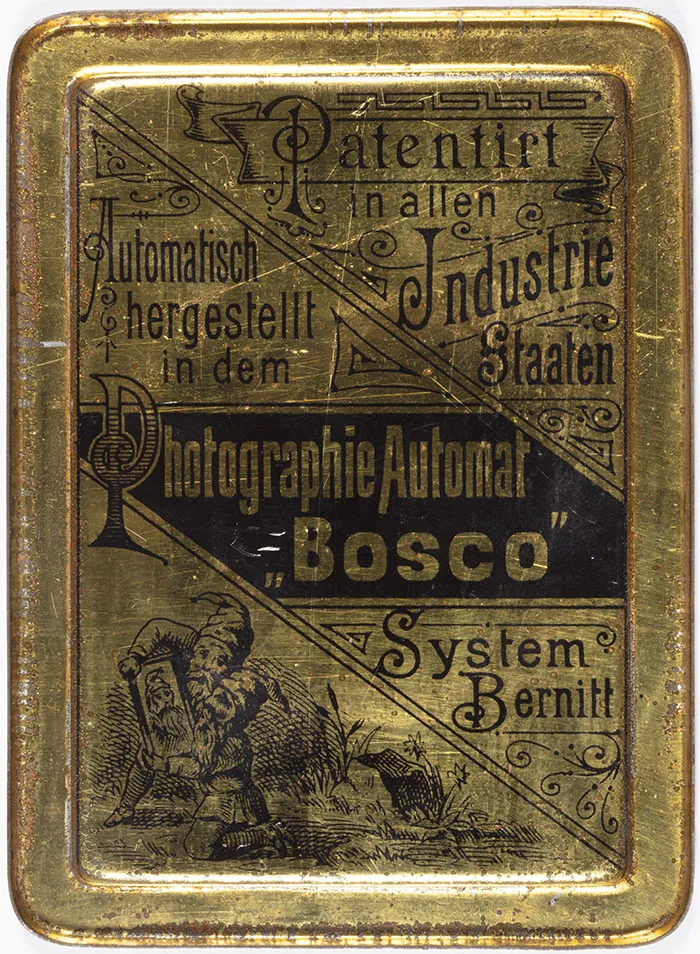
The photographs are small and portable, measuring 6 × 8 cm, and were usually supplied in a smart red lacquered card case with gold lettering. Simple, but elegant. Cases, frames and reverses carried various inscriptions giving essential information about the process.
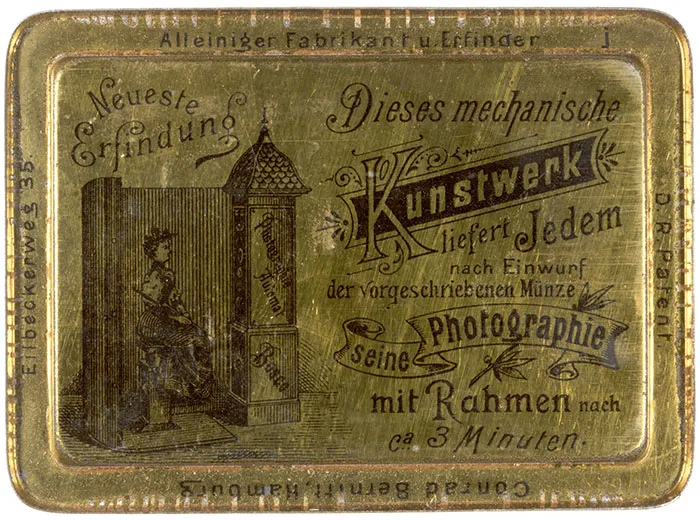
A woman in late-nineteenth-century dress, with a hat and parasol, sits on a stool in front of a photographic machine. The apparatus resembles a tower-shaped box with a small roof. A screen partly encloses the background, suggesting some privacy, although not the fully enclosed curtained booth familiar from later machines such as the Photomaton.
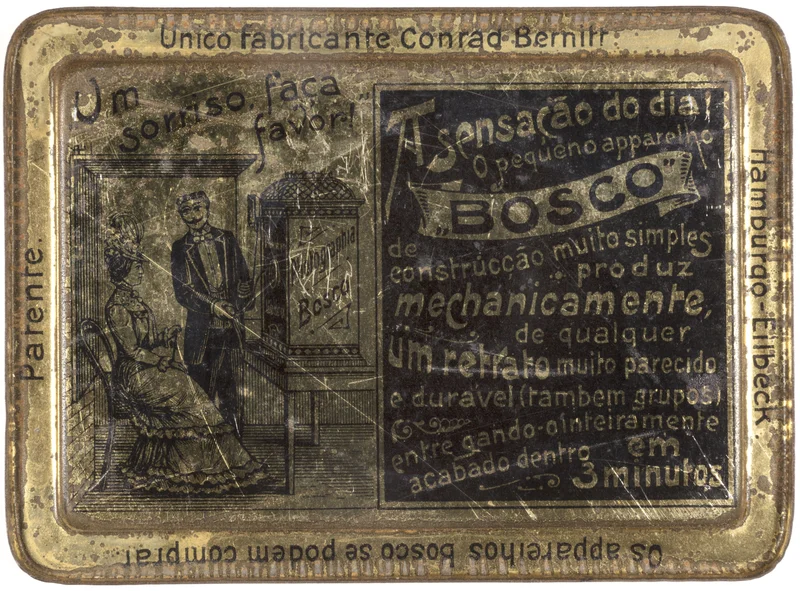
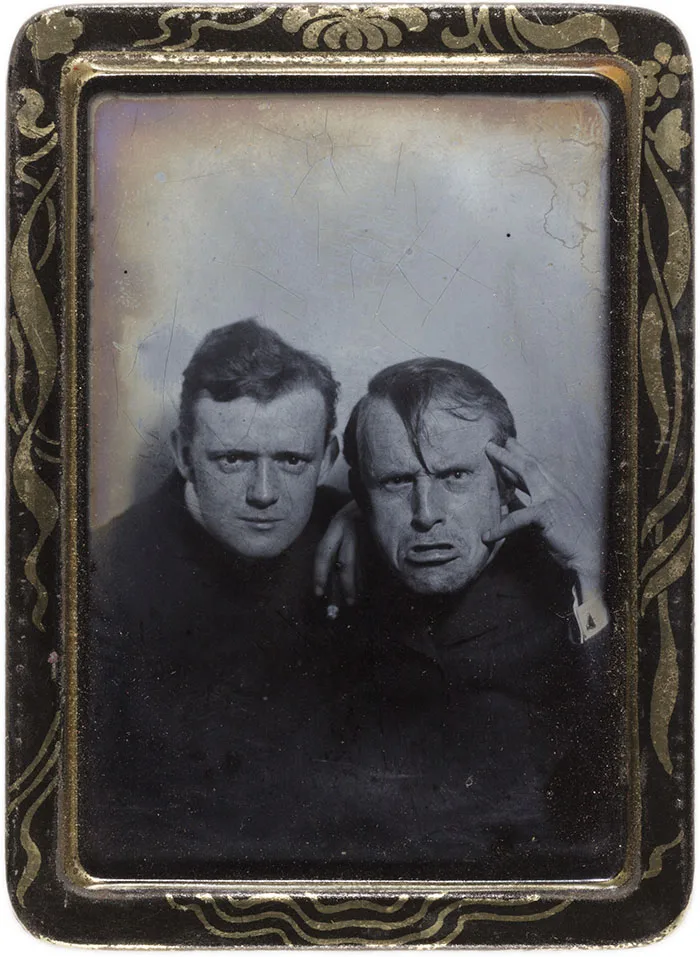
The Bosco machine quickly became popular and spread rapidly at home and abroad. Although the photographs were small and of modest quality, technical fascination and entertainment made the sitting an event. Some contemporary pictures suggest that machines were occasionally installed amid convivial drinking, which may well have contributed to their success.
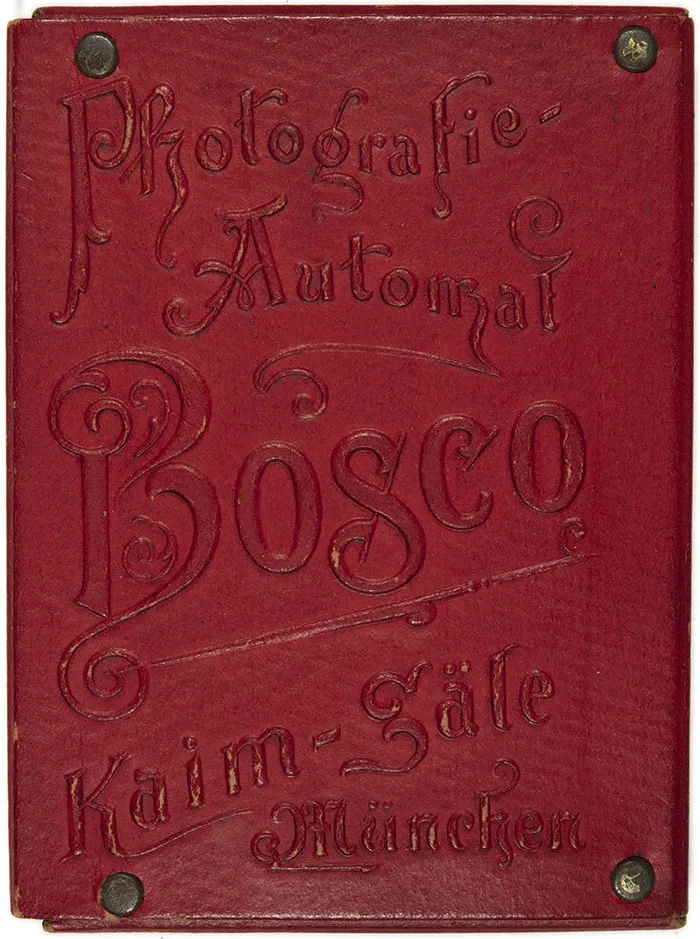
Machines could be installed at exhibitions for just a few days or permanently, for example in Munich’s Kaim-Säle or, from 1893, at the Panoptikum on Spielbudenplatz in Hamburg-St. Pauli. There visitors could also see Miss Lilly Presselly with her trained cats and dogs, as well as the child murderer Bejeuhr in the chamber of horrors.
Contemporary newspapers also attest to the machines’ popularity. In Stuttgart in 1896, for instance, the daily press reported the duchess visiting the exhibition at the Stadtgarten with her daughters. Curious about the invention, the family had it explained and even had their portraits taken. According to the report, fifteen to twenty people were almost constantly waiting in front of the two machines. The Bosco machine appears to have done excellent business.
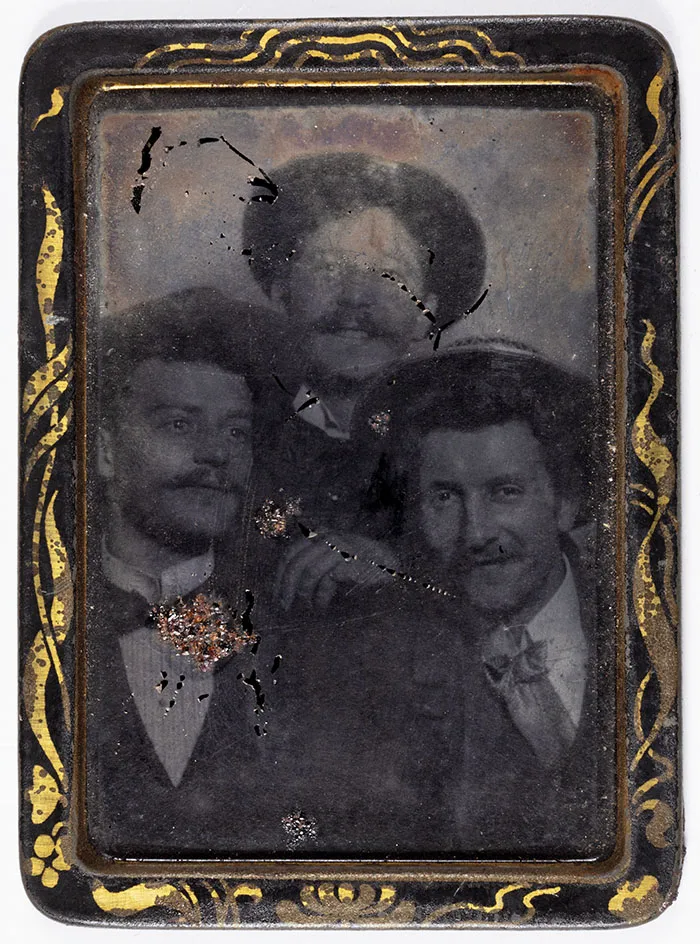
The machine also appeared at festivities and exhibitions: in the grotto hall of Bonn’s Rathskeller during celebrations of Kaiser Wilhelm I’s centenary in 1897, at a masked ball in Karlsruhe’s Automatenhalle in 1899, and at the ‘subscribers’ ball’ at the Belle-Alliance ballroom in Hamburg-St. Pauli in 1902, where the ‘Bosco machine was much used’ and ‘produced excellent pictures“.
Operating the machines was apparently not entirely without danger. The Hamburger Fremdenblatt reported on 2 March 1903 that flash powder exploded late at night in St. Pauli, probably at the Belle-Alliance. Nobody was injured, ‘but the tremendous bang, immediately followed by a dense yellow cloud of smoke rolling into the hall, greatly alarmed the guests, particularly the women present, and their excitement subsided only gradually.’ Operating a Bosco machine with magnesium flash powder could indeed be risky.
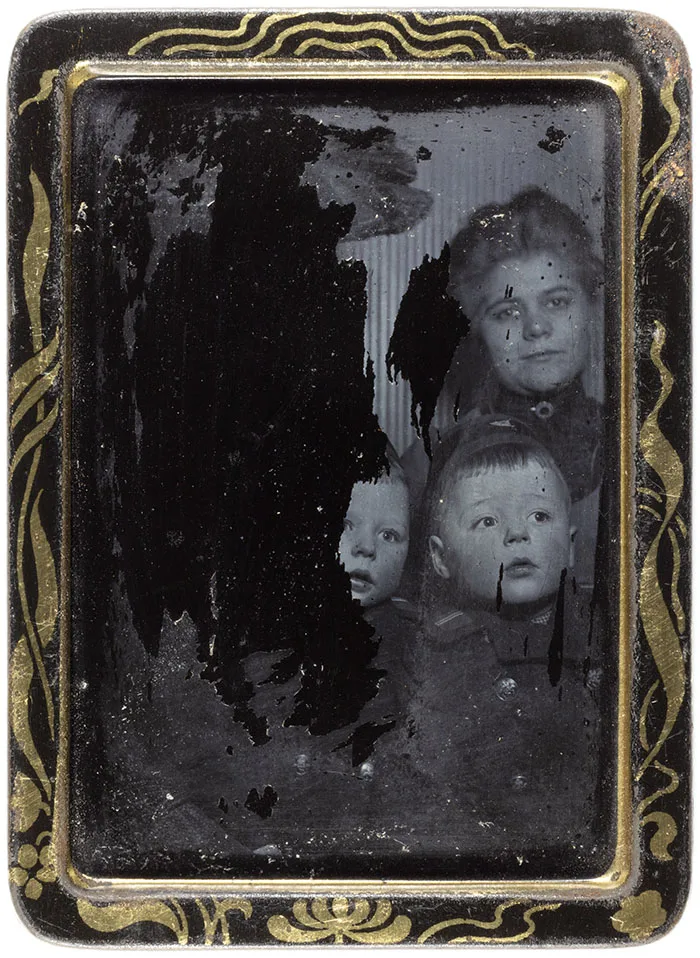
The pictures were highly vulnerable to scratches and other damage. They also darkened considerably over time as moisture and air oxidised the image silver. Few examples survive today, often in poor condition. They nevertheless provide important evidence from the early history of photography.