A Berlin Photographic Business
Foto-Klinke was founded in the late 1930s and at times operated as many as twelve branches in Berlin, with its head office on Friedrichstraße. Its focus was everyday photography: passport pictures, studio portraits, family photographs and pictures for job applications.
The business survived war, division and reunification. In the 1990s, like many analogue photographic businesses, it came under pressure from the rise of digital photography. It ceased trading in 2002.
A Commercial Studio — Between Everyday Life and Staging
Between passport photograph and wedding portrait, between routine and self-presentation:
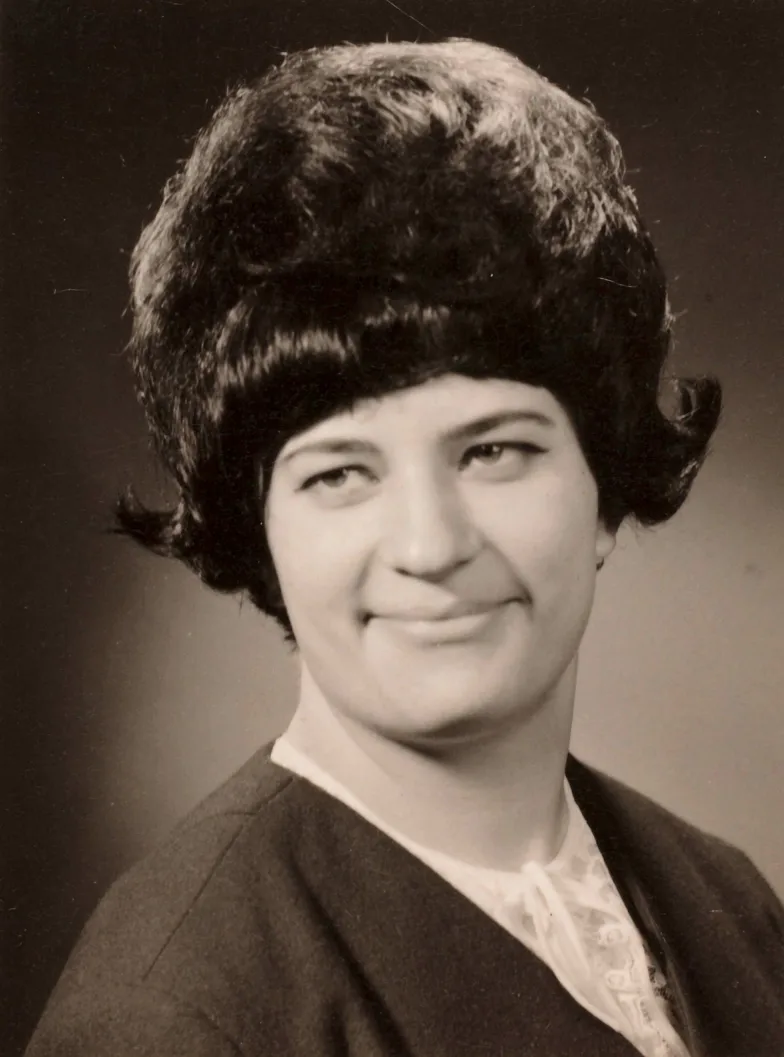
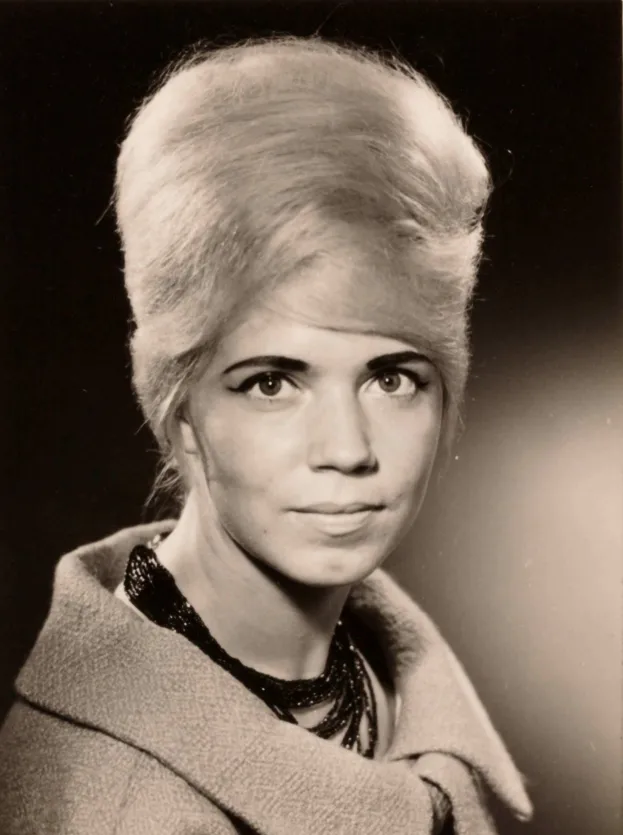
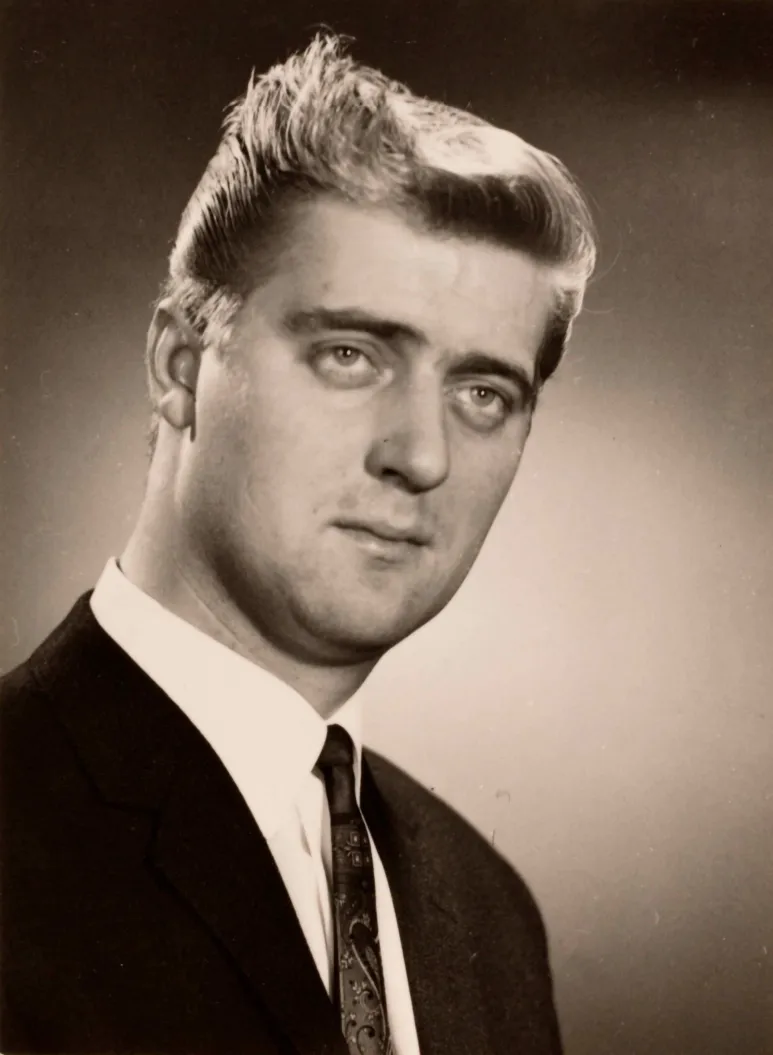
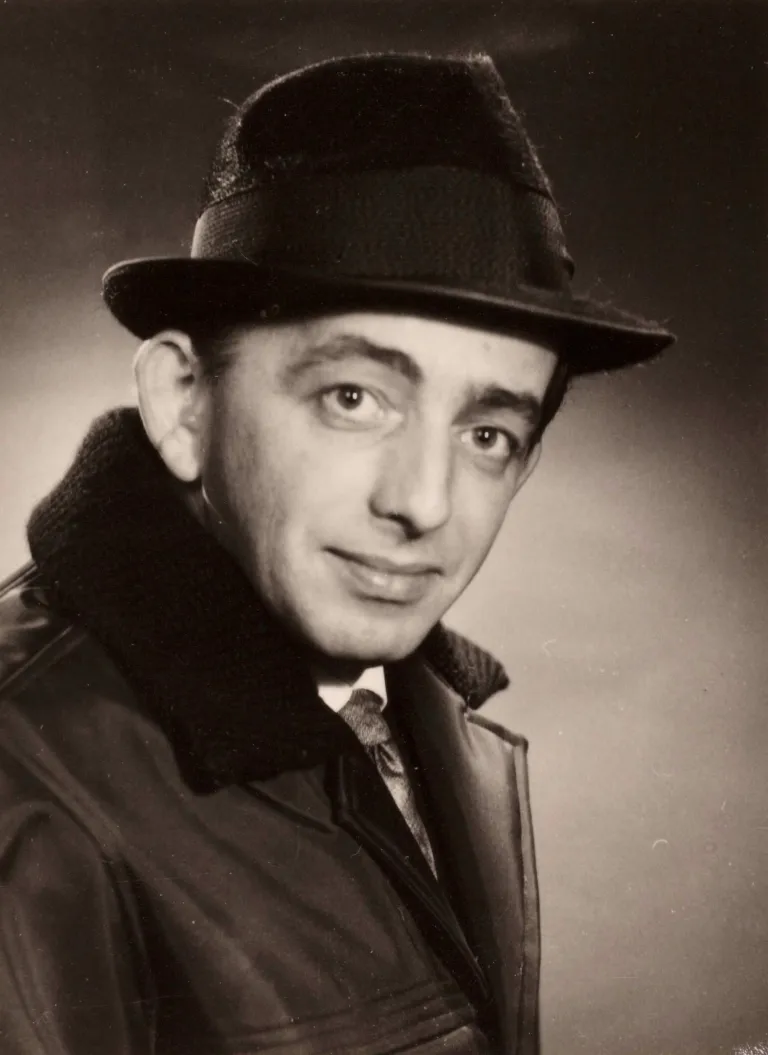
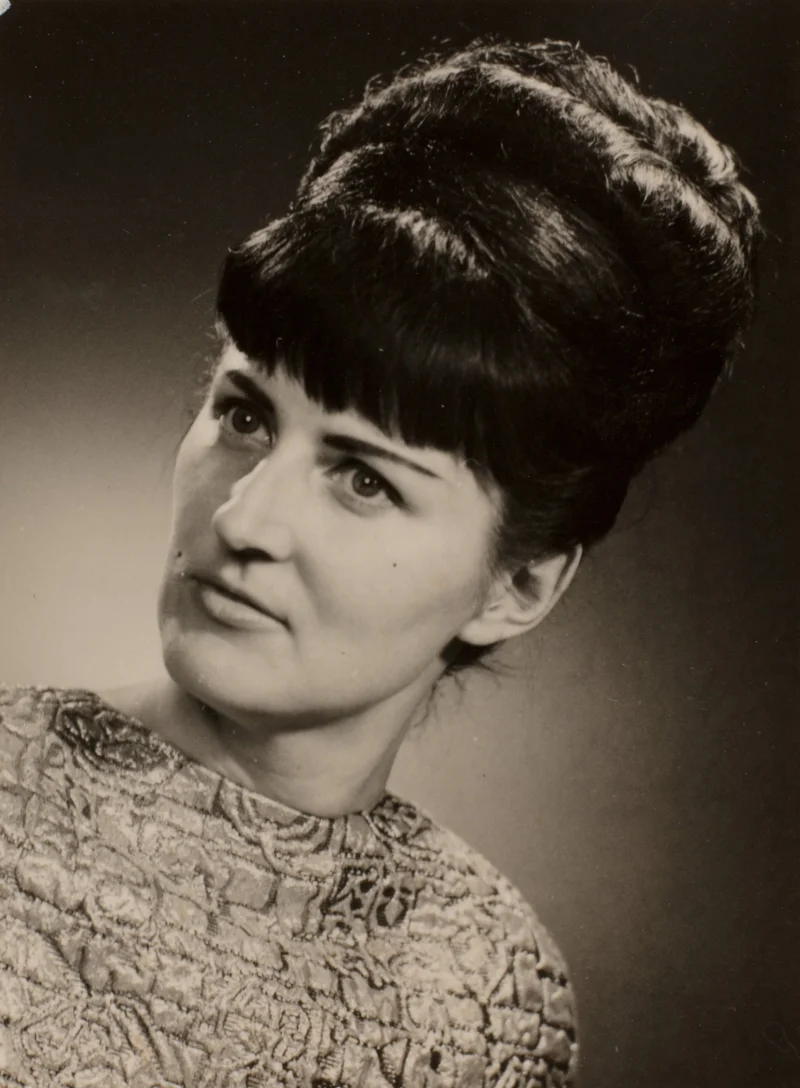
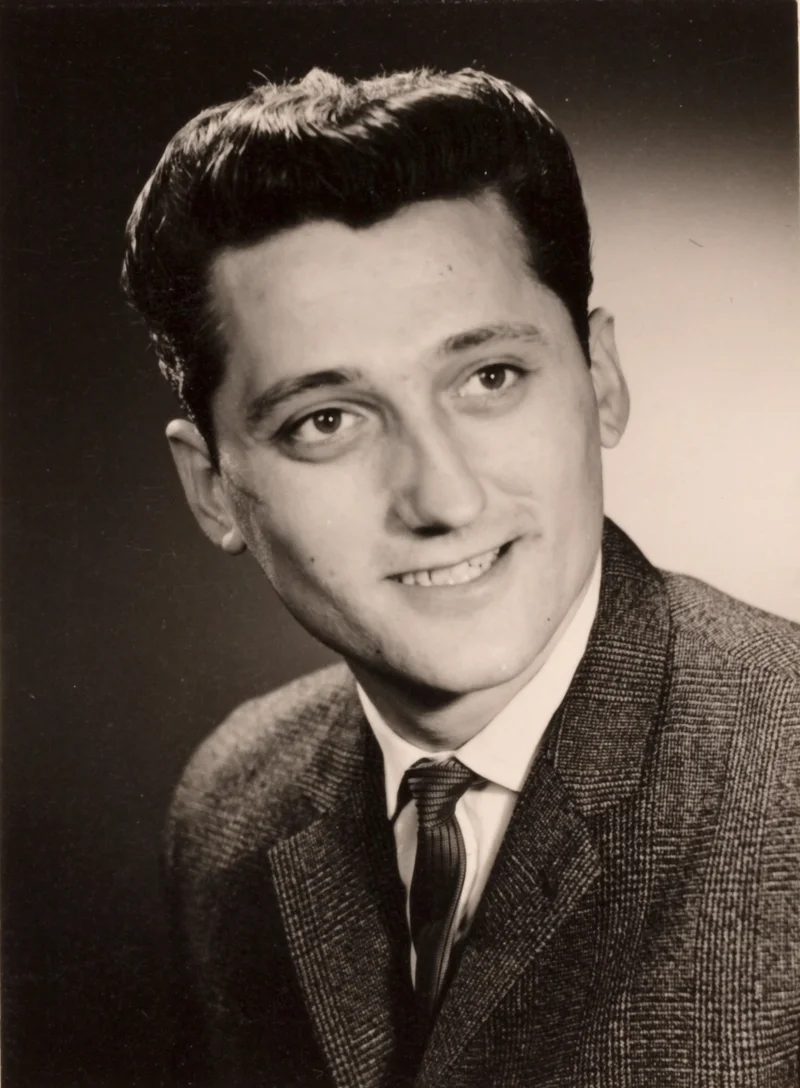
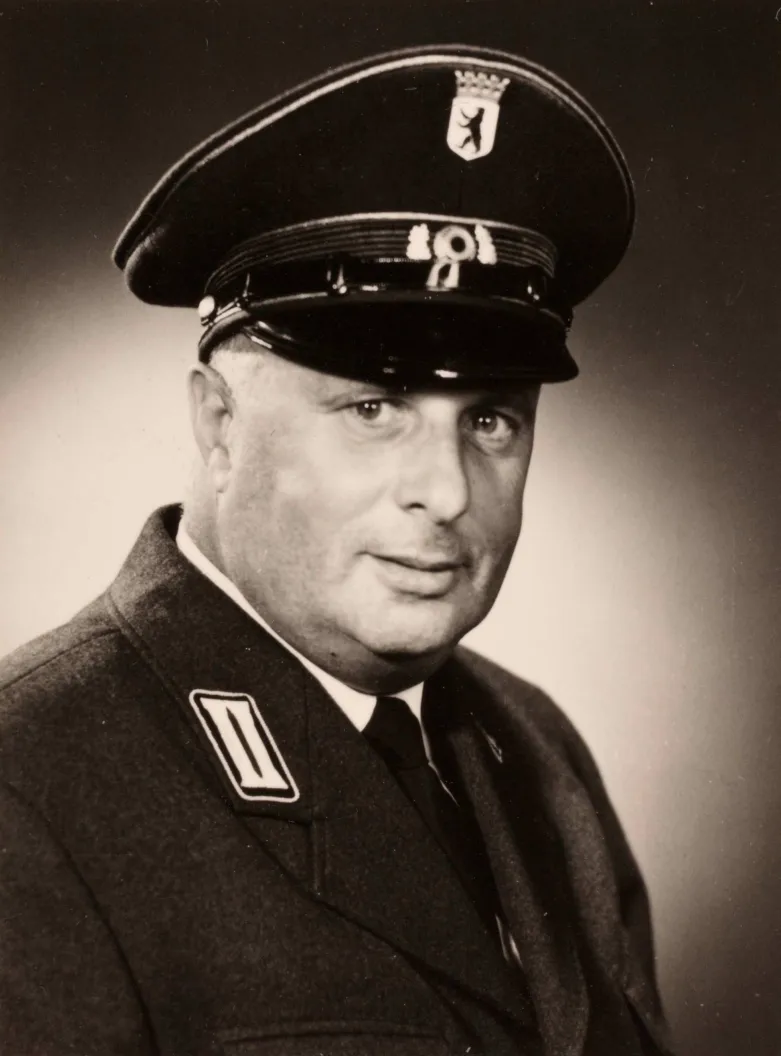
The surviving photographs from the West Berlin studio Foto-Klinke document photographic life in the 1960s: practical, methodical and grounded in craftsmanship.
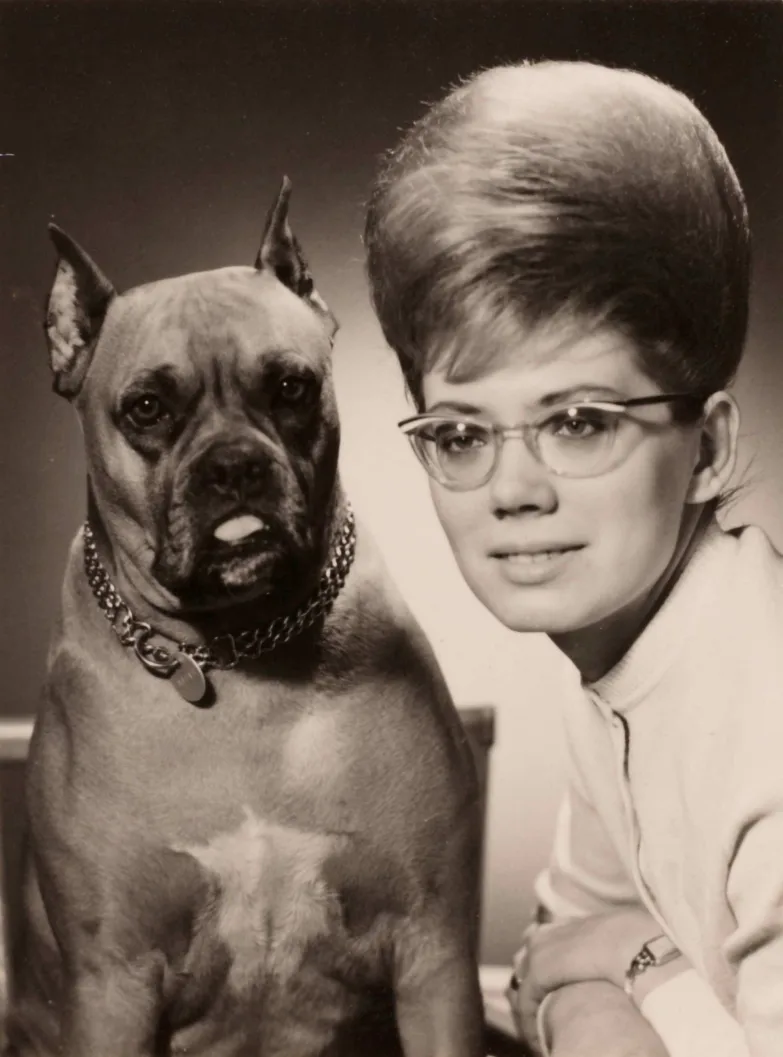
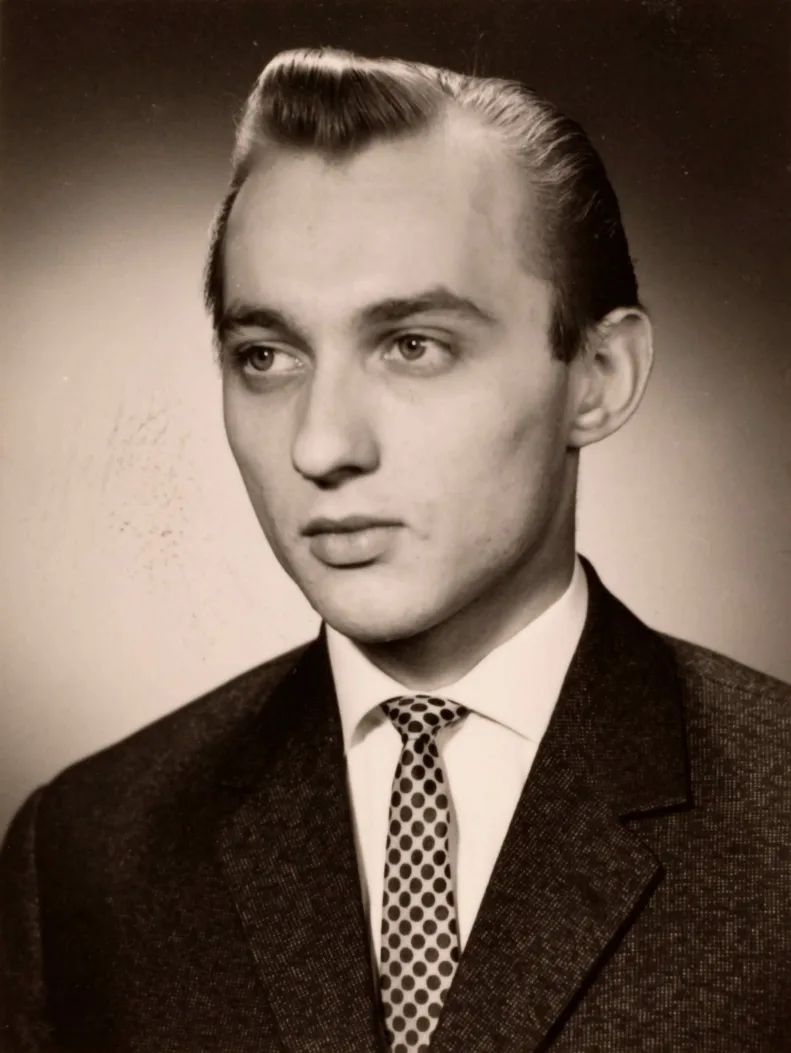
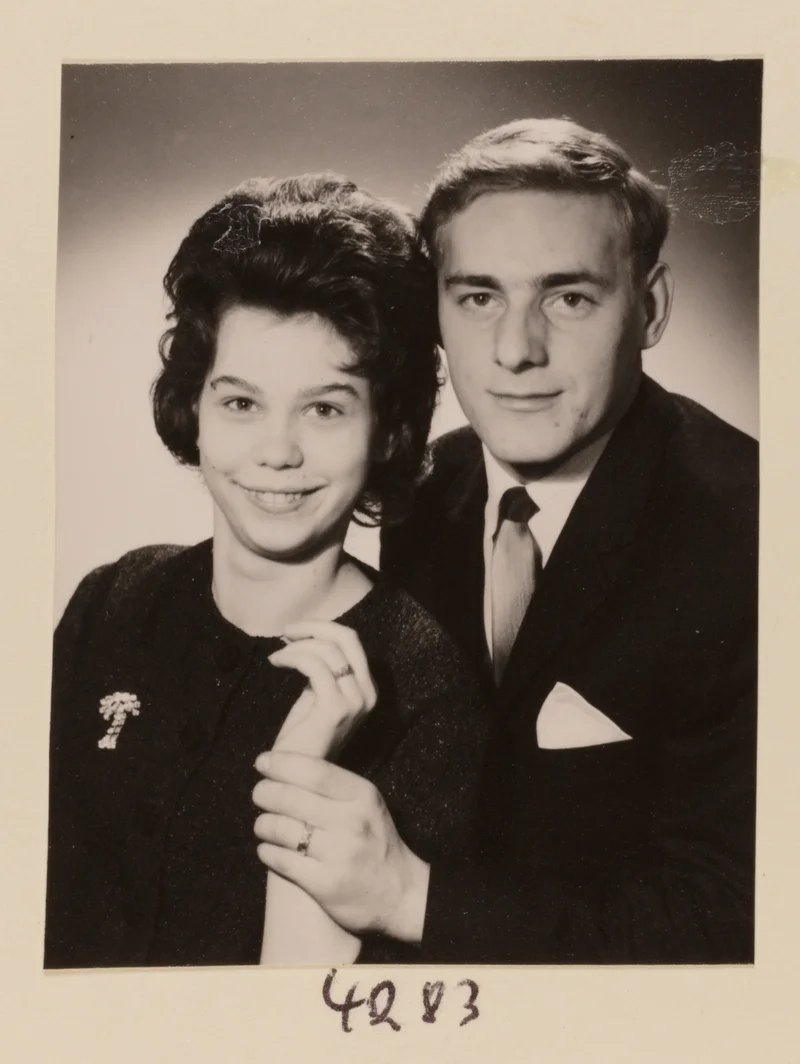
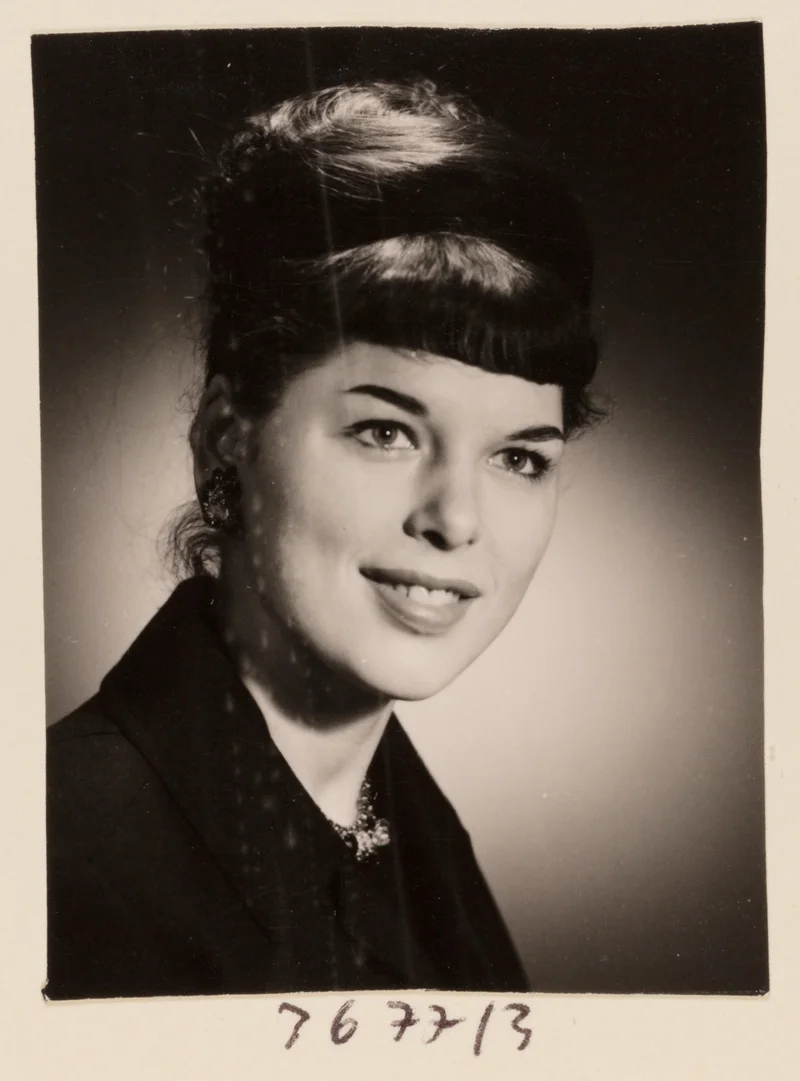
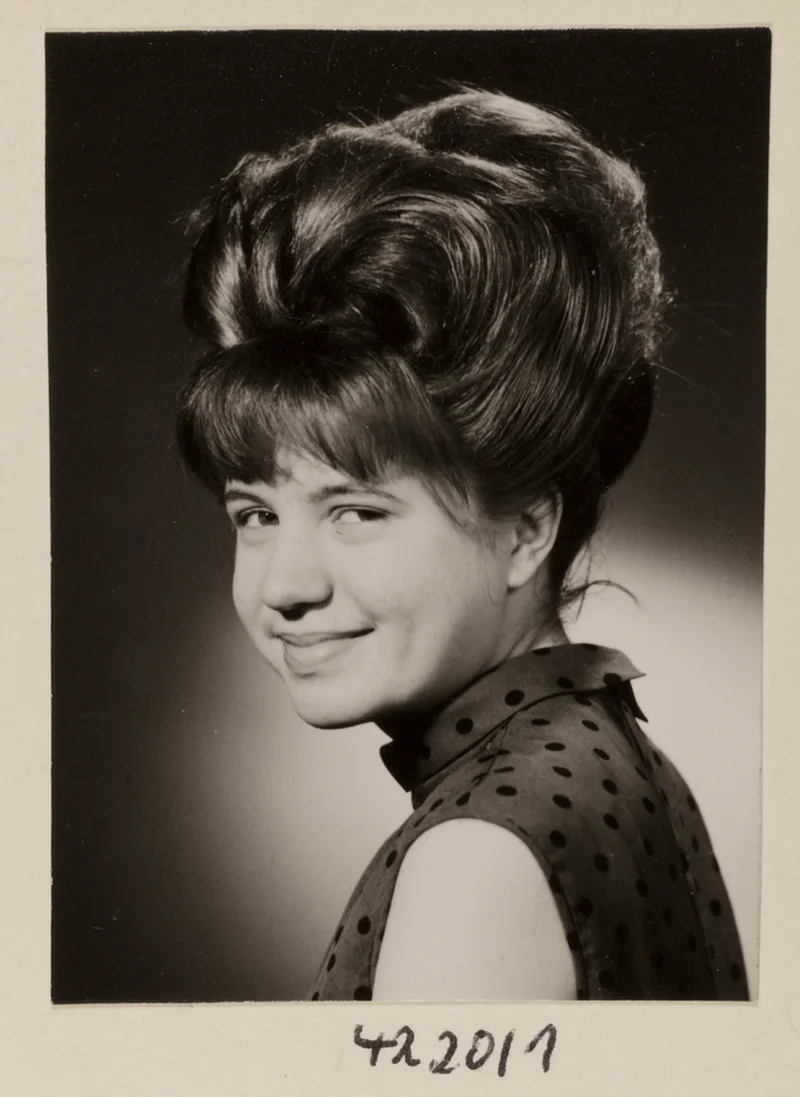
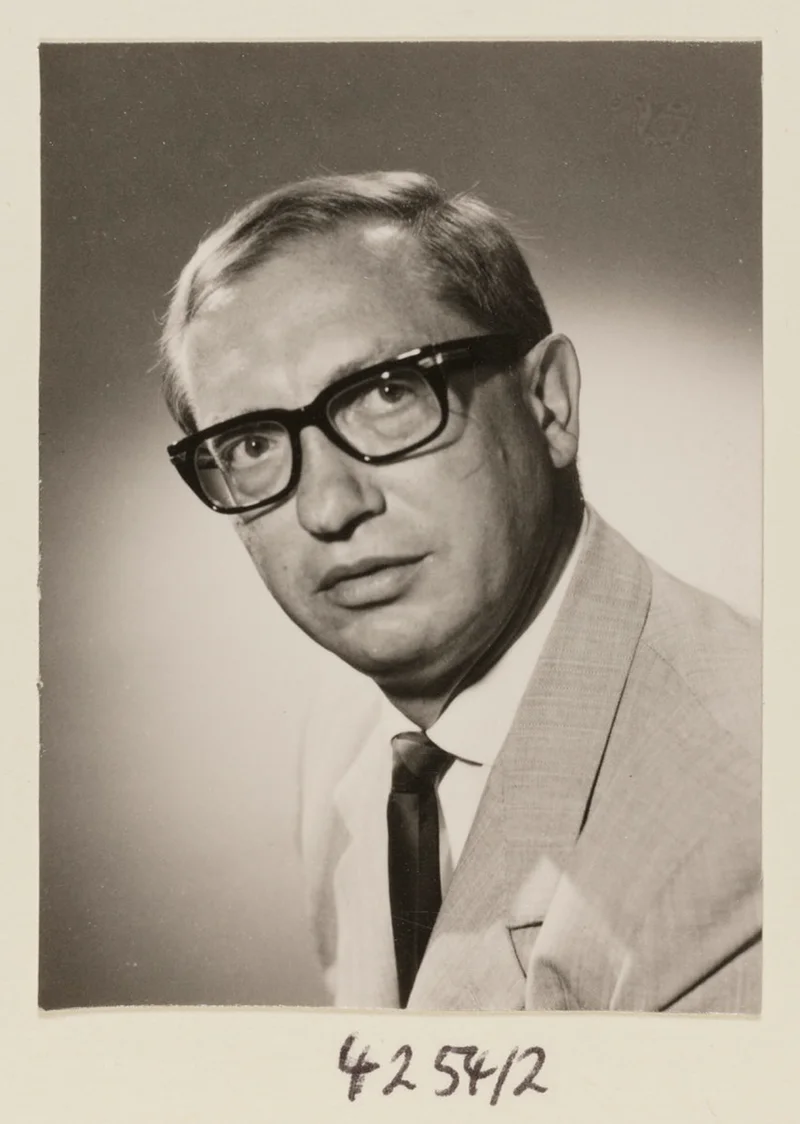
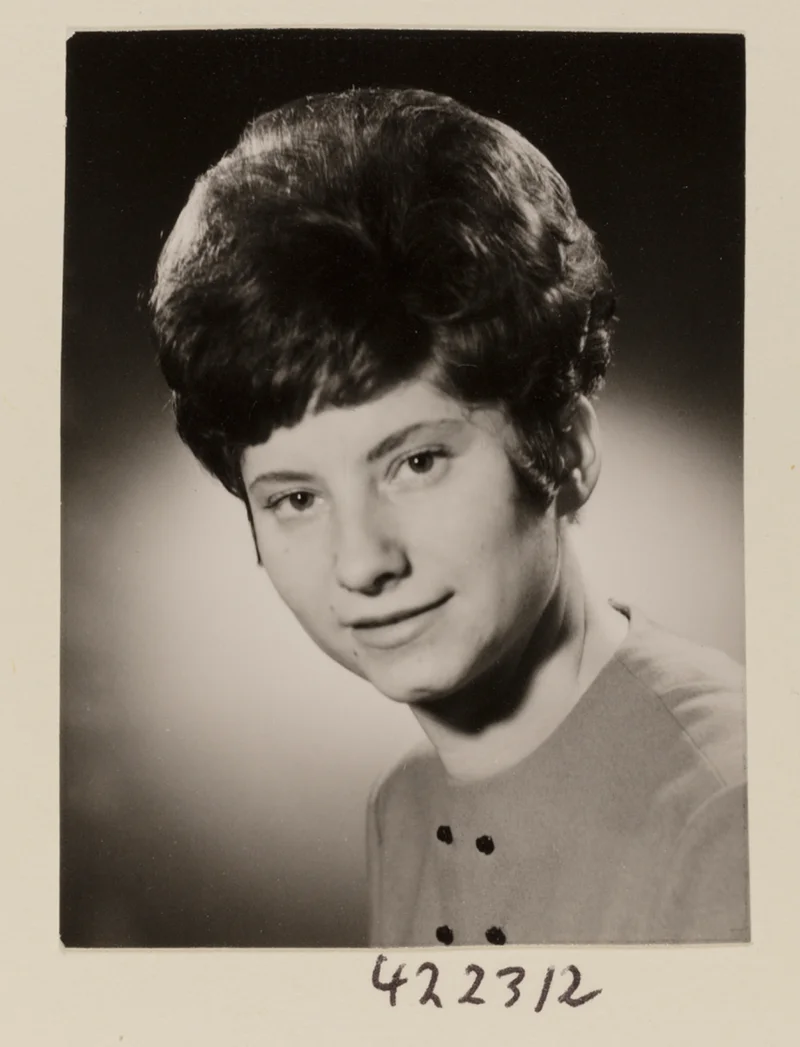
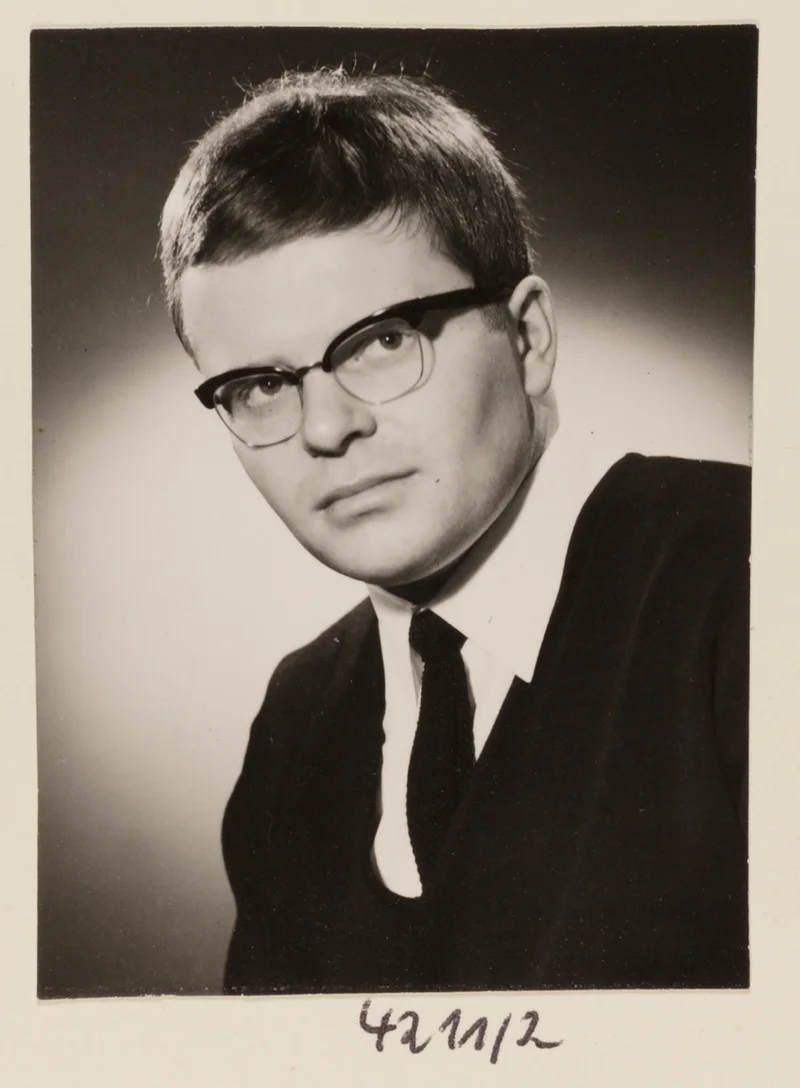
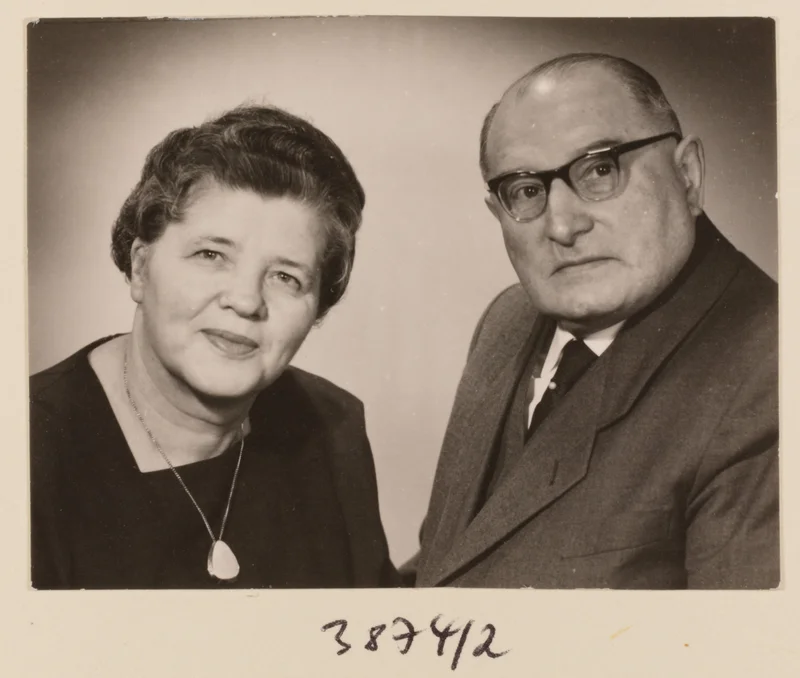
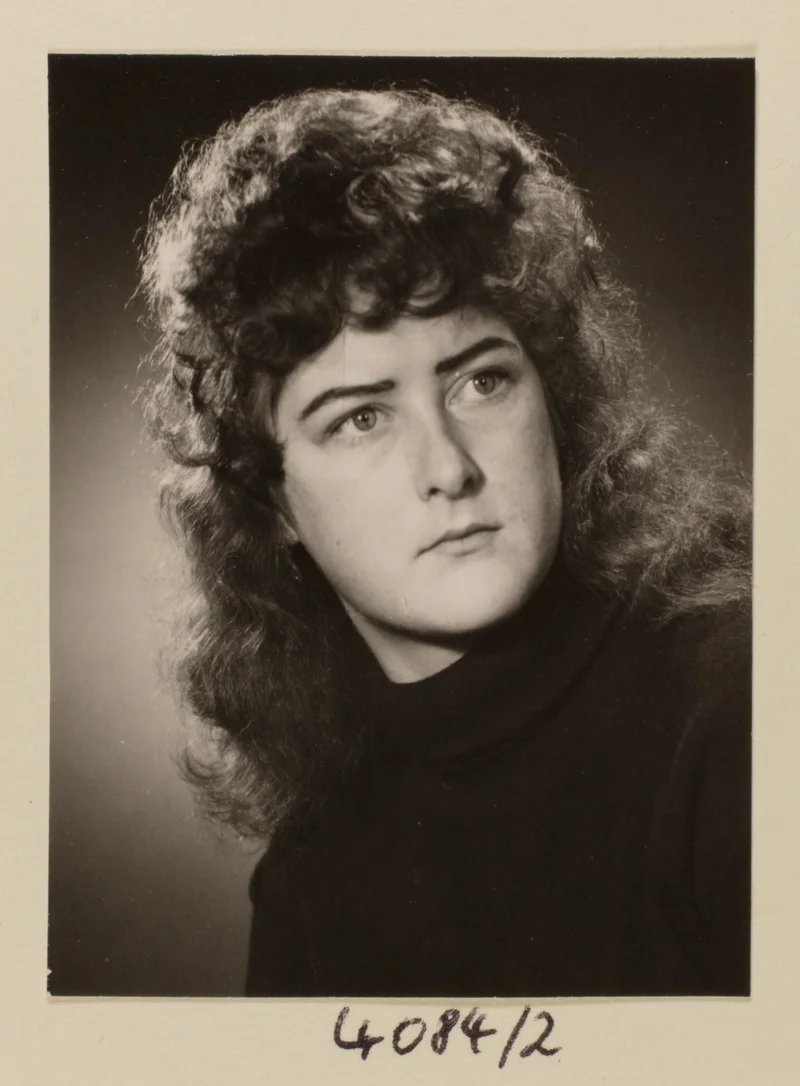
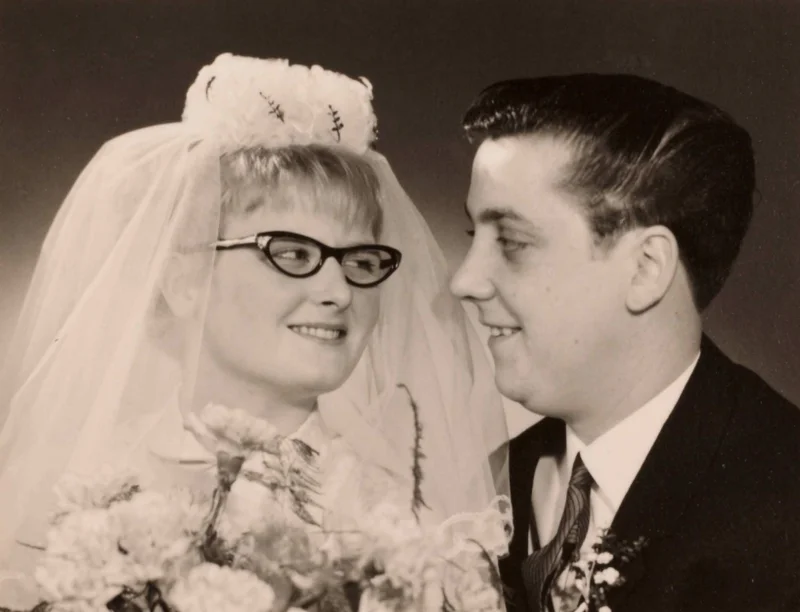
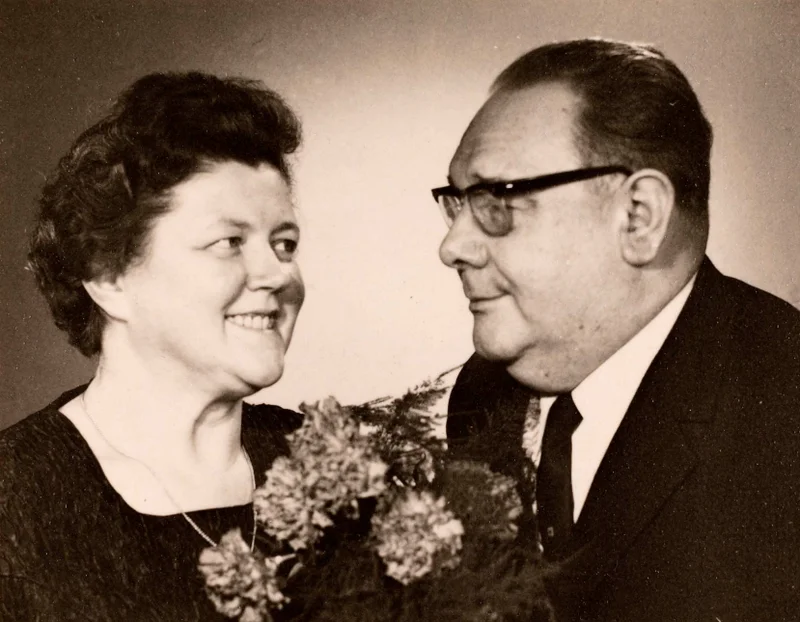
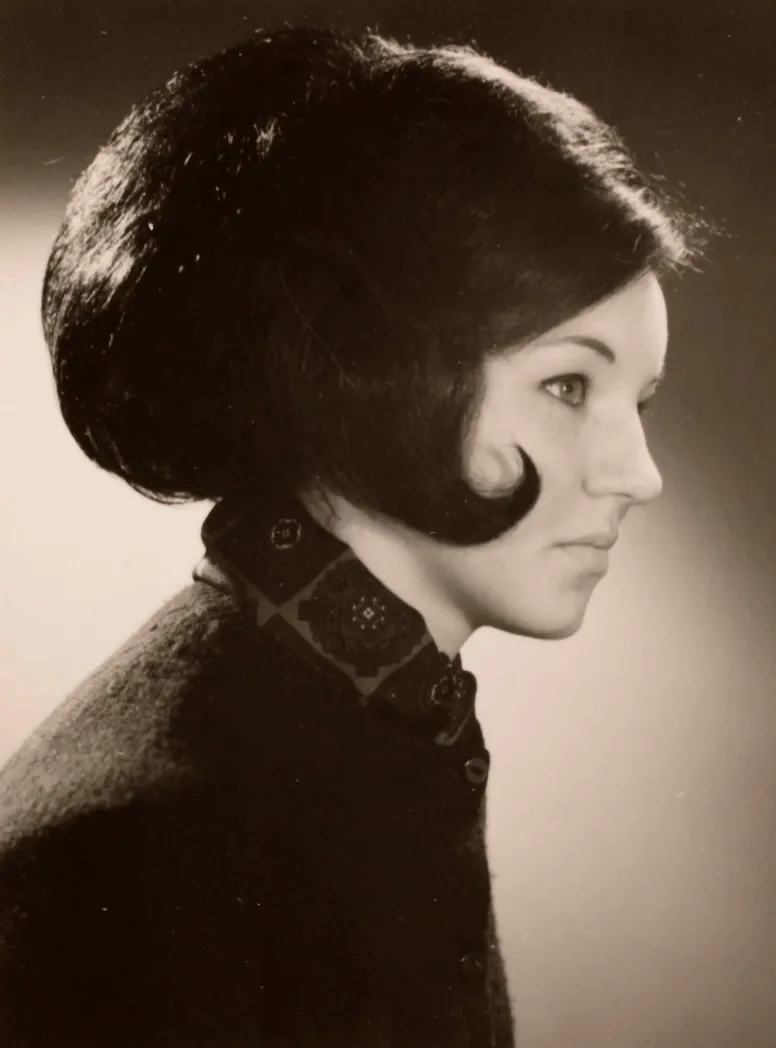
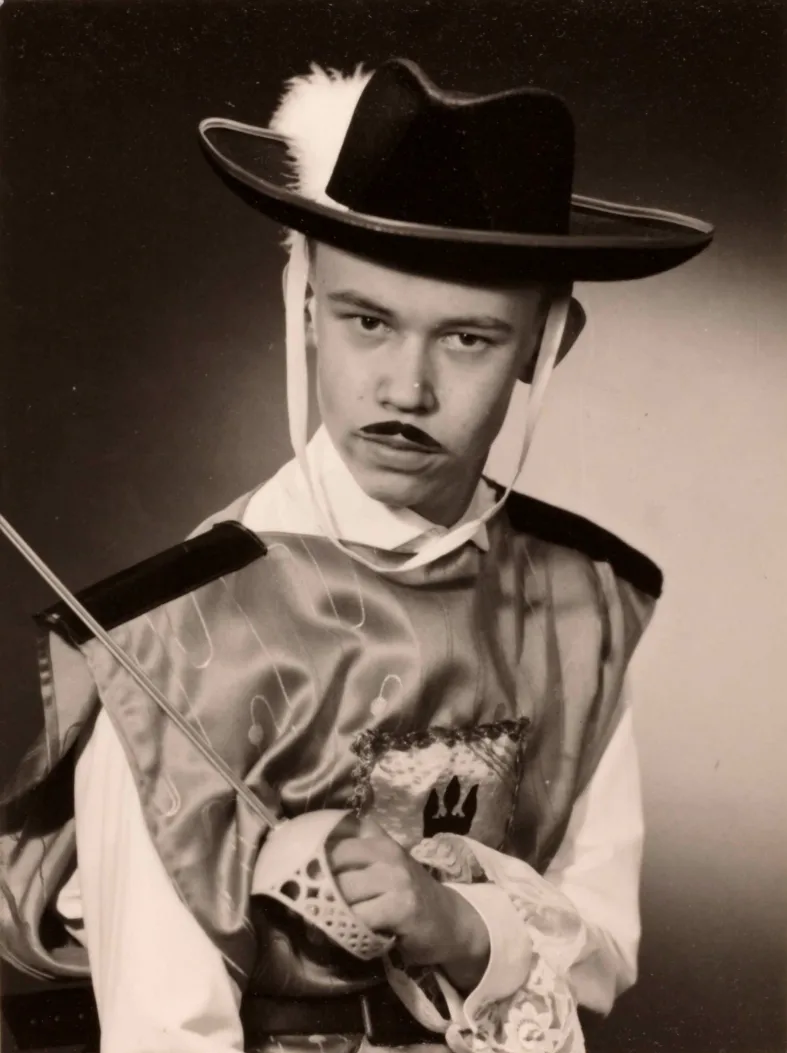
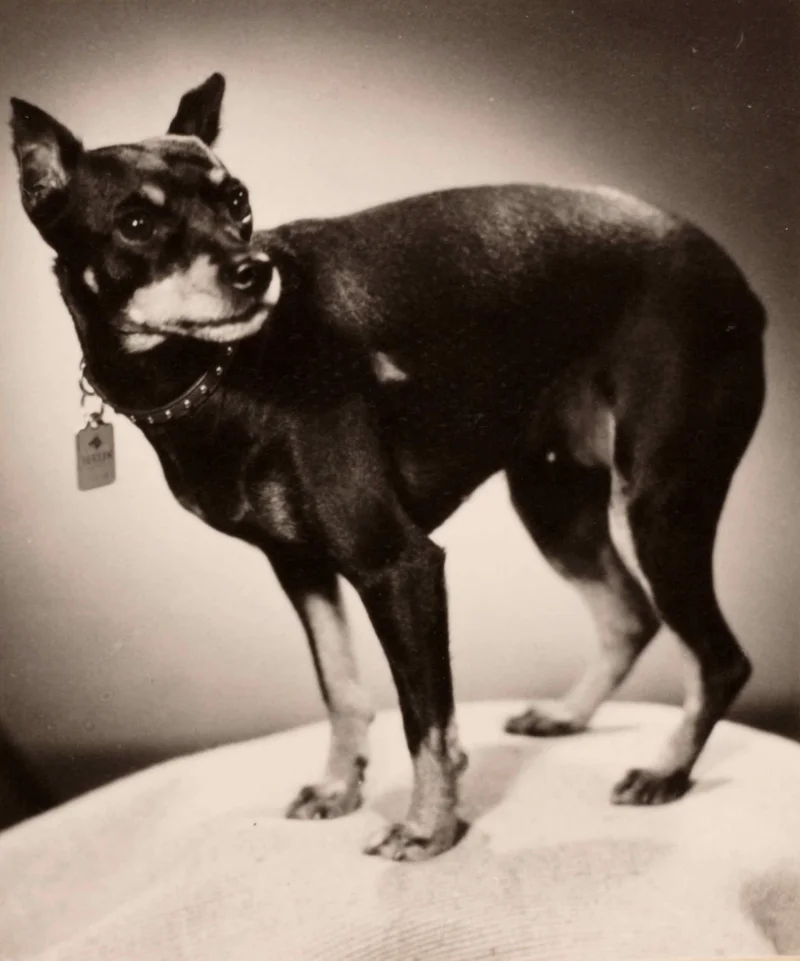
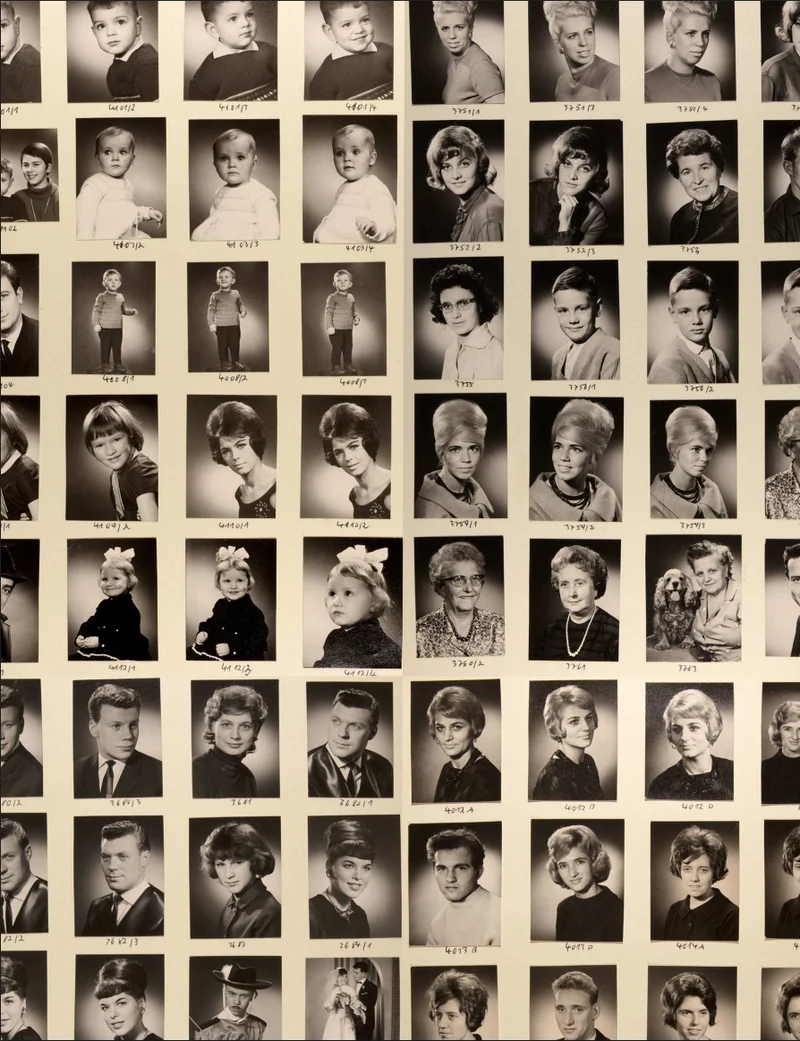
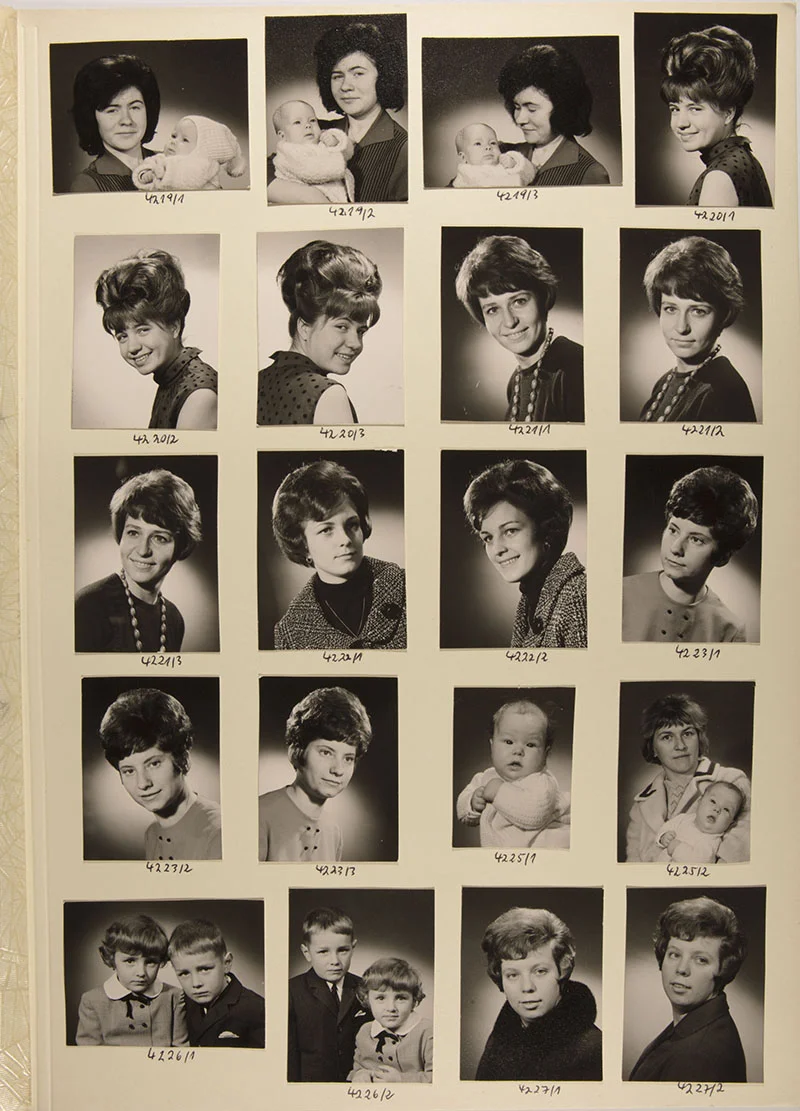
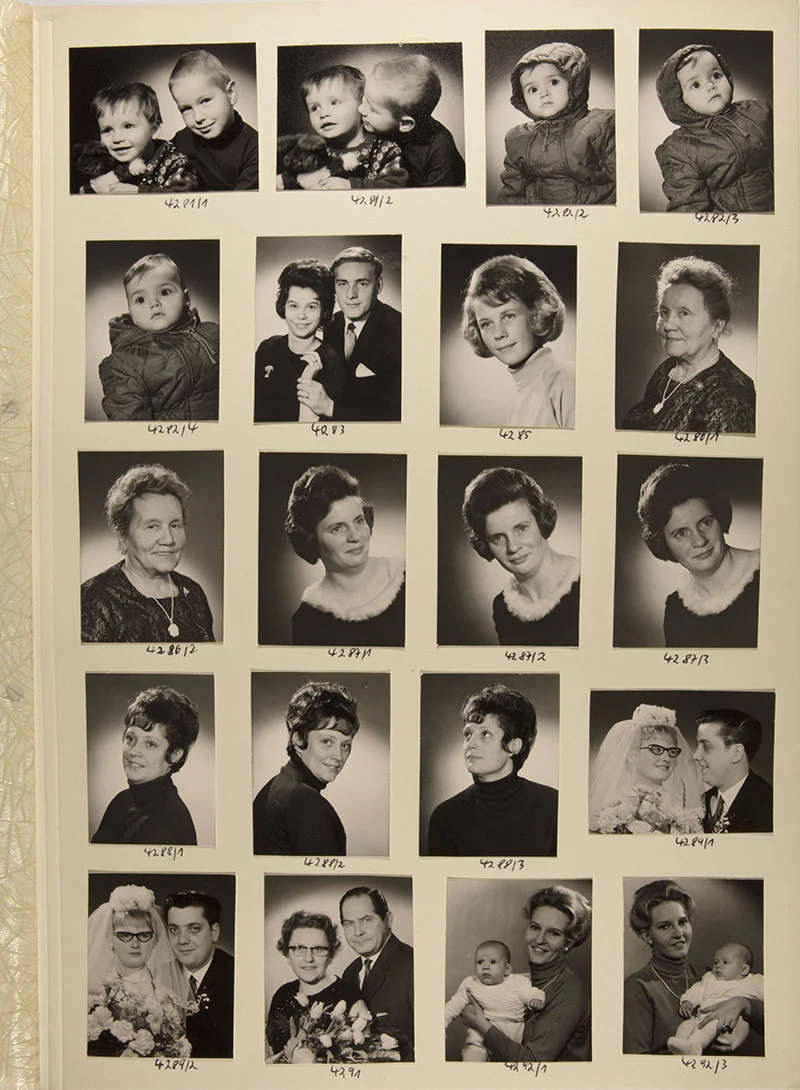
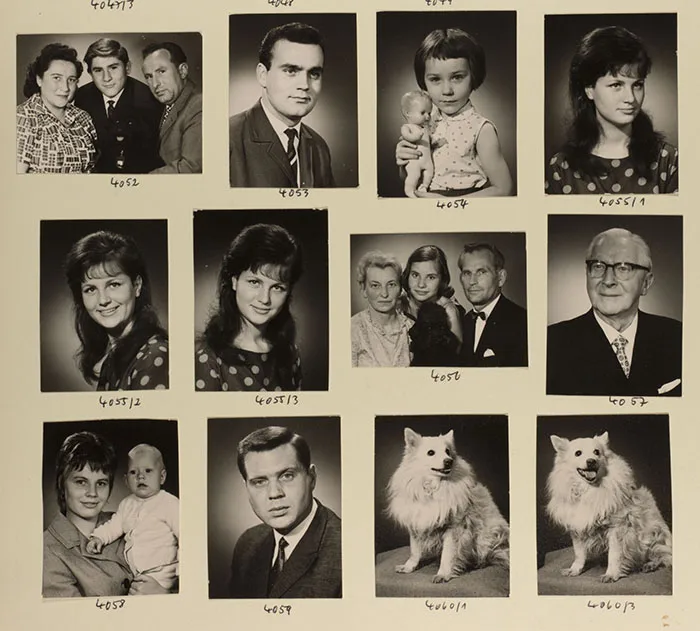
The photographs presented here show the work of a studio built around clear procedures and a recognisable aesthetic: precisely parted hair, bouffant hairstyles, Sunday clothes and the family pet — pictures for identity documents, job applications and family albums. They record the photographic self-image of ordinary Berliners at the time, shaped by middle-class values, order and a well-groomed appearance.
The aesthetic was clearly standardised and suited to popular taste: restrained, controlled and representative. Precisely for that reason, the pictures offer a revealing view of conventions of self-presentation, ideals of beauty and visual norms in the post-war period.
A Glimpse of Studio Routine
Foto-Klinke’s photographic output, accumulated over decades, must have been extensive. What survived after the business closed remains largely unknown.
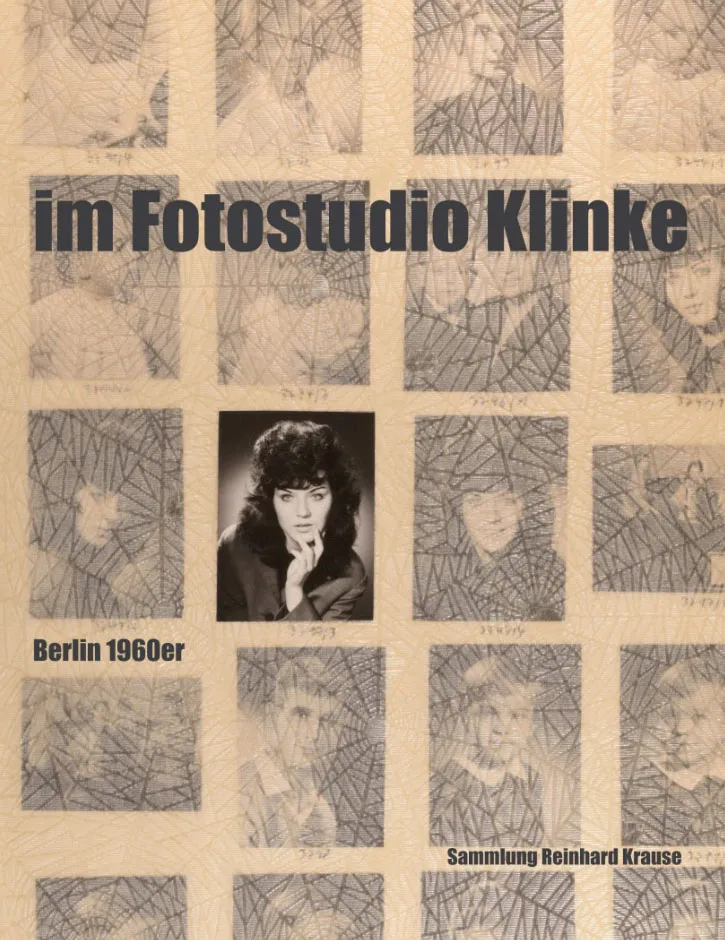
The material presented here consists of several A4 card sheets bearing working prints from the studio’s internal order archive. After the company closed in 2002, these sheets passed through an online dealer into private ownership.
These archive sheets from the 1960s represent only a small fraction of the total production, but they offer a precise insight into a professional studio’s photographic practice in the analogue era.
The sheets of reference prints for individual orders originally served internal record-keeping and possible reorders. Each commission received a handwritten consecutive number: functional working material, never intended for display.
Their chronological order now provides a revealing record of everyday photographic practices. A passport picture is followed by a family portrait with a dog, then a wedding photograph, a job-application picture or a child’s portrait. Different photographic uses sit side by side, in the order in which customers brought them to the studio.
Further examples are available in these magazines as PDF downloads: