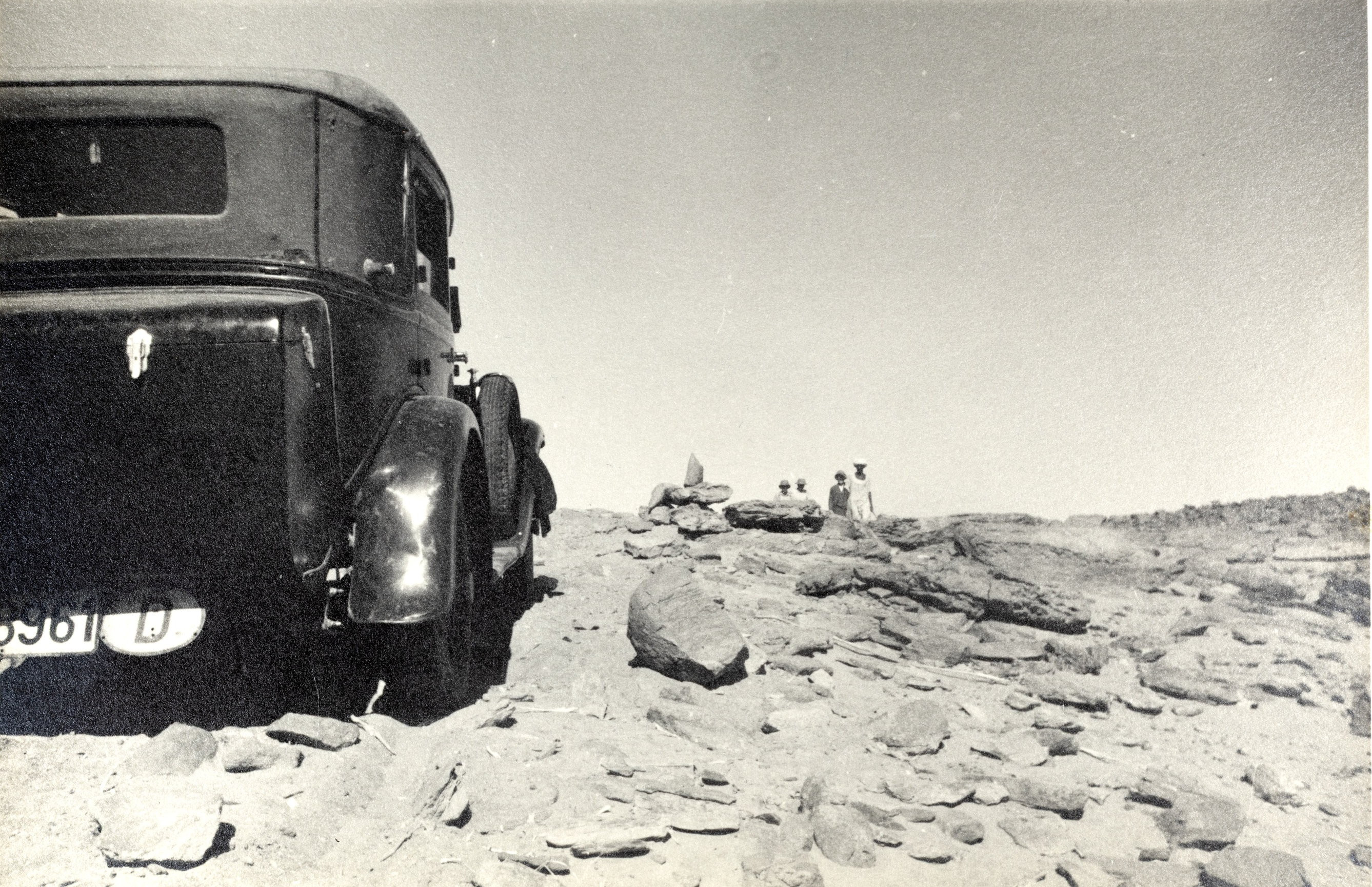
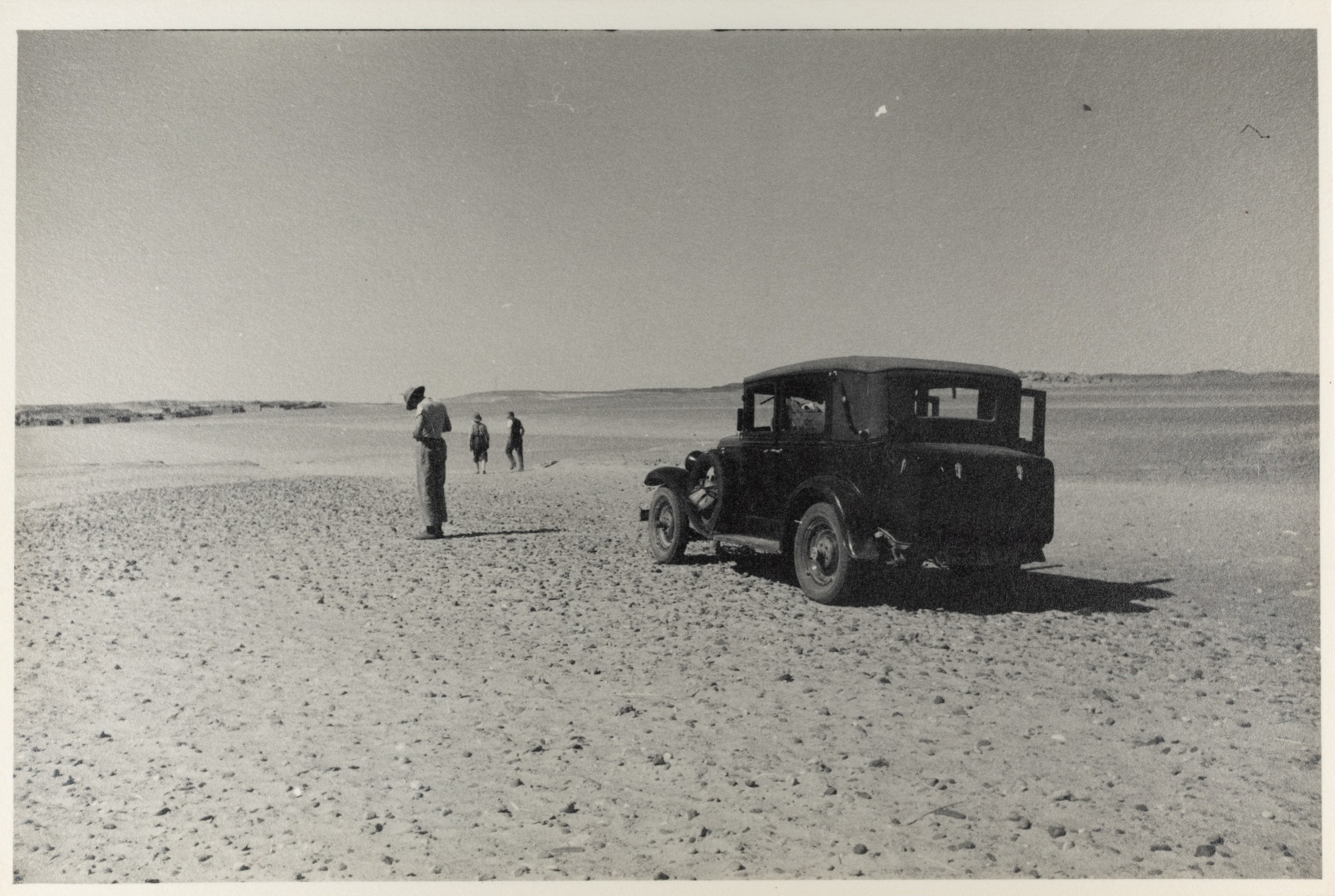
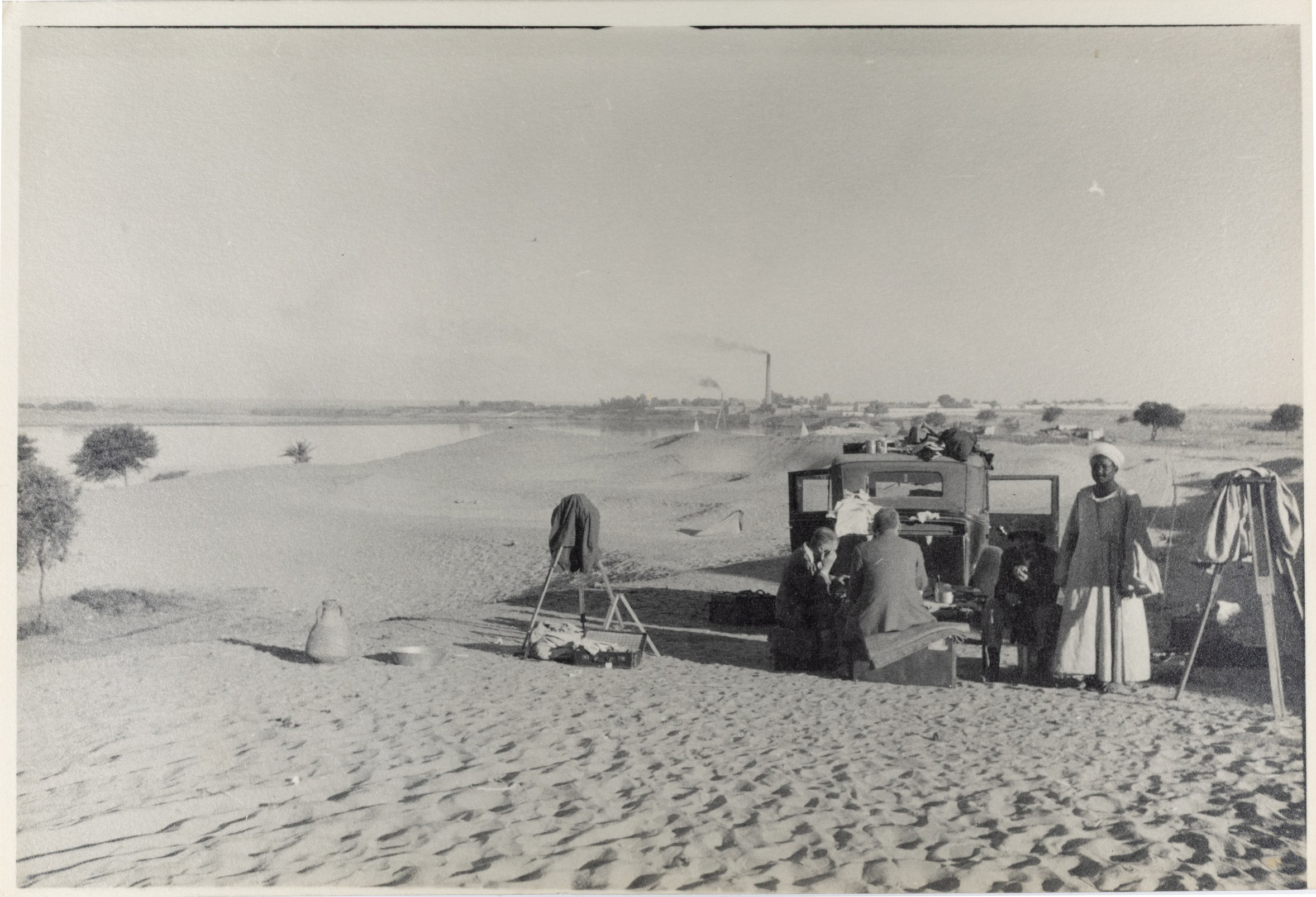
A car bearing a German registration plate stands in an Egyptian desert landscape. How did it get here? Four people can be seen in the background. What were the travellers doing at this location?
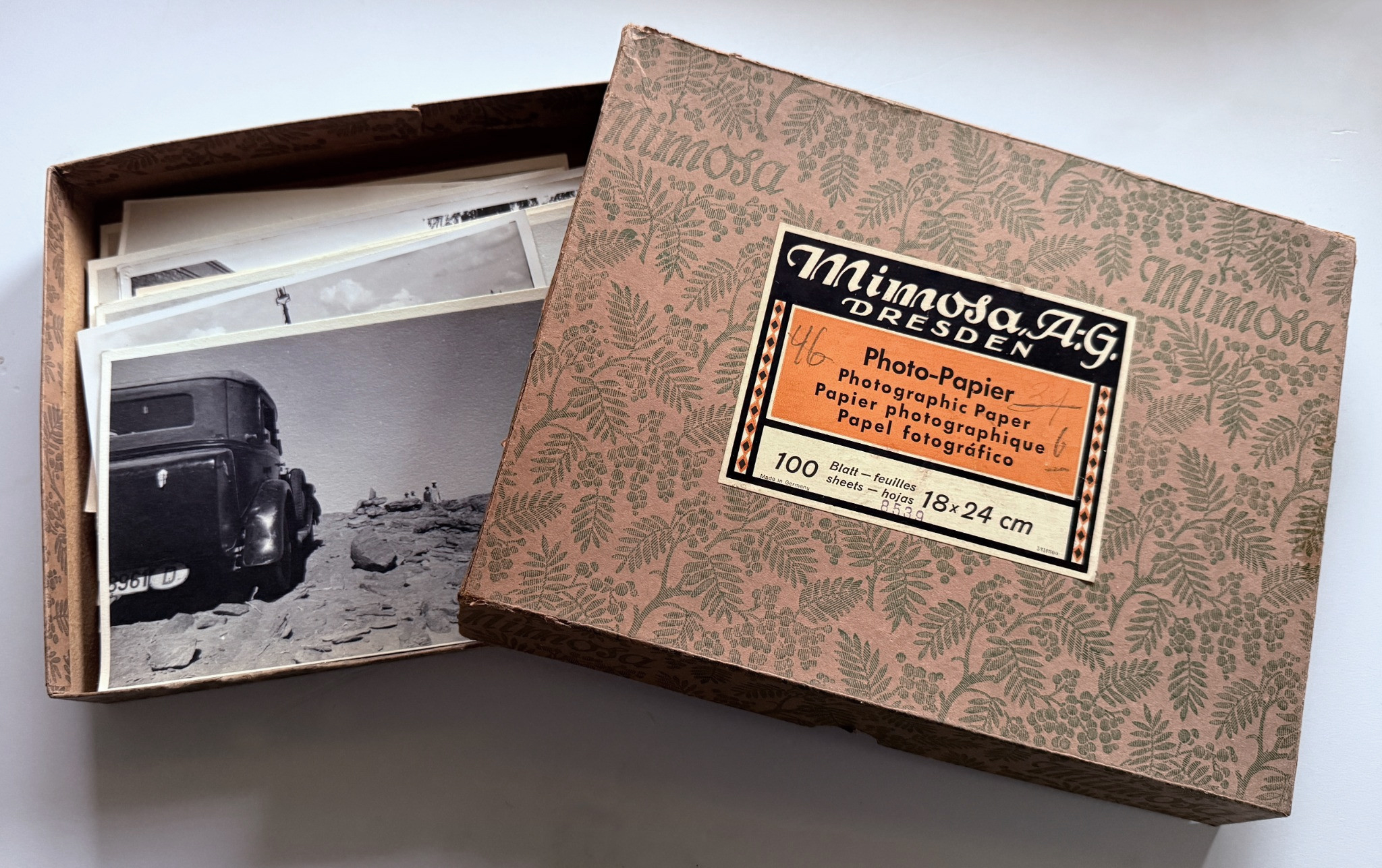
The back of the photograph carries no explanatory text, only a handwritten number: 402/32. On its own, this number reveals little about the people pictured or the circumstances of the photograph. The print’s provenance, however, provides a first clue: it comes from the Hamann family collection and is preserved by Alf Hamann. This leads to his grandfather Richard Hamann and his father Richard Hamann-MacLean, both art historians and photographers. These travel photographs have survived within the family.
Behind this image lies a distinctive photographic expedition. In 1937, a team led by Richard Hamann and his son travelled through Egypt with cameras. They photographed works of art and architectural monuments and brought the images back to the Foto Marburg Image Archive, which Richard Hamann had founded.
The handwritten number makes it possible to identify the photograph in the Foto Marburg Image Archive. It is dated 1937 and titled “The expedition car (Chevrolet National) in the rocky desert near Gebel es-Silsileh (Richard Hamann and a companion in the background).” Richard Hamann-MacLean is credited as the photographer. [1]
Gebel es-Silsileh lies in Upper Egypt between Edfu and Kom Ombo, where sandstone cliffs narrow the Nile. Its ancient quarries supplied building stone for major temple complexes, including Karnak and Luxor. [2]
The car was part of the expedition’s working equipment. It transported people, cameras, tripods and photographic supplies, allowing the group to move between locations. Its ground clearance of approximately 23 centimetres would likely have been useful on uneven desert tracks. [3]
A Personal View of the Expedition
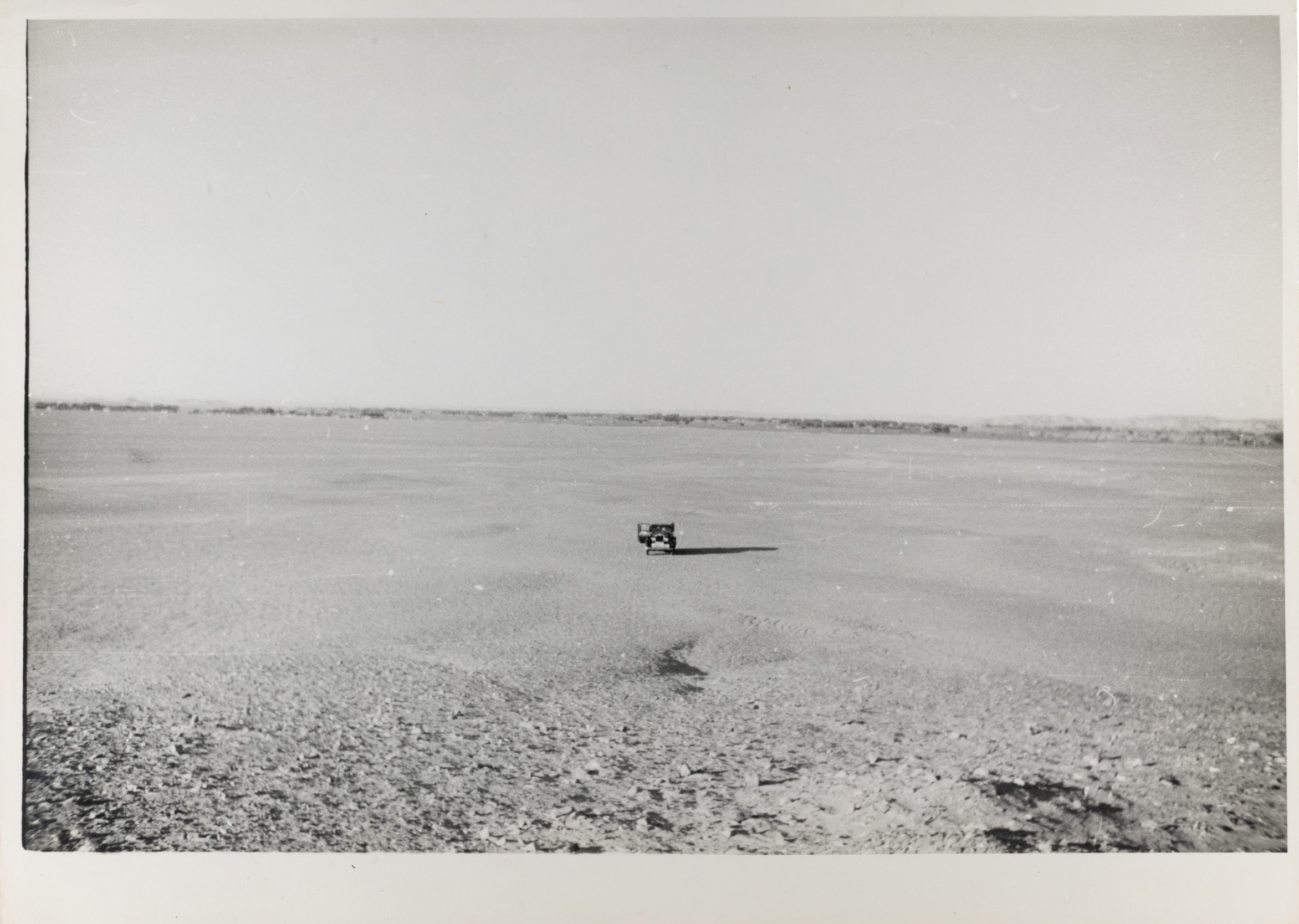
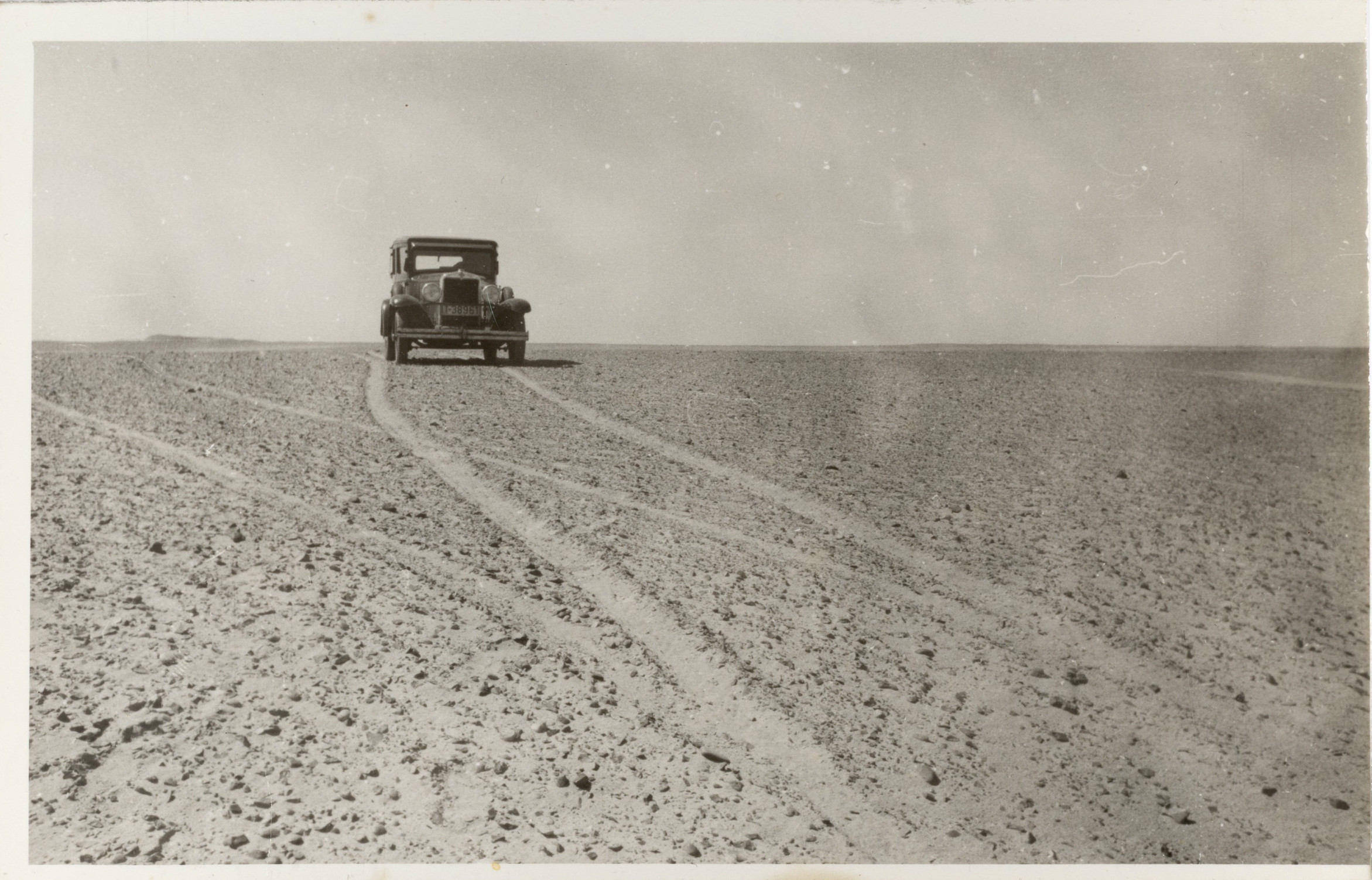
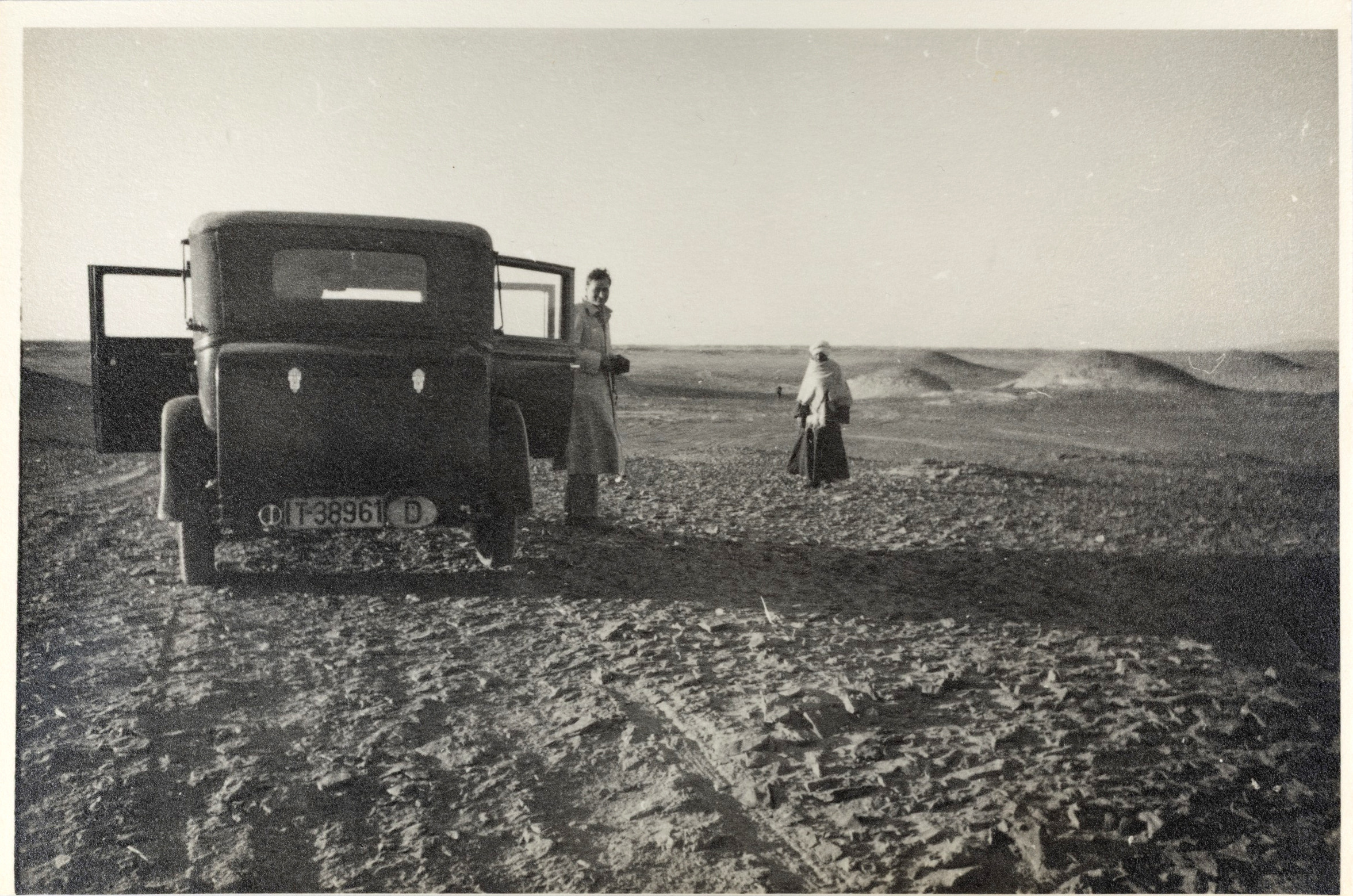
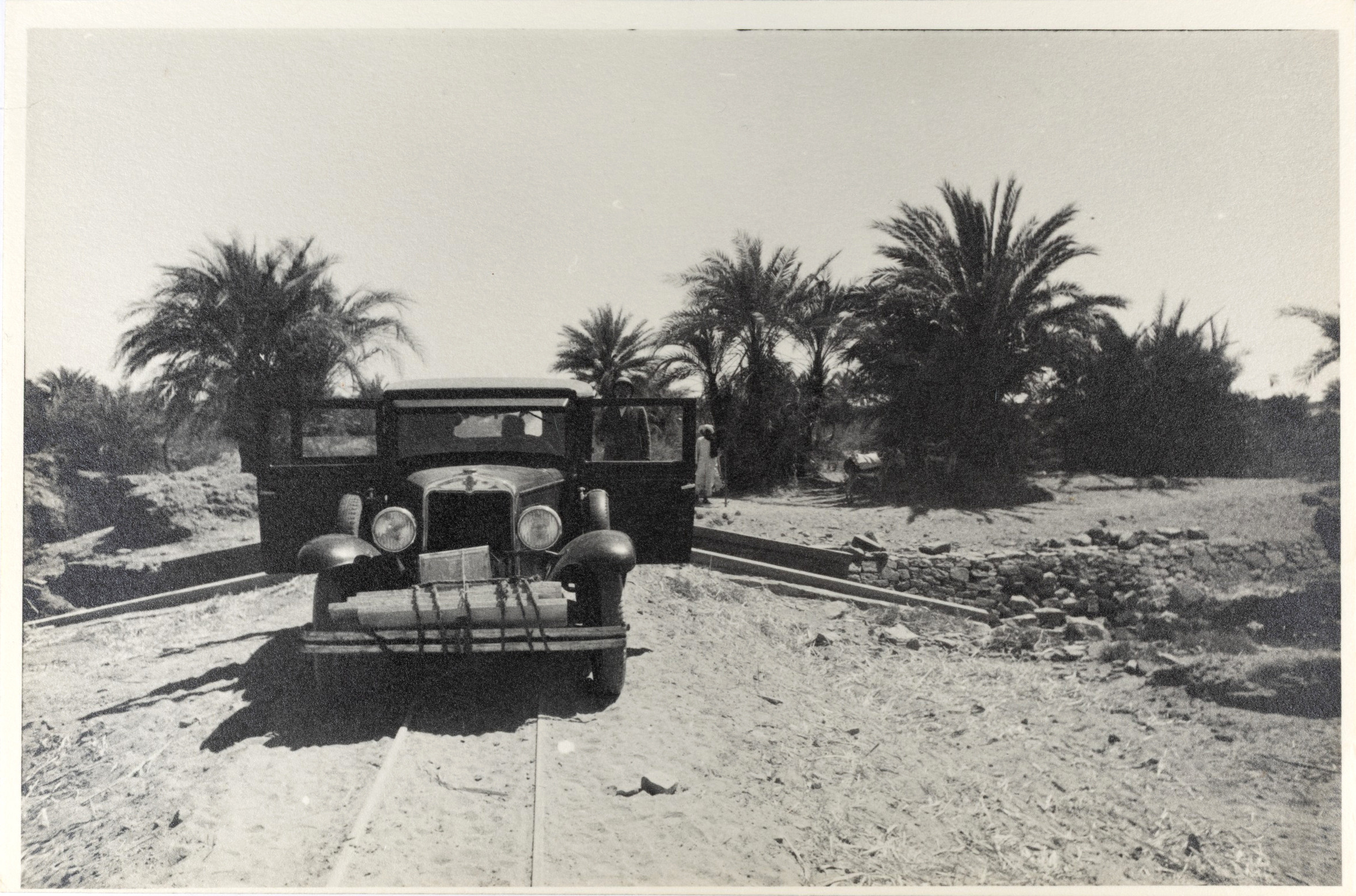
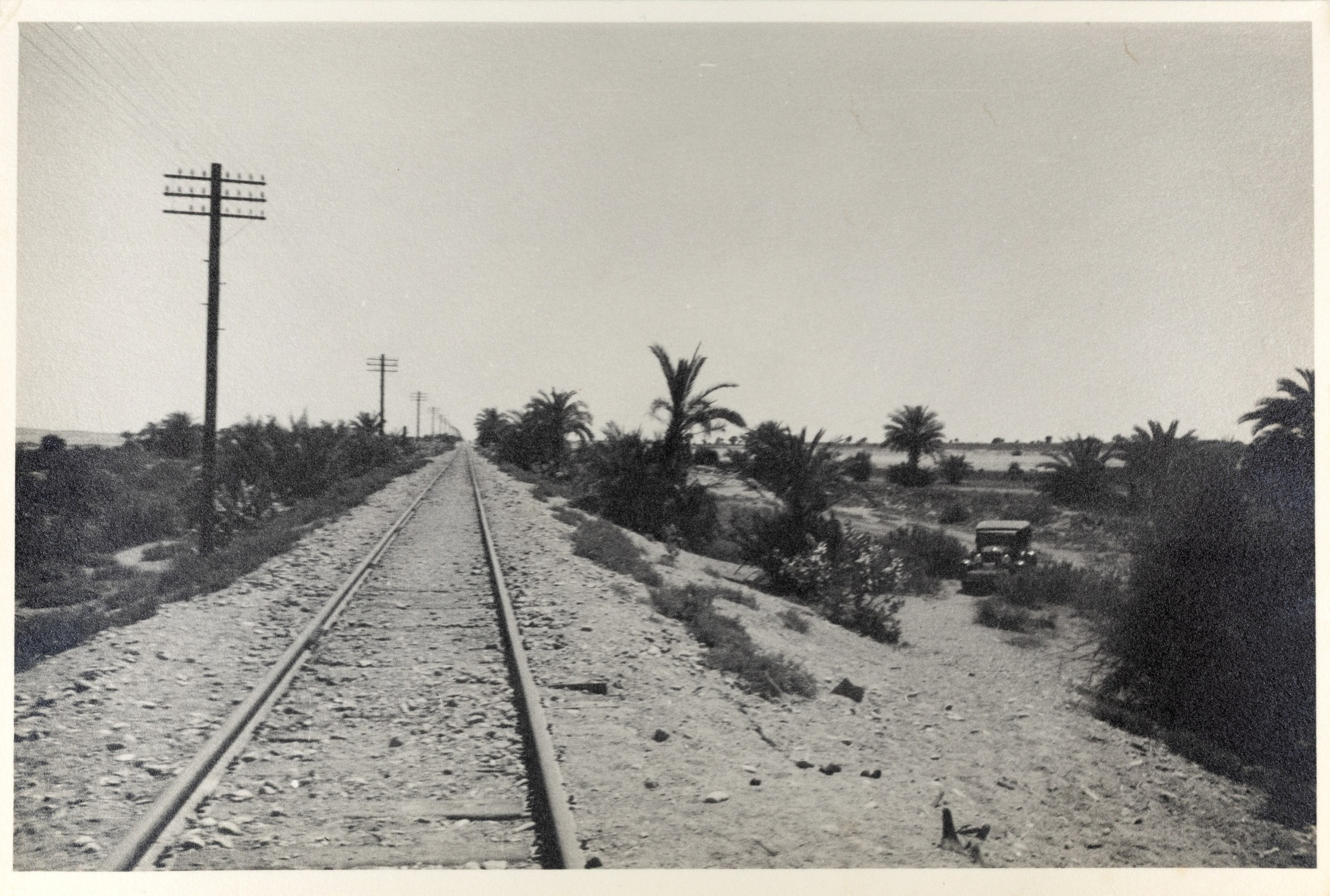
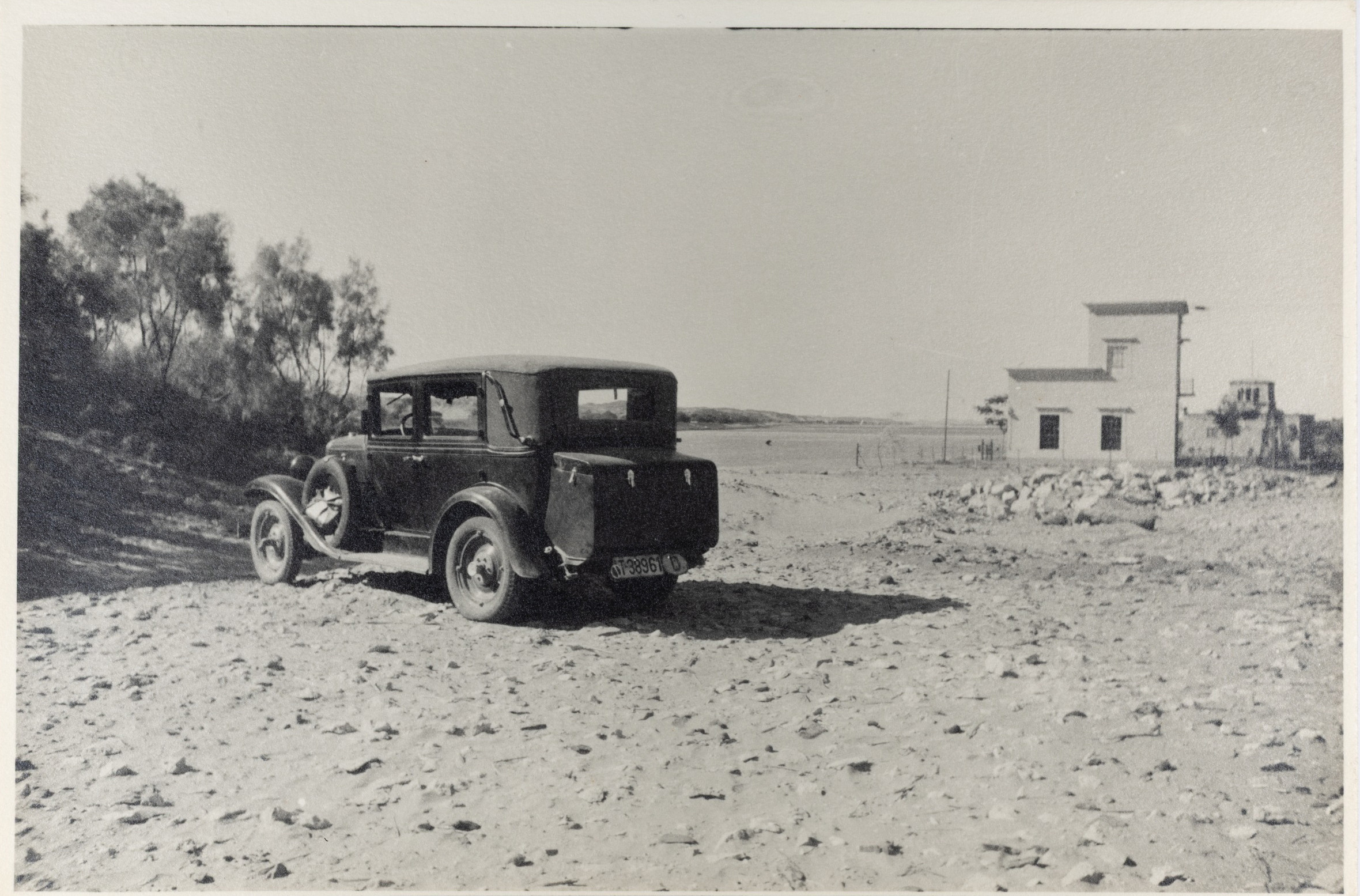
The travel photographs preserved in the family collection offer a personal view of the expedition. These images also survive in the Foto Marburg Image Archive, alongside thousands of scholarly photographs of works of art and architectural monuments. The family collection is particularly valuable for its selection: it shows which images Richard Hamann-MacLean kept as mementos of the journey—photographs of the travellers, their equipment and everyday life on the road, as well as people and landscapes.
Archive
CC BY-SA 4.0 – Attribution – ShareAlike
Original record in the Bildindex
Family collection
One photograph shows Richard Hamann and two companions having breakfast near Aswan. They sit in front of the open car, among crates and travel luggage. Tripods stand nearby, while other equipment is stored beside the vehicle and on its roof. The Nile can be seen in the background. [4]
These photographic expeditions were also adventurous journeys. Alf Hamann’s own recollections convey how closely research travel and family life remained intertwined: “In my father’s generation, the expeditions were sometimes our holidays as well. We sometimes camped in monasteries or in a cemetery. He would then photograph the things [he had come to document].” [6]
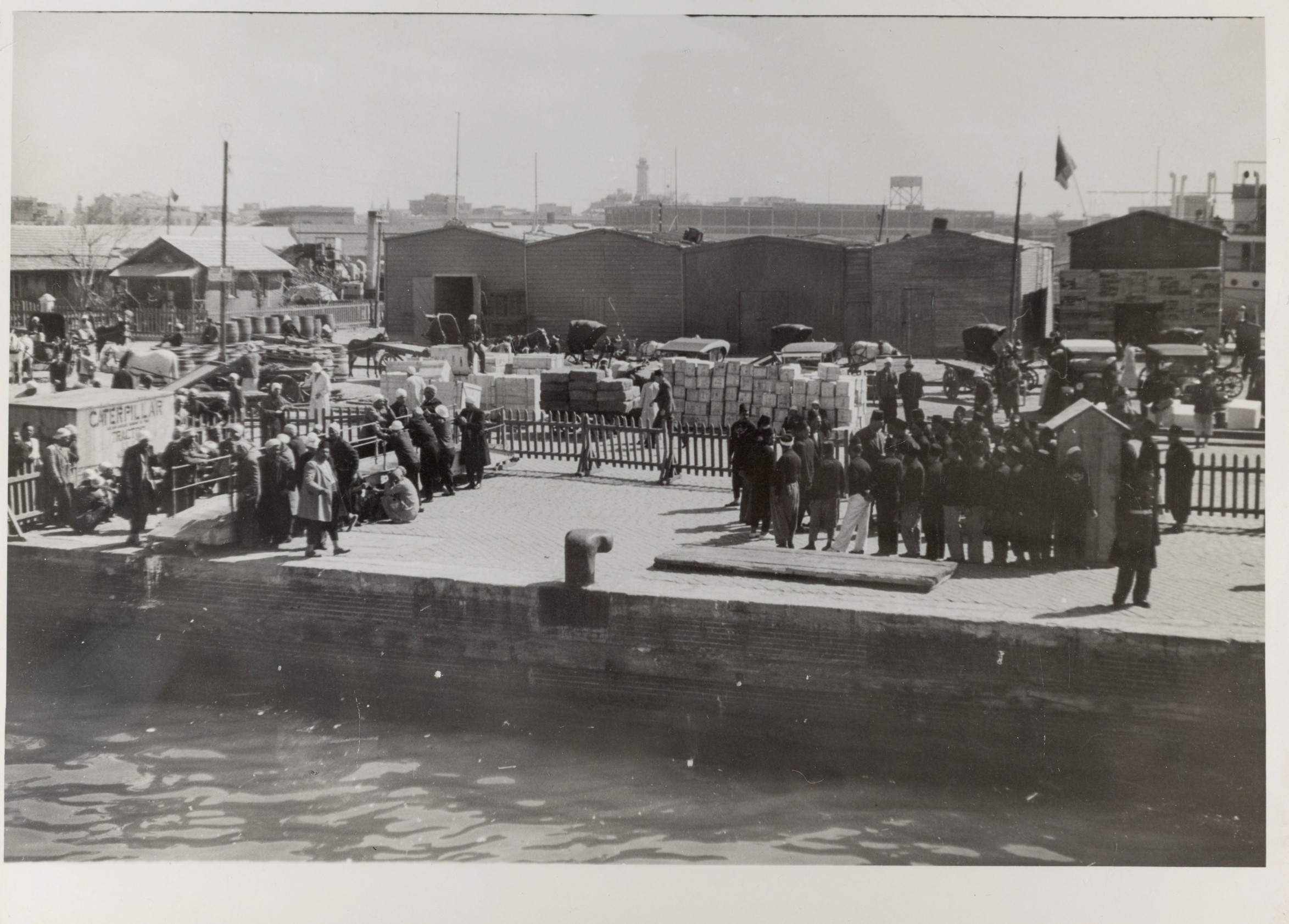
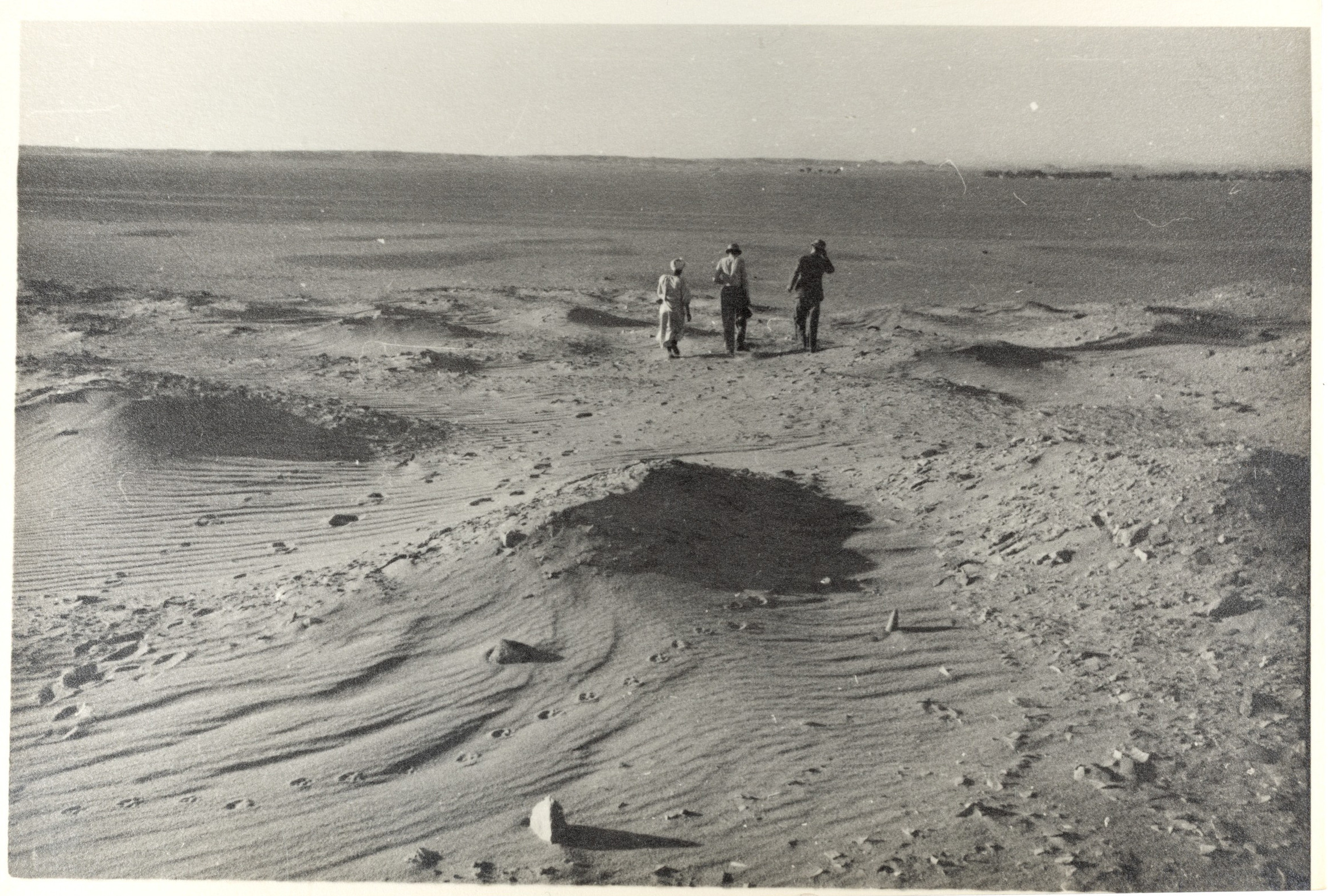
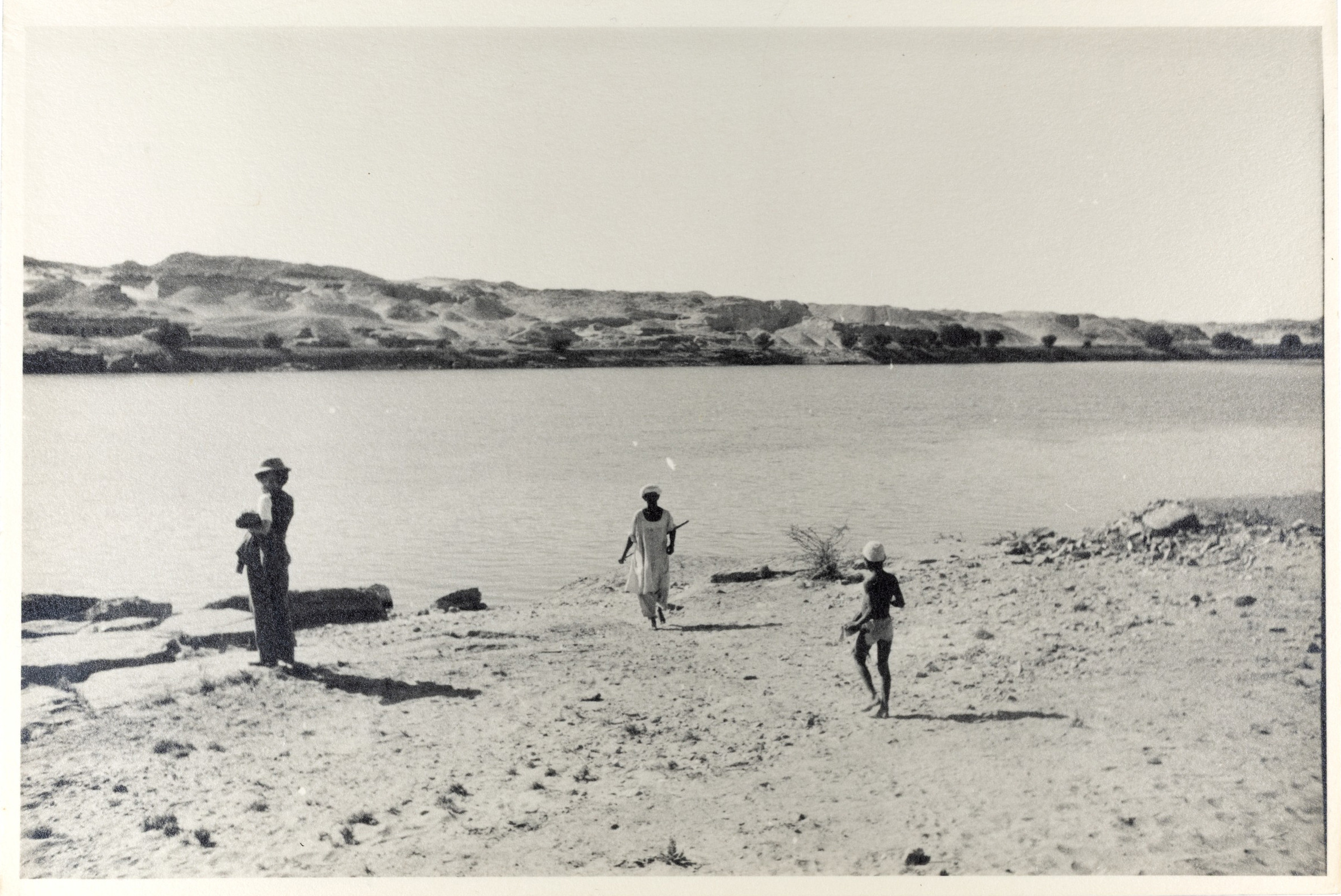
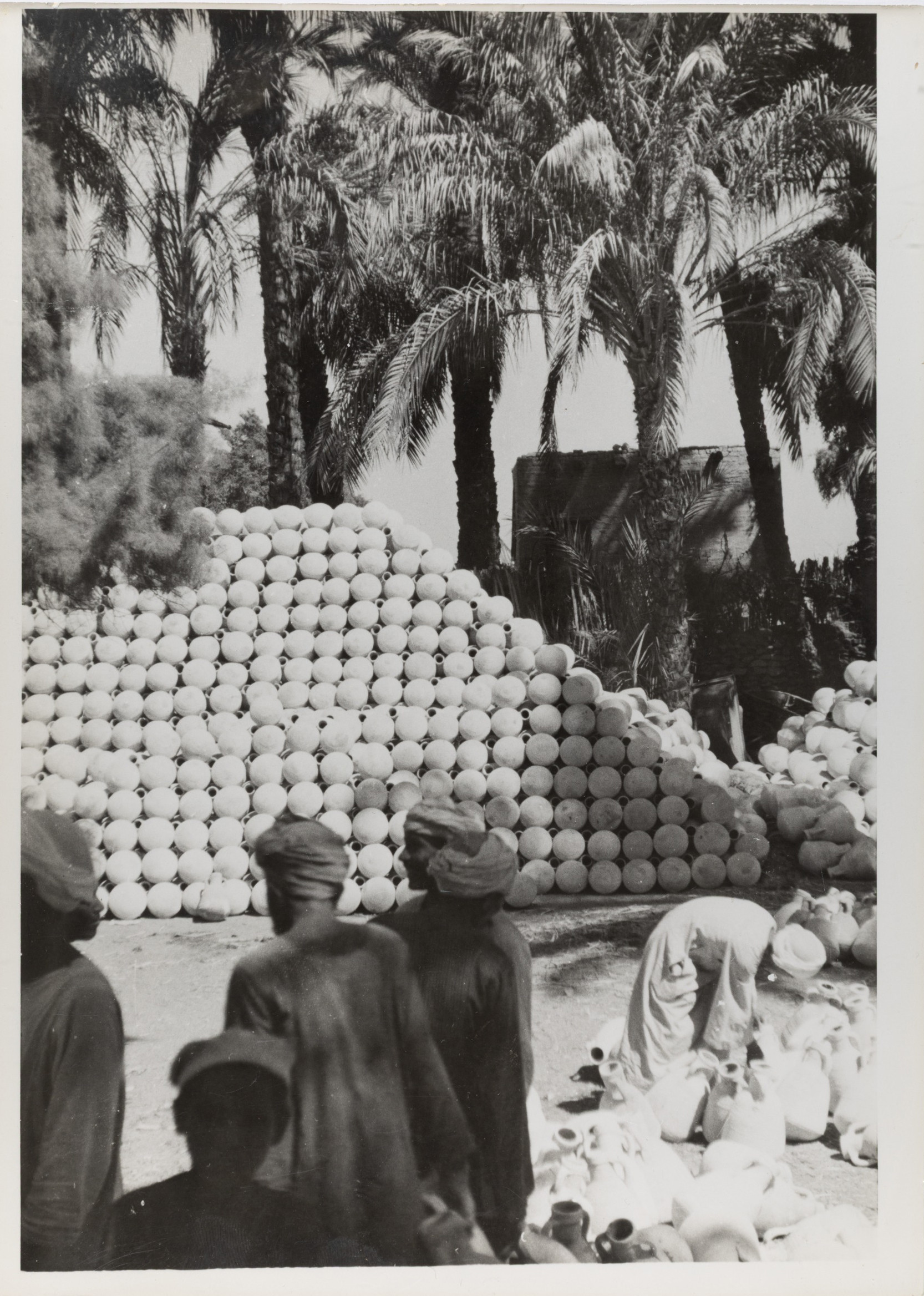
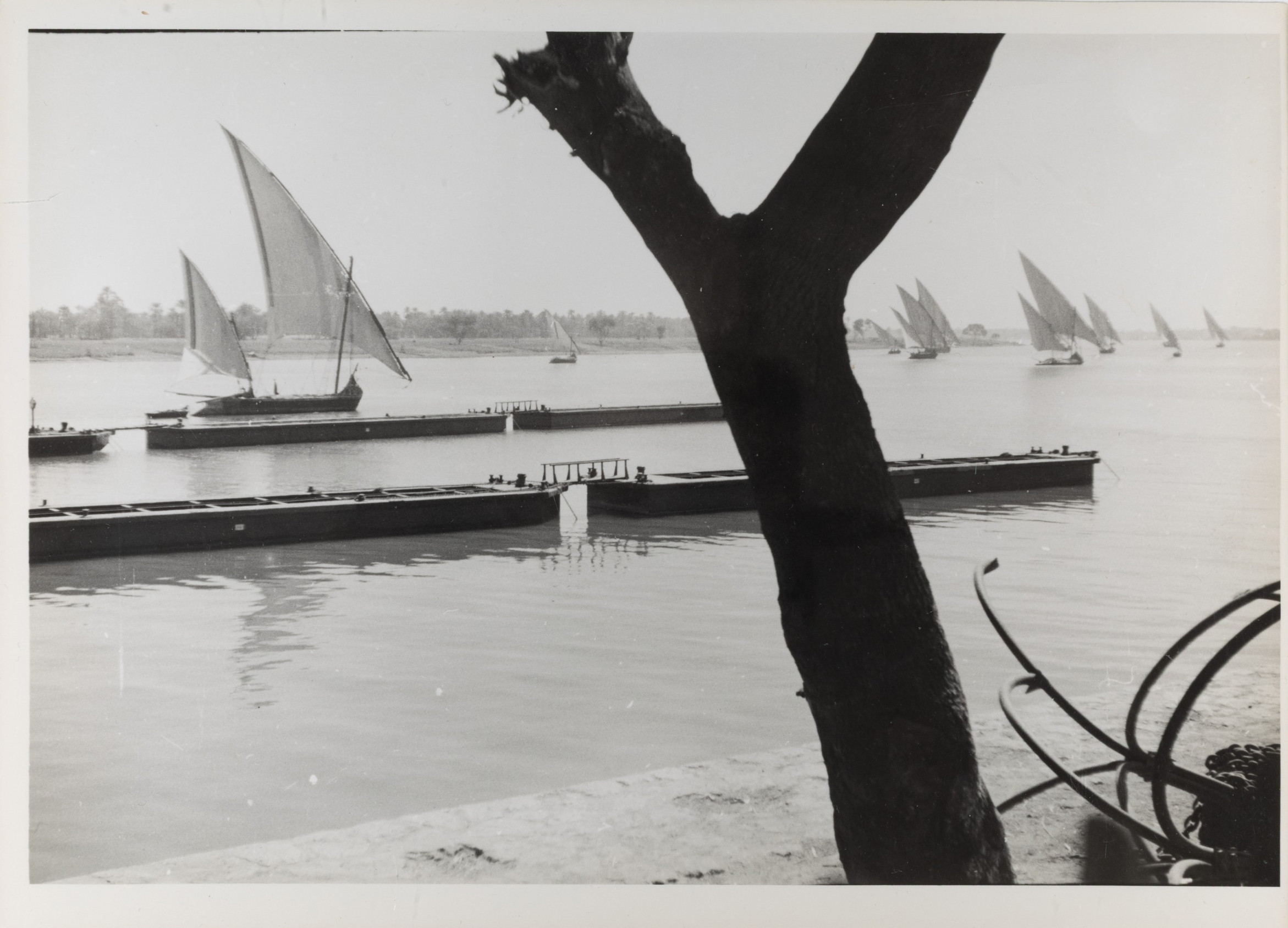
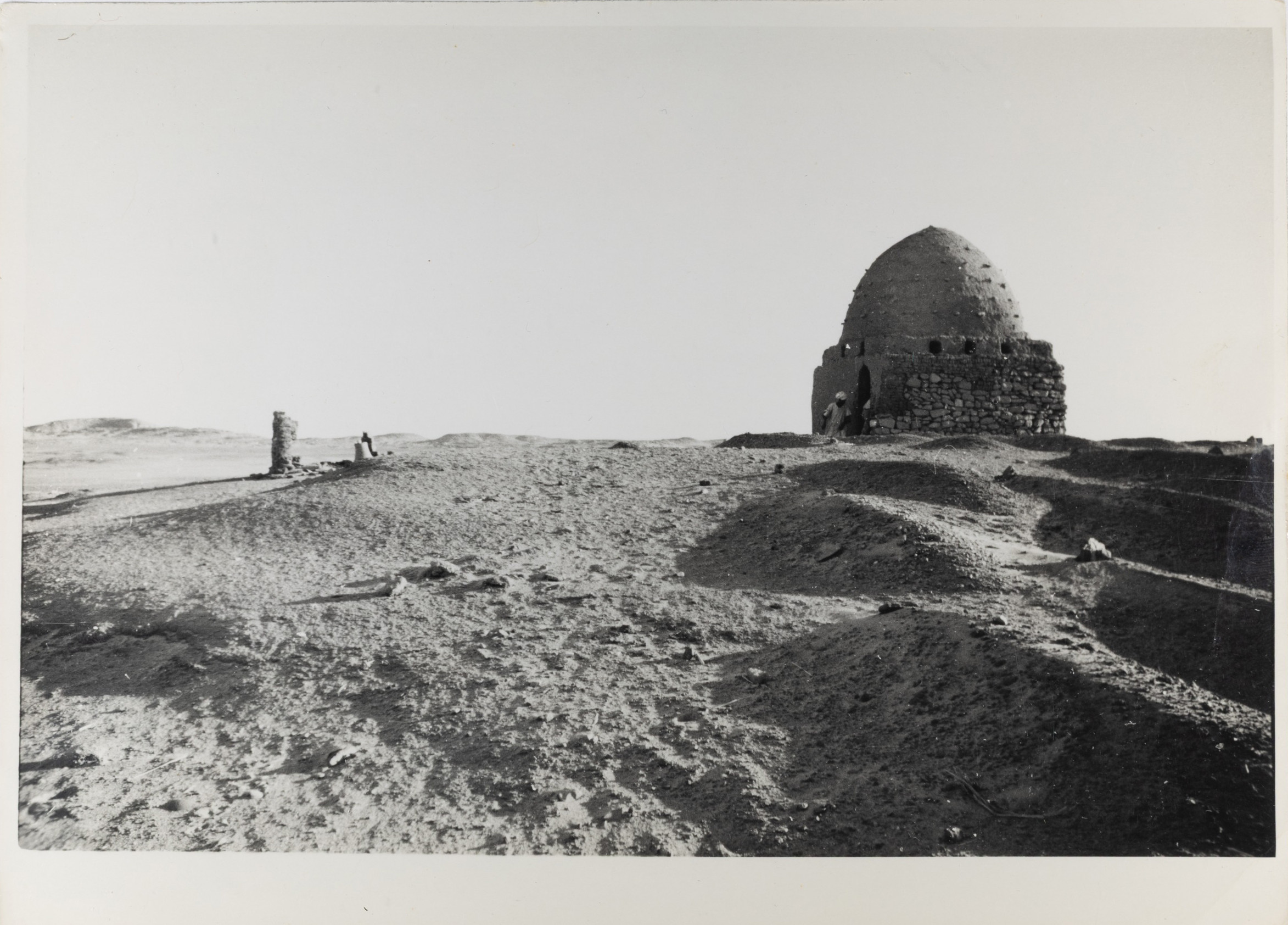
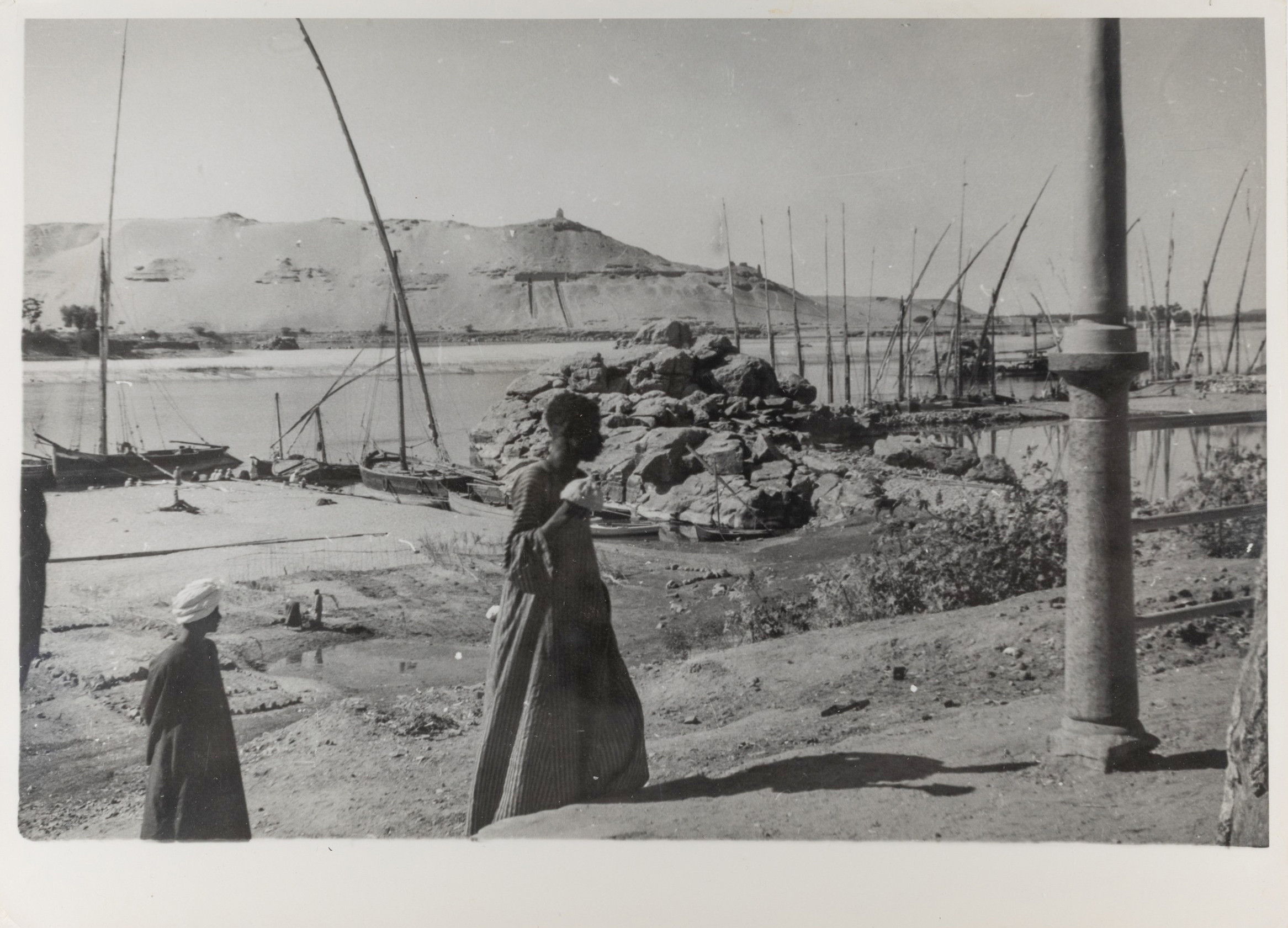
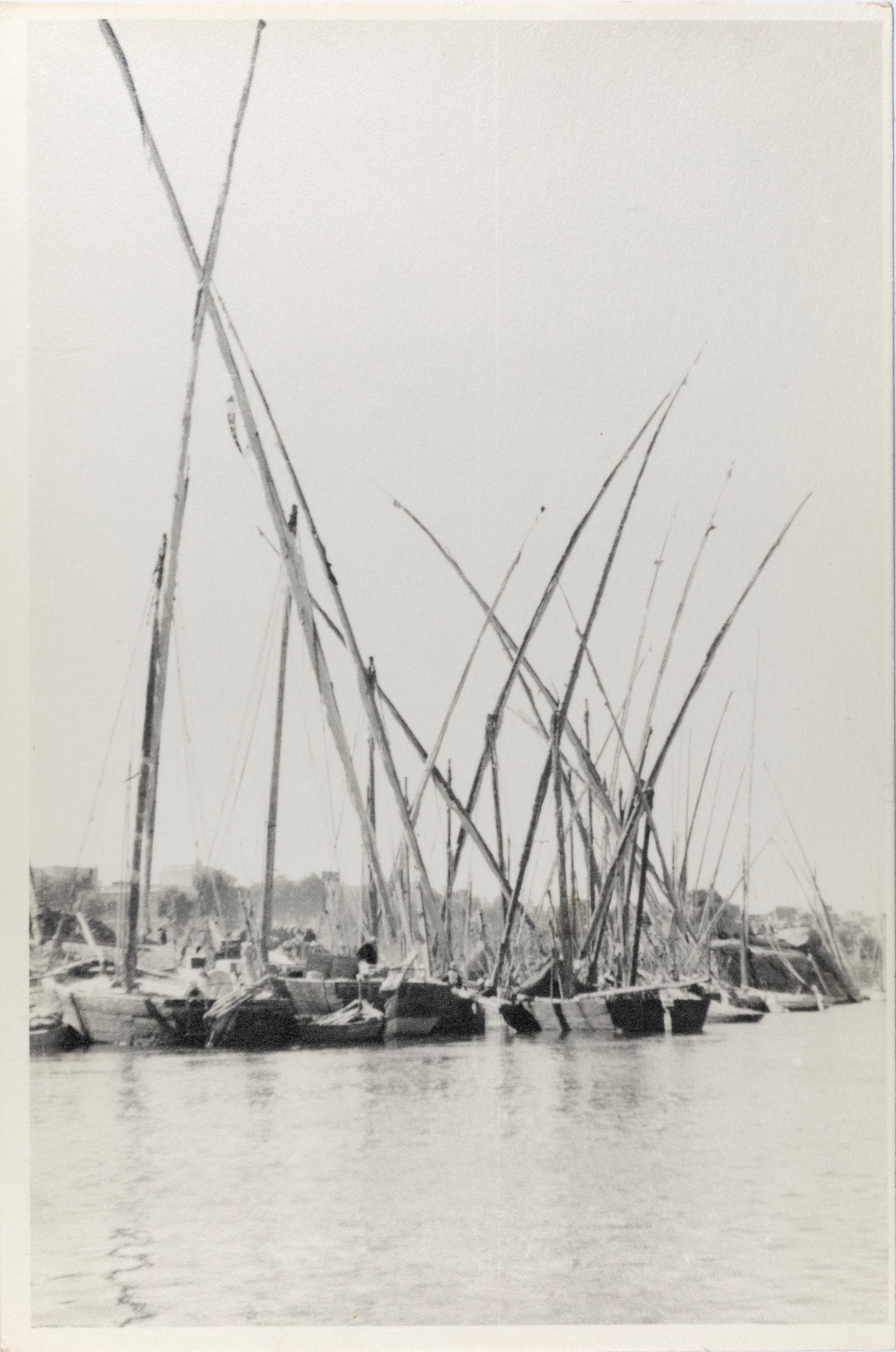
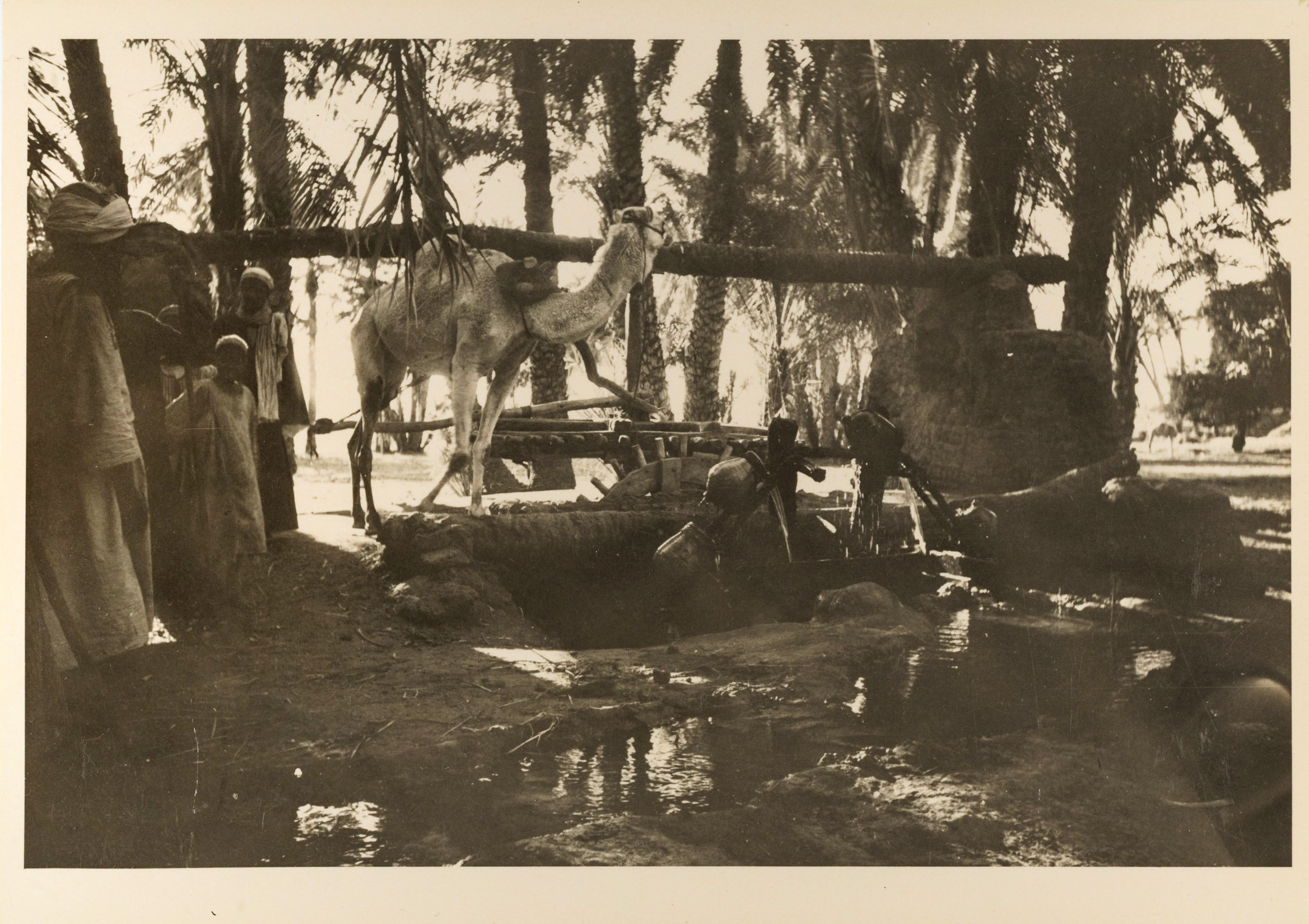
The Egyptologist Hans Wolfgang Müller provides information about the scholarly work near Aswan in his 1940 book *The Rock-Cut Tombs of the Princes of Elephantine from the Middle Kingdom*. In the preface, he states that he travelled to Aswan in the spring of 1937 with the photographic expedition organised by the Marburg seminar. [5]
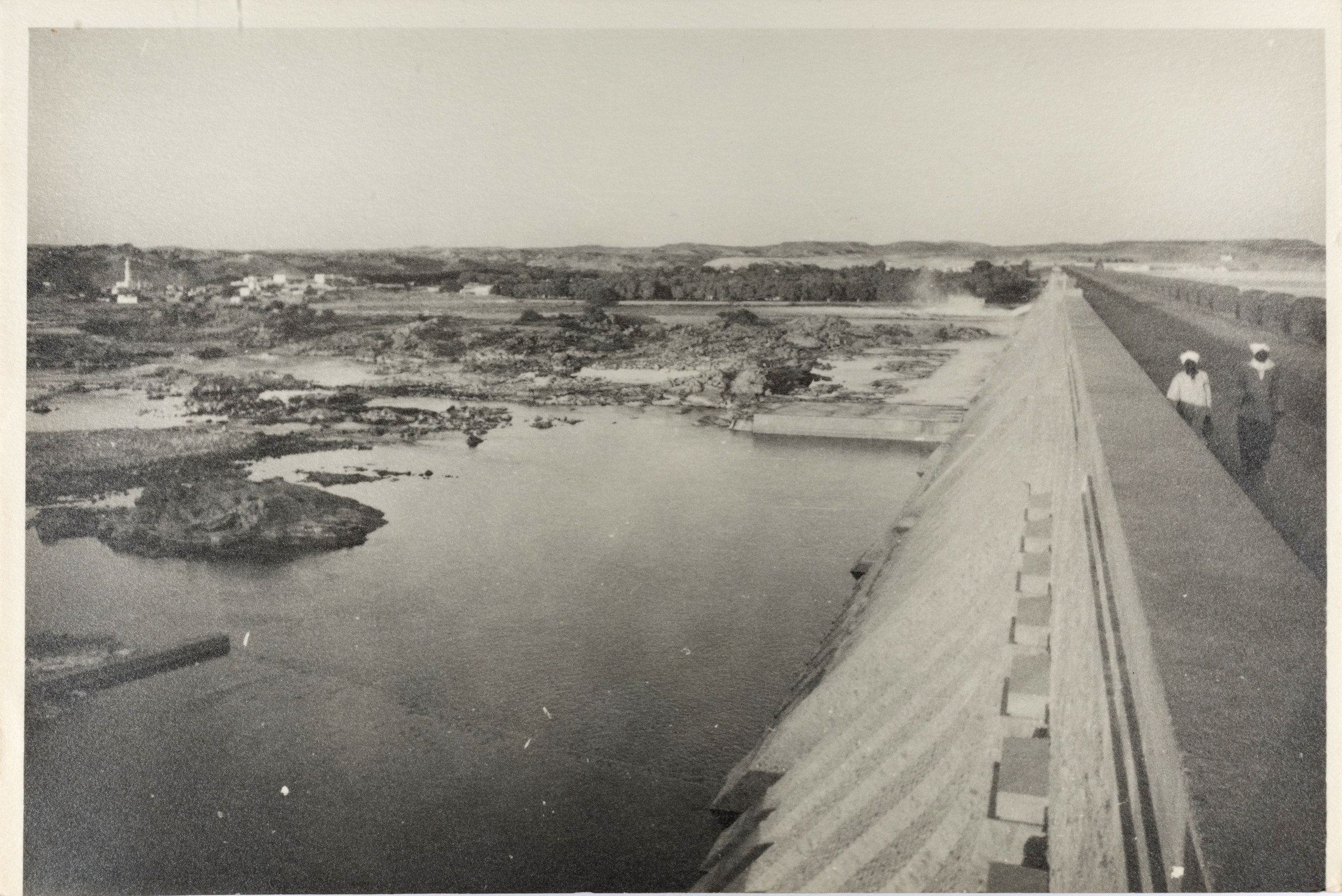
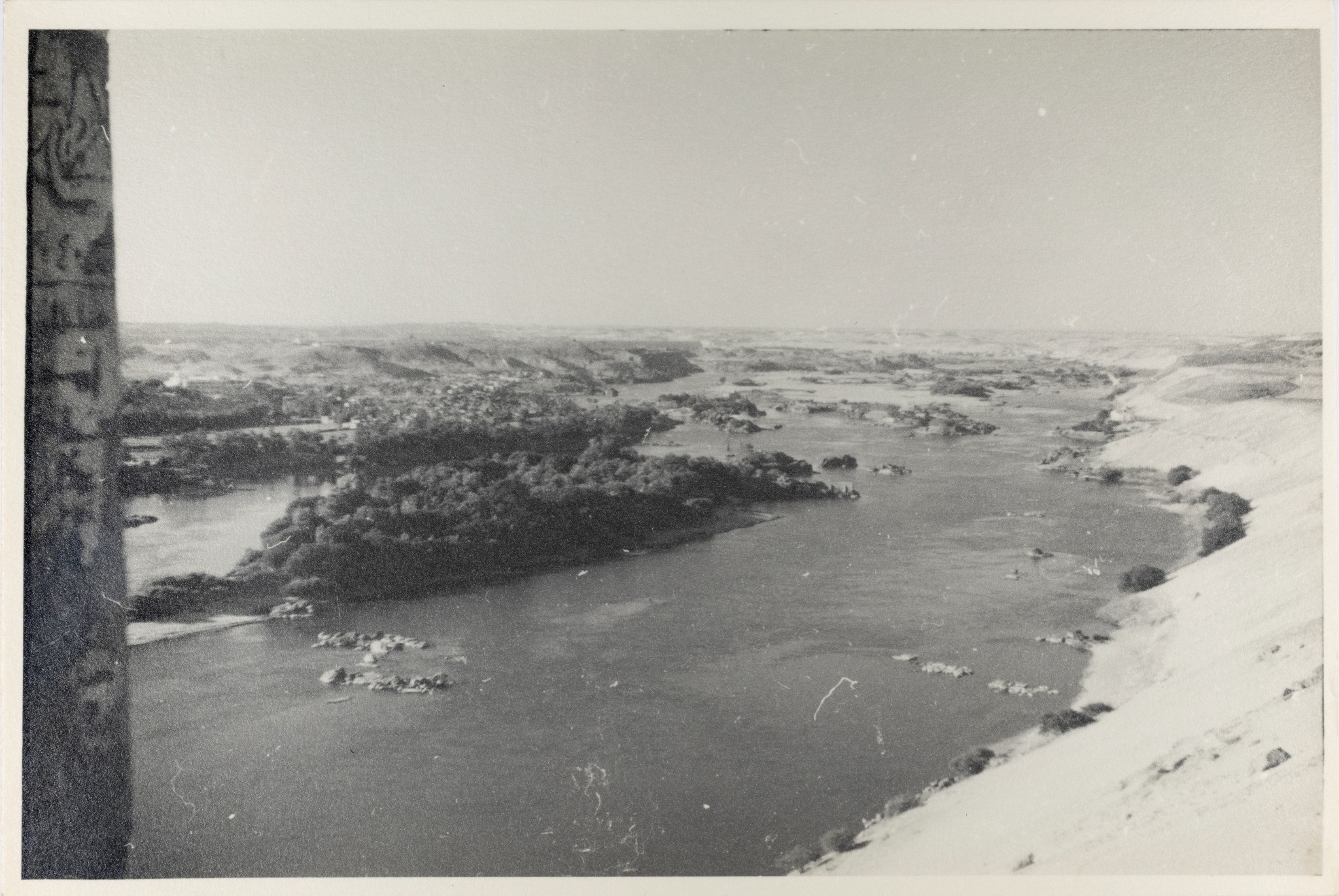
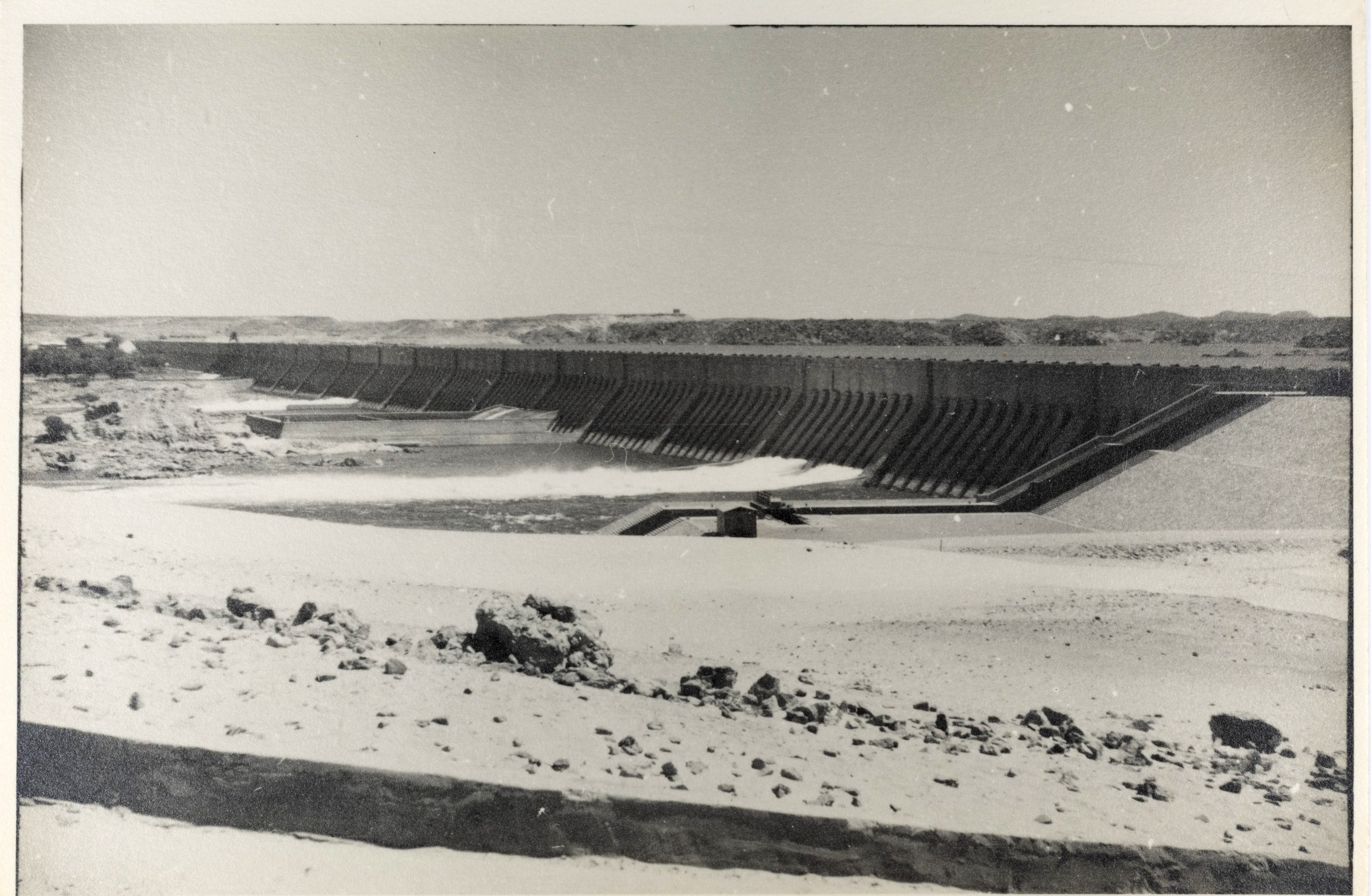
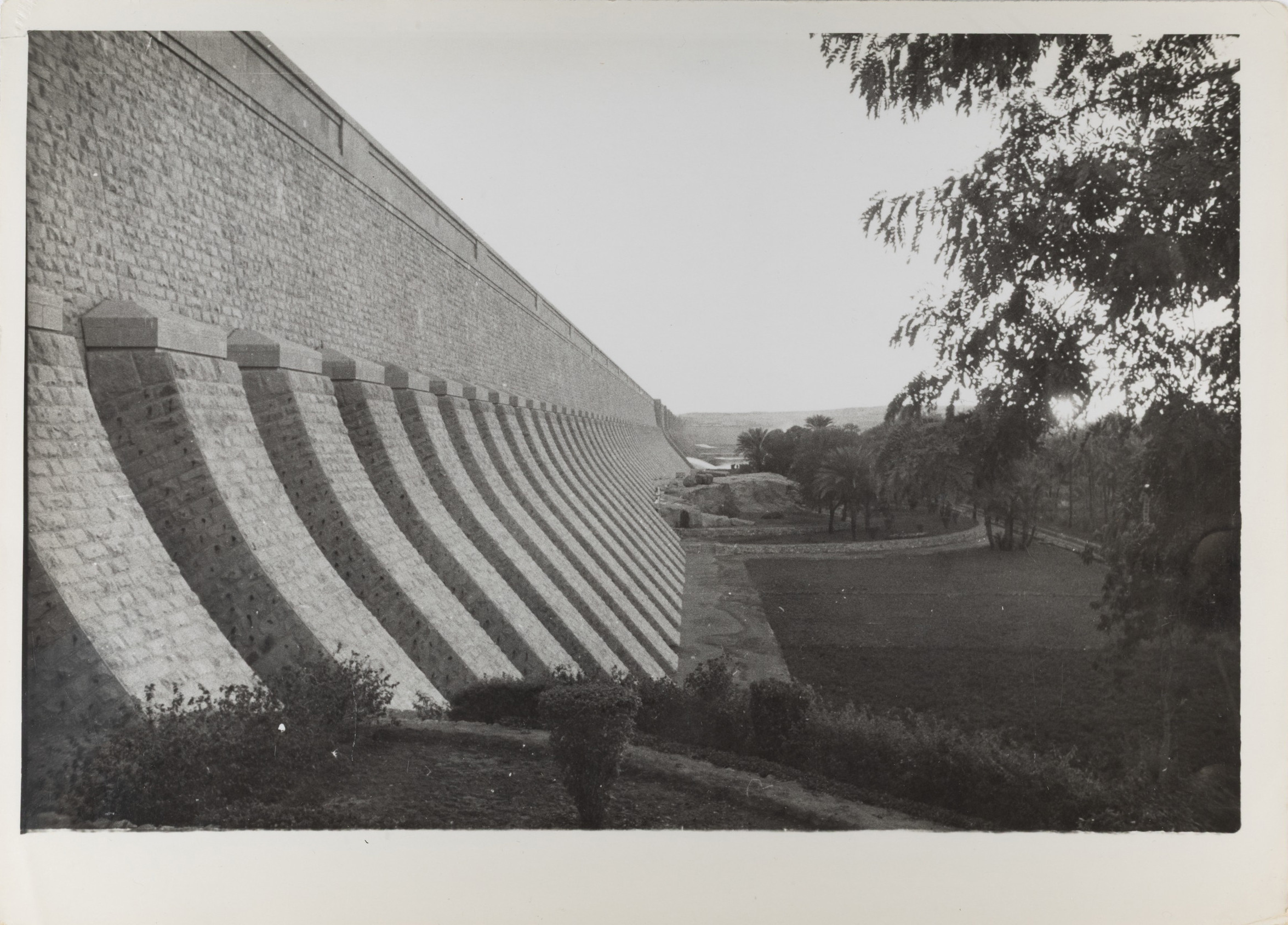
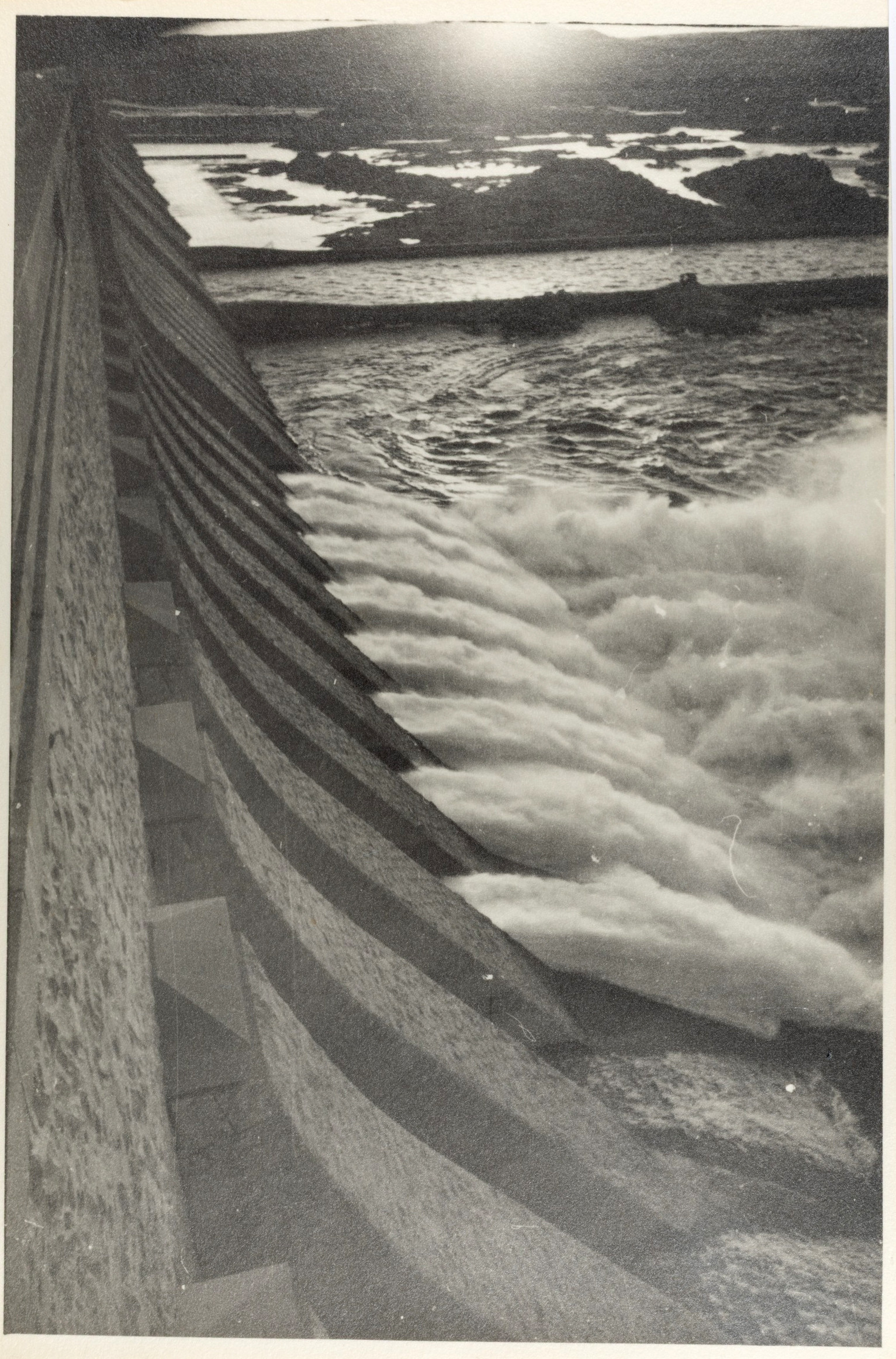
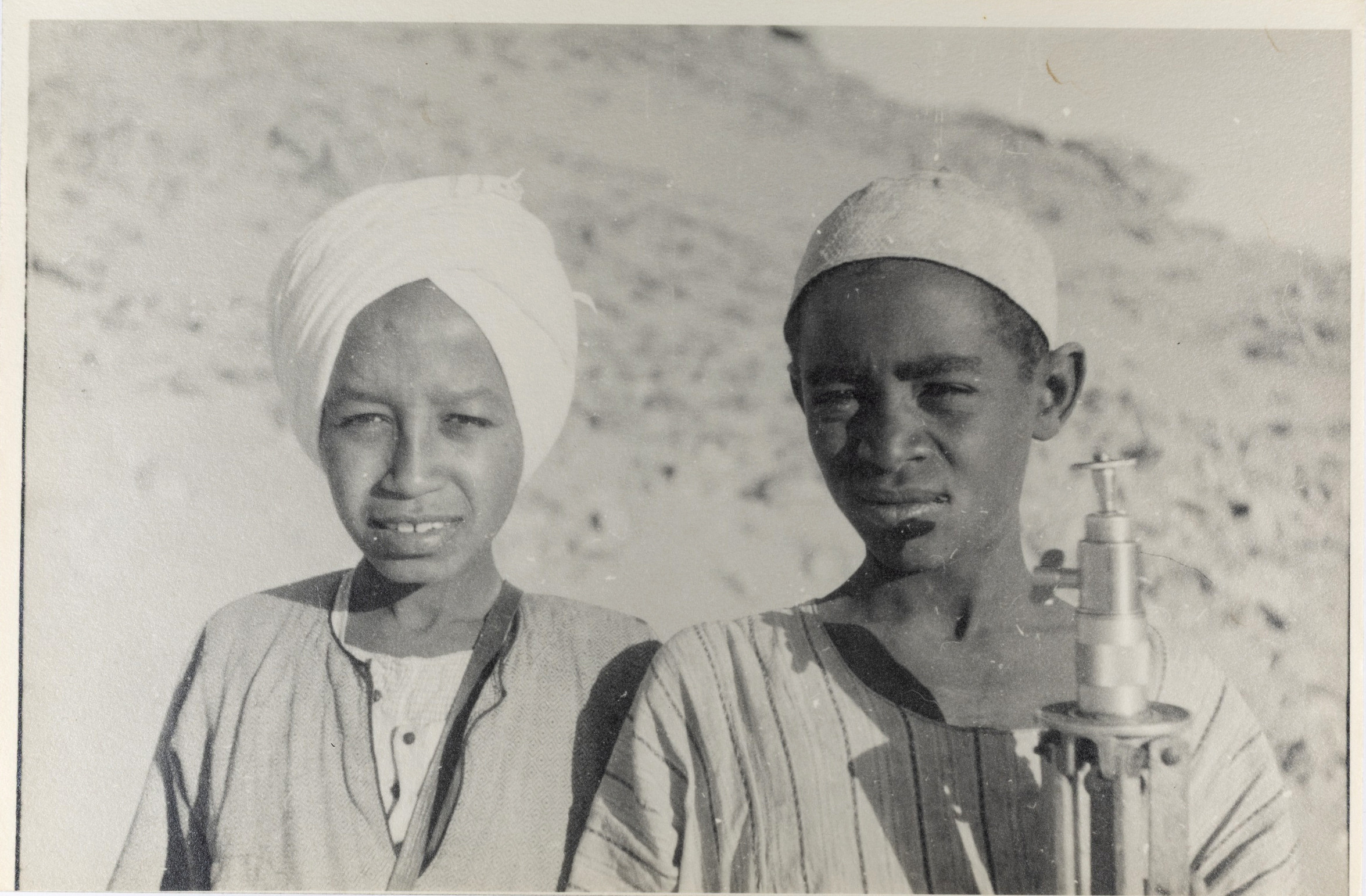
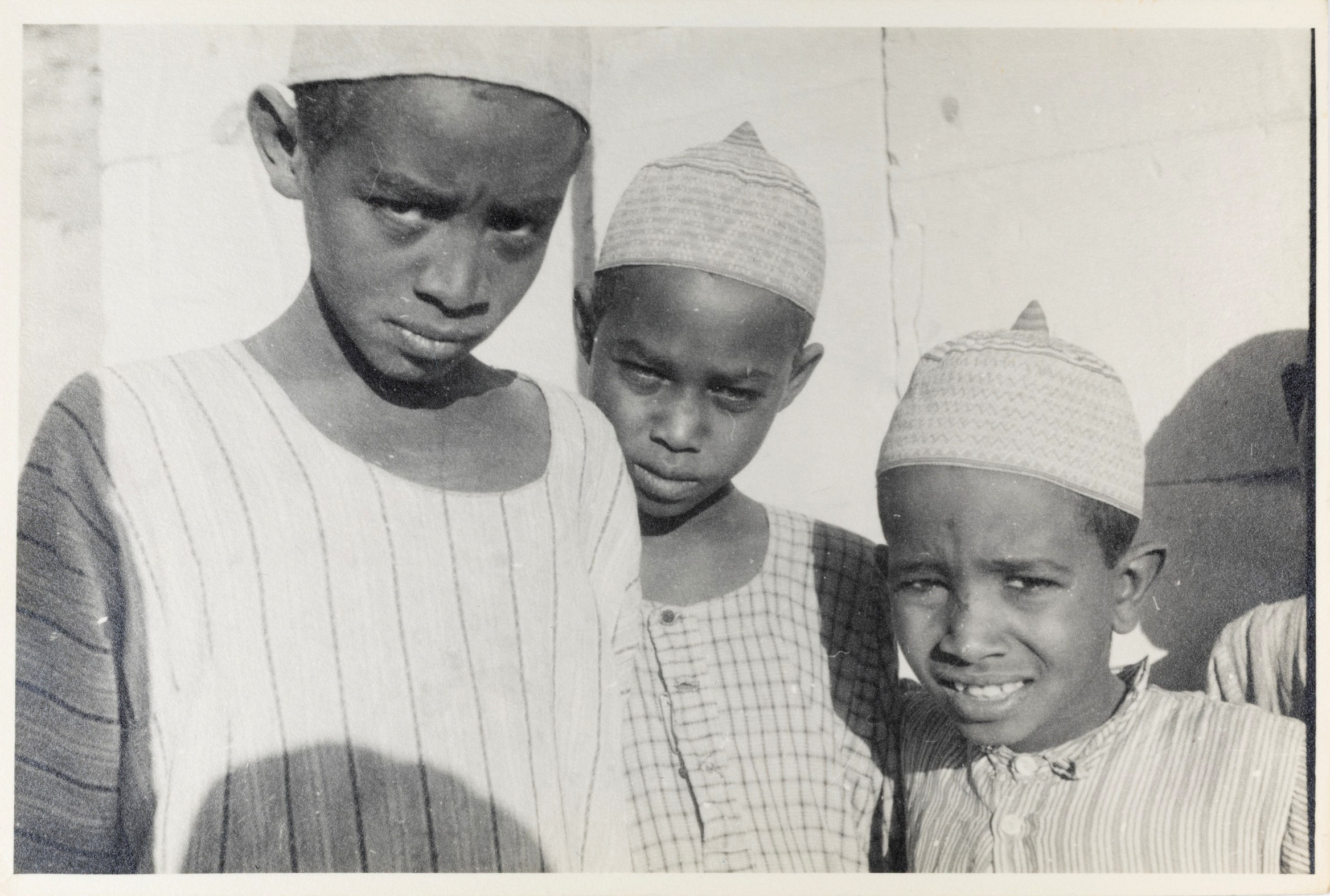
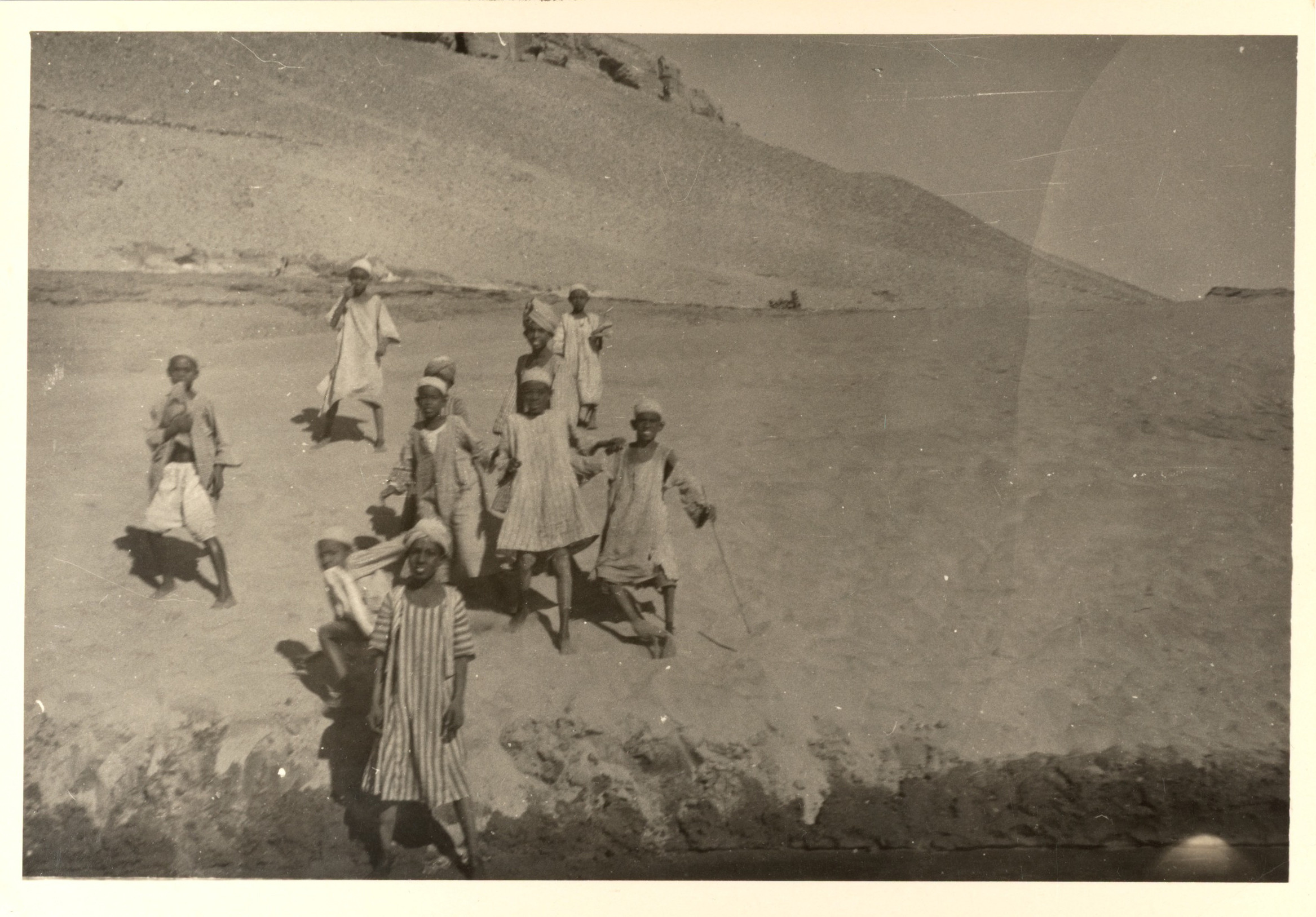
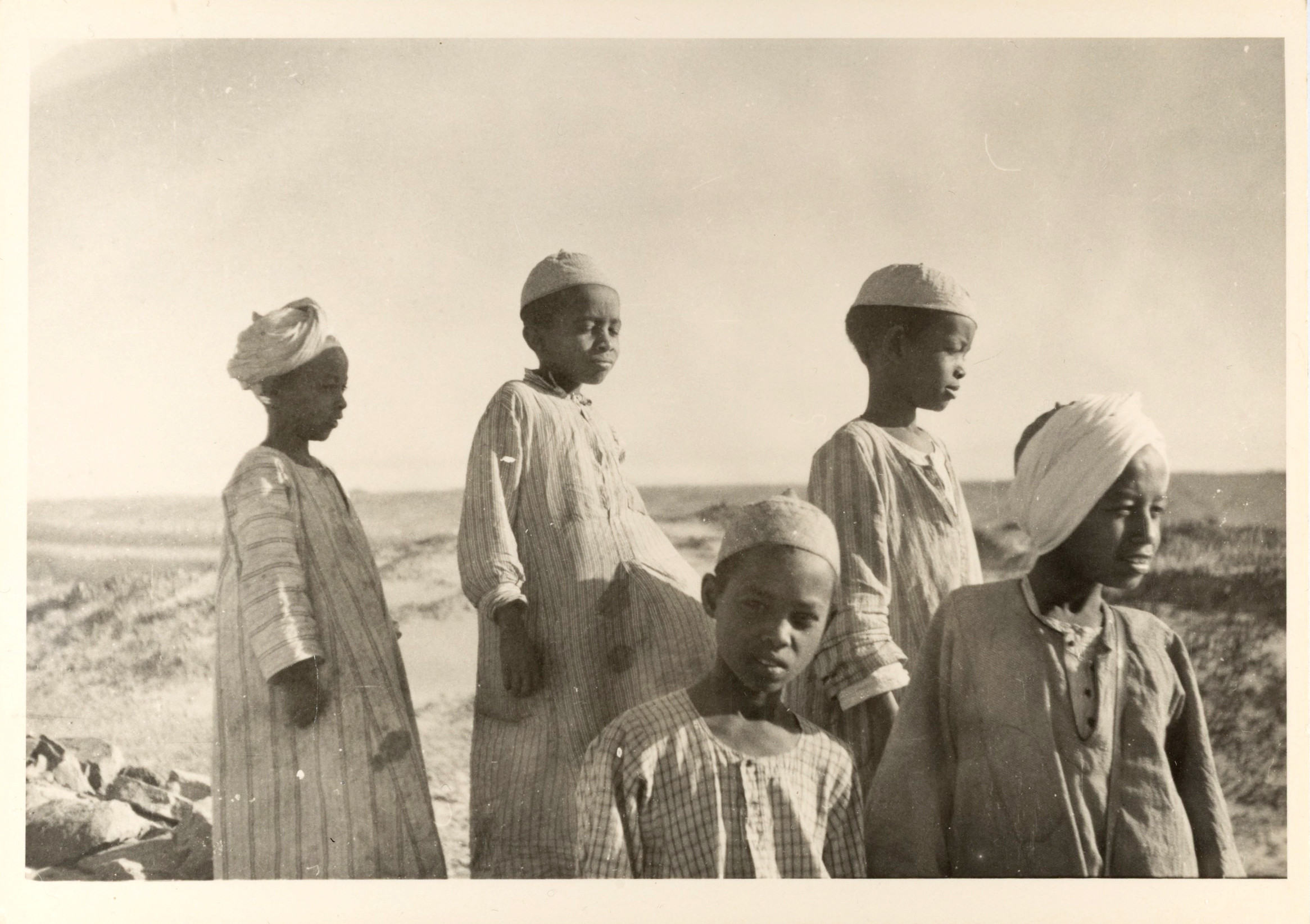
His acknowledgements make clear how important local assistance was to his research. He mentions the Egyptian Antiquities Service, its inspectors and guards, as well as Nubian boys from Gharb Aswan who helped him with measurements. [5]
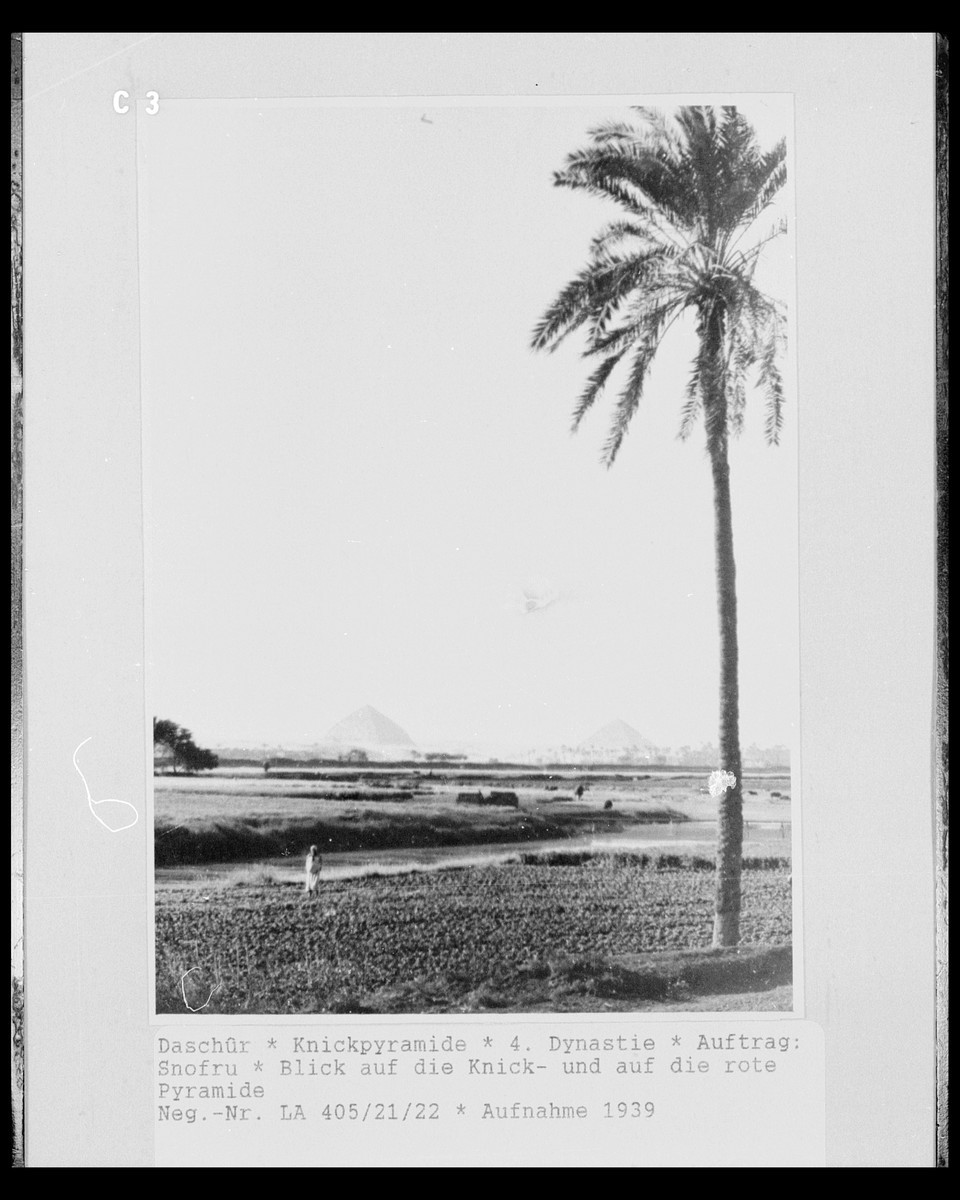
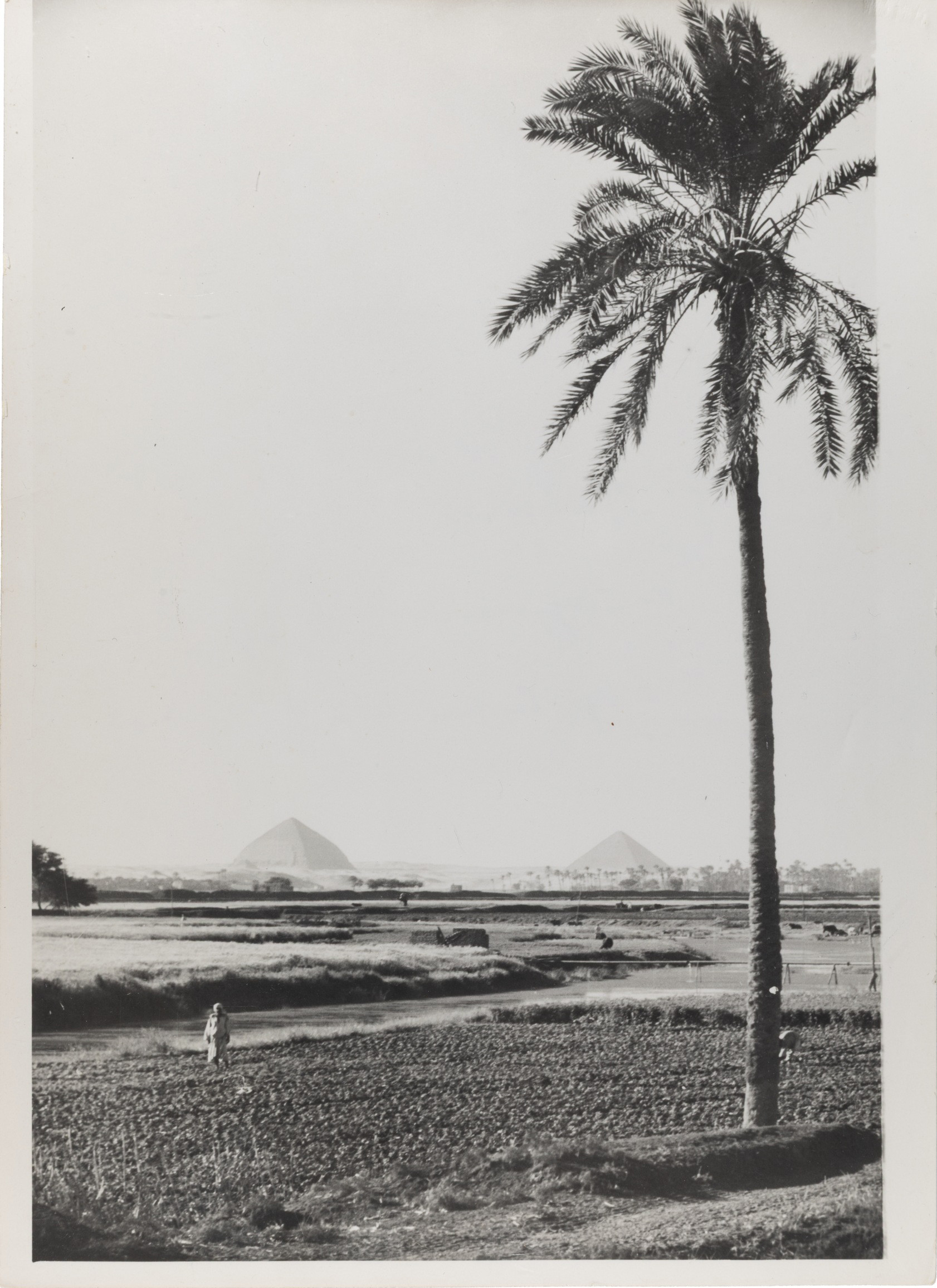
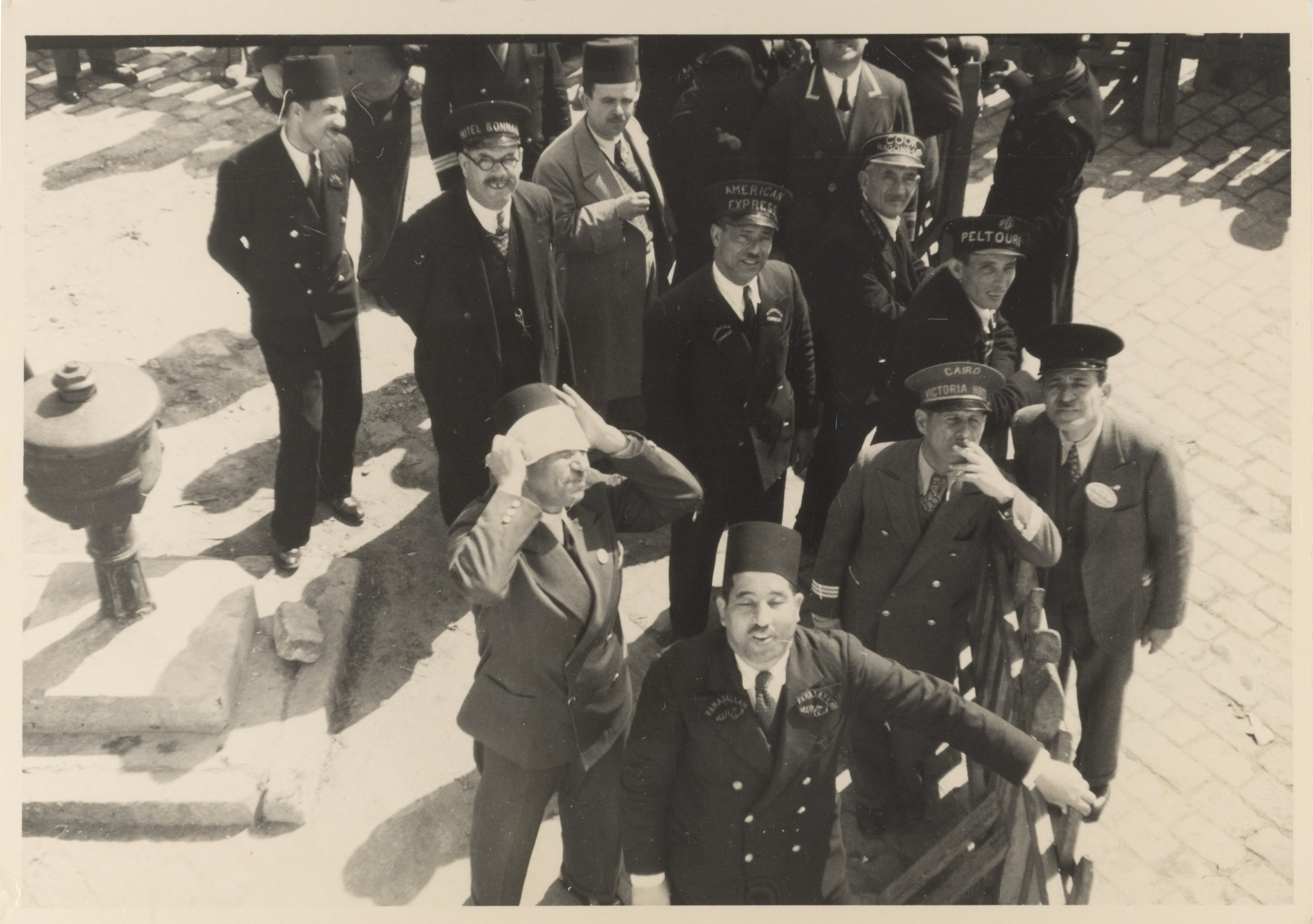
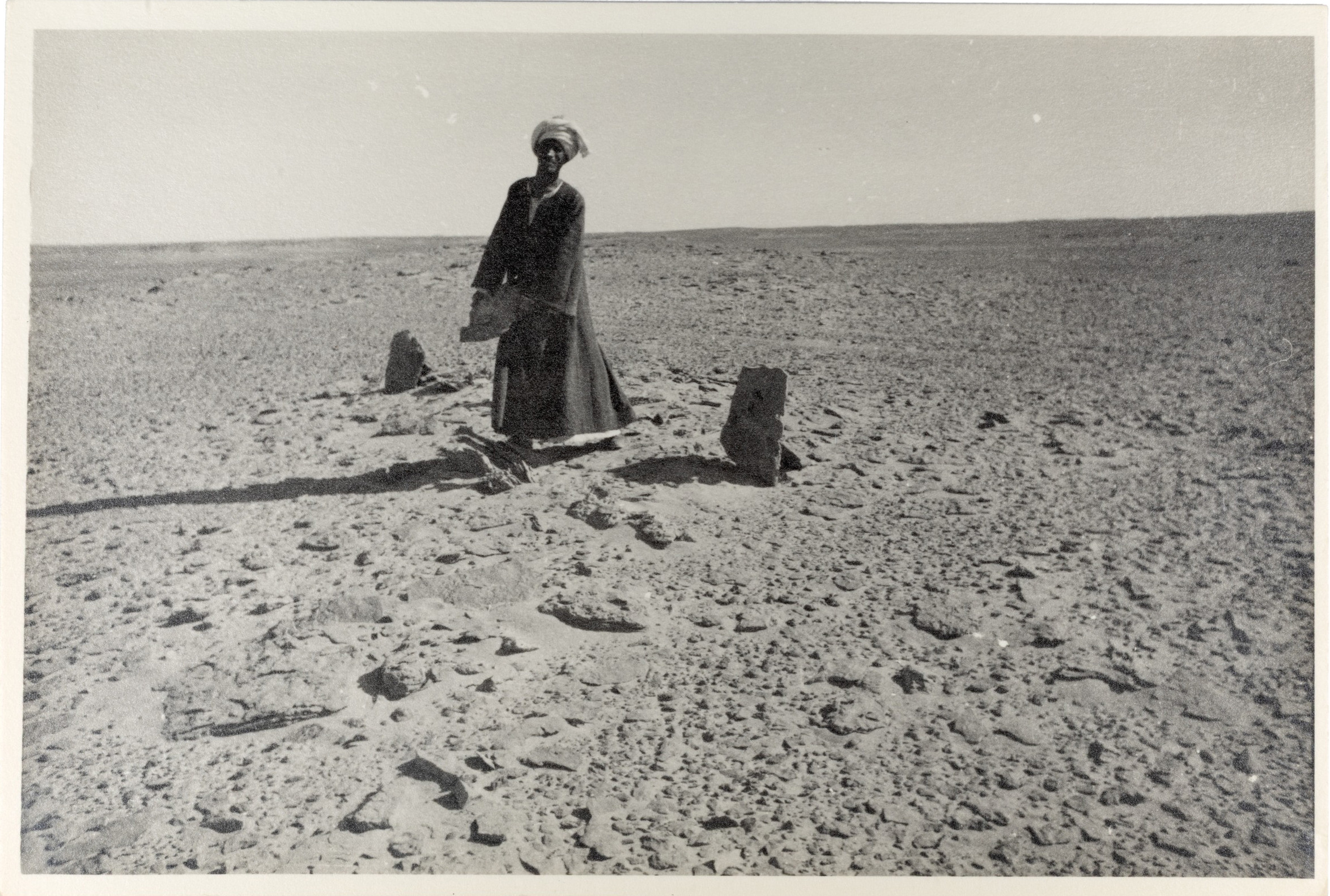
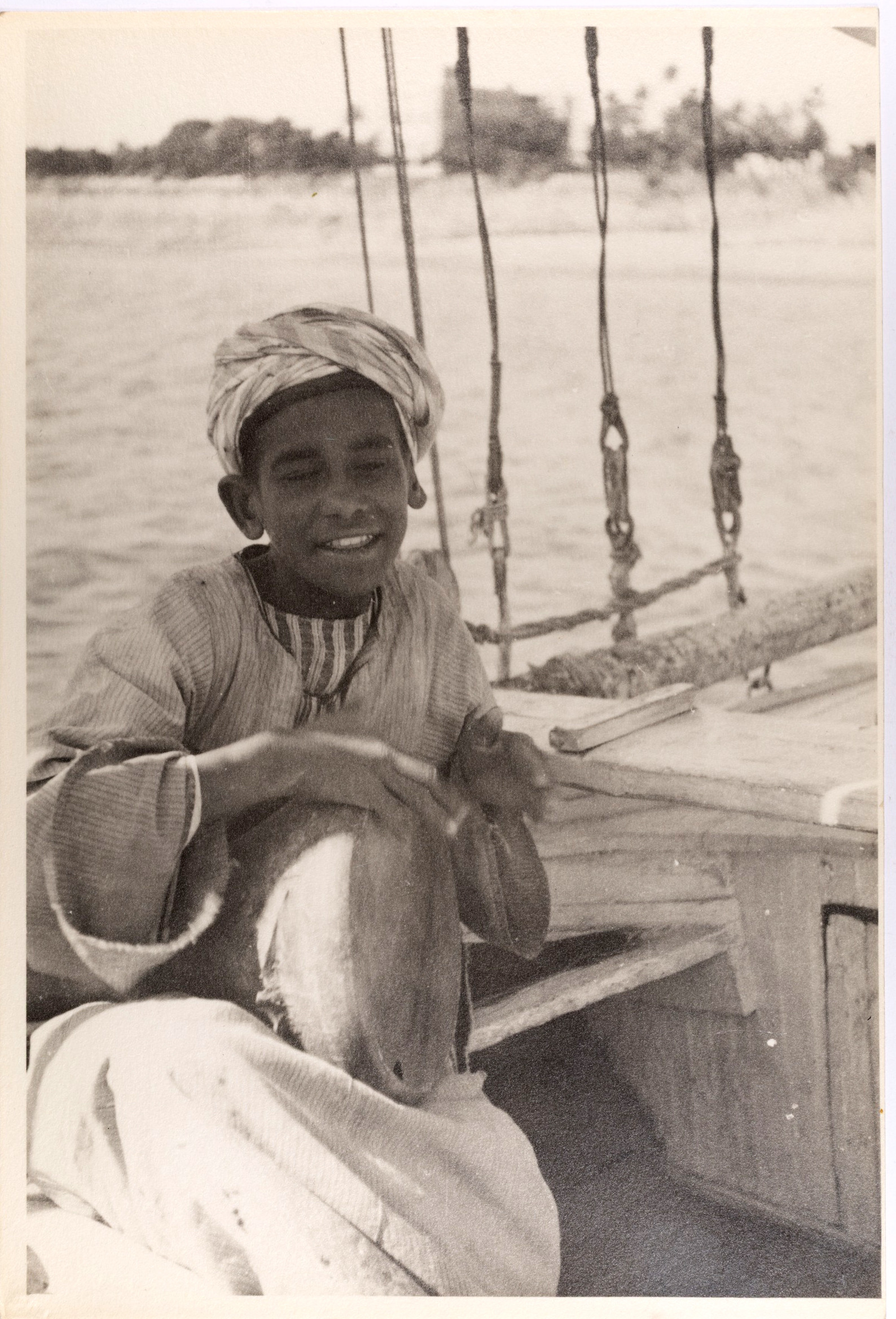
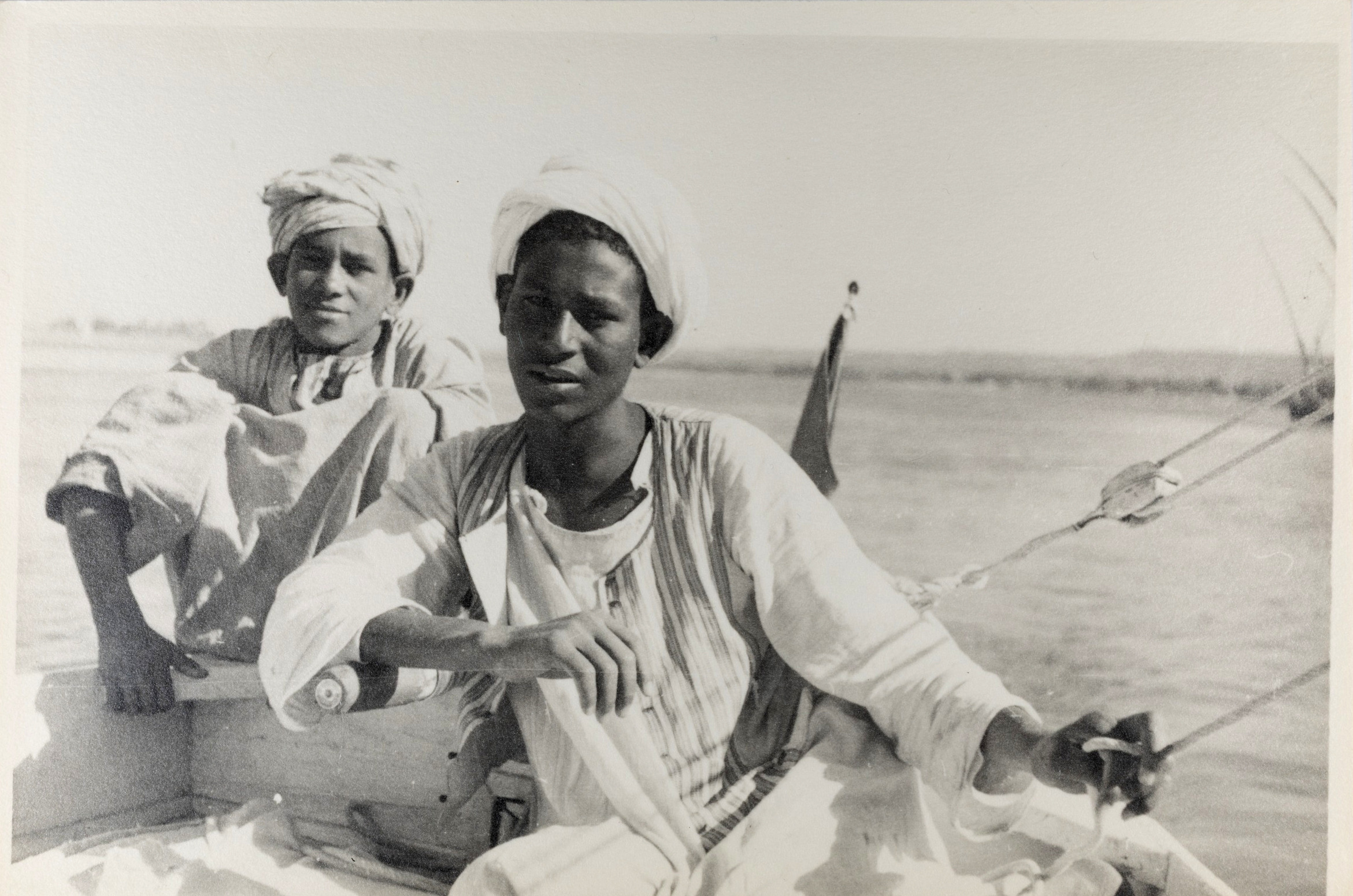
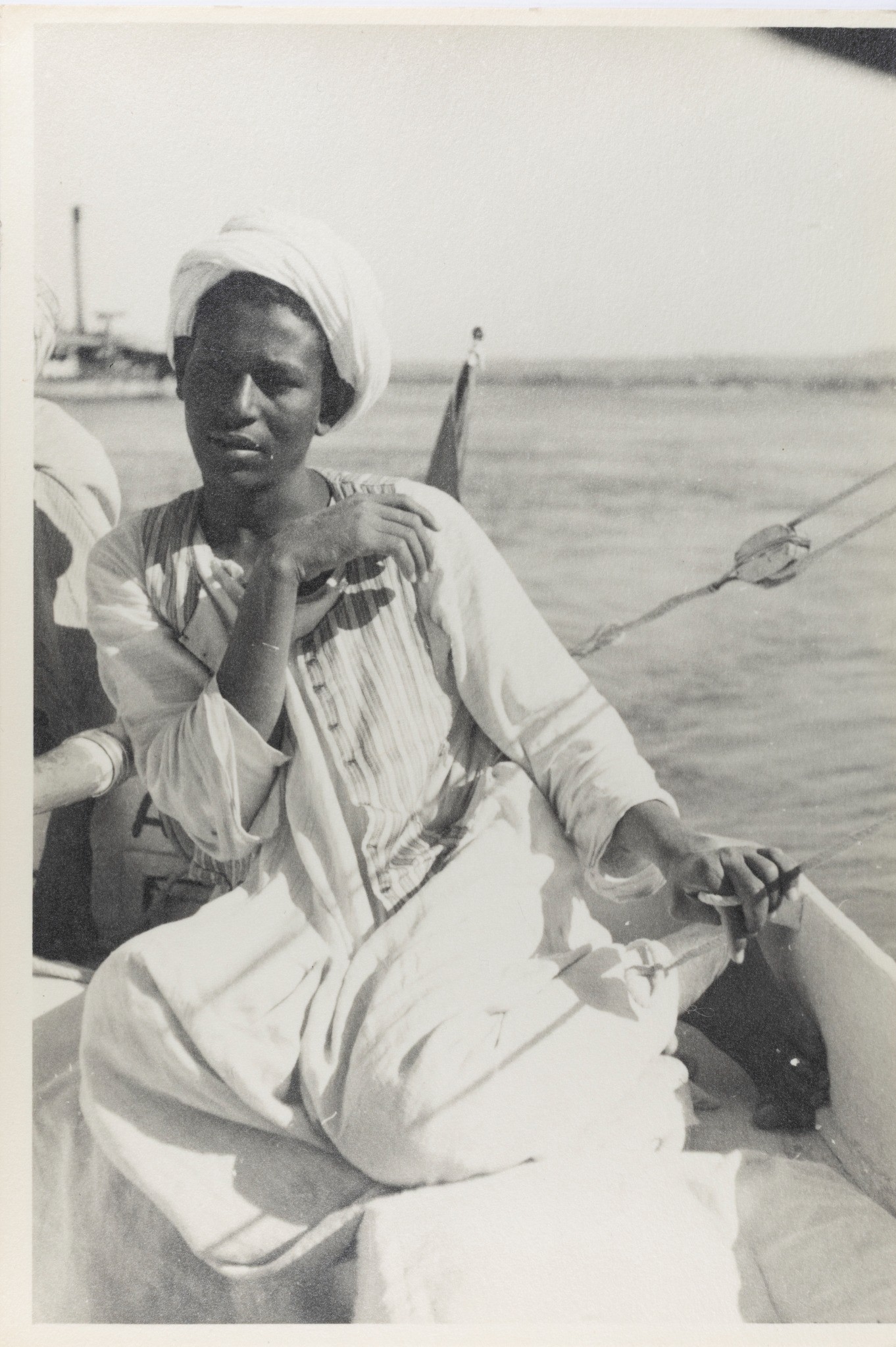
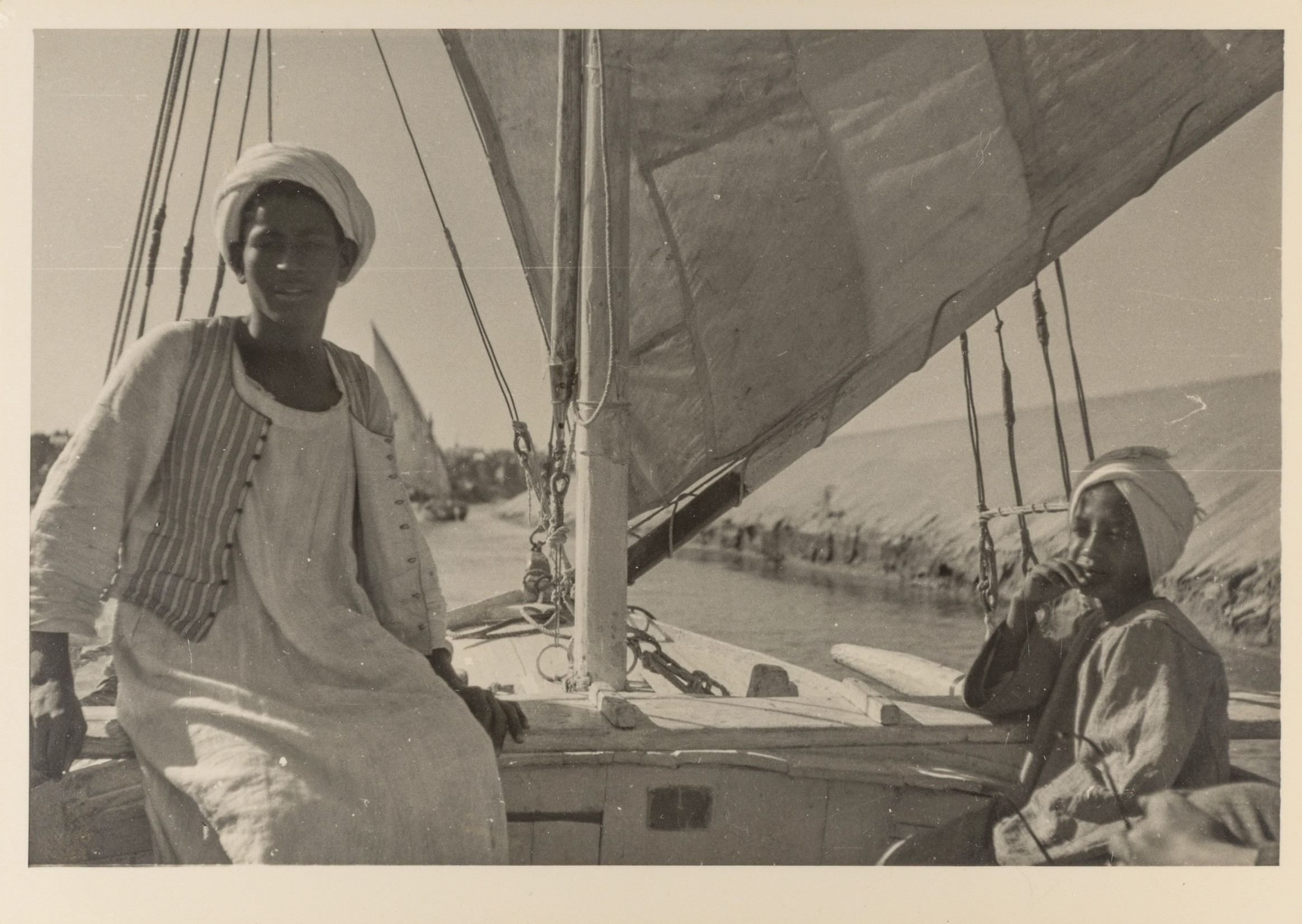
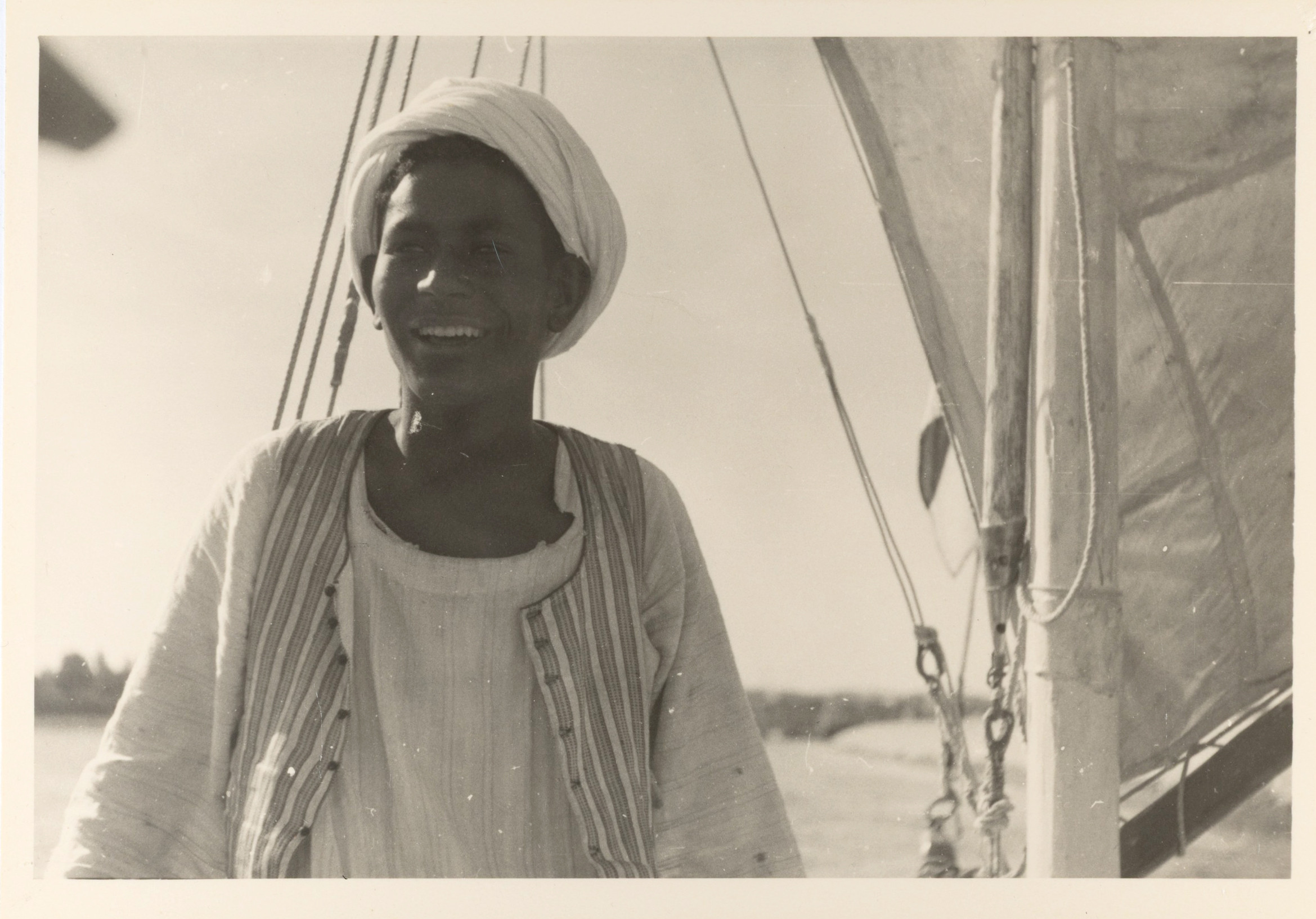
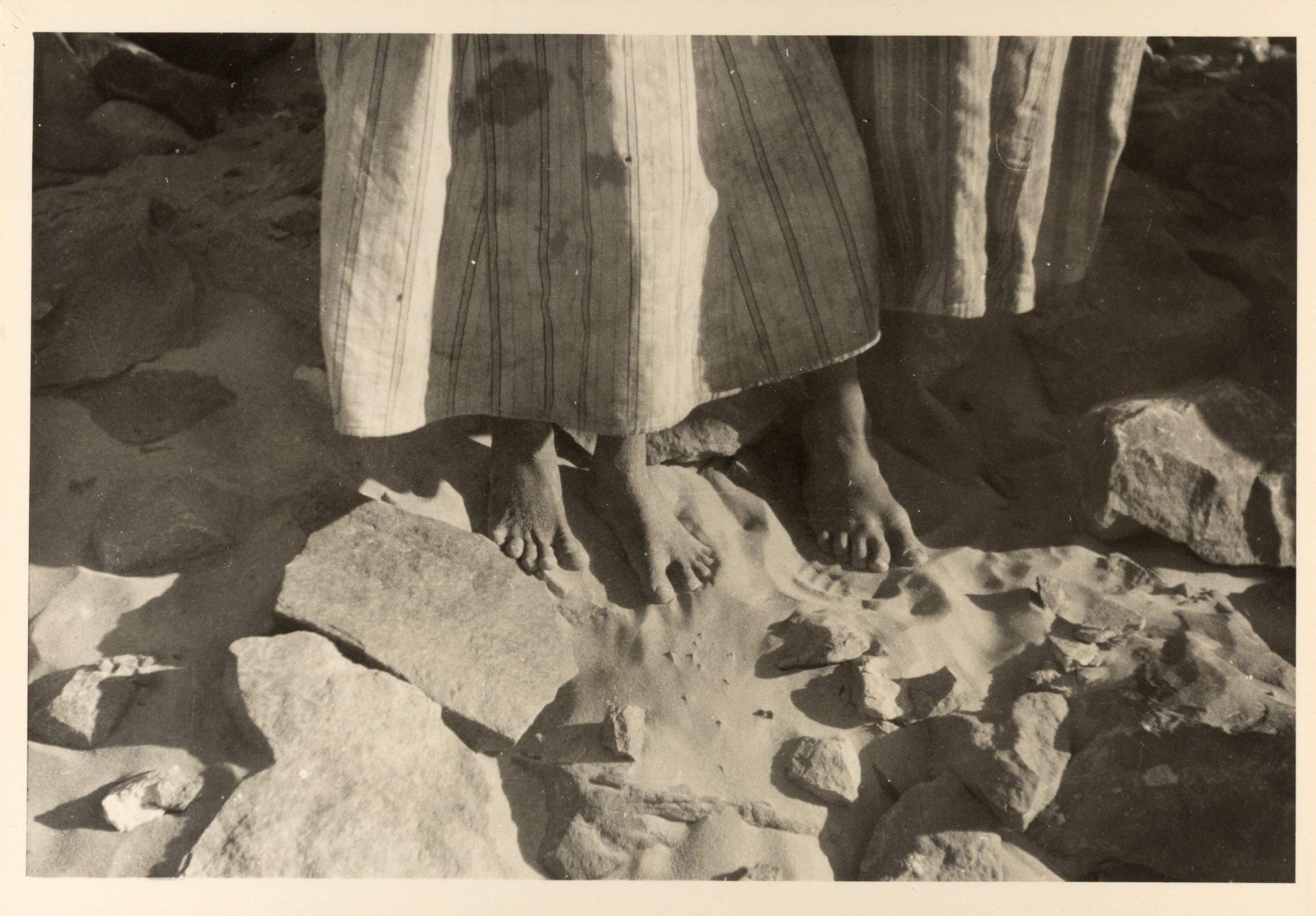
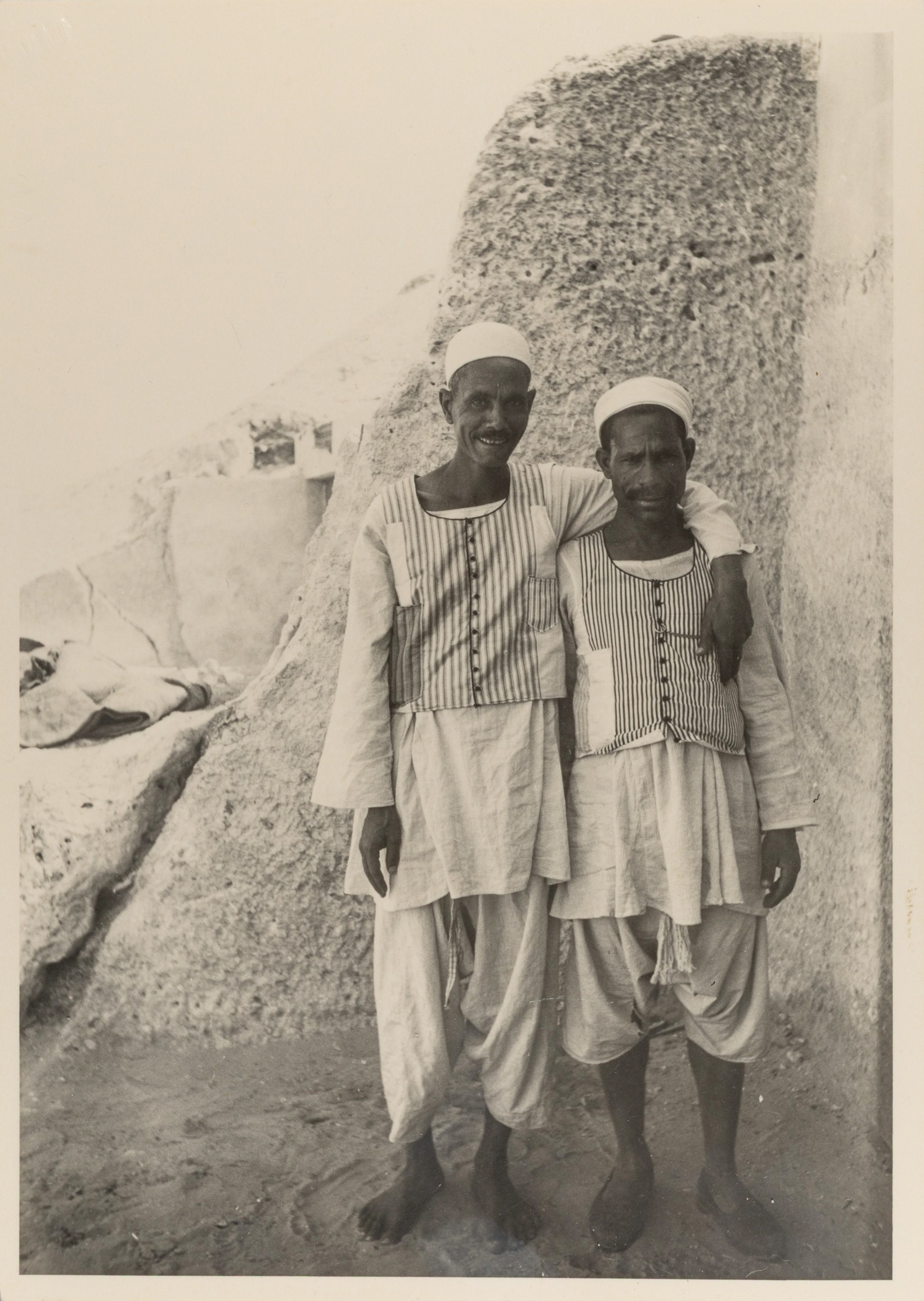
Many surviving photographs record encounters with people along the route. Some may have been chance encounters; others may have assisted the expedition as helpers or boatmen. In many cases, it is no longer possible to establish who the people pictured were or what role they played on the journey. Only one photograph bears a handwritten note that can be read as “Ramadan”, a common male given name in Egypt.
Art History Through the Camera
The Father
1879–1961
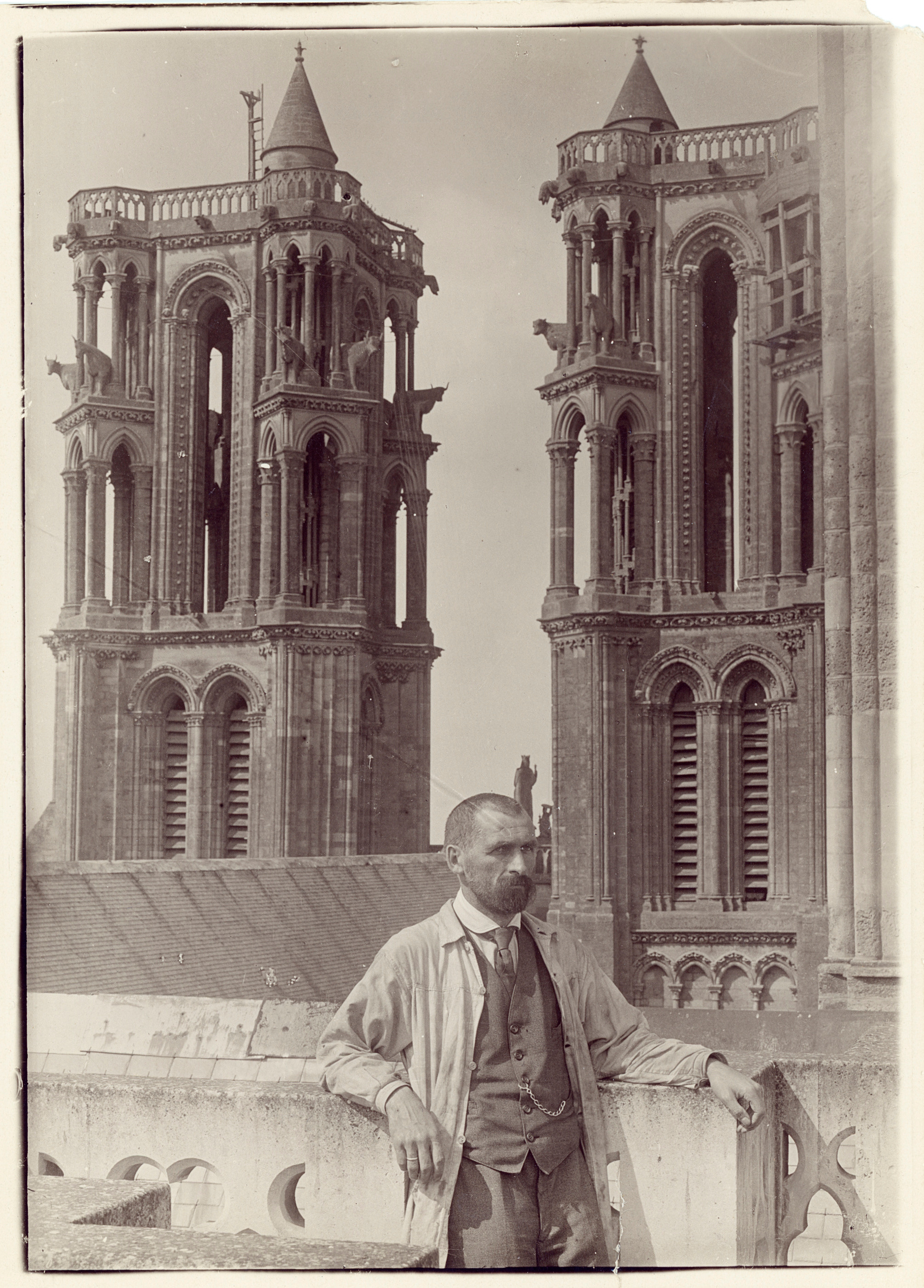
Born in 1879, Richard Hamann was an art historian for whom the study of images was central to his discipline. When he took up his professorship in Marburg in 1913, he began building the institution that would become the Foto Marburg Image Archive. [7]
According to Alf Hamann, it was not particularly well regarded at the time for art historians to take photographs themselves. Of his grandfather, he says: “I think my grandfather was a little unconventional. He did not care much for etiquette.” Of his background, he adds: “He came from a rather poor household and was not born into this professorial elite.” [6]
Hamann combined scholarly research with his own photographic practice. He made photographs for his research himself and had learned the craft of photography from Franz Stoedtner in Berlin. According to the published history of the archive, a travel grant was also used to purchase cameras and accessories for the development of the work in Marburg. Hamann also passed on his knowledge to students: in the summer semester of 1914, he offered a practical course entitled “Photography and Art.” [8]
Photography made it possible to document a building both as a whole and in its individual details. Portals, capitals, figures, and ornaments became subjects of study in their own right. Photographs made such details comparable across great distances. The choice of framing itself helped determine what became the focus of investigation.[9]
Close examination of buildings also shaped the work of his son, Richard Hamann-MacLean. Alf Hamann recalls: “My father worked on Reims Cathedral throughout his life and measured everything with an assistant. Stylistic analysis was the classical tool of art historians. But he also tried to find physical evidence.” This included marks on figures and stones that could be used to investigate the work of individual craftspeople and connections between different buildings. [6]
Der Sohn
1908–2000
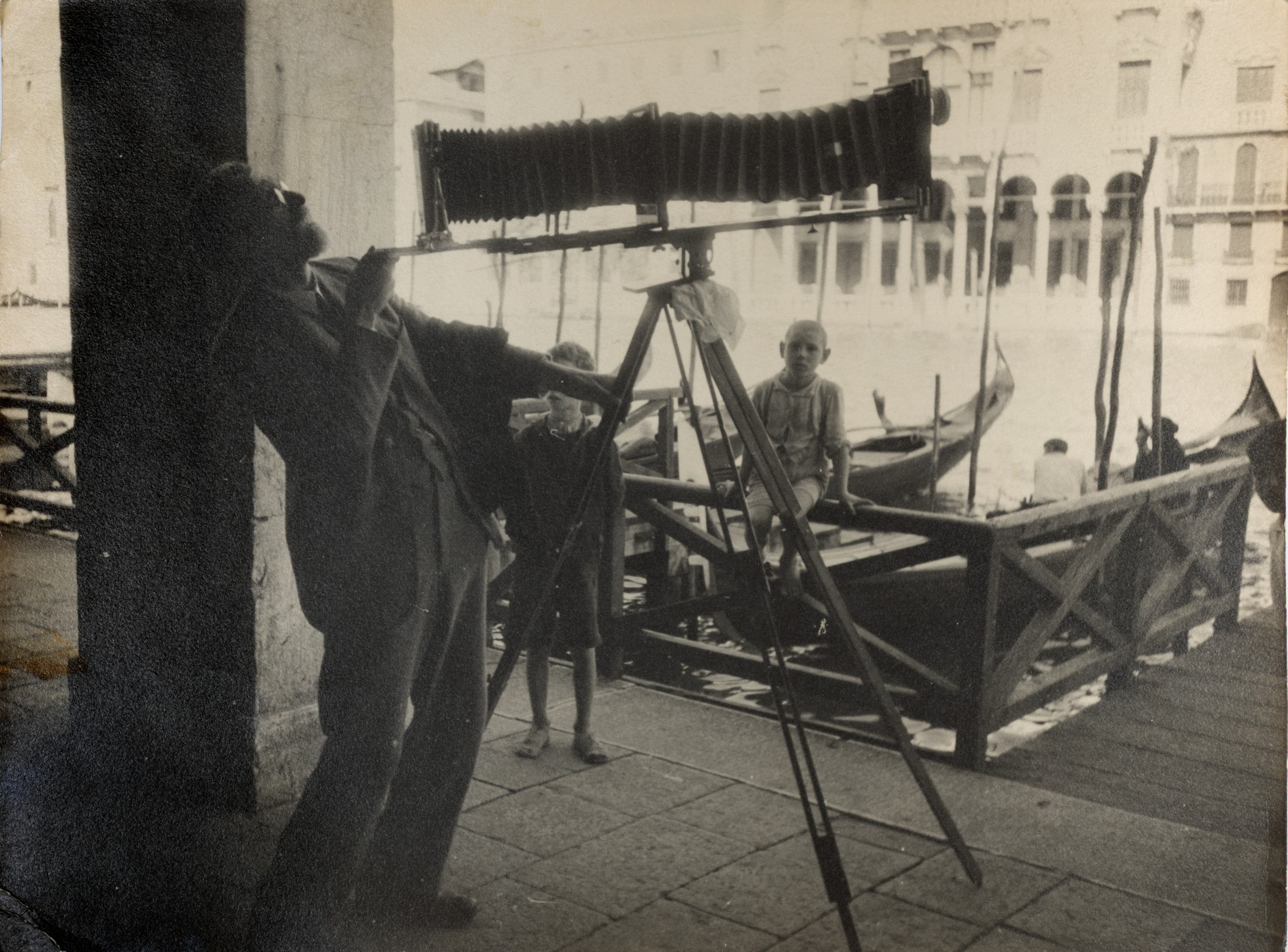
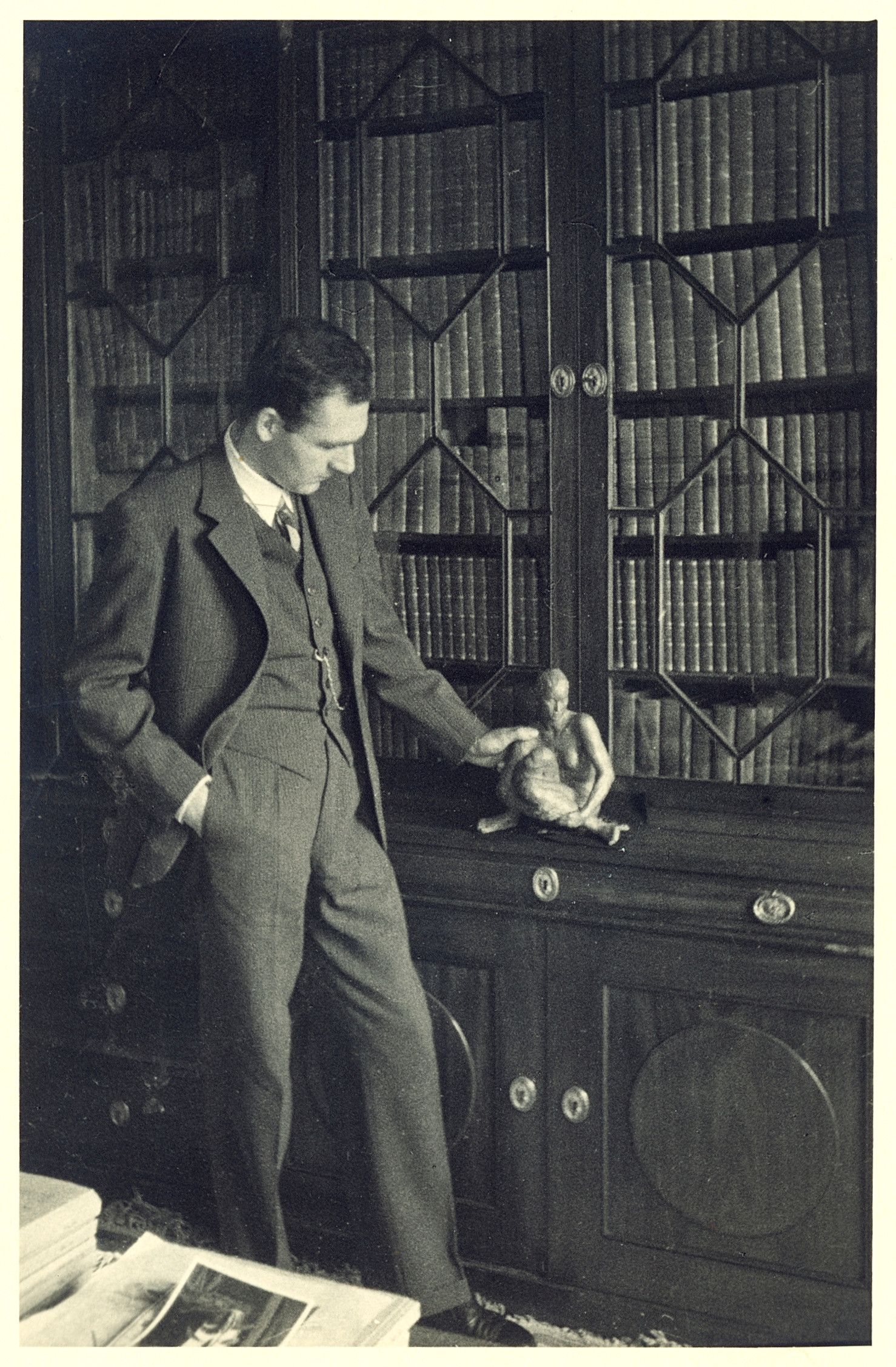
Born in 1908, Richard Hamann-MacLean was already an experienced member of the team by 1937. Foto Marburg gives 1925 as the beginning of his photographic work for the archive. A photograph taken in Saint-Pons in 1926 shows him working with Bernhard von Tieschowitz and a large-format camera. Tieschowitz stands on a ladder to operate the camera, which has been set up high above the ground. [9], [10]
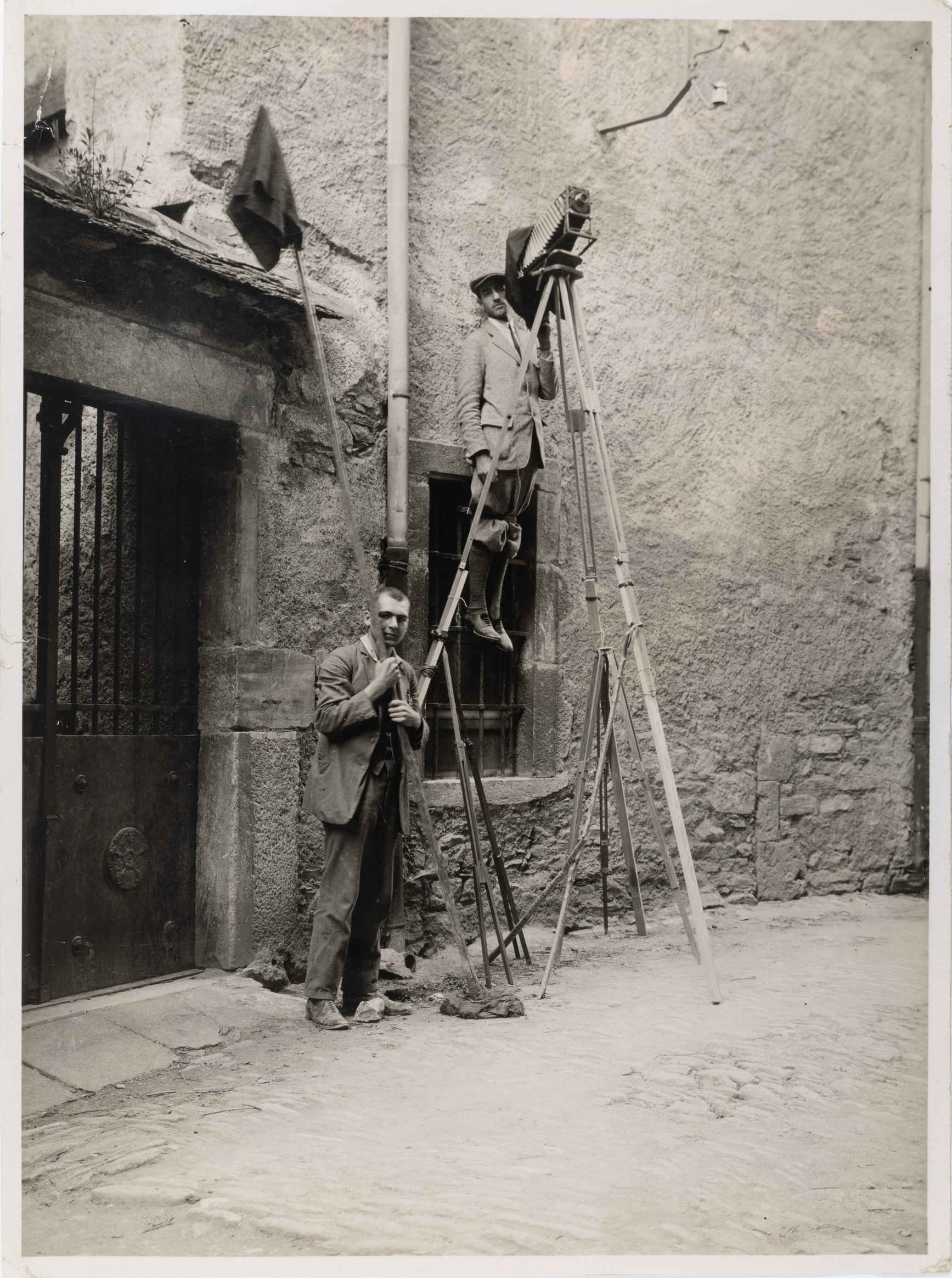
Large-format cameras remained important in his work in later years. Alf Hamann recalls: “Even in the 1960s my father still worked with plate cameras himself, because they were better suited to architectural photography and perspective correction than ordinary 35 mm cameras.” [6]
Alf Hamann himself took part in a later photographic campaign in Reims. His recollection conveys the scale of this work: “I had to photograph all the figures in the archivolts, perhaps a hundred heads or more. The number of images soon added up.” [6] Archivolts are the moulded bands of an arch above a portal, often decorated with numerous figures.
Scholarship, Politics and the Protection of Art
The photographic work of both Hamanns was closely bound up with the political conditions of their time. After 1933, Jewish scholars were forced out of their positions and universities were brought under the Nazi regime. The art-history seminar in Marburg also lost Jewish staff members. Richard Hamann himself came under political pressure: his appreciation of French art and his collaboration with Jewish colleagues gave his opponents grounds for attack. He was prohibited from teaching in the summer semester of 1934. The institutional history of Marburg also describes his subsequent accommodation to the political circumstances and the later involvement of the image archive in projects of the Nazi state. [11]
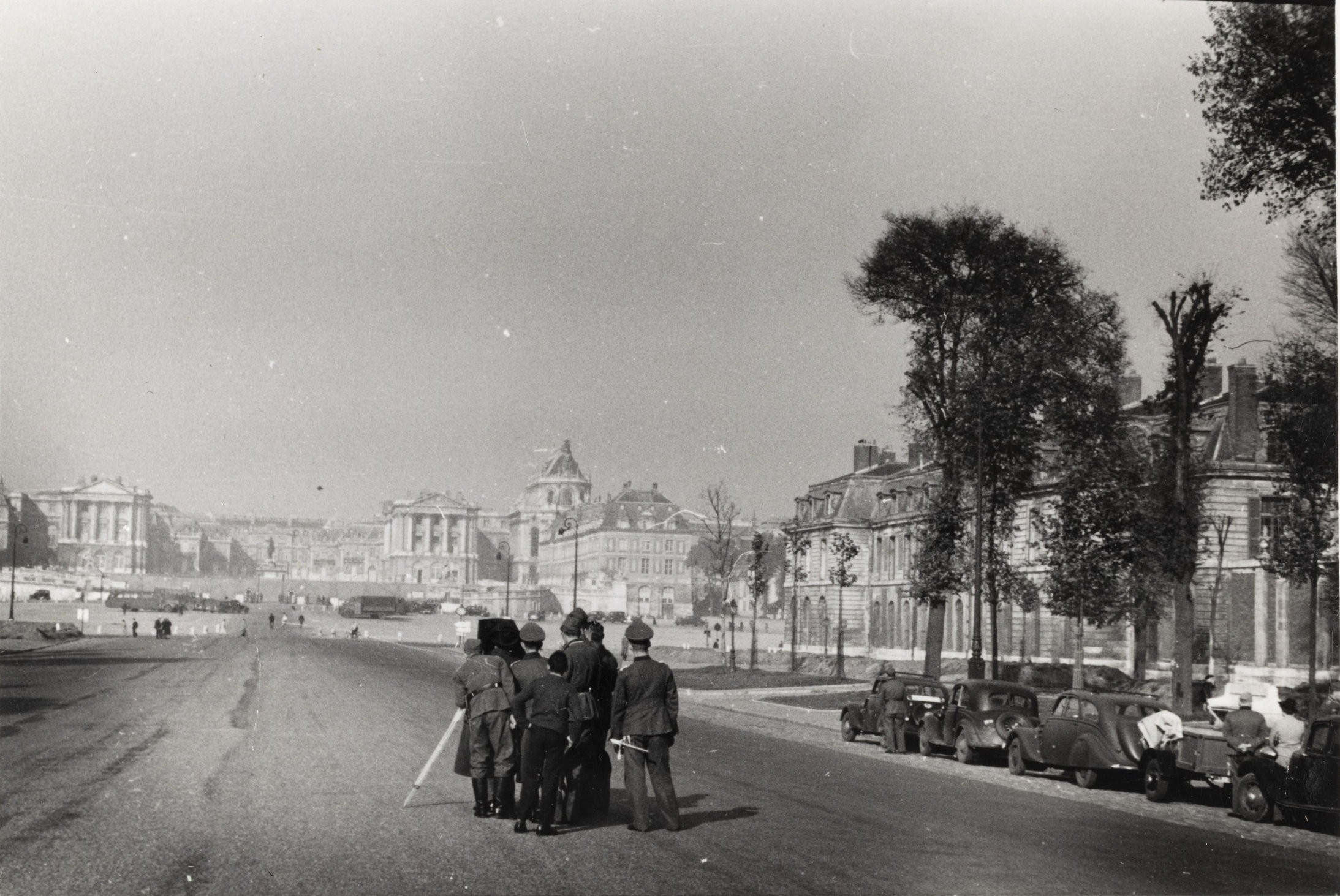
With the German occupation of France in 1940, the photographic work took on a new context. The military “Kunstschutz” (art protection unit) was intended to protect works of art, collections and monuments from destruction and removal. Franziskus Count Wolff Metternich worked with French museum and heritage professionals and sought to prevent German authorities from confiscating, in particular, Jewish art collections. Nevertheless, the Kunstschutz remained part of the occupation administration. Its programme included scholarly research and propaganda as well as protective measures. The occupation gave German art historians access and working opportunities that they used for their own projects. [12]
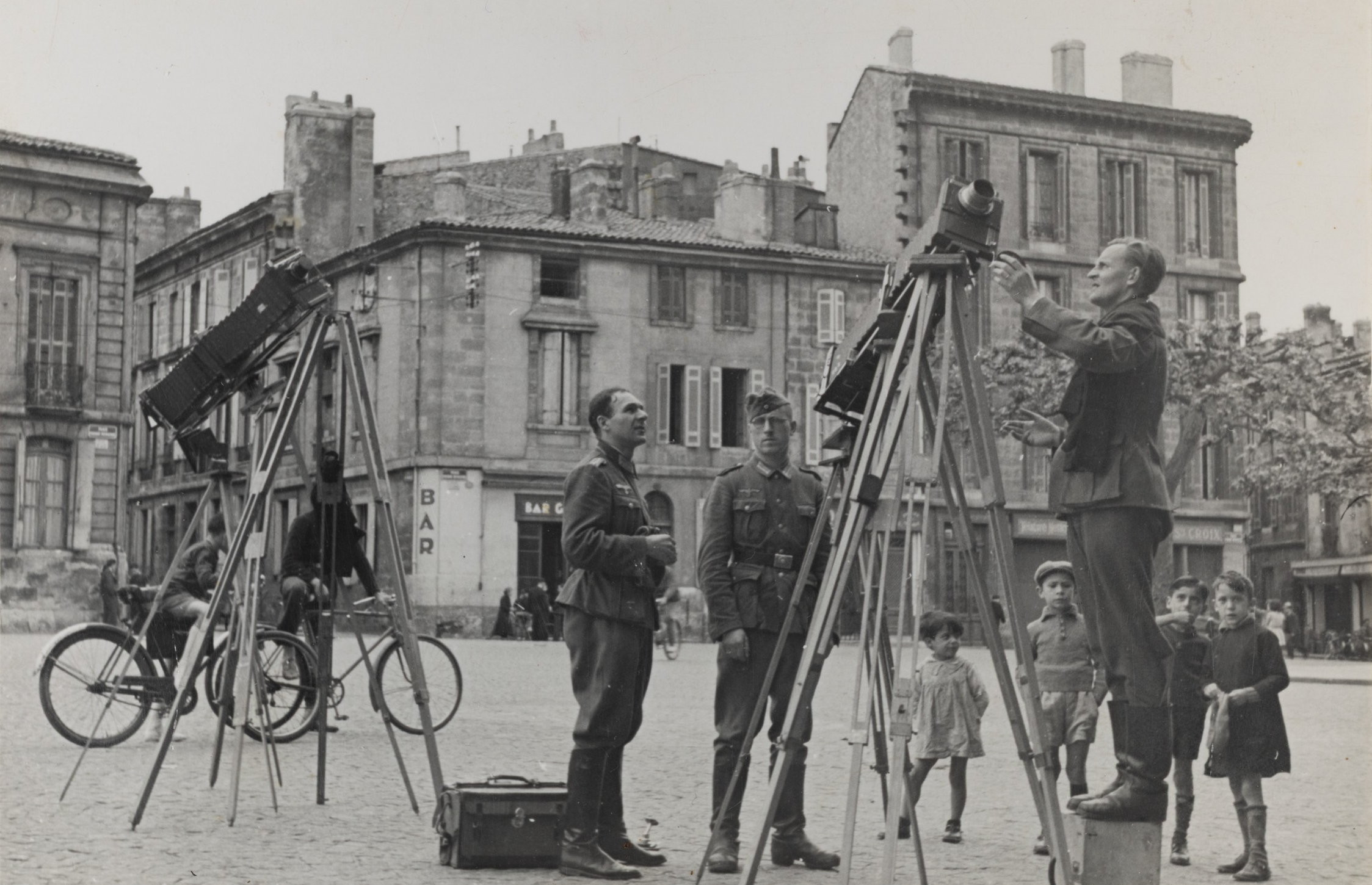
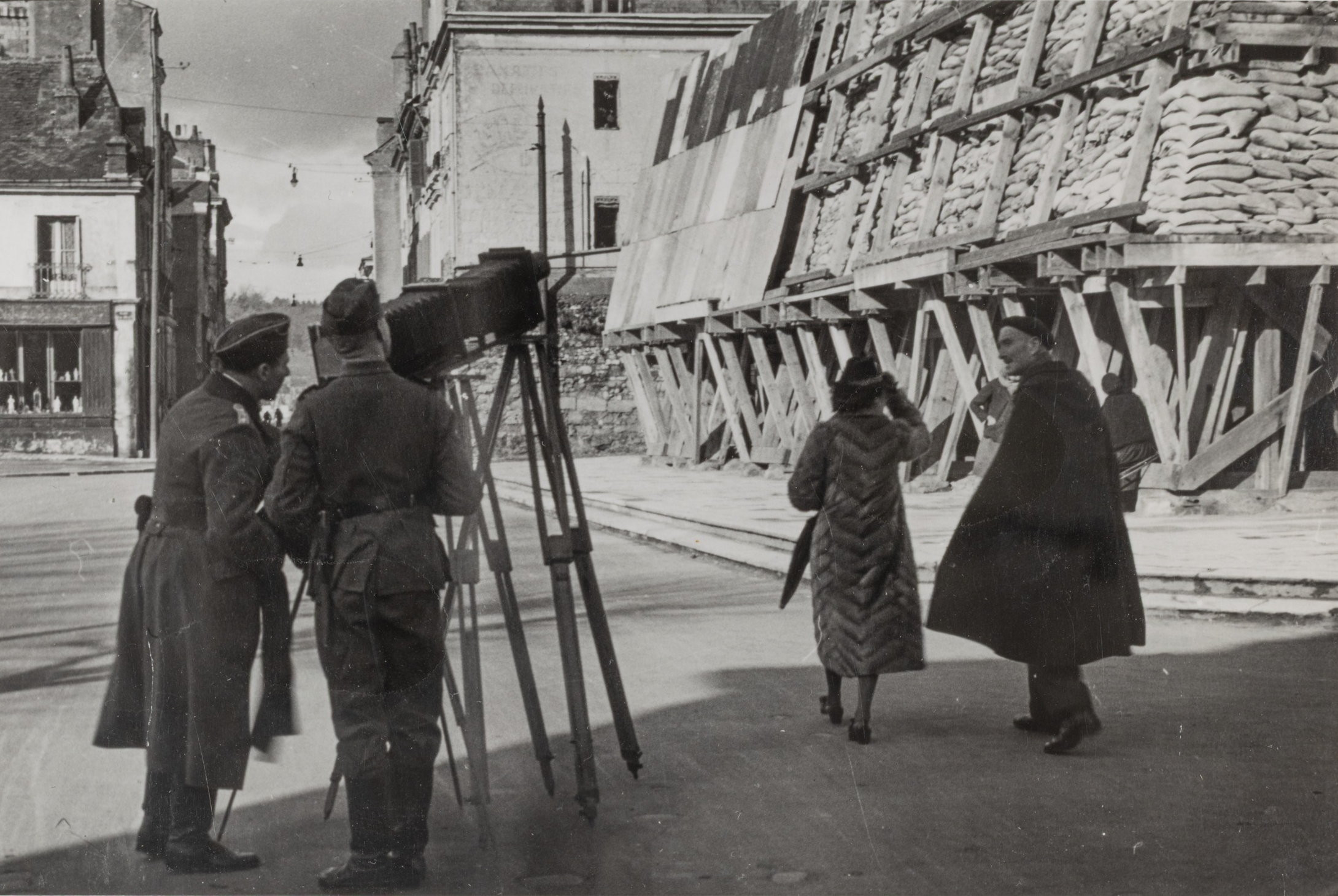
Within this framework, Foto Marburg took responsibility for organising an extensive photographic survey of French architectural and artistic monuments. Richard Hamann helped prepare the art-historical working group, which began operating on 1 October 1940. Photography teams travelled through the occupied territories. At a central office in Paris, negatives were collected, developed and initially catalogued before the material was sent to Marburg. The campaign continued earlier photographic journeys in France, but now took place under German occupation, with state funding and military support. [13]
Richard Hamann-MacLean was also involved. The Marburg professors’ catalogue records that from late 1940 he held a senior position in the Kunstschutz department of the German military administration in France, and that he left this role in 1941. The same catalogue lists memberships in the National Socialist Motor Corps and the National Socialist People’s Welfare organisation, as well as photographic work for the “Ahnenerbe” (Ancestral Heritage). These facts form part of the political context of his scholarly career. [14]
According to the Mainz professors’ catalogue, Hamann-MacLean was a member of the SA from March to September 1934 and was subsequently expelled for lack of interest. [15]
Alf Hamann explains his father’s placement with the Kunstschutz from the family’s perspective: “My grandfather had been a professor for many years and was in a relatively influential position. He used his influence and connections to protect his son from front-line military service by arranging for him to join the Kunstschutz.” [6]
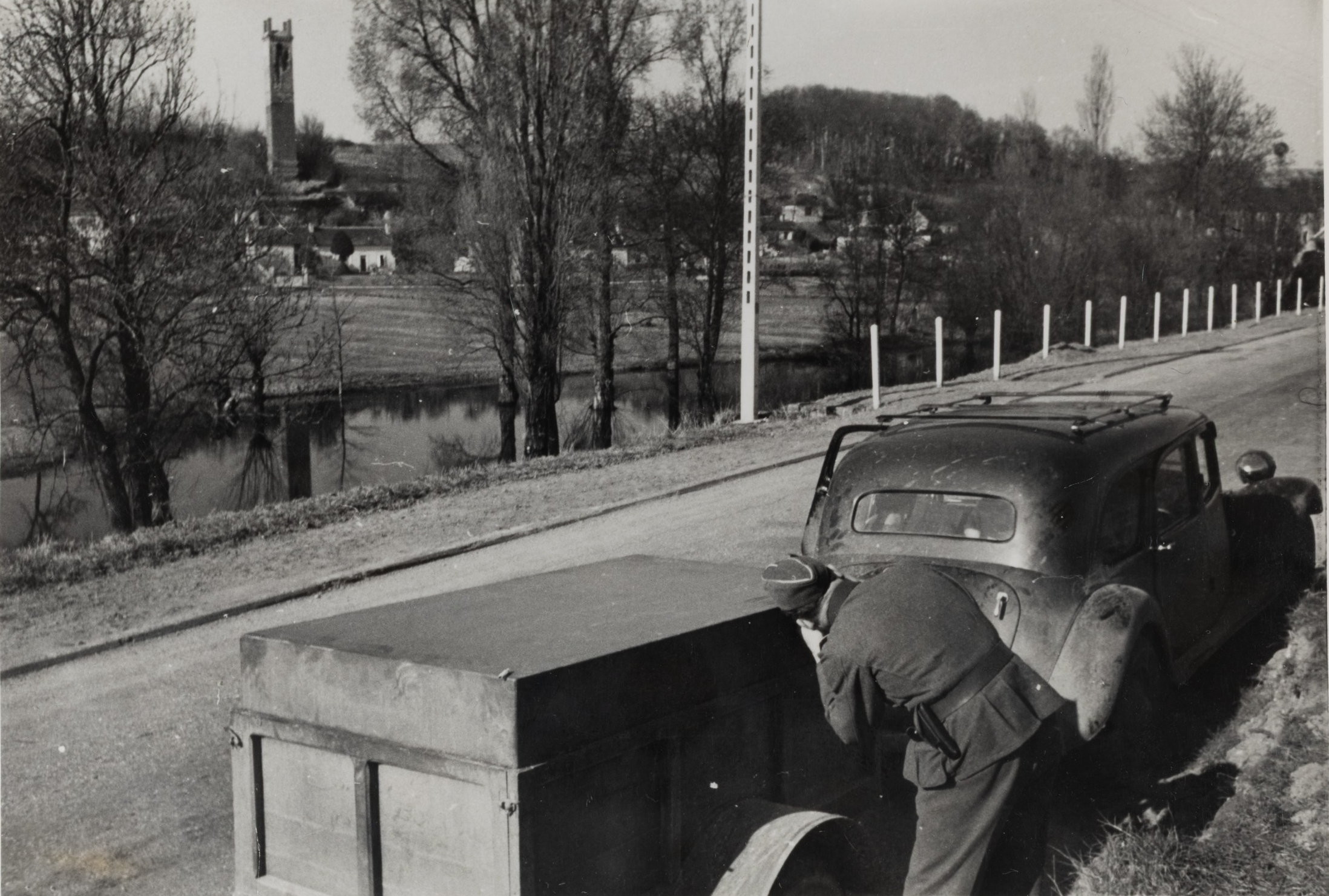
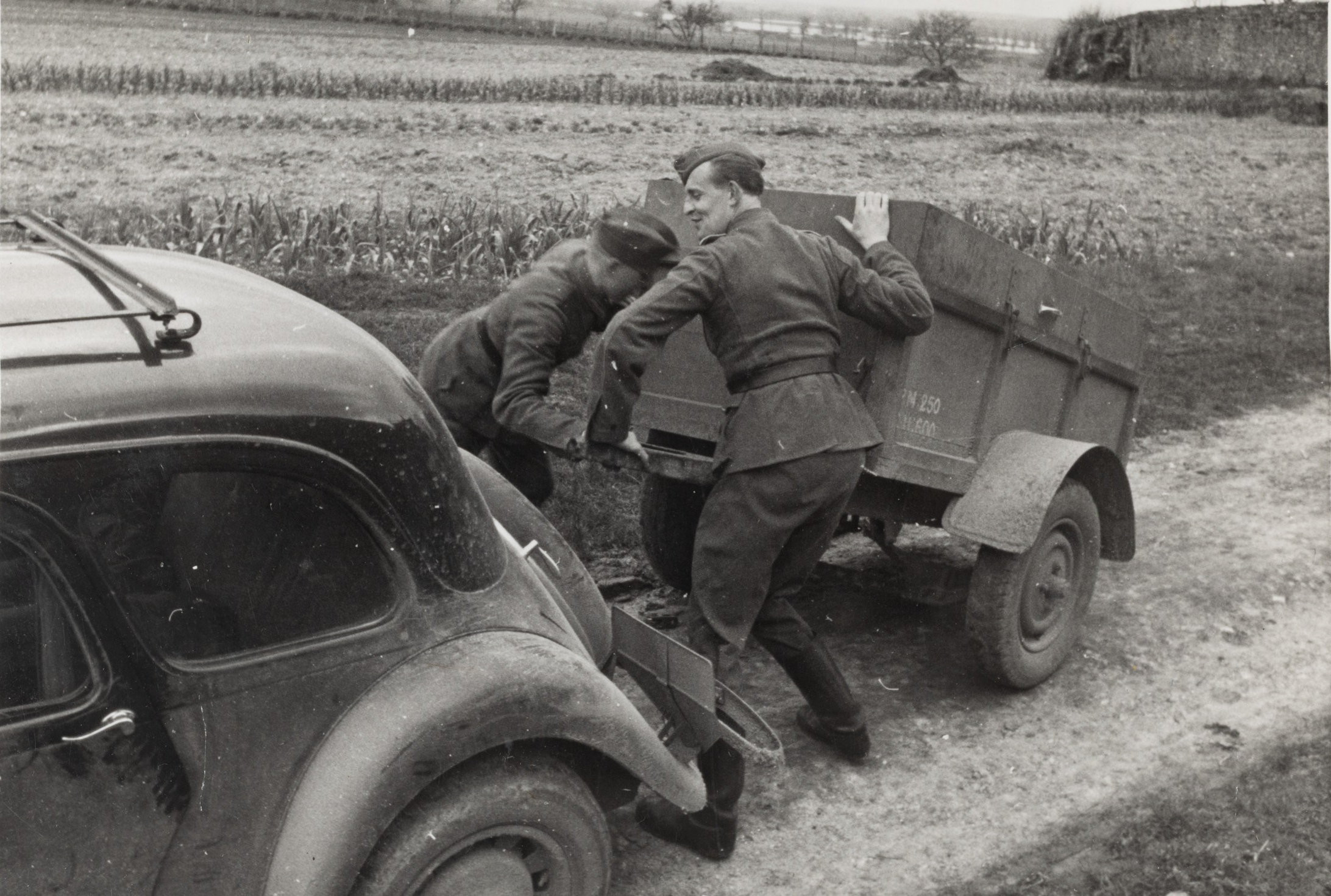
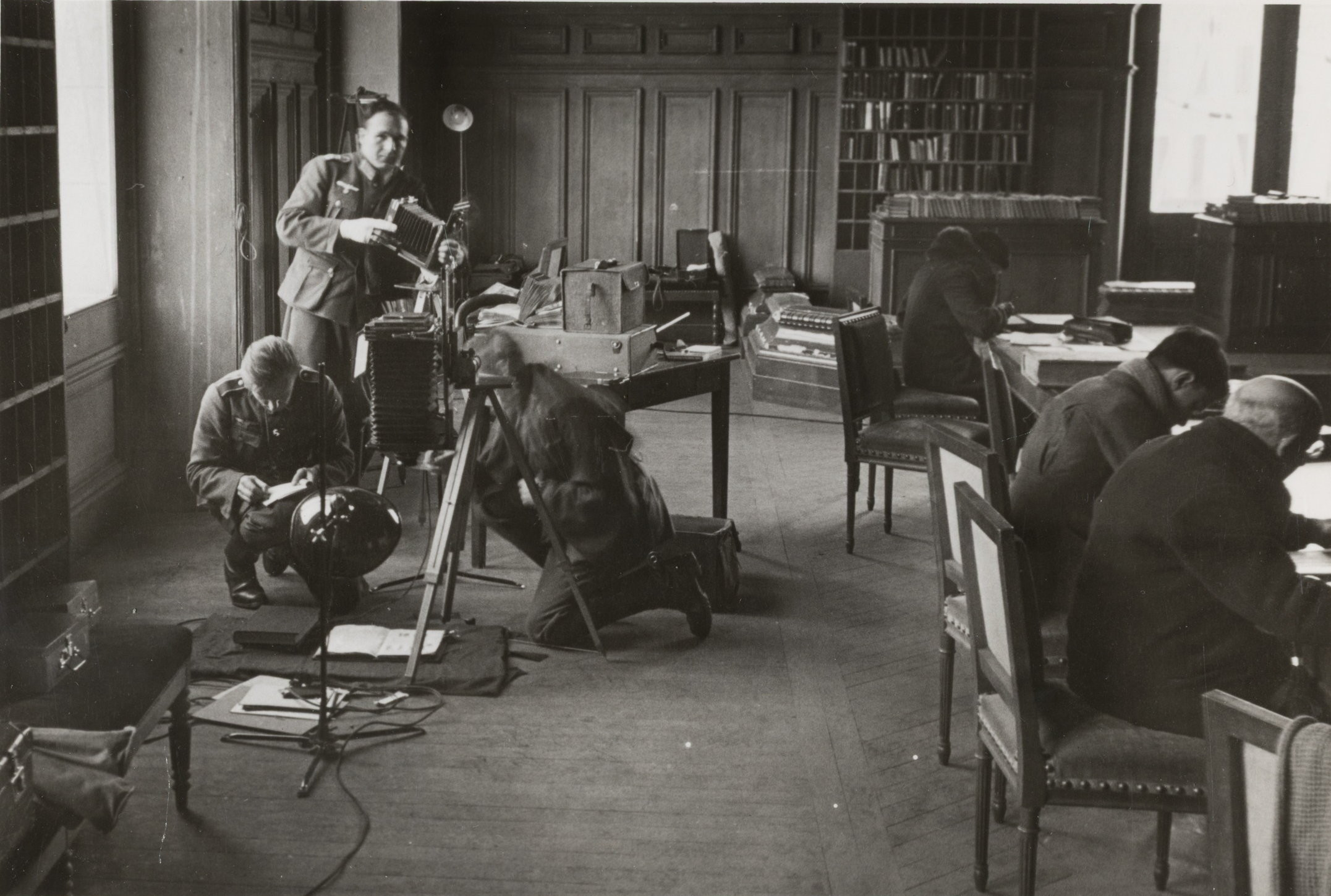
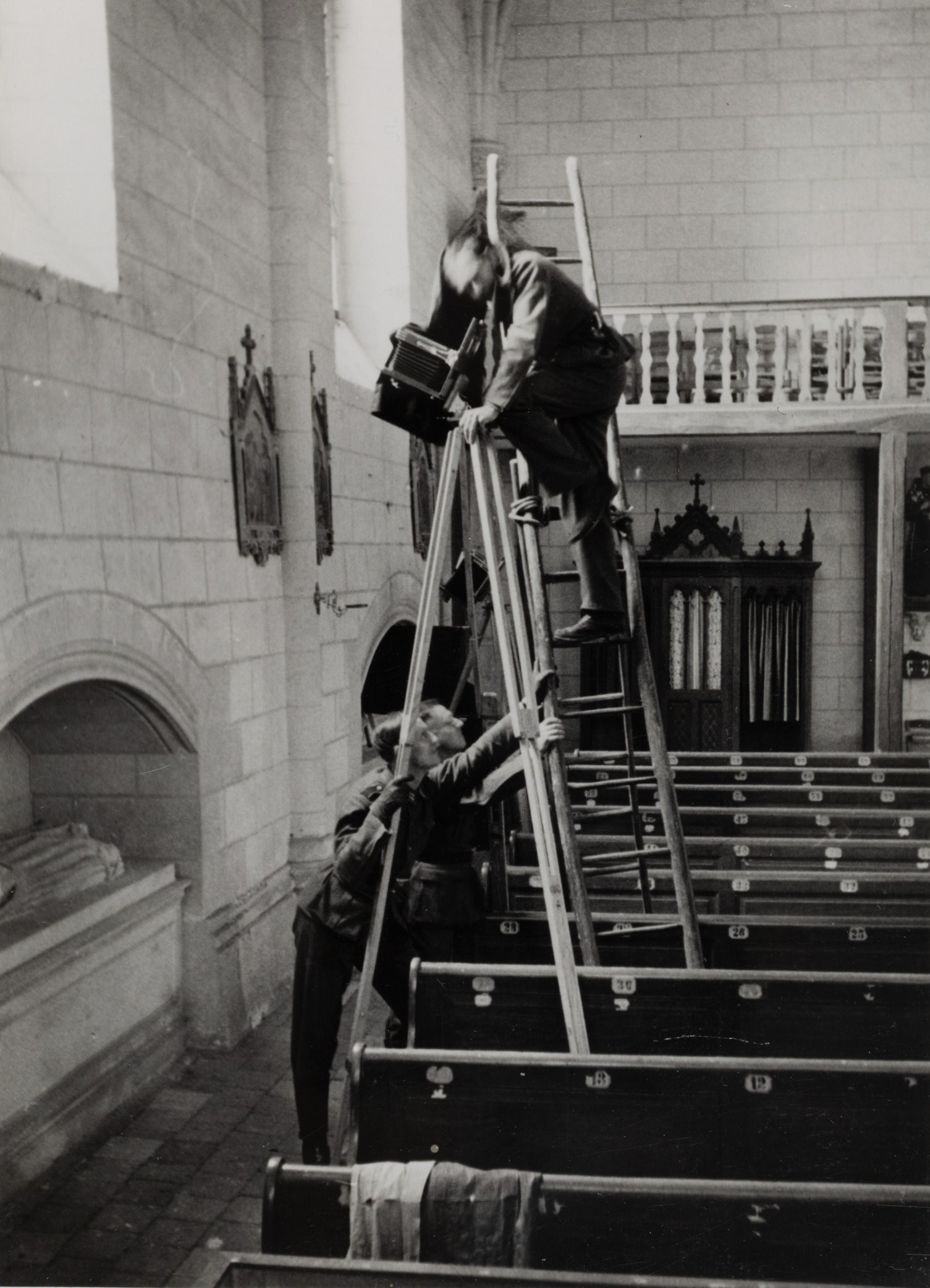
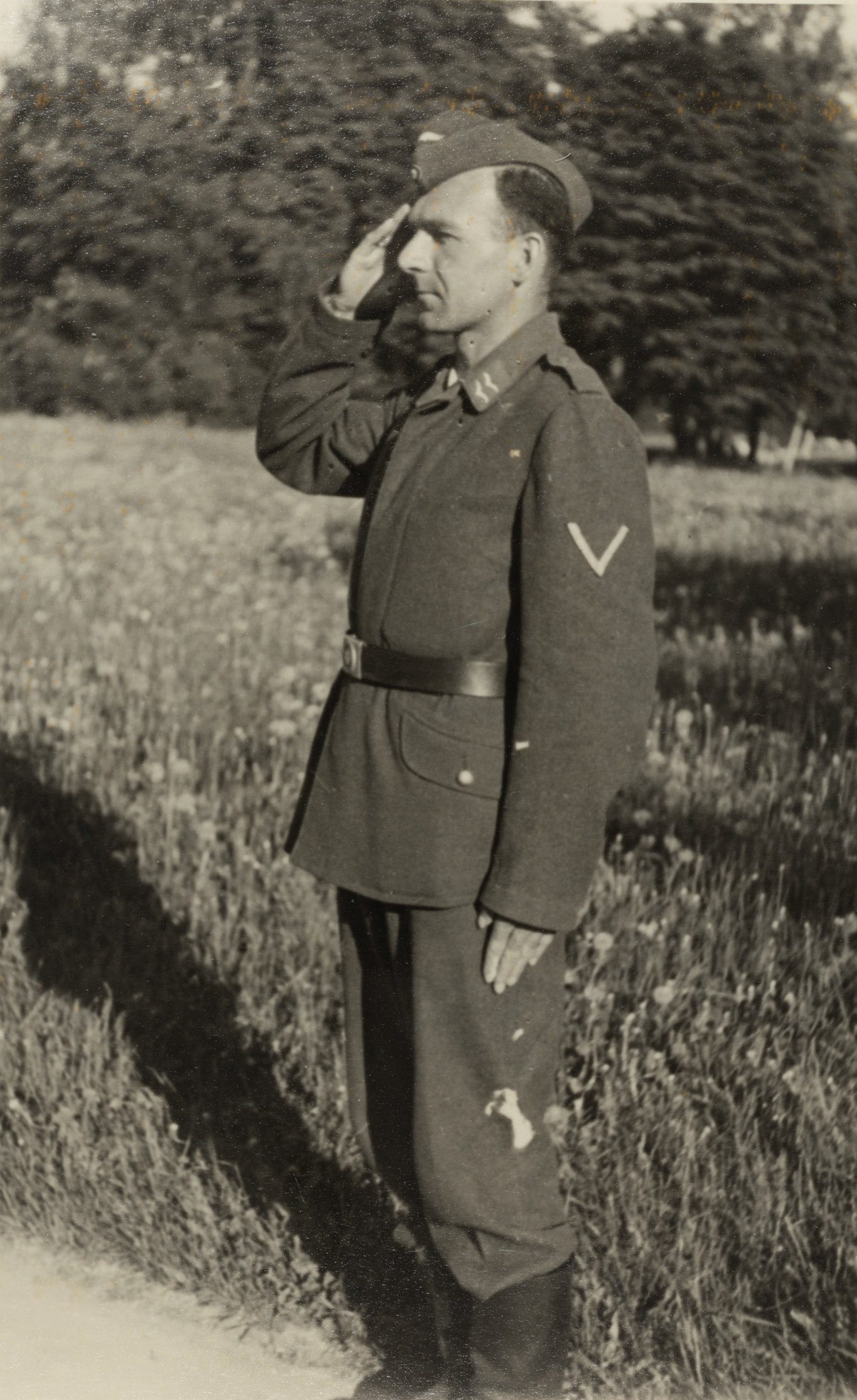
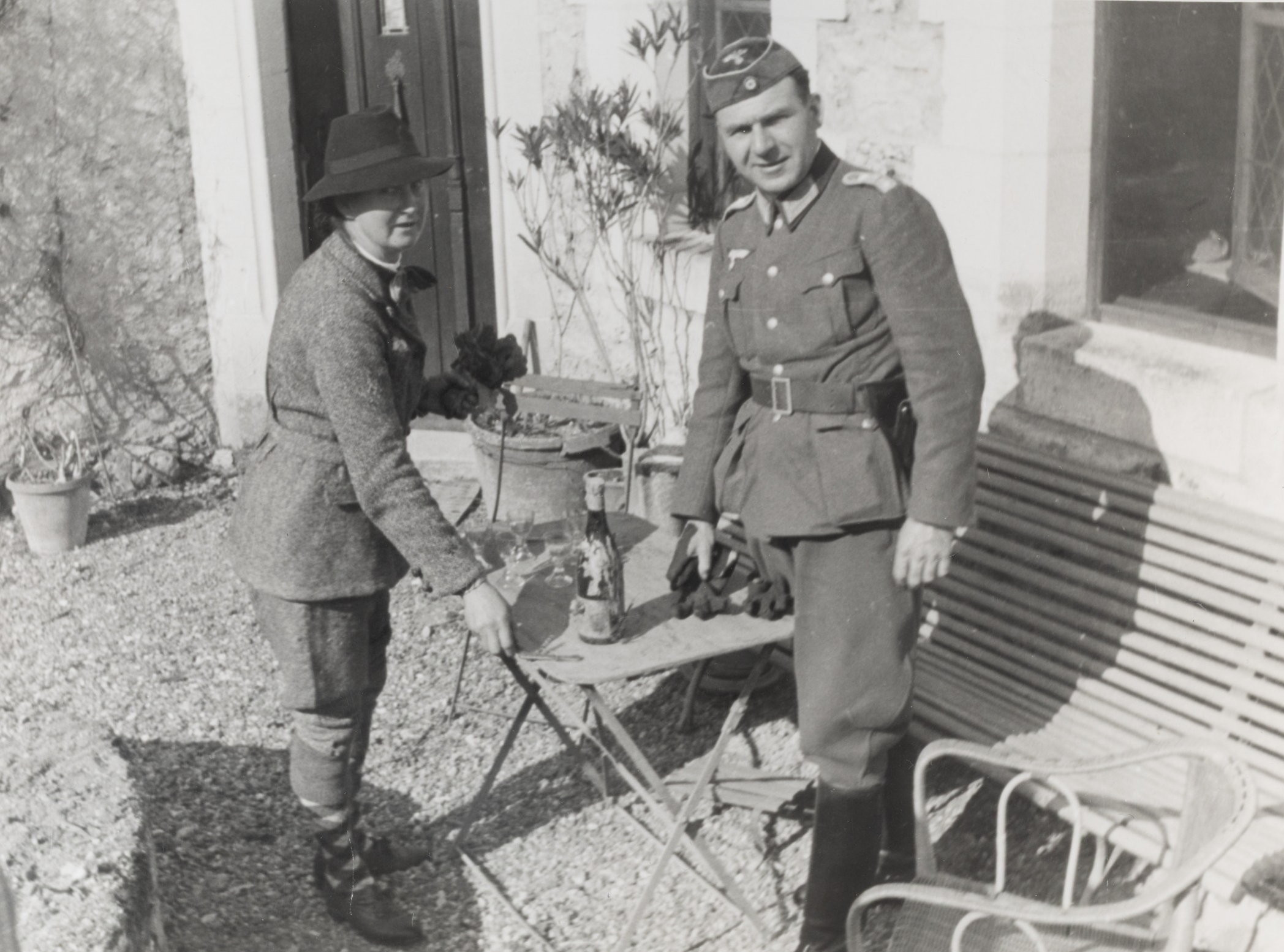
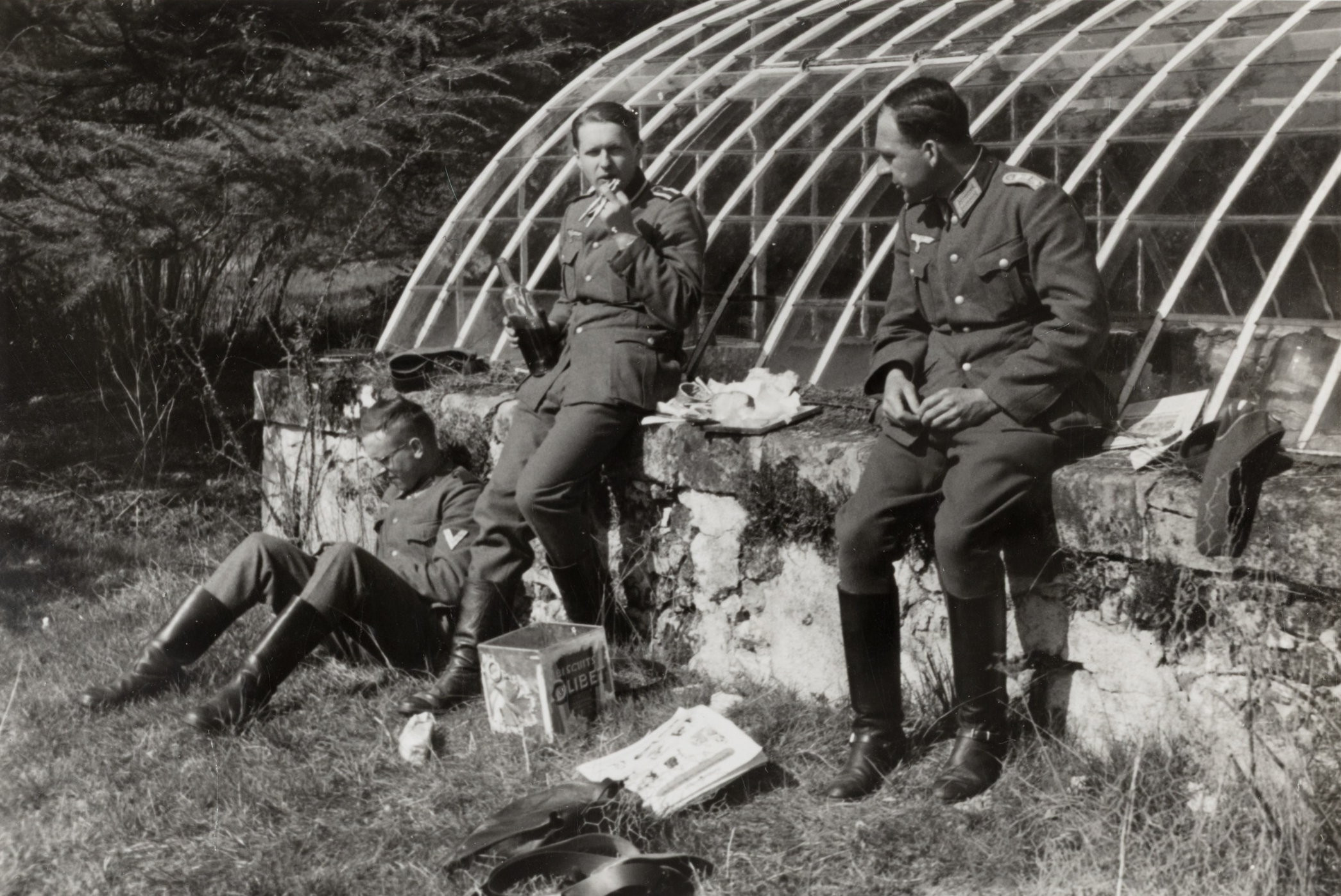
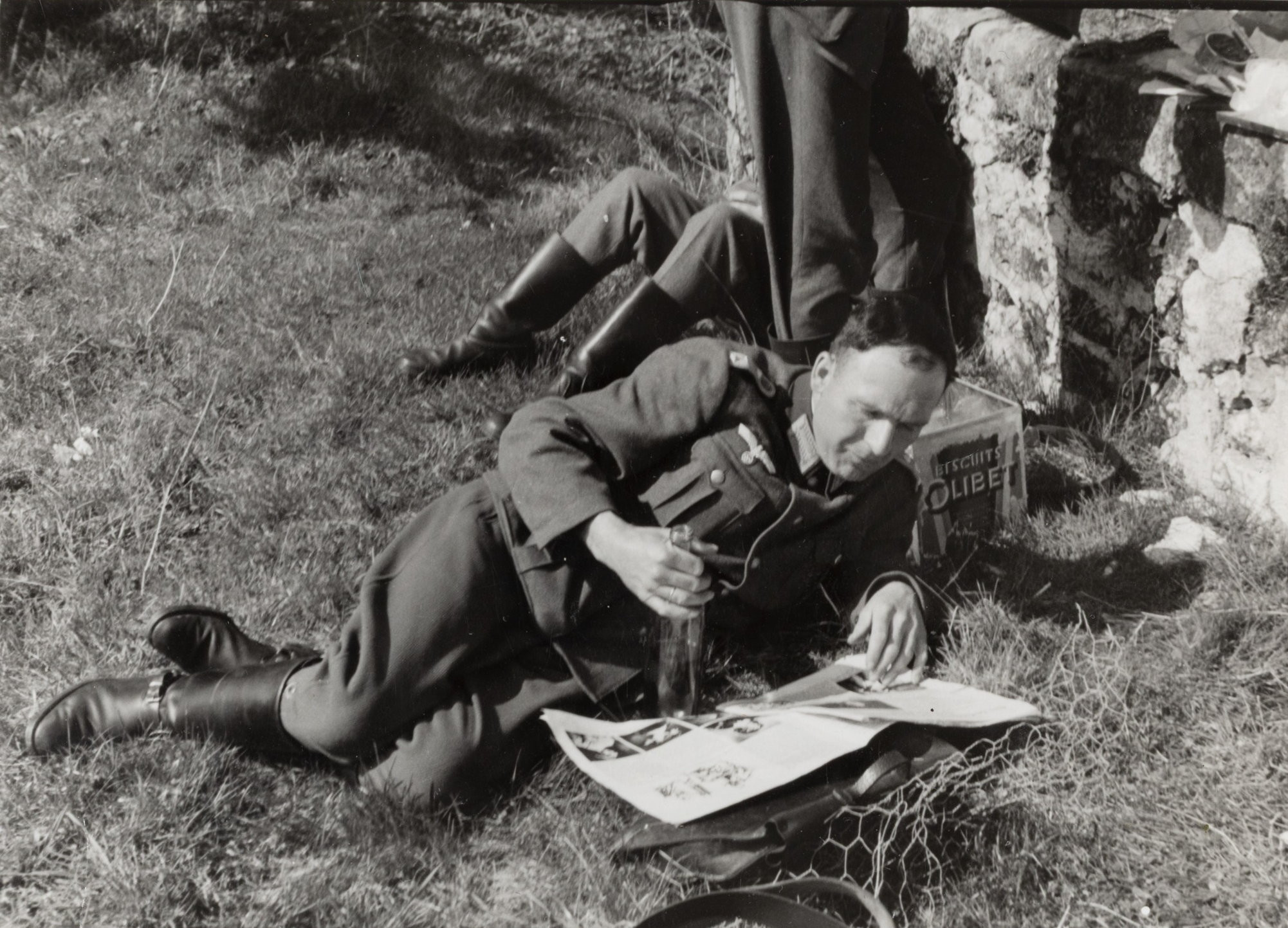
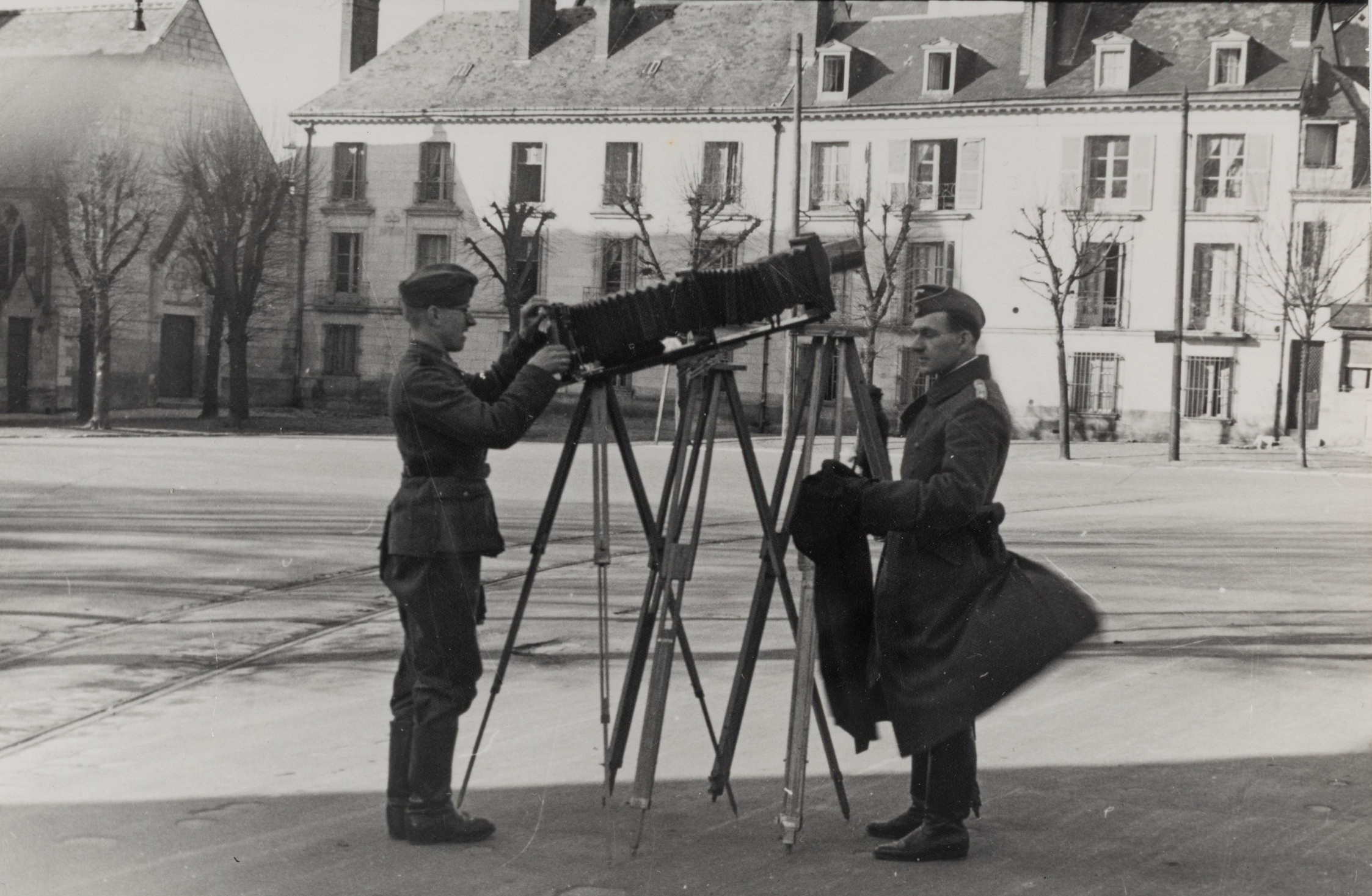
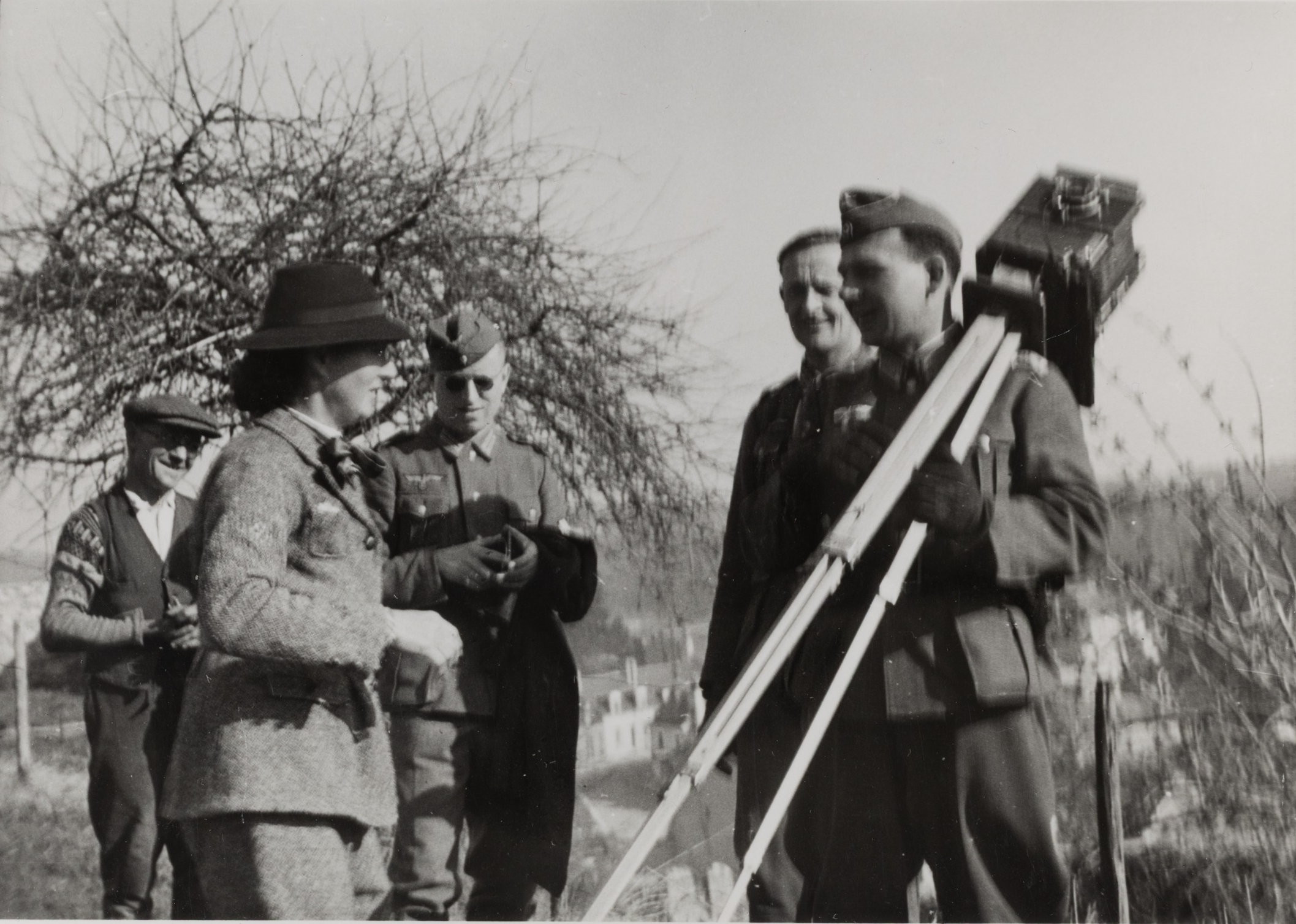
By 1944, the photographic campaigns had produced more than 22,000 images by 16 German photographers. The focus was on medieval architecture and architectural sculpture, especially cathedrals, as well as palaces and works of art in public and private collections. The predominantly large-format glass-plate negatives documented monuments that remained intact, protective measures, and damage already caused by the war. Some of the sites and objects photographed were later destroyed. The images therefore preserve information that can no longer be obtained at the original locations. Foto Marburg also interprets the collection today as evidence of Nazi Germany’s intellectual appropriation of cultural heritage from other countries. [16]
Alf Hamann describes his father’s personal connections in France: “My father spoke fluent French and always said that he got on well with the French. Even after the war, he remained in contact with the people in Reims who coordinated the restoration work. Later, when his photographic volumes were finished, he gave them copies.” [6] This recollection describes personal relationships that continued beyond the war. Any historical assessment of the photographic campaigns must also take into account that they were carried out under German occupation.
One Image, Many Stories
Let us return to the car in the desert. The photograph leads to a journey through Egypt, to the photographic work of two art historians, and to an image archive that continues to make their photographs available for research. The handwritten number on the back has become a trail leading to people, places and scholarly endeavours.
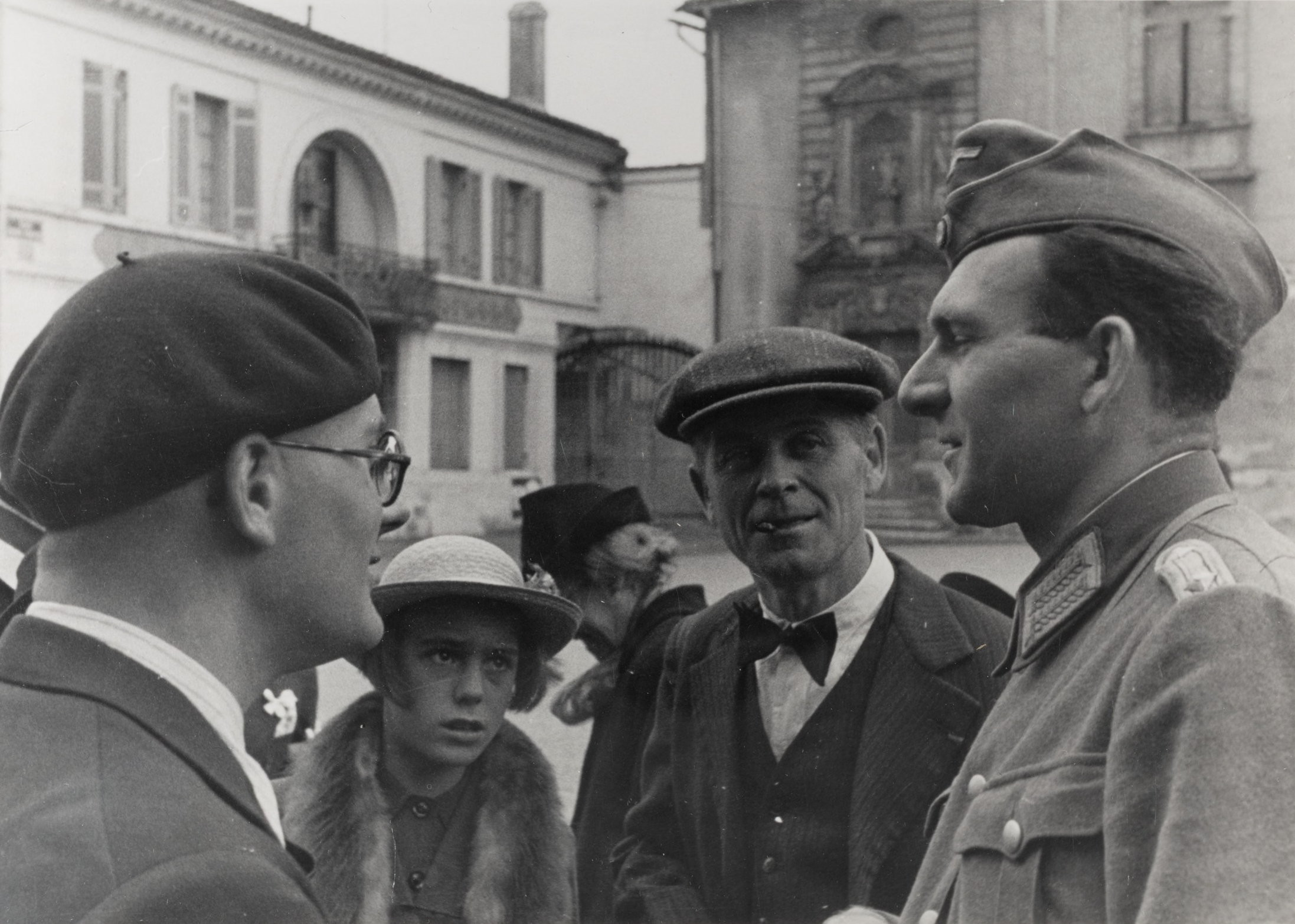
The later photographs of the photographers in Wehrmacht uniforms add another dimension to this story. They draw attention to commissioning institutions, room for individual action and political interests: Who enabled the photography? Under what conditions did the photographers gain access to the works of art? Whom did the images serve?
The 1937 expedition to Egypt and the later art-protection campaigns are linked by the Hamanns’ photographic methods. Their political and institutional contexts must nevertheless be examined separately. In France, scholarly documentation and monument preservation were shaped by the opportunities and power relations created by the German occupation. The photographs preserve valuable information about works of art and buildings; at the same time, they are sources for studying the intellectual appropriation of French cultural heritage.
Family photographs and recollections add personal experiences and the everyday realities behind the cameras to this research. Together with archival records and scholarly studies, they help us understand more precisely how the photographs came into being. The image of the car in the desert captures only a single moment. Its survival allows us to ask questions that reach far beyond it.
Text: Reinhard Krause. Photographs: Richard Hamann-MacLean estate.
Sources and references
- Foto Marburg Image Archive, Bildindex: “The expedition car (Chevrolet National) in the stony desert near Gebel es-Silsila (Richard Hamann and companions in the background).” Photographer: Richard Hamann-MacLean, 1937, inventory no. LA 402/32, image no. fmla402_32. Record obj20045736.Online
- Maria Nilsson and John Ward, “Pictorial representations at Gebel el Silsila: A 10 000 year long repertoire,” in Giuseppina Capriotti Vittozzi and F. Porcelli (eds.), *Archaeology and Environment: Understanding the Past to Design the Future. A Multidisciplinary Approach* (Rome: Istituto di Studi sul Mediterraneo Antico, 2016), pp. 167–183. The abstract on Lund University’s research portal was consulted here. Online
- General Motors Heritage Archive, “1928 Chevrolet,” contemporary specifications for the National models, PDF pp. 5–6: ground clearance and leaf springs on both axles. The relevance of these features to the photographic expedition is a technical interpretation; they do not establish why this particular vehicle was chosen.Herstellerunterlagen (PDF)
- Foto Marburg Image Archive / German Digital Library: “Breakfast near Aswan (Egypt campaign 1937), Richard Hamann in the centre,” 1937, photograph no. la 402/02, image file no. fmla402_02, DDB object LPMPKPSFYWUDQL77OR7VBEYDX7LENE66.Online
- Hans Wolfgang Müller, *The Rock-Cut Tombs of the Princes of Elephantine from the Middle Kingdom*, Ägyptologische Forschungen 9 (Glückstadt–Hamburg–New York: J. J. Augustin, 1940). Cited here: preface, dated Berlin, February 1939. Digitized copy held by the University of Chicago.Online
- Alf Hamann, conversation with Reinhard Krause, October 2026. Source of the quotations reproduced in the text.
- Philipps University of Marburg, “The entire spectrum of the visual arts in view,” 19 October 2013. Source for the institution’s founding in 1913 and its characterization of Hamann. Online
- Fritz Laupichler, *The Foto Marburg Image Archive: From the “Photographische Gesellschaft” to the German Documentation Centre for Art History. A Historical and Chronological Overview, 1913–2013* (Marburg: Tectum, 2016), electronic edition. Cited here: printed pp. 11 and 13, consulted in the publisher’s preview.Online
- Georg Schelbert, “The photographic campaign: Art history’s image offensive,” *kunsttexte.de* 3/2024, especially pp. 11–14, figs. 10–11. Online
- Foto Marburg: „Zum 100. Geburtstag von Richard Hamann-MacLean (1908–2000)“, 2008. Online
- Ingo Herklotz: „Kunst in finstrer Zeit“, Marburger UniJournal 42, Winter 2013/14, S. 36–38. Online
- Esther Heyer: „METTERNICH Franziskus (Franz) Graf Wolff (DE)“, Institut national d’histoire de l’art, AGORHA, 9. Dezember 2021. Online
- Susanne Dörler and Esther Heyer, “Views from occupied France,” cat. no. 18, online catalogue of the Art History Institute of the University of Bonn, n.d. Object discussed: photographic portfolio from 1940/1941.Online
- “Hamann-MacLean, Richard,” in the Professor Catalogue of Philipps University of Marburg, as of 19 April 2026.Online
- “Richard Hamann-Mac Lean,” in *Gutenberg Biographics*, directory of professors at the University of Mainz. Records his SA membership from March to September 1934 and his dismissal for lack of interest, as well as his assignment to art protection as wartime service from 27 November 1940 to 29 December 1941.Online
- Foto Marburg, “Photographic campaign of the military art protection unit in France, 1940–1944.” More than 22,000 photographs and principal subject areas. Online
HistoricBits
Discover. Preserve. Make Visible.
HistoricBits focuses on historical photographs that have survived in private albums, collections and personal archives. The project discovers, preserves, documents and publishes images that might otherwise be lost or forgotten.
The project highlights often-overlooked forms of vernacular and applied photography: commercial photography, amateur photographs, local press images, studio portraits, photo-booth pictures and rapid-service photography.
Many of these photographs were not created as art, nor with the intention of documenting history, yet today they constitute important historical sources.
They were made to preserve memories, provide a service or make a living through photography. It is precisely this direct connection with everyday life that makes them valuable today.
About the Project