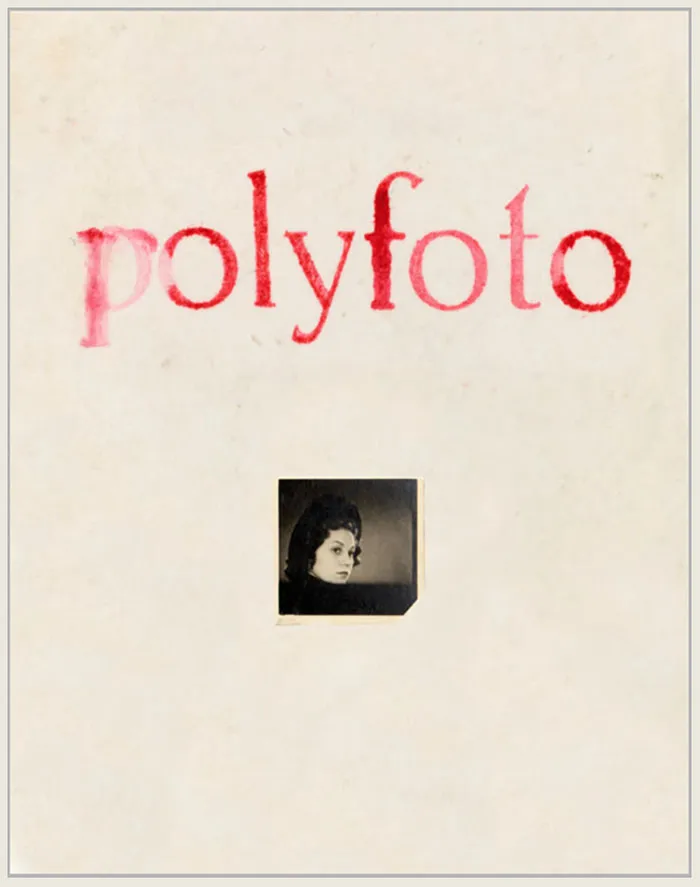
Polyfoto
Portraits in series in Germany — approximately 1935 to 1970
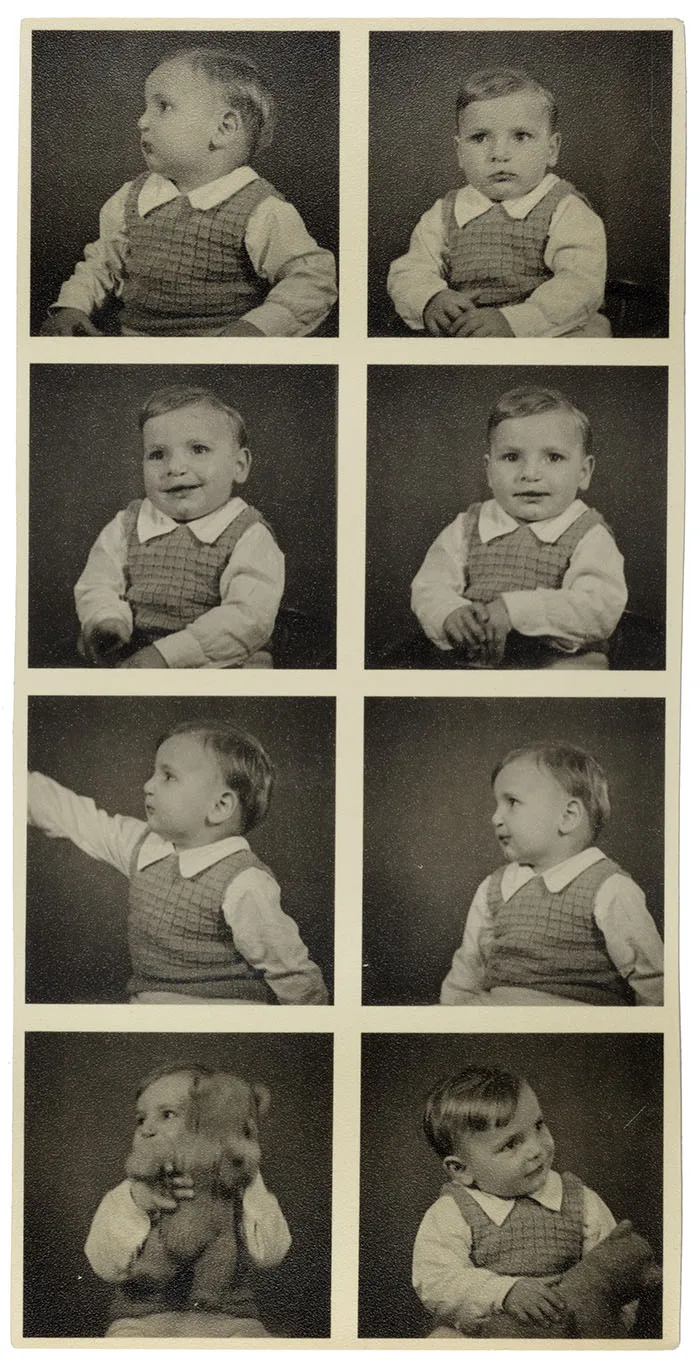
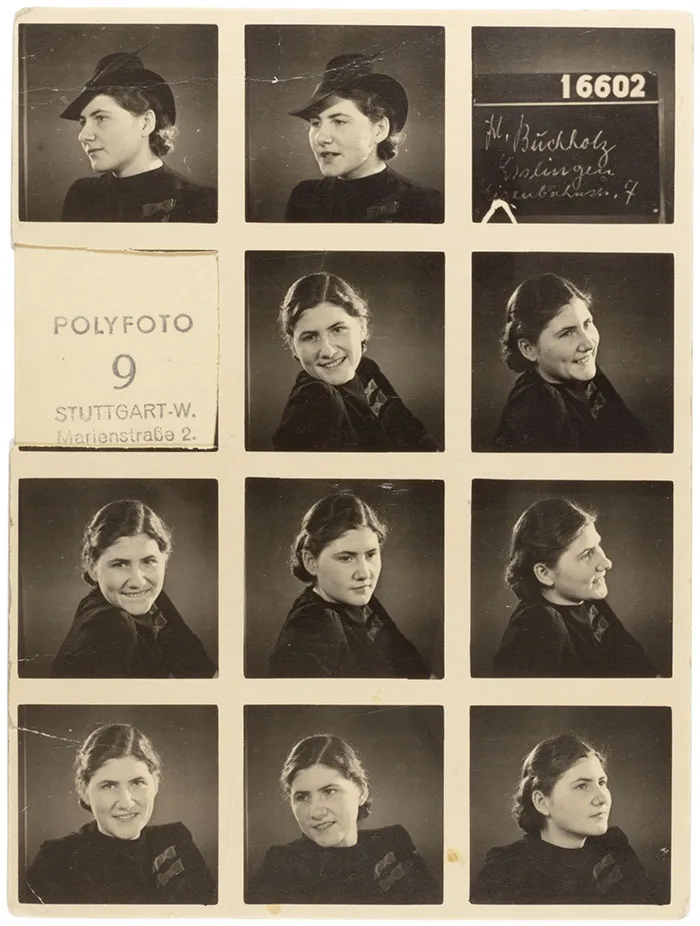
The Polyfoto technique was introduced by Kodak in Britain in the 1930s and quickly became widespread in Germany too. It allowed a series of small-format portraits to be taken on a single glass plate
.
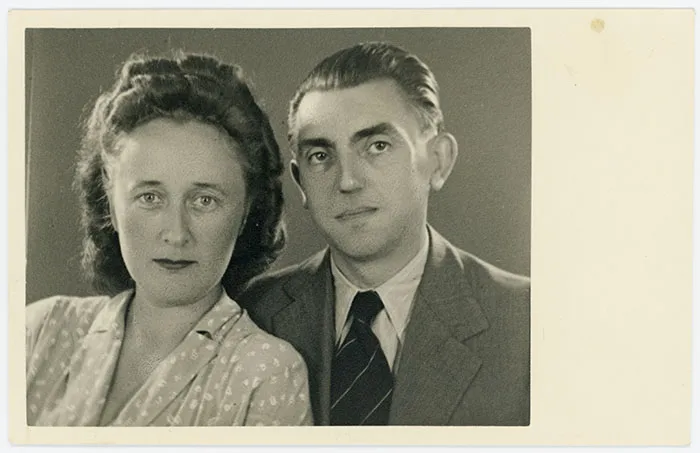
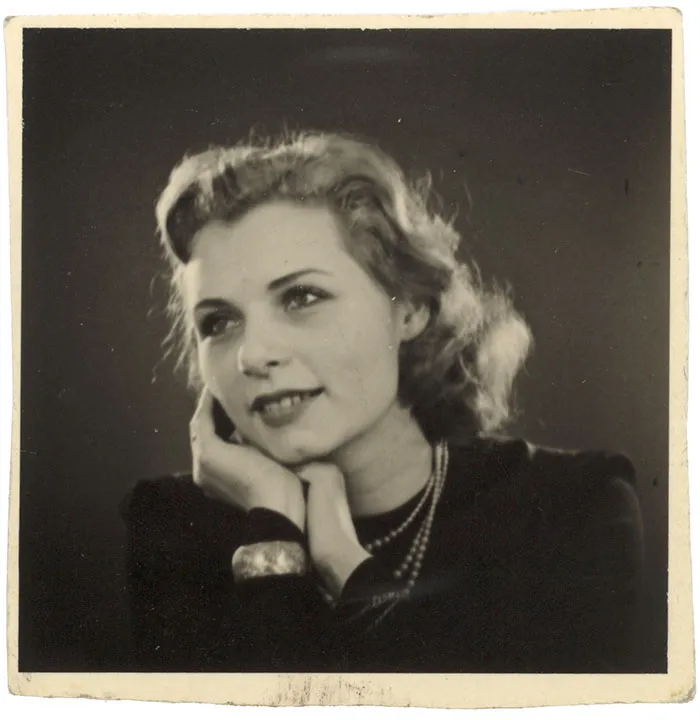
The original intention was for customers to select one of the images and have it enlarged
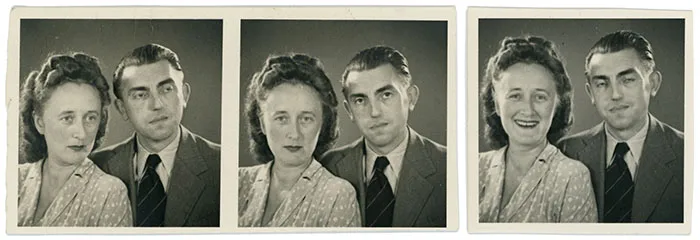
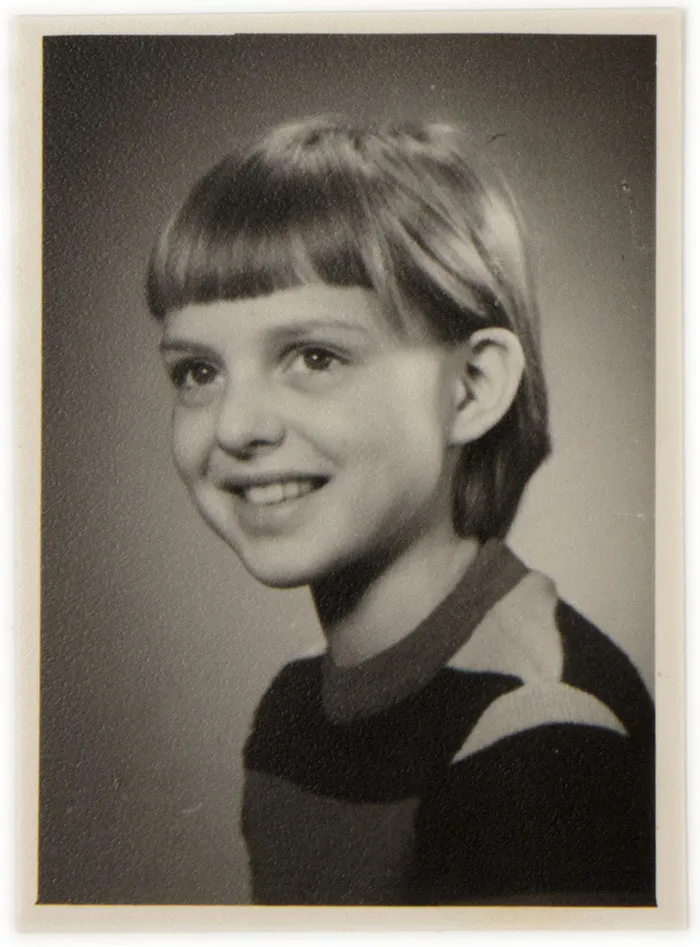
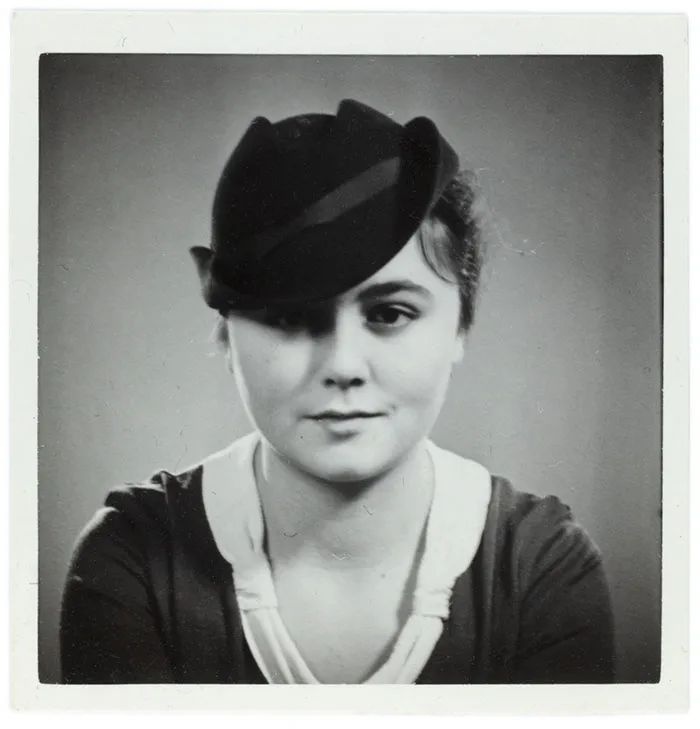
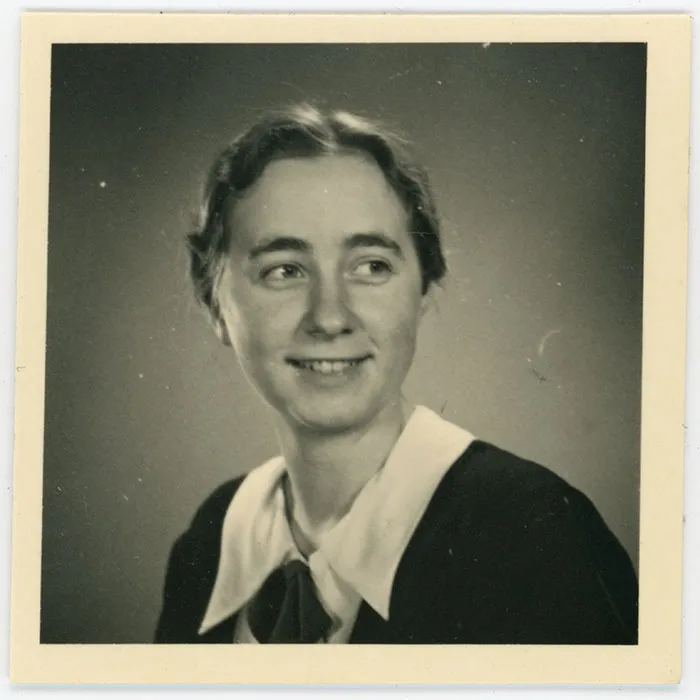
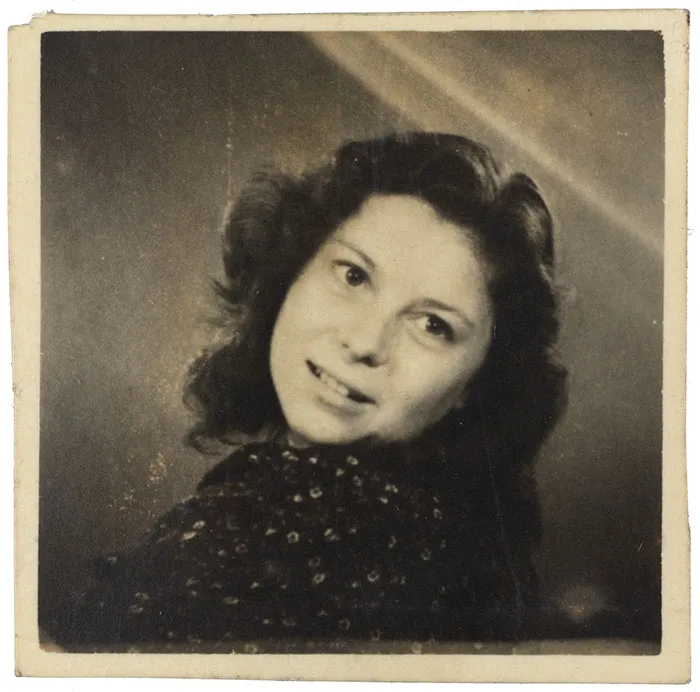
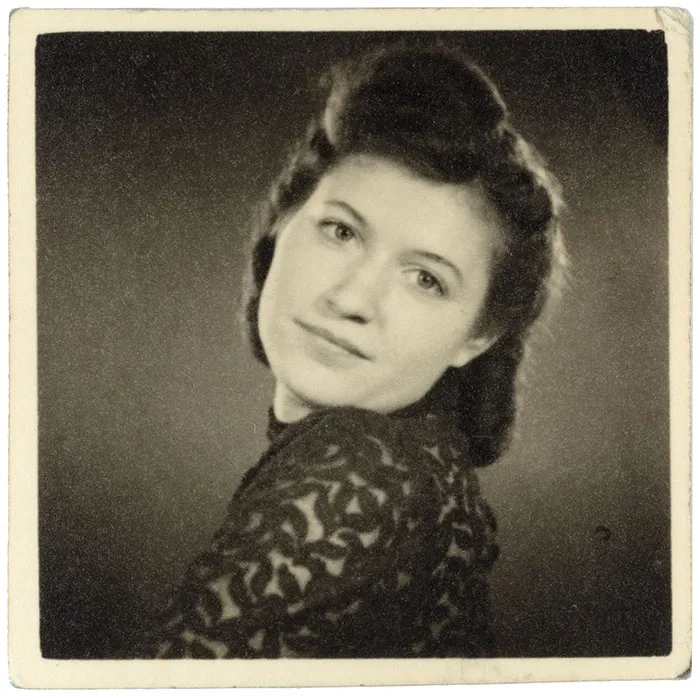
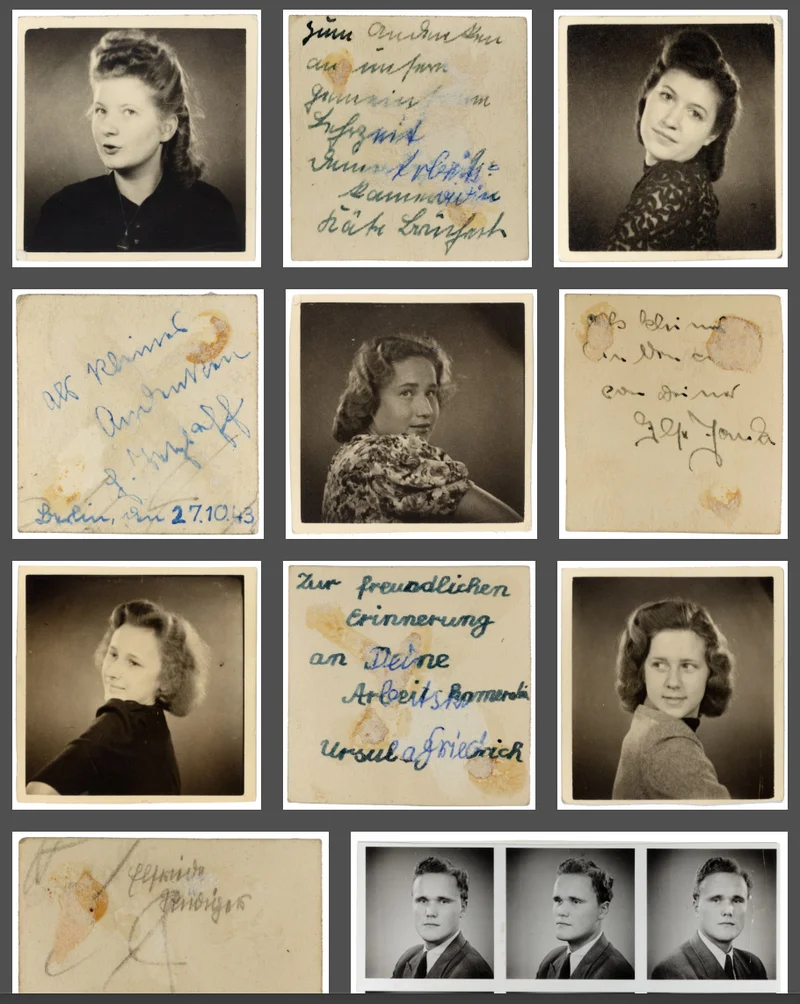
. In practice, however, the small photographs themselves also proved very popular. They were cut out, given away or kept — as passport photographs for identity documents, but also as personal gifts, for the family album, as so-called ‘kissing pictures’ to carry in a wallet when separated from a loved one, or as reminders of time spent together.
The process itself was simple and efficient
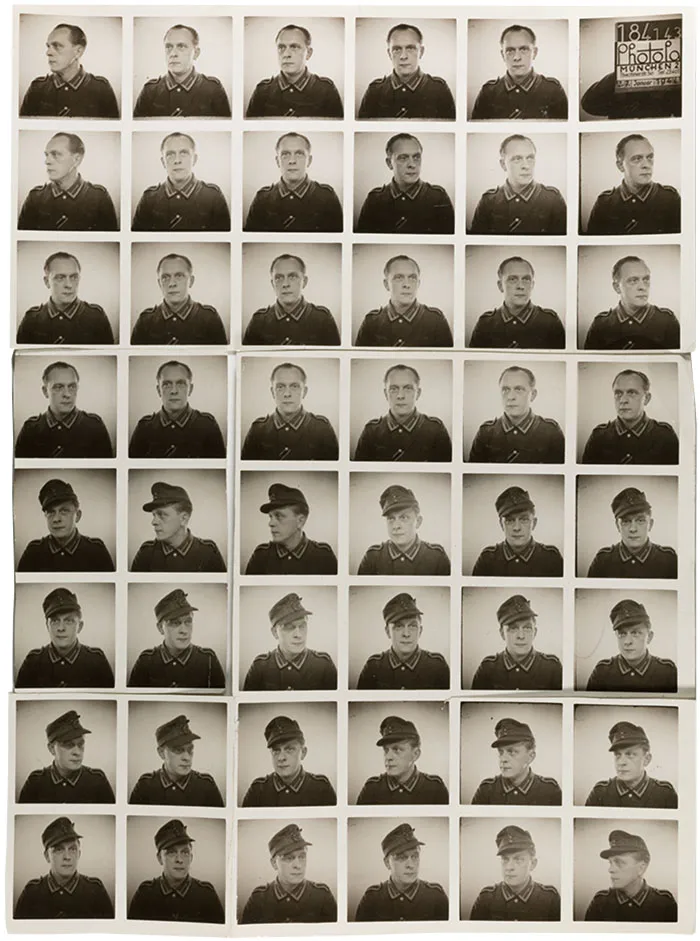
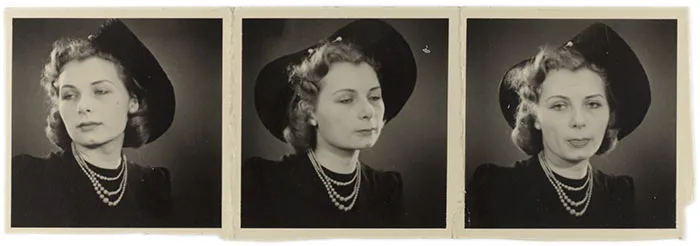
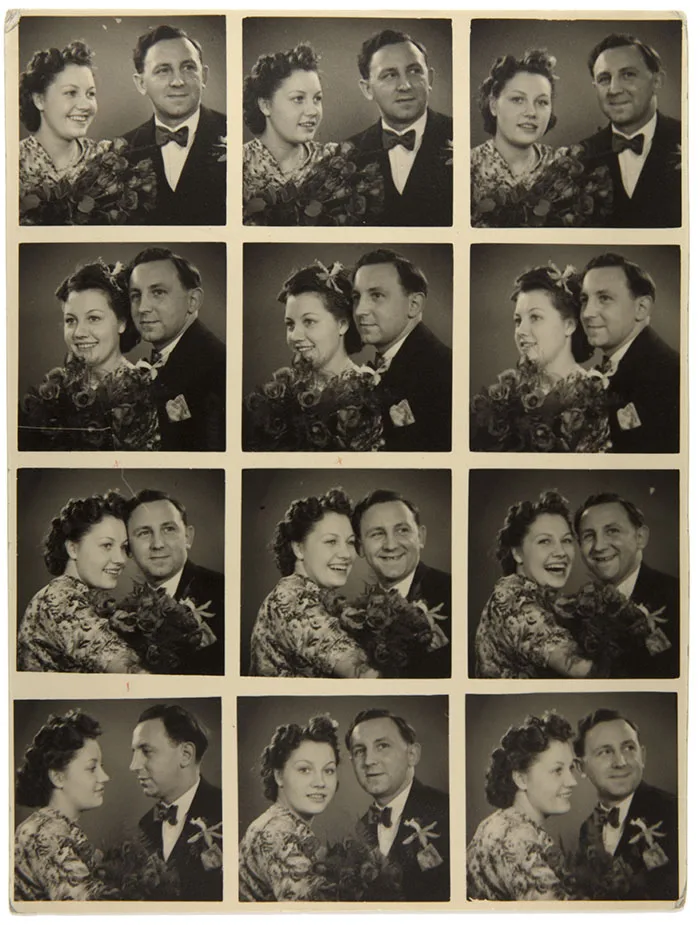
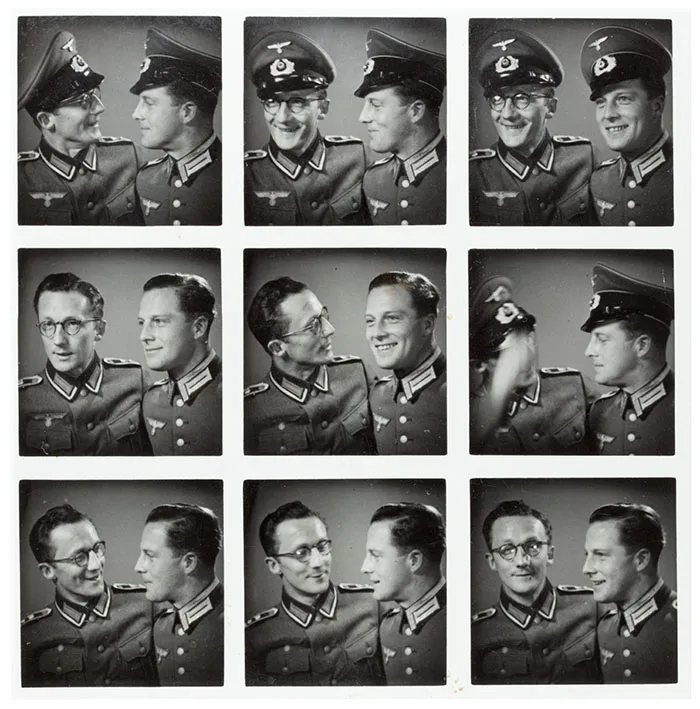
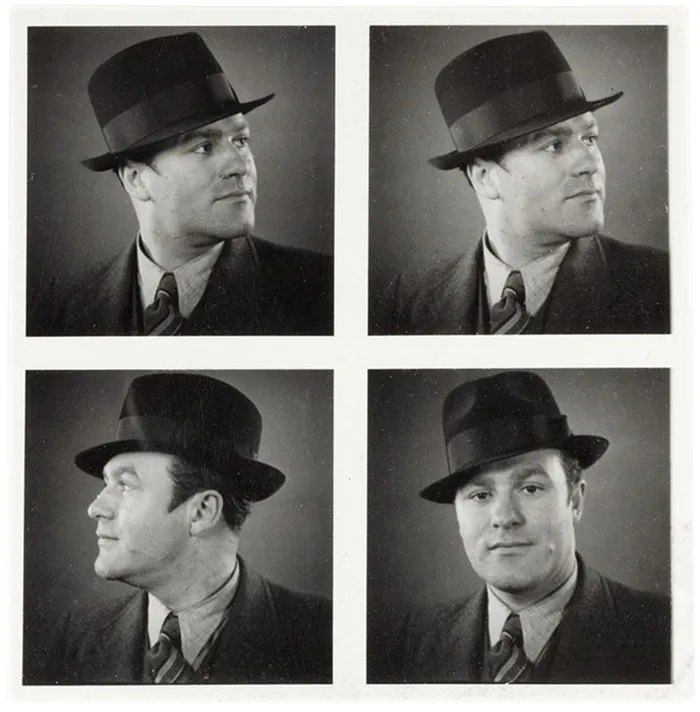
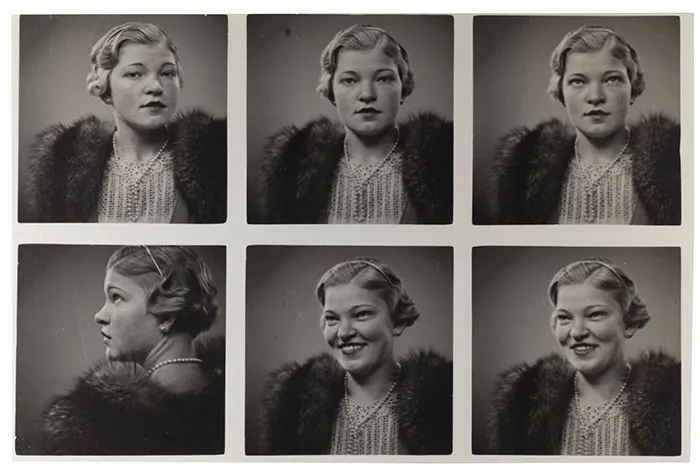
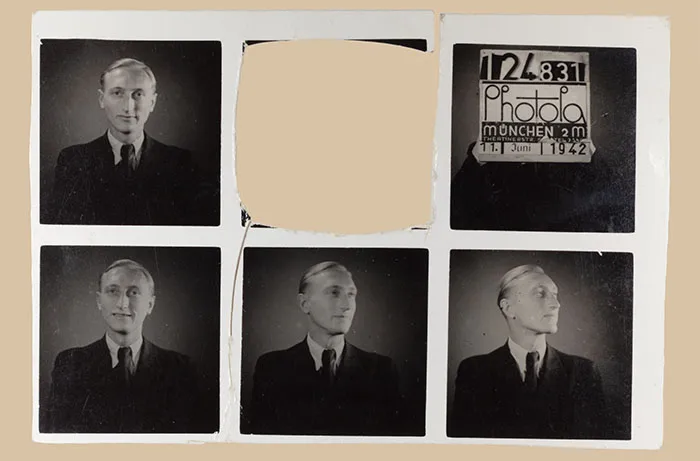
: the photographer turned a crank that automatically moved the plate holder forward in stages, allowing variations of a subject to be photographed in succession. The customer received a contact sheet containing up to 48 numbered portraits, from which a favourite could be selected for enlargement.
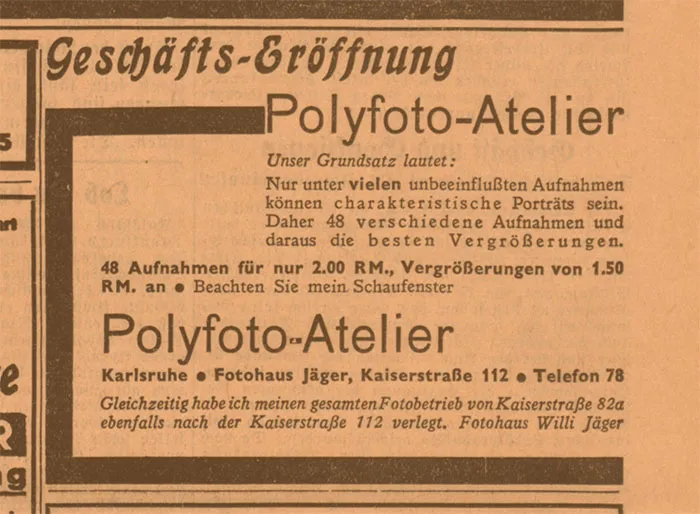
As an advertisement in the Karlsruher Tagblatt of 7 June 1936 promised, customers could move freely while their Polyfoto portraits were taken, supposedly allowing particularly successful photographs
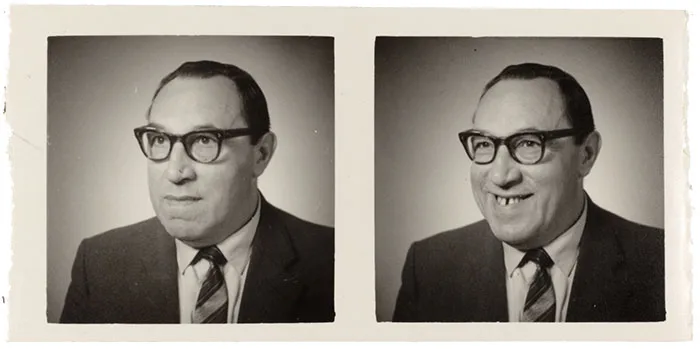
. The resulting series offered a wide choice of facial expressions and viewpoints.
Writing with irony, a reporter for the Kölnische Zeitung described what he had observed on Berlin’s Kurfürstendamm on 25 November 1934:
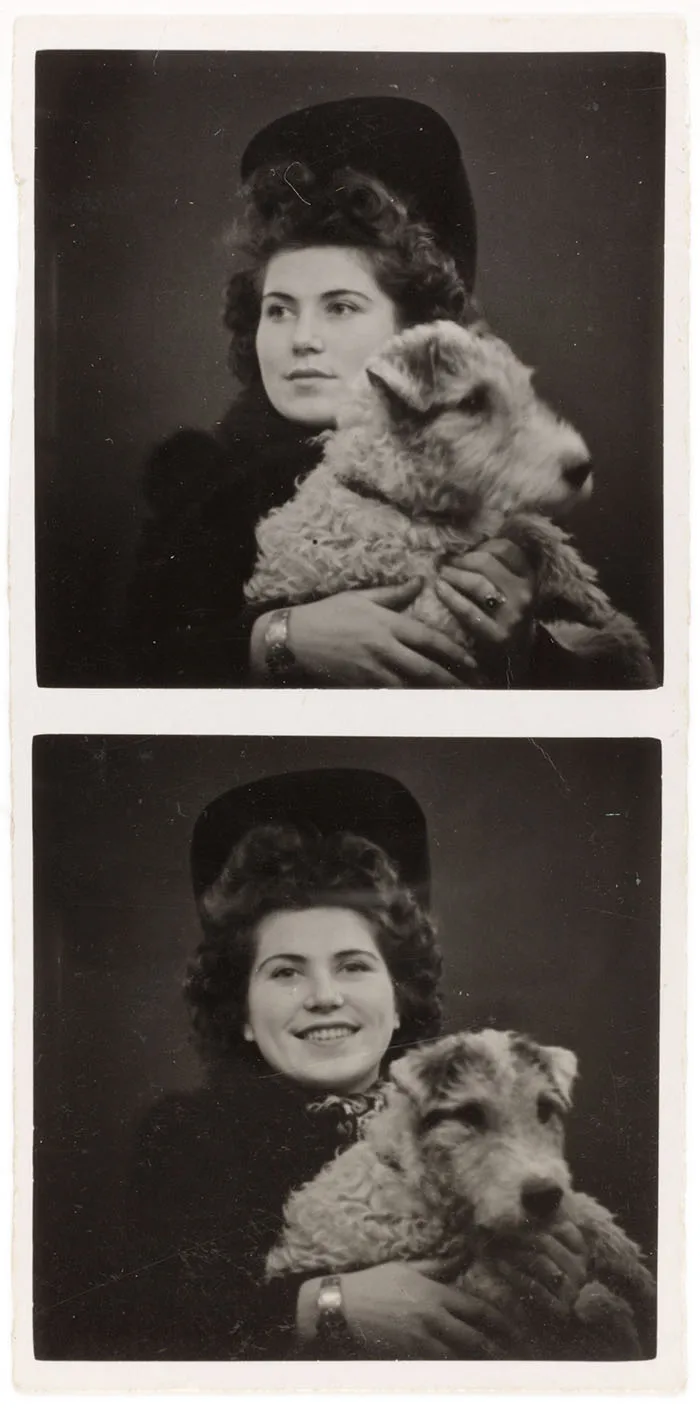
‘I can imagine mistress and little dog going to “Polyfoto”, where they can have 48 amusing photographs taken. One in profile facing right; in another Fifi sits on her mistress’s lap; or a glance into the Polyfoto camera reveals a delicate little snub nose, which, because it has turned out particularly well, is then enlarged and used as a thoughtful gift.’
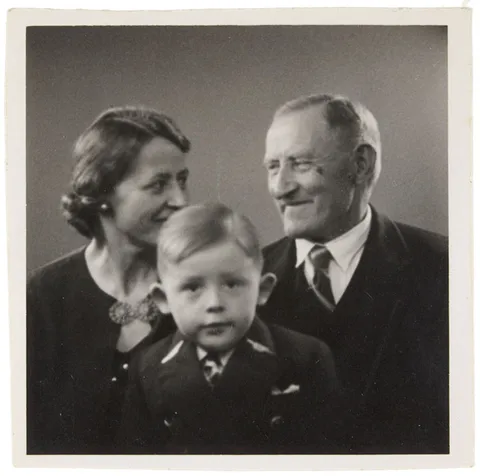
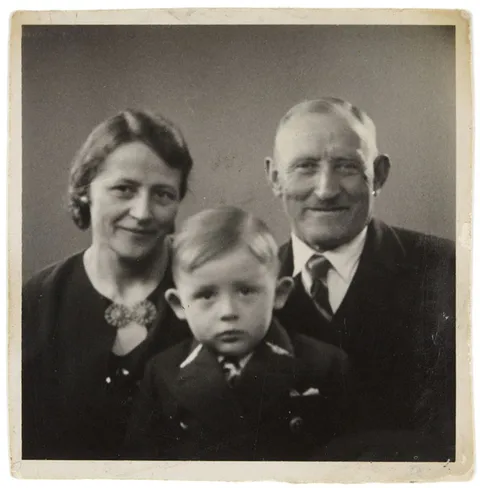
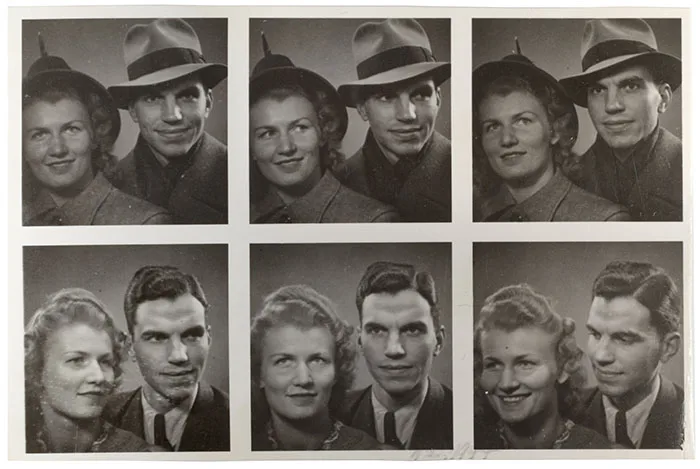
Several people were often photographed together, probably posing at the suggestion of the camera operator, who guided customers throughout the session.
This new technique astonished many people and aroused their curiosity. It probably also had a certain entertainment value. Nevertheless, the surviving series show that some people found it difficult to appear completely free and relaxed — perhaps because a photographer was still present despite the technical sophistication, or because customers had not yet fully grasped the new possibilities.
Typically, the order number was recorded in the first exposure. The photographs were numbered on the back to make reordering easier.
Polyfoto studios operated in Germany from the 1930s to the early 1970s. During that period they produced numerous portraits offering insights into everyday life under National Socialism, during the Second World War and in post-war East and West Germany.
Many images initially appear unremarkable and standardised. On closer inspection, however, they reveal clues to social developments, attitudes characteristic of the period and the people portrayed — even when their identities are no longer known and only the photographic studio can be identified from a stamp on the back.
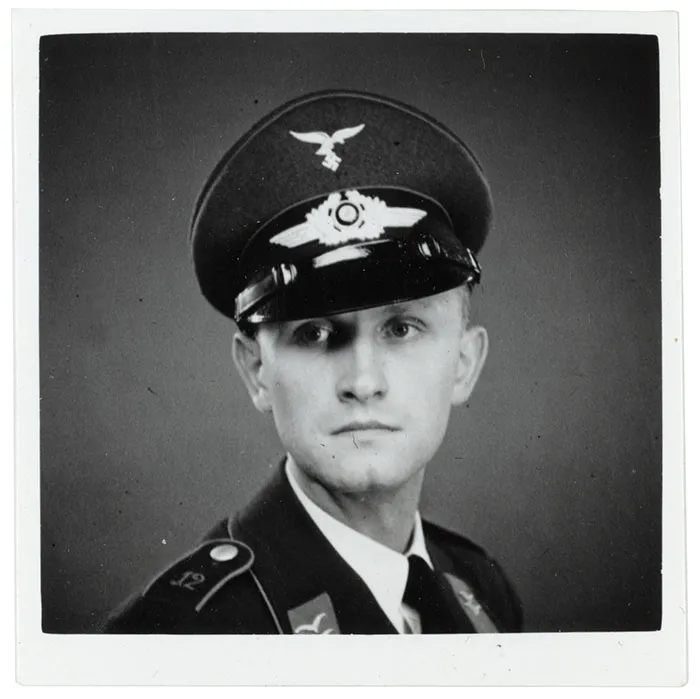
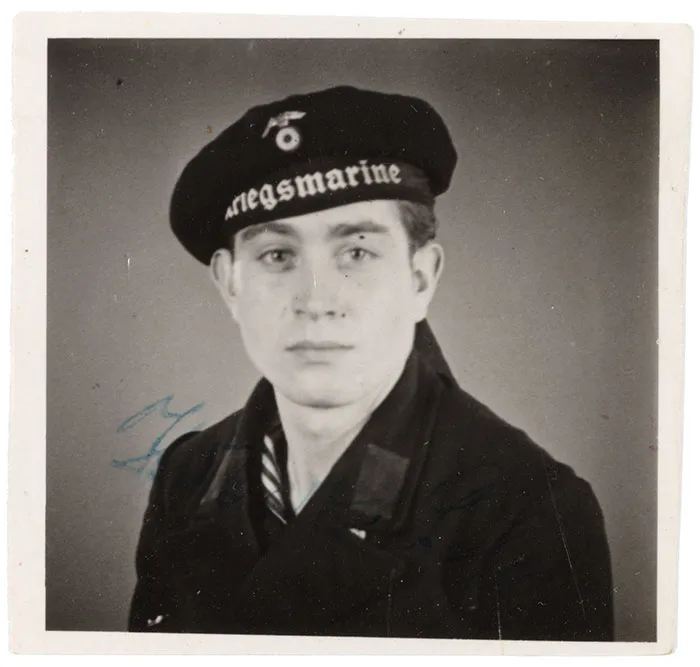
Particularly striking is the presence of military uniforms under the Nazi regime in the 1930s and 1940s. These private, often informal photographs reflect how uniforms became part of the everyday visual landscape.
In the post-war period, in both the GDR and the Federal Republic, the portraits reflect changing tastes as well as the growing optimism of the 1950s.
Only on closer inspection do the images reveal their full depth and show facets of the everyday culture of their time, often through reading between the lines rather than through what is obvious.
With the arrival of automatic passport-photo booths from the late 1950s, the Polyfoto technique gradually lost its importance and was used only occasionally into the early 1970s.