A New Form of Portrait Photography
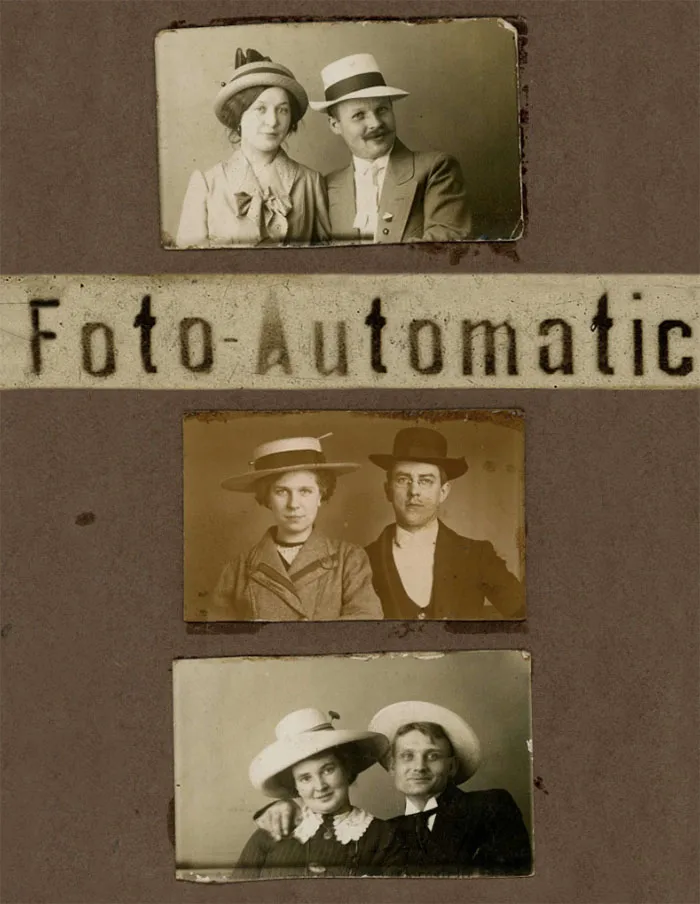
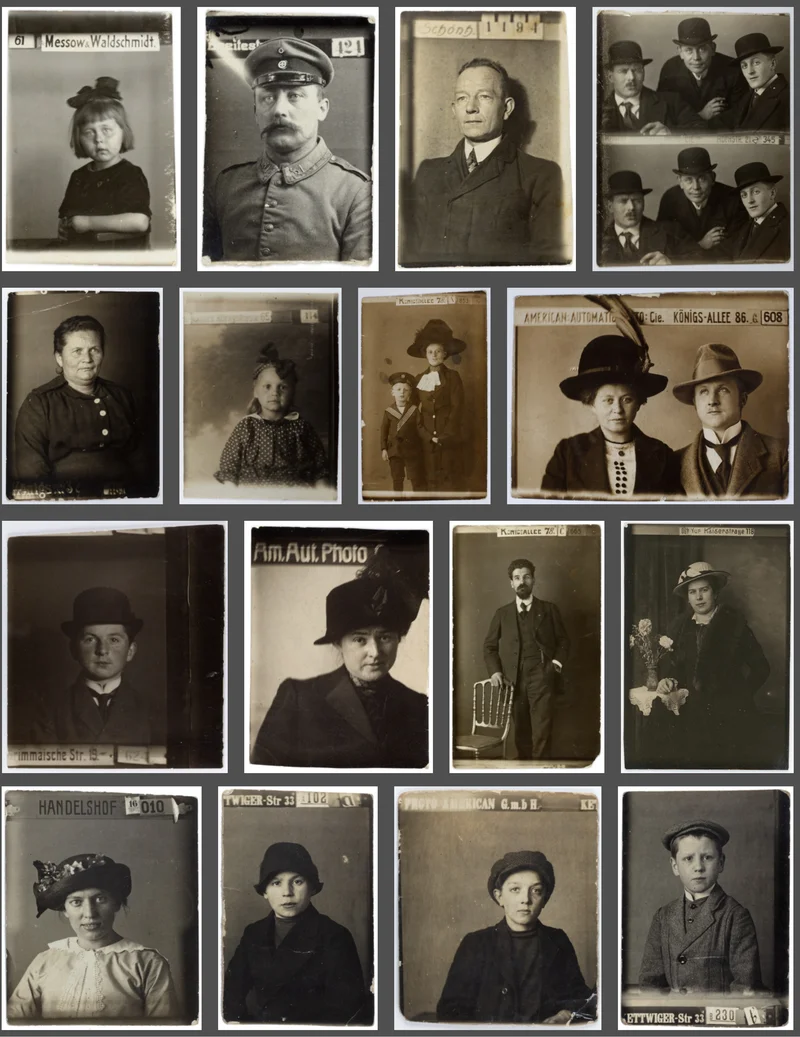
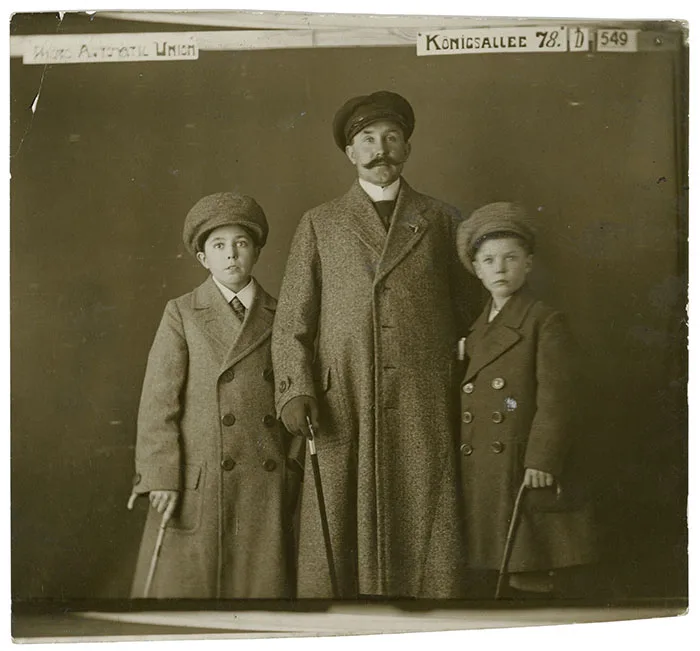
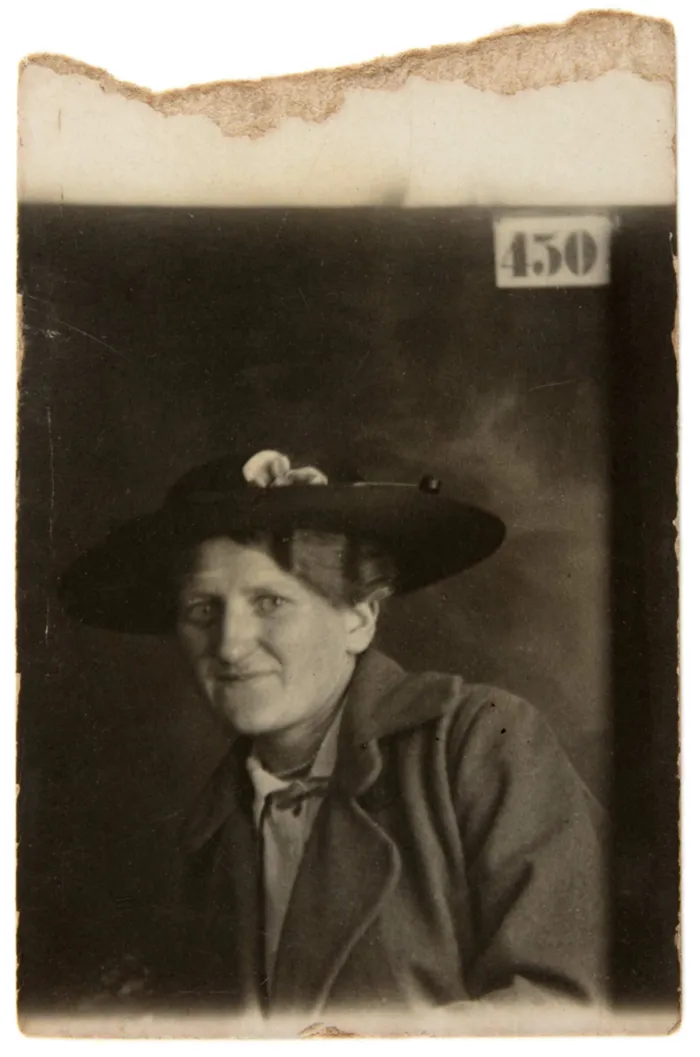
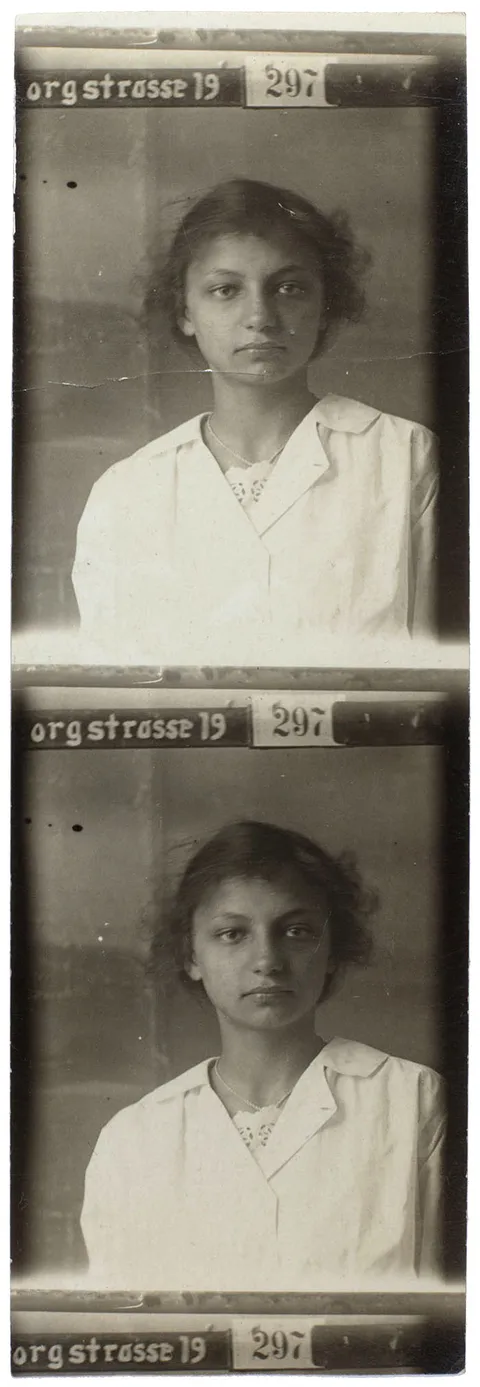
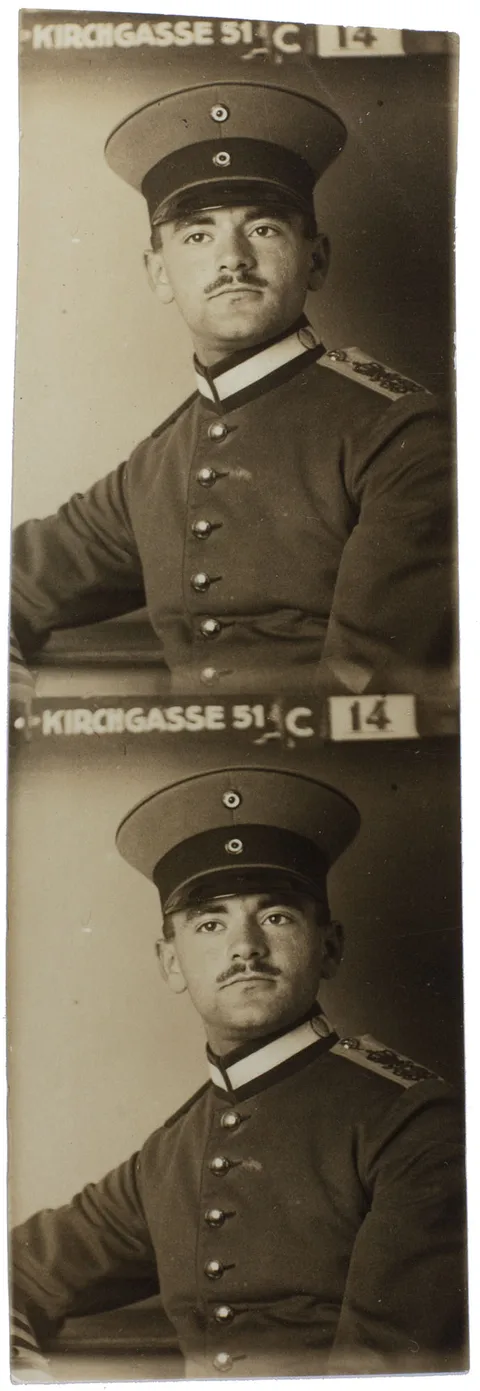
Anyone exploring old family albums, flea markets or archives may encounter small black-and-white photographs on thin paper, often in strips of identical portraits with a picture number and studio details photographed into the background.
The pictures are simple and small: bust portraits of individuals or groups in relaxed poses, lit from the front and facing the camera. Their technical quality is often modest, with slight blurring, yet this gives them an immediate, authentic presence.
They were produced in a new type of studio that spread rapidly through German cities from about 1912, fundamentally changing access to photography.
Although the pictures resemble modern passport photographs, the frequently used term ‘machine photographs’ is misleading. Fully automatic booths were not used. The defining feature of a photo booth, coin-operated self-service, was absent: an operator controlled the camera, lighting and pose.
The process originated in Britain, where it was known as Stickyback.
The Hungarian photographic historian János Mátyás Balogh’s study of Stickyback photography is a standard work on mass portraiture in the early twentieth century.
Balogh describes the genre as ‘an international phenomenon with different local names’, including the English Stickyback, the Hungarian Enyveshát, the Austrian Leimrücken, the German American Automatic
Photo, the Dutch Tip-Top
and the French Photo-mécanique
— all referring to the same photographic phenomenon.¹
From Stickyback to American Automatic Photography
As the name suggests, Stickybacks had a special reverse: it was gummed like a postage stamp. Once moistened, the photograph could be stuck directly onto a surface.
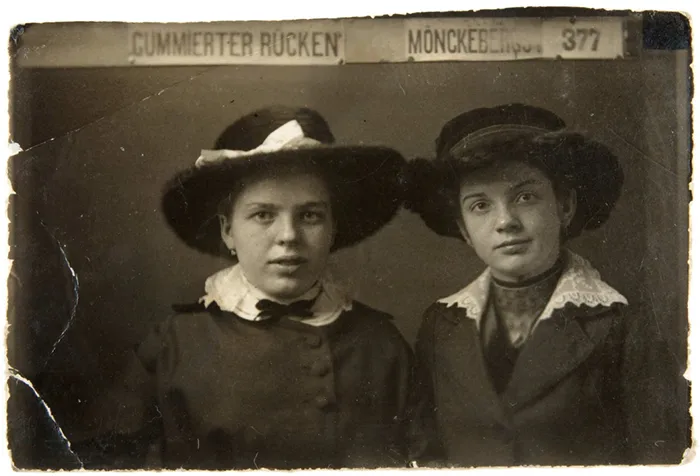
In Germany, however, this version seems to have made little headway. An early Hamburg studio did call itself ‘Gummierter Rücken’, the German equivalent of ‘Stickyback’.
Many surviving photographs from German-speaking countries show no adhesive residue, perhaps because the glue disappeared over time. On many, however, the reverses carry handwritten inscriptions, which argues against a gummed surface.
The gummed reverse was probably less important to the system’s success than its low price, the large number of useful pictures and their rapid availability.
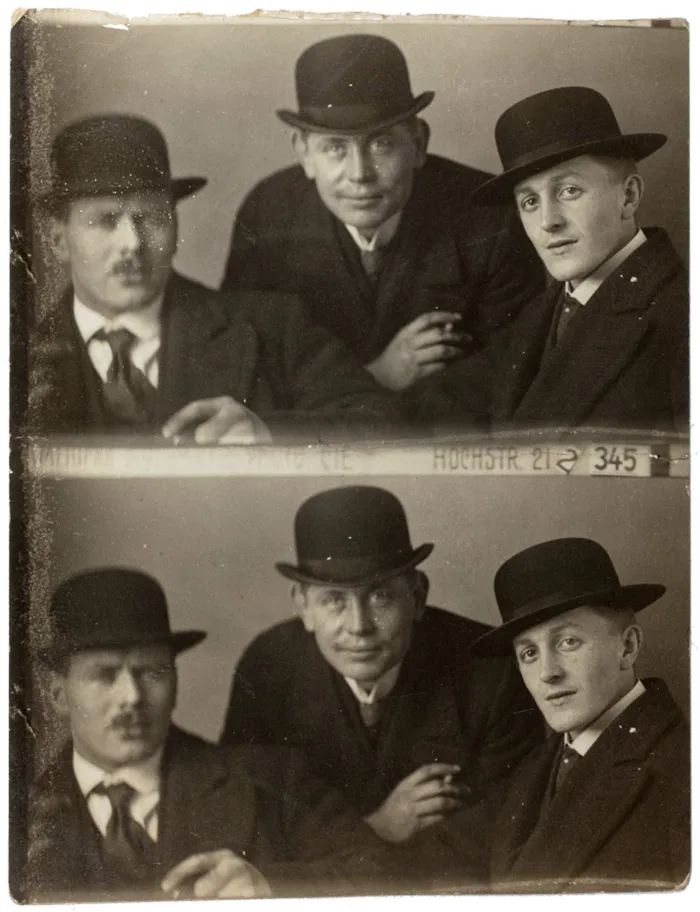
‘Press the Button’
The real attraction lay in a simple self-release mechanism: a mechanical trigger allowed sitters to control the moment of exposure, giving the process an air of something special.
A newspaper article in the General-Anzeiger
für Dortmund of 19 October 1912 describes the principle:
‘A new American enterprise opened its doors today in the Krüger Passage: the American Automatic Photo Company, a limited-liability company. Already represented in numerous major cities at home and abroad, the enterprise attracts well-deserved attention wherever it operates. The principle is simple: press a button, have your photograph taken and receive twelve attractively finished pictures for the astonishingly low price of just 50 pfennigs. Delivery takes place the day after the sitting.’
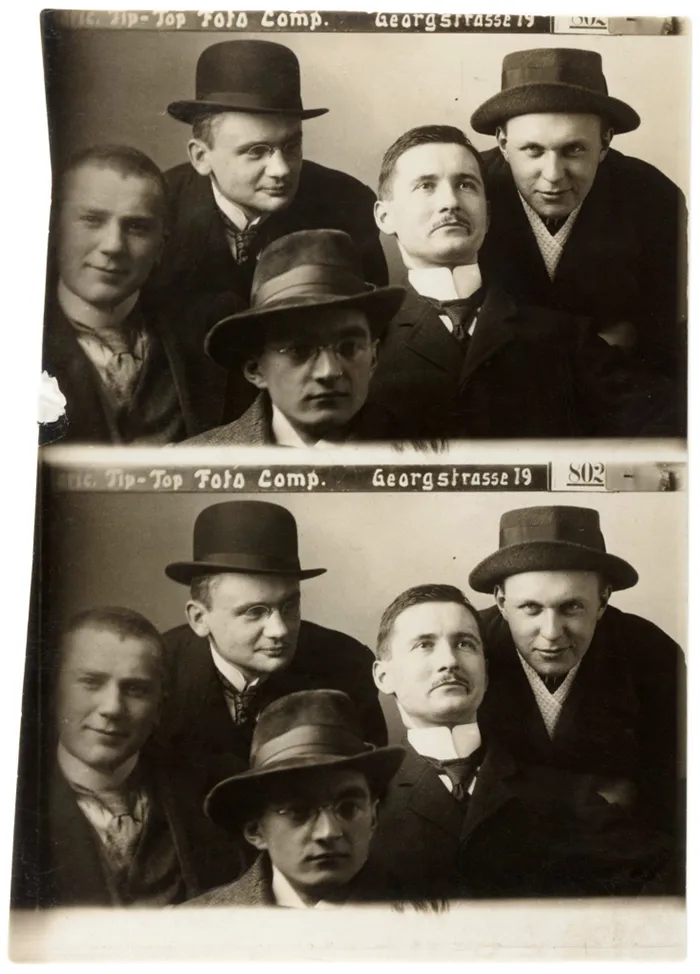
Releasing the shutter oneself gave the process an air of technological modernity. Surviving group portraits often reveal this ‘button pressing’, while also showing the entertainment value of the performance.
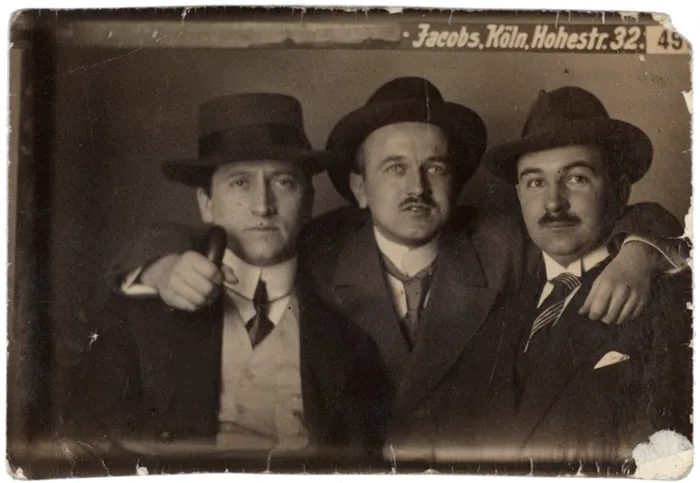
The terms ‘Automatic’ and ‘American’ were deliberately used in marketing as promises of progress, efficiency and innovation.
Many studios occupied prestigious addresses in the hope of attracting passing customers: portraits made quickly, cheaply and for everyone.
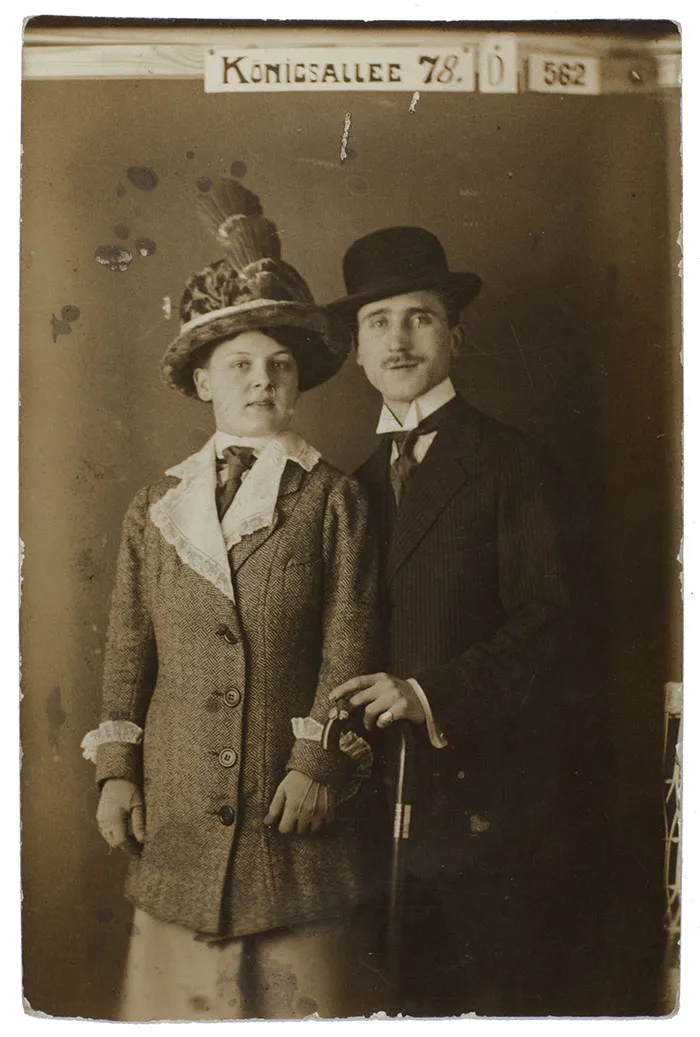
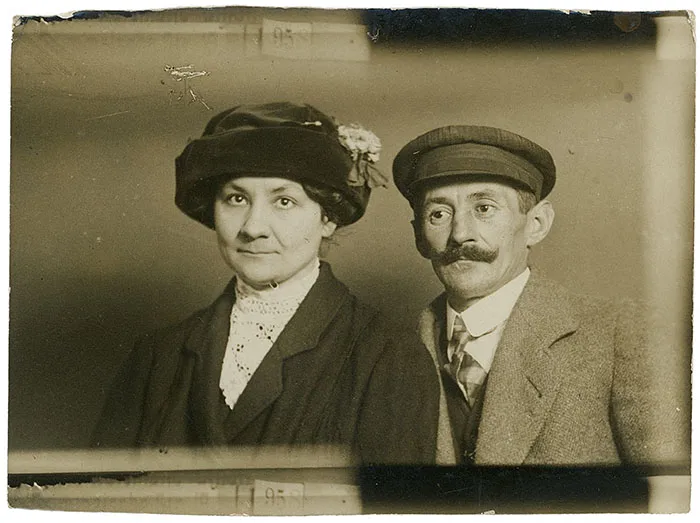
Indeed, many photographs also show affluent citizens. Their affordability nevertheless made these pictures attractive to the urban working class. Surviving photographs often show people who were otherwise rarely photographed, making them particularly valuable sources today.
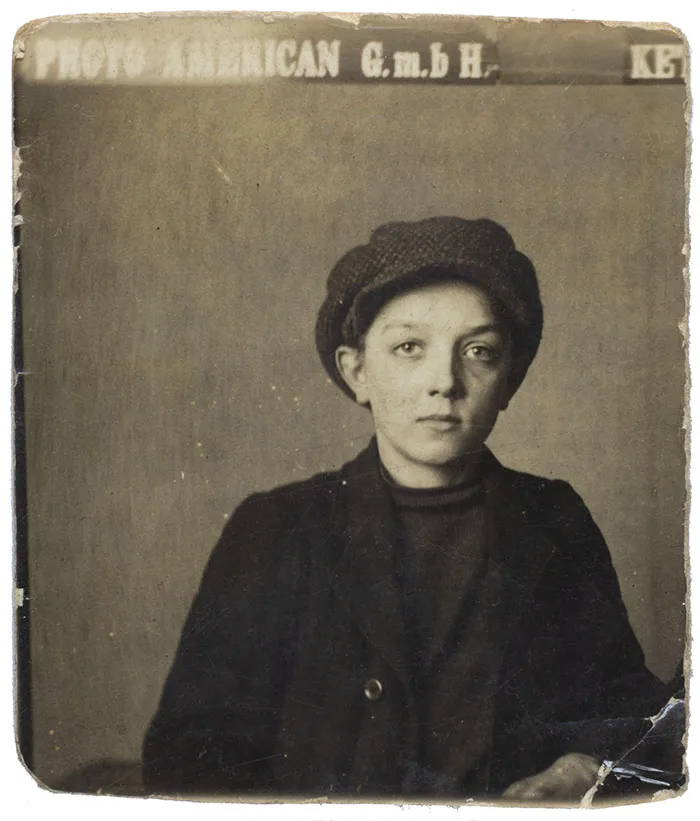
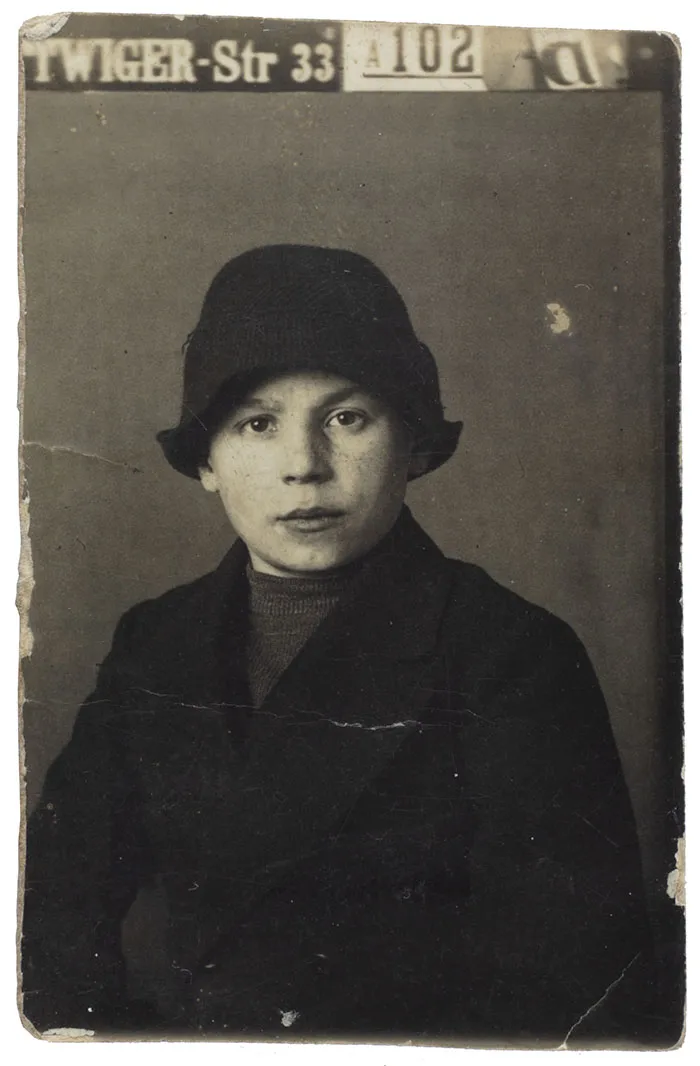
Where conventional studio photography was expensive and elaborate, these establishments offered a simple way to own a portrait, not merely for identity documents but also as a gift, for the family album, as a small ‘kissing picture’ to carry in a wallet during separation, or as a reminder of time spent together.
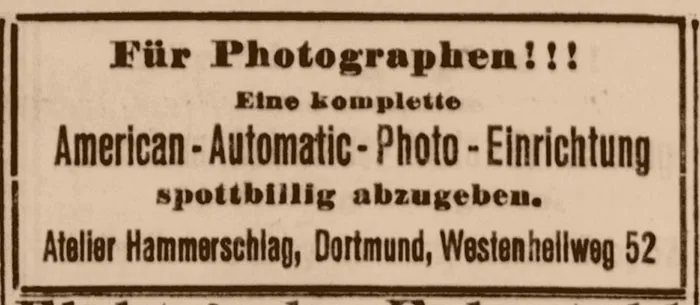
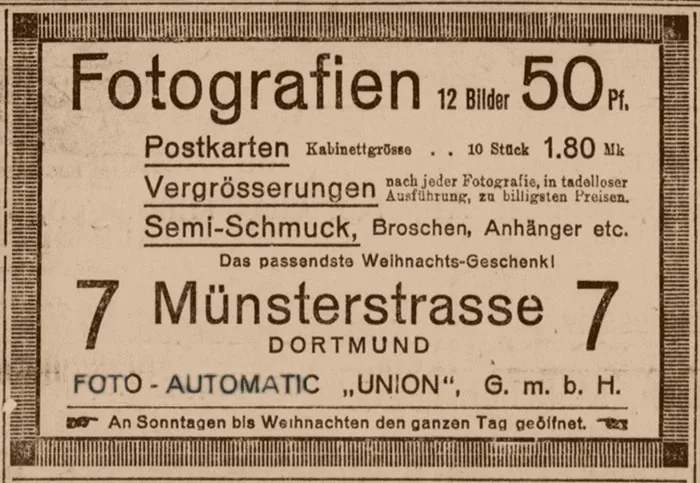
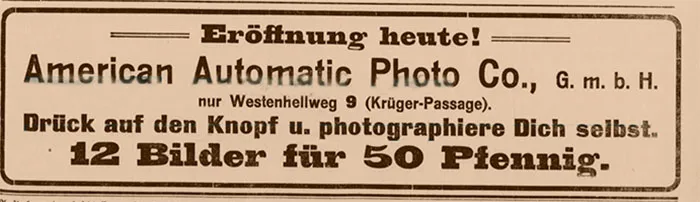
This 1913 entry for American Tip-Top Photo Co. GmbH in the commercial register of the Royal District Court in Kiel clearly describes the undertaking:
The photographs were miniature. Cameras made by Ernemann with multiplying magazines and special printing equipment (see Eder 1913, pp. 252–253)² allowed studios to produce and reproduce portraits in large quantities within a short time, at unbeatable prices. Common sizes were about 3 × 4 cm for individual portraits and 6 × 4 cm for groups. Delivery on paper strips was characteristic: twelve identical portraits cost only 50 pfennigs.
What distinguished this new kind of studio photography was not merely its technology but its business model: something resembling a modern franchise system, with standardised procedures, products and territorial protection.
At least two suppliers equipped the studios:
• Miniatur-Photo-Apparate
GmbH, Elberfeld
‘Enormous profits. American miniature-studio equipment — “Press the button and photograph yourself” — complete installation for 950 marks.’
Advertisement in the Hamburger Fremdenblatt of 1 December 1912
•
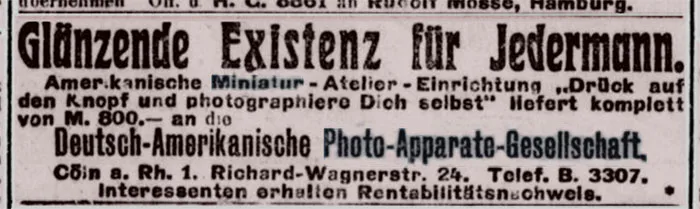
Deutsch-Amerikanische Photo-Apparate-Gesellschaft,
Köln
‘An excellent livelihood for everyone. American miniature-studio equipment: “Press the button and photograph yourself” — complete installation from 800 marks. Interested parties receive a profitability statement.’
Advertisement in the Berliner Tageblatt und Handels-Zeitung
of 1 December 1912
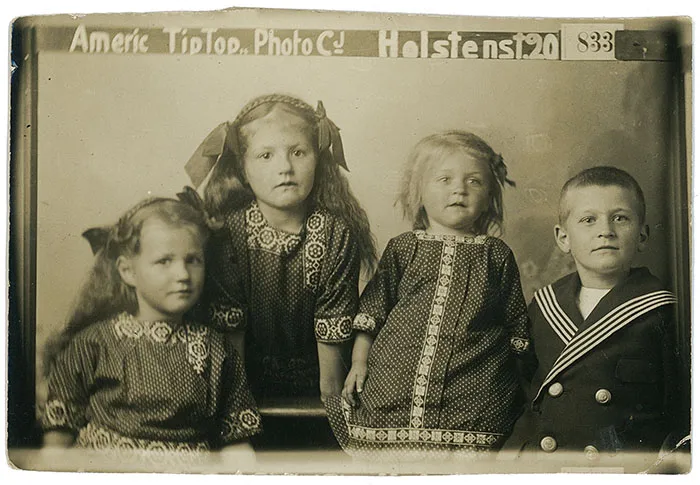
Expansion in Germany: A Successful Business Model
From 1912, within a few months, studios under a wide variety of names appeared in numerous cities, producing portraits in series.
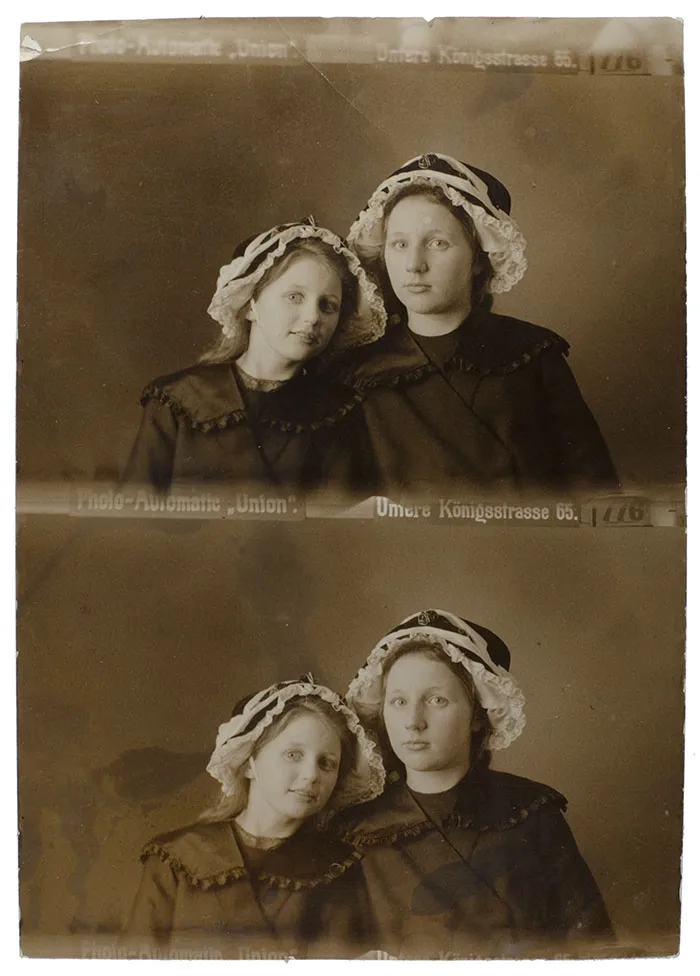
• Foto-Automatic
Union GmbH
‘Operation of a photographic business using the Anglo-American system.’
Commercial-register entry in the Deutscher Reichsanzeiger und Preußischer Staatsanzeiger of 15 November 1912 for the Cologne branch, entry no. 1890.
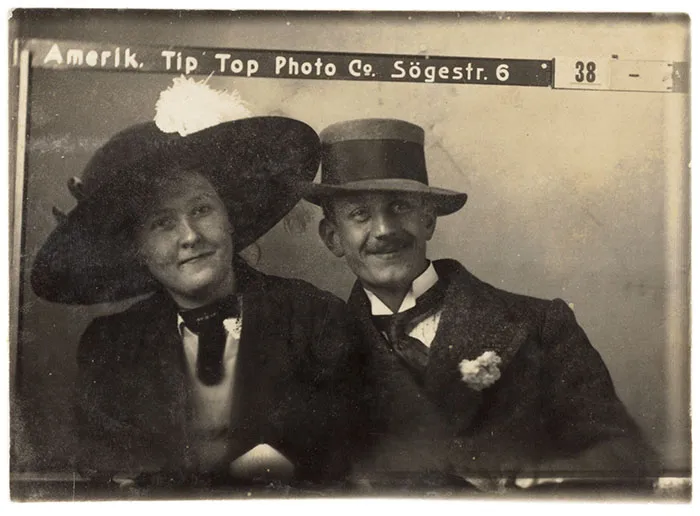
• American
Tip-Top Photo Co. GmbH
‘The object of the company is the factory-style mass production of inexpensive miniature photographs.’
Commercial-register entry in the Deutscher Reichsanzeiger und Preußischer Staatsanzeiger of 21 January 1913 for the Kiel branch.
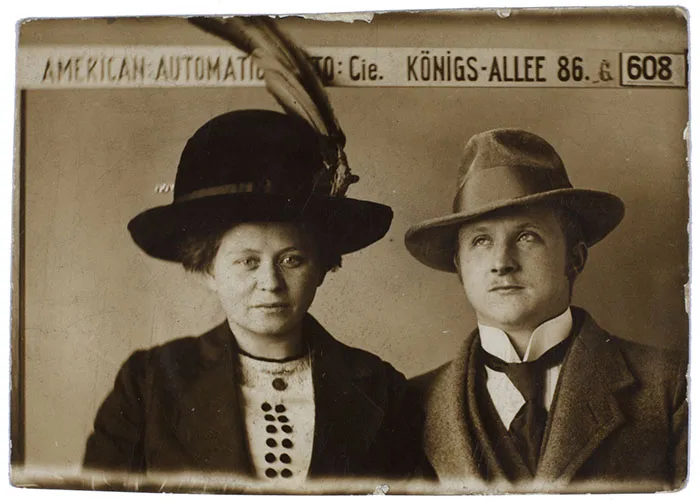
• American
Automatic Photo Cie. GmbH
‘Exploitation of a process for producing serial photographs, and the production and sale of photographs made using that process.’
Commercial-register entry in the Deutscher Reichsanzeiger und Preußischer Staatsanzeiger of 22 August 1912 for the Dortmund branch, entry no. 1851.
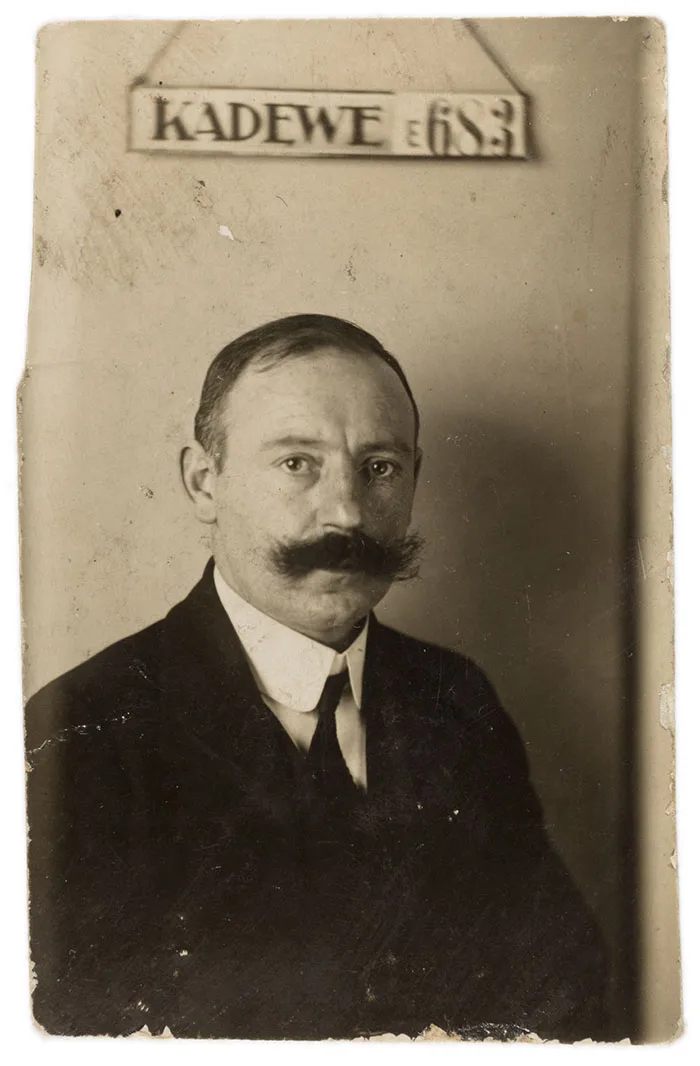
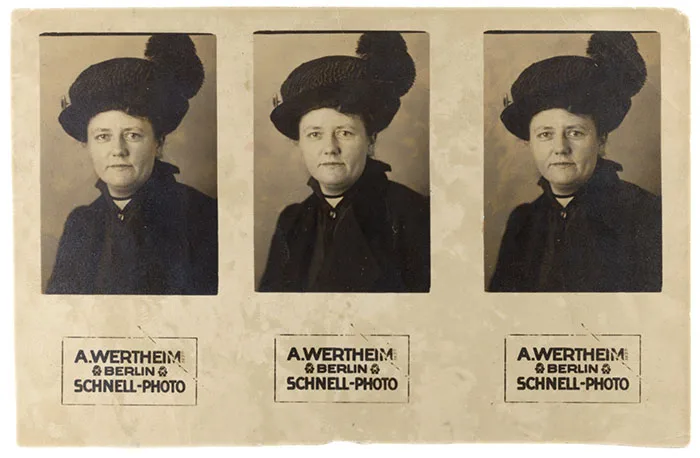
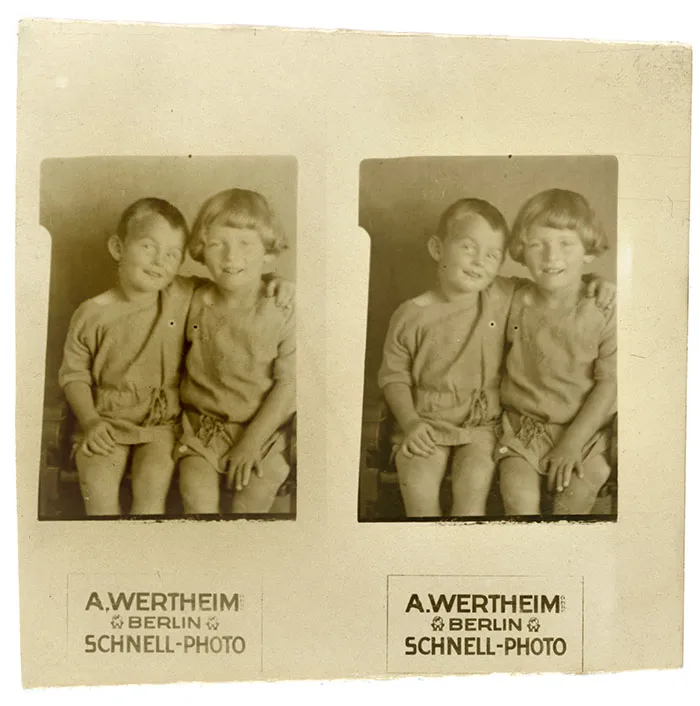
Large Berlin department stores, including KaDeWe and Wertheim, also adopted quick photography early in their studios. Photography served not merely as a service but as an attraction: it drew passing customers inside, extended their visits and often led to additional purchases while they waited or later collected their photographs. (See also: Portrait Photography in Berlin Department Stores, 1900–1933
For many operators, the process was a commercial windfall: low production costs, little space required and straightforward operation. Numerous studios opened within a short time, an early example of a rapidly spreading, profitable photographic business.
Its heyday was relatively brief, however, as new technologies emerged and many studios closed. Some survived by broadening their products, for example producing quick postcard photographs, which were also becoming very popular. A number of these studios continued into the 1930s.
Online Resources
• stickybacks.uk
— An extensive collection and study of Stickyback photography
•
Magyar Nemzeti Levéltár — Hungarian National Archives - From Stickyback Photography to the
Invention of the Photomaton Photobooth by János Mátyás Balogh
• Nederlands
Fotomuseum — Exhibitions and collections on quick photography
Publications
• Dirk Kome:
Snelfotografie – de rage van 1912 tot 1925
• Róman Kienjet:
De snelfotograaf
• Instagram: @stickybacks_snelfotografie
Bibliography
1 Balogh, János Mátyás: Stickyback és Photomaton: portréfotódivatok a 20. század első évtizedeiben. Budapest, 2020. (English: Stickyback and Photomaton: Portrait Photography Fashions in the First Decades of the Twentieth Century) — Available online
2 Eder, Josef Maria (ed.): Jahrbuch für Photographie und Reproduktionstechnik für das Jahr 1913. Unter Mitwirkung hervorragender Fachmänner. Halle a. d. S.: Wilhelm Knapp, 1913.